Ramadan 2026 Road Safety Tips: Handling the Iftar Rush in Pakistan
Ramadan 2026 brings adjusted routines and busier roads in Pakistan, especially before iftar. This guide explains congestion causes and shares tips for safer drives in major cities, emphasising patience and planning to cut accident risks.
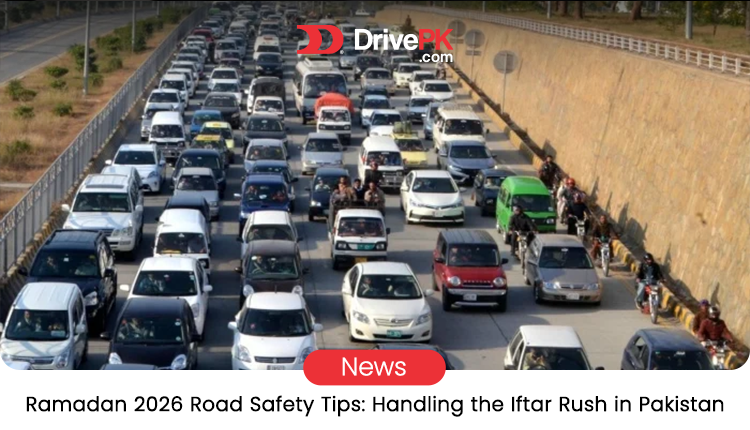
Table of Contents
- Why Roads Get Jammed Before Iftar
- Smart Planning for Your Commute
- Stick to Signals and Lanes
- No Double Parking, Please
- Keep Distance and Control Speed
- Special Tips for Bikers and Rickshaws
- Work with Traffic Officials
- Wrapping It Up: It's About Us All
Ramadan has begun today, February 19, 2026, in Pakistan. With the moon sighted last evening, fasting starts across the country. But along with spiritual focus comes a shift in daily life, including on the roads. Traffic builds up sharply in the hour before iftar, leading to more minor crashes and frustration. In places like Rawalpindi, where you're based, and nearby Islamabad, plus Lahore and Karachi, the pressure is real. Offices close early, markets buzz, and delivery riders zip around. It's a mix that can turn commutes into chaos.
Urban areas feel it most. Signals get ignored, cars double-park, and lanes blur as everyone hurries home. Yet Ramadan teaches patience and control. Bring that to your drive, and you help everyone. This advisory covers what to watch for and how to stay safe. It's about small choices that make big differences.
Why Roads Get Jammed Before Iftar
That final 60 to 90 minutes before Maghrib? It's the toughest stretch. Roads clog up consistently during Ramadan. Here's why.
Early office endings mean everyone hits the streets at once. Add in grocery runs and last-minute iftar prep, and traffic swells. Markets draw crowds, with pedestrians spilling onto roads near shops. Delivery services ramp up too, as orders for iftar meals pour in. In Rawalpindi and Islamabad, corridors like the GT Road or Islamabad Highway see this surge. Lahore's Mall Road or Karachi's Shahrah-e-Faisal turn into bottlenecks.
Then there's the risky behaviour: jumping red lights, wrong lane switches. These don't speed things up, they slow everything down. One violation can back up an entire intersection. Pedestrians increase near mosques and food stalls, adding to the mix. The result? Reduced road capacity and higher accident odds.
But it's not inevitable. Understanding these factors helps you plan around them.
Smart Planning for Your Commute
Start with the basics: plan ahead. Don't wait for peak hours. Leave work or home earlier if you can. Finish shopping for groceries or bakery items well before sunset. In Rawalpindi, avoid the main bazaars like Saddar during the late afternoon.
Use apps like Google Maps to check live traffic. It works on Android and iOS, showing delays and alternatives. For example, if you're heading from Rawalpindi to Islamabad, opt for quieter side roads instead of the expressway. Small tweaks like this cut stress and time stuck in jams.
If you're fasting, keep your energy up. Dehydration can slow reactions, so stay hydrated during non-fasting hours. And if traffic traps you at iftar time, have dates and water ready in the car. Break your fast quietly, then drive on when it's safe.
Stick to Signals and Lanes
Discipline matters here. Red lights exist for a reason—skip them, and you risk crashes. Blocking intersections? That creates gridlock. Stay in your lane, and signal before changes. These habits keep the flow steady.
In cities like Karachi, where traffic is dense, lane discipline prevents sideswipes. Lahore's roundabouts get messy without it. Even in Rawalpindi, following rules eases pressure on busy spots like Faizabad Interchange. Wardens often direct traffic during Ramadan; listen to them.
No Double Parking, Please
Markets shrink road space already. Double parking makes it worse, turning two lanes into one. It bottlenecks everything. Park a bit farther and walk instead. It's quicker in the end and safer for all.
In Islamabad's F-7 or Rawalpindi's Commercial Market, this is common. But a short stroll avoids fines and delays. Think of it as part of the Ramadan spirit, consideration for others.
Keep Distance and Control Speed
Congestion means sudden stops. Tailgating leads to rear-enders. Give space ahead— at least a few car lengths. It buys time to react.
Speeding in traffic? Pointless. It won't shave minutes, but it amps up the impact if something goes wrong. Slow down, especially near iftar. Patience saves lives.
Special Tips for Bikers and Rickshaws
Motorcyclists and rickshaw drivers face extra risks. No wrong-way rides that cause head-ons. Stay off footpaths; they're for walkers. Helmets are a must, every time. Check lights and signals too, they make you visible.
Shortcuts might tempt in jams, but they often block more. In Karachi's narrow streets or Lahore's old city, this is key. Safe habits protect you and clear the way.
Work with Traffic Officials
Police and wardens step up during Ramadan. They handle diversions, enforce parking, and manage checkpoints. Follow their plansit smooths things out. In Rawalpindi, expect more patrols on main roads. Cooperation turns potential mess into a manageable flow.
Report issues if you see them, but safely. Apps or hotlines can help without stopping.
Wrapping It Up: It's About Us All
Ramadan traffic stems from our actions. One impatient move ripples out. But discipline, planning, and patience change that. Safer roads mean fewer accidents, less stress, and more time for iftar with family.
In Rawalpindi today, as Ramadan kicks off, remember: your choices count. Safe travels. For more updates, visit DrivePK.com
Tags
Share this article
About the Author
Najeeb Khan
Automotive enthusiast and writer
Comments (0)
Login Required
You need to be logged in to comment on this article.
No comments yet. Be the first to share your thoughts!
Related Articles
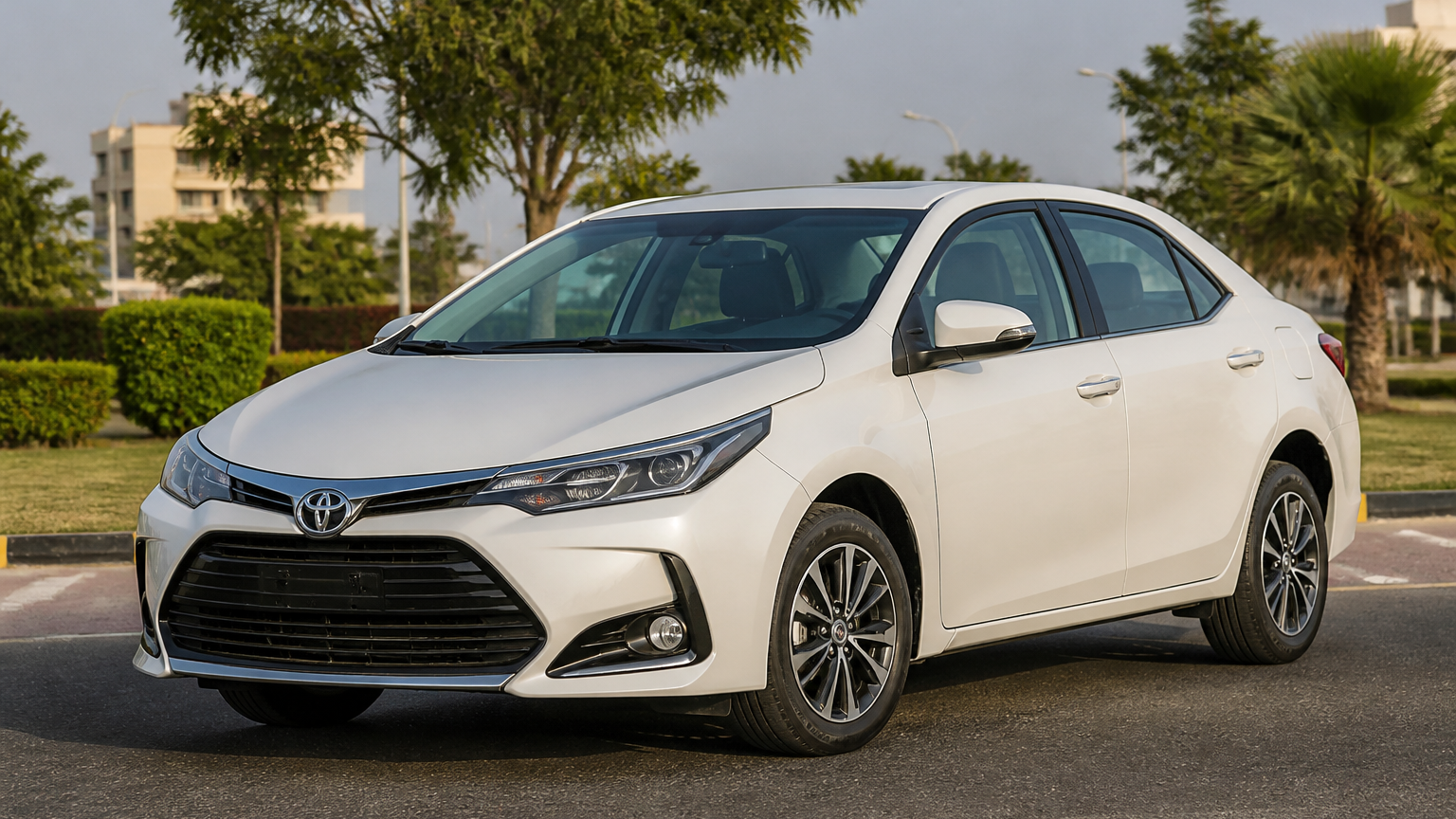
Toyota Corolla Discontinued Before Pakistan Facelift
Pakistan’s pre-facelift Toyota Corolla is reportedly discontinued, hinting at a facelift. Prices, bookings, specs and launch timing remain unconfirmed.
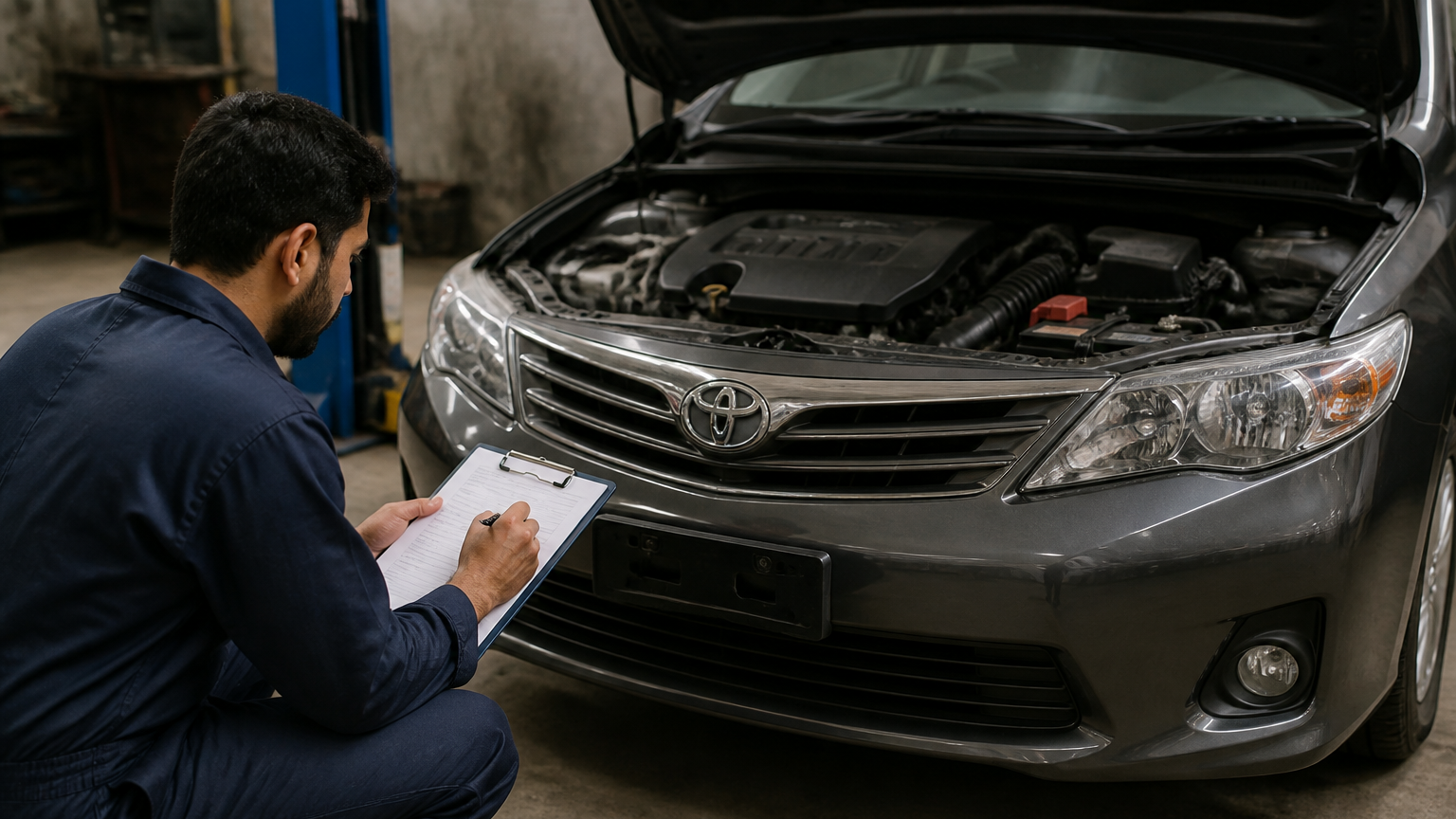
DrivePK Car Inspection Reports: Buy with Confidence
Buying a used car in Pakistan? A pre-purchase inspection can reveal hidden damage, engine issues and red flags before you pay—but it’s not enough alone.
2028 Kia Sportage: Major Design Changes Spotted
Kia’s next Sportage may get a bolder, boxier redesign, with an upright profile, sharper lines, wider grille and split headlights hinted by spy shots.