Rawalpindi Kutchery Chowk Remodelling Project to Open Next Week
Rawalpindi’s long-awaited Kutchery Chowk remodelling project is nearly complete. New flyovers, underpasses, and pedestrian bridges will open for traffic next week, promising smoother journeys for over 250,000 vehicles daily. Punjab Chief Minister Maryam Nawaz is expected to inaugurate the project.
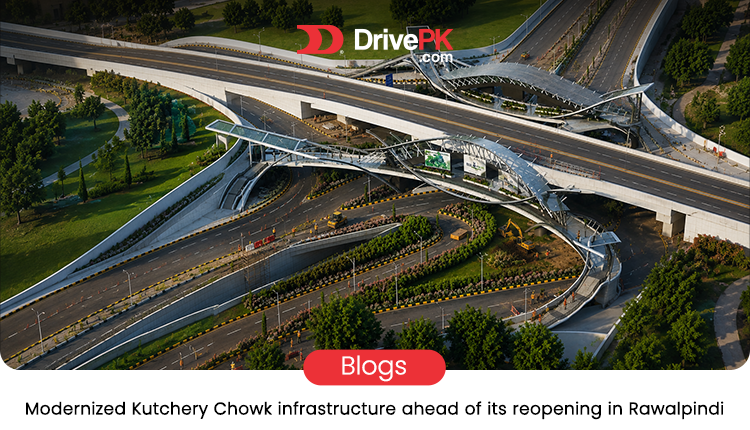
Table of Contents
- What the Project Includes
- Heavy Daily Traffic at the Chowk
- What Commuters Can Expect After Opening
- The Cost and Timeline
- Benefits for Rawalpindi Residents
- Challenges During Construction
- What Happens Next
- A Step Forward for the City
Rawalpindi commuters are finally getting some relief. The Kutchery Chowk remodelling project, which includes new flyovers and underpasses, is expected to open for traffic next week, likely on Tuesday. Punjab Chief Minister Maryam Nawaz is expected to inaugurate it.
The project started in late November 2025. Since then, people have dealt with long traffic jams, extra fuel costs, and dust every day. The wait has been tough, but the end is now in sight.
What the Project Includes
This Rs19 billion initiative features two flyovers and three underpasses. It will create a signal-free intersection at one of Rawalpindi’s busiest points. The redesign connects key routes, including Old Airport Road, Saddar, Jhelum Road, and Adiala Road.
Pedestrian bridges have also been added. One links the FBR building to the district courts gate on Jhelum Road. Another connects Fatima Jinnah Women University to the Adiala Road bus stand. These additions should make walking safer and easier.
Work is now at 92% completion. The main structures are ready, and finishing touches like road surfacing, lighting, and drainage are in the final stages.
Heavy Daily Traffic at the Chowk
More than 250,000 vehicles pass through this intersection every day. Some stretches see around 197,000 vehicles daily. Before the project, signals and mixed traffic caused major bottlenecks, especially during peak hours.
Commuters from different parts of the city, students, office workers, lawyers heading to courts, and families all use this route. The constant jams wasted time and money. Many people reported spending extra hours stuck in traffic and burning more fuel than usual.
What Commuters Can Expect After Opening
The new setup should bring noticeable improvements:
- Smoother traffic flow without frequent stops at signals
- Reduced travel time through the area
- Less fuel consumption and lower daily costs
- Safer movement for pedestrians thanks to dedicated bridges
- Better access around district courts and nearby areas
Officials say the changes will ease congestion significantly. Emergency vehicles should also move faster when needed.
Construction by the Frontier Works Organisation (FWO) focused on quality. Teams checked materials at every stage to make sure the structures last.
The Cost and Timeline
The project cost rose from an initial Rs14 billion to Rs19 billion. Extra expenses came from added pedestrian bridges, more land acquisition, aesthetic work, and utility shifting.
The original plan aimed for faster completion, but deadlines were adjusted. The focus now is on opening the main traffic routes by the end of May, with full handover to the district administration shortly after.
Benefits for Rawalpindi Residents
This project is part of bigger efforts to improve traffic in the city. A signal-free corridor from areas like Ammar Chowk toward the motorway is taking shape.
For daily commuters, the biggest win will be time saved. Less idling in traffic also means lower emissions and cleaner air around the chowk. Local businesses that faced disruptions during construction should see normal customer flow return.
Property values in well-connected areas often rise after such upgrades. The added green spaces and better lighting will improve the overall look of the junction, too.
Challenges During Construction
No one can deny that the past months have been difficult. Road closures forced people onto alternative routes, causing jams elsewhere. Dust affected nearby homes and shops. Lawyers, students, and traders all felt the impact.
But these short-term problems are common with big infrastructure work. The goal is long-term relief. Similar projects in other cities have shown that patience during construction usually pays off once the new roads open.
What Happens Next
After the main opening, authorities will monitor traffic patterns. Drivers should follow new routes carefully in the beginning to avoid confusion. Some finishing work might continue, but the core flyovers and underpasses will be open for use.
The full project, including the remaining beautification, should wrap up soon. This development adds to other recent improvements in Rawalpindi, like the Nawaz Sharif Flyover and GPO underpass.
A Step Forward for the City
The Kutchery Chowk remodelling shows how targeted infrastructure work can help a growing city. Rawalpindi handles heavy traffic every day. Modern solutions like flyovers and underpasses help manage that load more efficiently.
For residents tired of daily delays, next week’s opening brings real hope. It won’t solve every traffic problem in the city, but it will make a major trouble spot much better.
We’ll see the real difference once people start using the new routes. If it delivers as planned, this could become a model for similar projects elsewhere in Pakistan.
Rawalpindi is changing. Better roads mean easier commutes, a stronger local economy, and improved quality of life. This project is one important piece of that bigger picture. For more updates, visit DrivePK.com
Tags
Share this article
About the Author

Najeeb Khan
Automotive enthusiast and writer
Comments (0)
Login Required
You need to be logged in to comment on this article.
No comments yet. Be the first to share your thoughts!
Related Articles
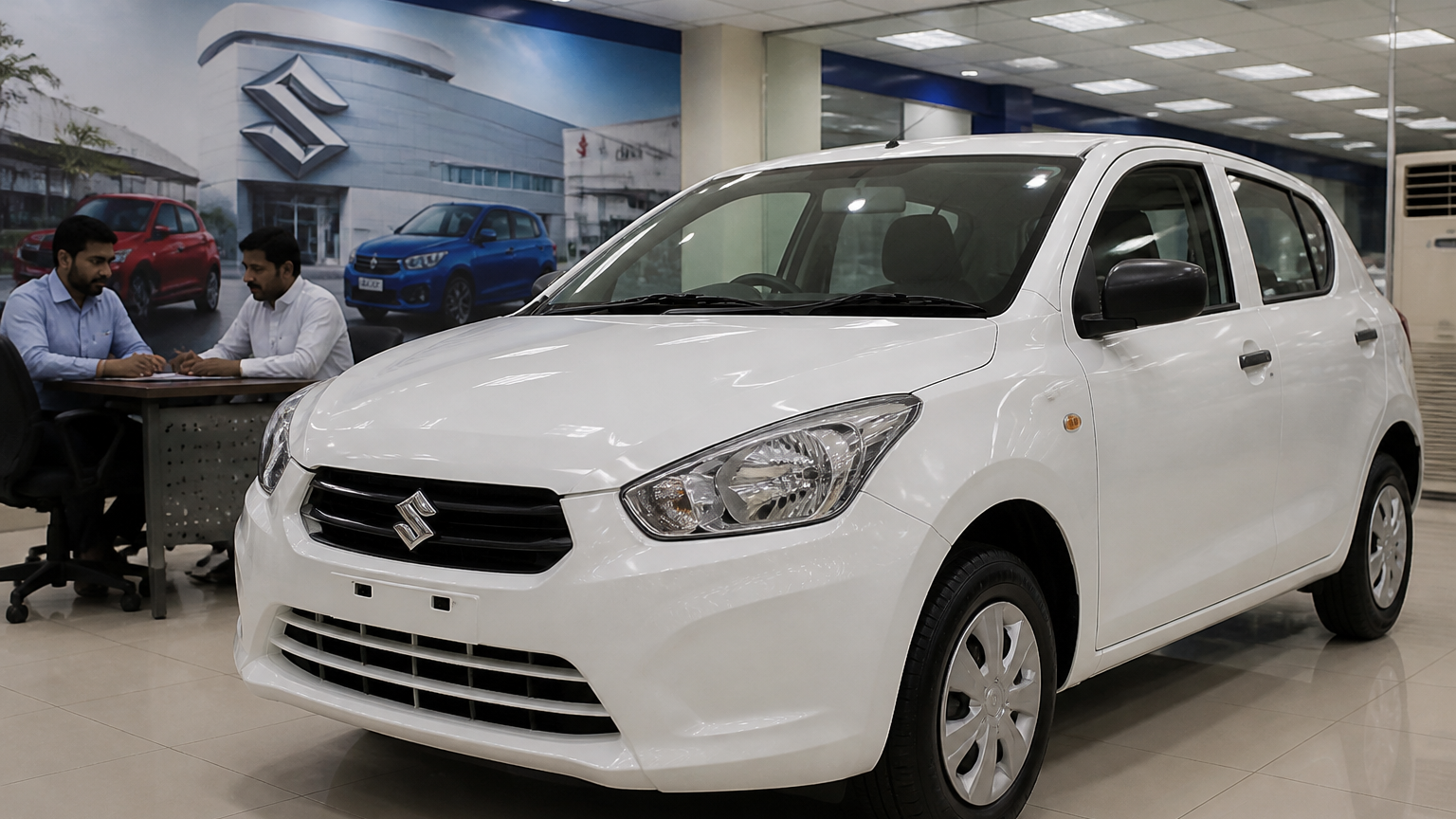
Pak Suzuki Adds NADRA Biometric Verification for Vehicle Deals
Buying a Suzuki? ICT confirms biometrics for vehicle transfers—but not a Pak Suzuki–NADRA dealership partnership. Know what’s actually verified.
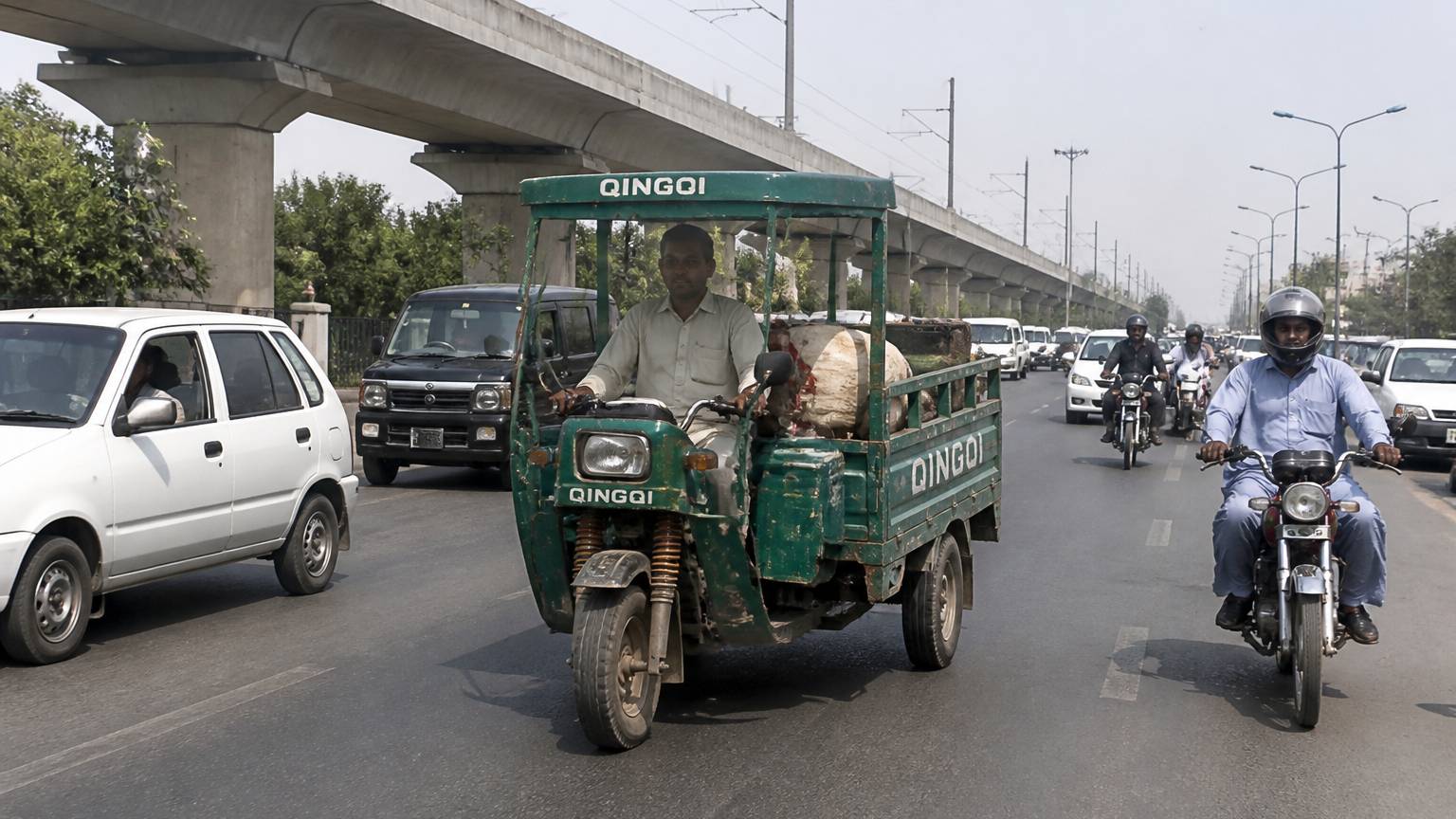
Lahore Canal Road Qingqi Rickshaw Ban Explained
Lahore traffic police clarify: no new citywide rickshaw ban—Qingqis and loaders are already barred from Canal Road to ease congestion.
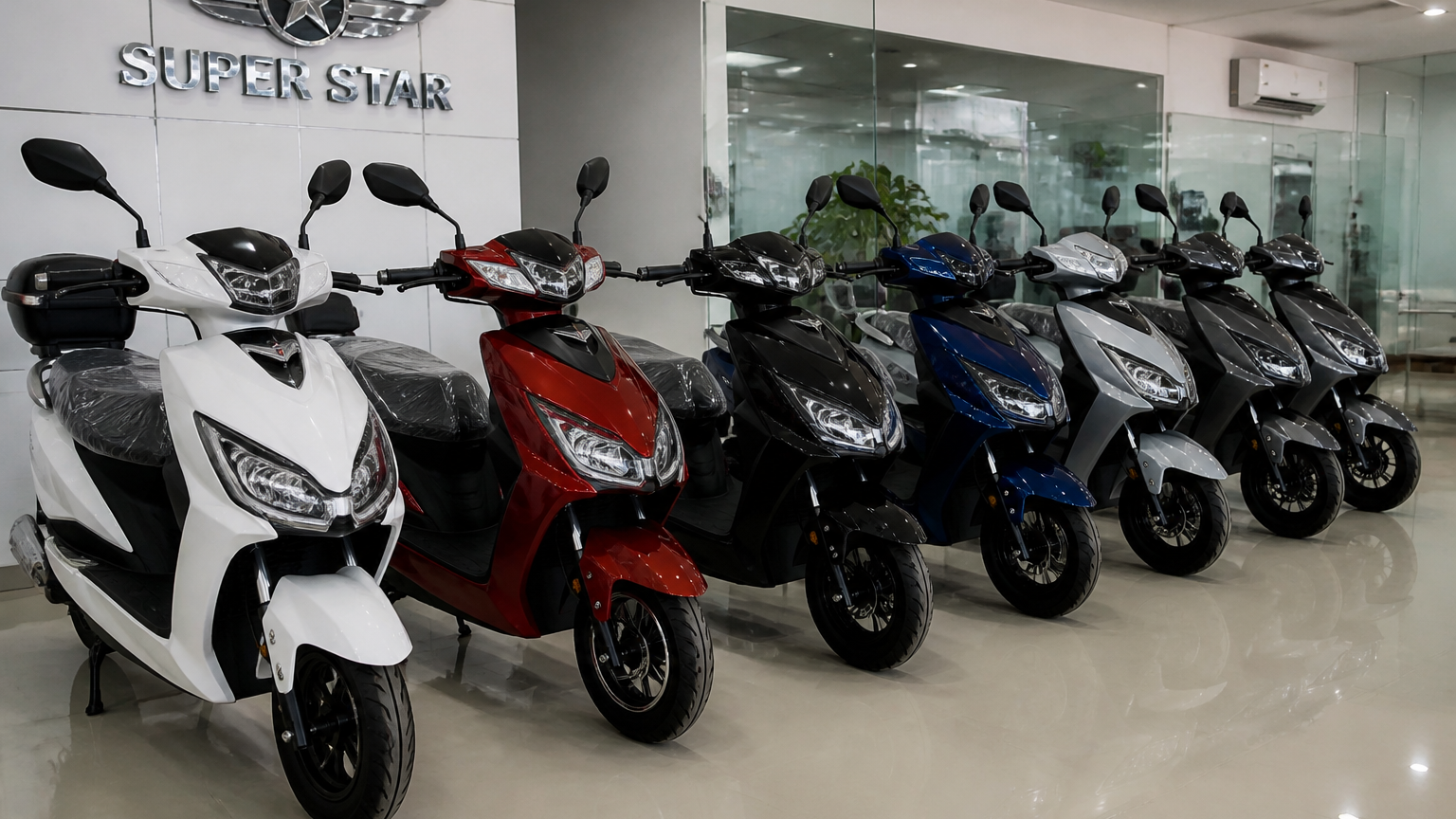
Super Star EV Scooters Price in Pakistan: 8 Models
Super Star now offers 8 EV scooters in Pakistan, priced Rs110,000–270,000—from affordable city rides to longer-range lithium models.