Rawalpindi Ring Road Nears Finish: 80% Done with New Interchange
The Rawalpindi Ring Road is more than 80% complete, with bridges and 22 km of asphalt ready. This 38 km route from Baanth to Thalian includes a new Thalian Interchange to cut congestion. It should wrap up by April, costing Rs 53 billion, and handle 18,000 vehicles daily for smoother, safer drives.
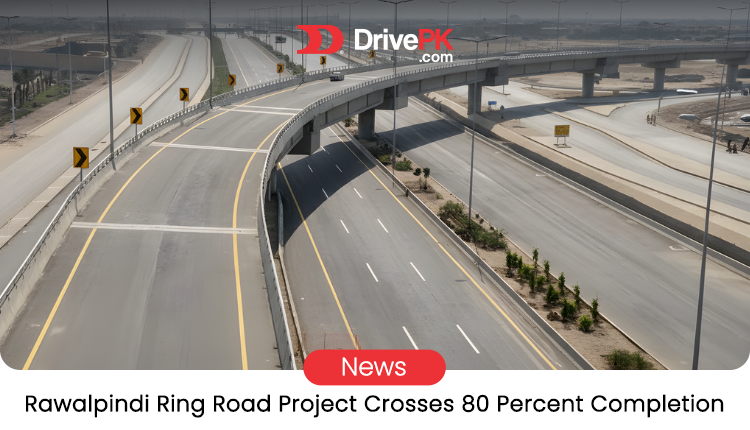
Table of Contents
- What the Project Looks Like
- Why the Timeline Shifted
- How It Helps Daily Life
- Behind the Scenes: What's Left to Do
- Challenges and Wins So Far
- Looking Ahead
The Rawalpindi Ring Road project is moving fast. It's over 80 per cent done now. That means most of the hard work is behind us. Bridges are up, and a solid 22 kilometres of asphalt is laid out. This road will change how people get around in the area. But why does it matter? Let's break it down.
What the Project Looks Like
The road stretches 38 kilometres from Baanth to Thalian. It's not just a straight path. It includes key spots that connect to bigger routes. One big addition is the Thalian Interchange. This will link right up to the Motorway. Think about that – no more bottlenecks where traffic piles up. Drivers can slip onto the highway without the usual hassle.
And the work isn't stopping at basics. Crews are putting in modern signboards. These will guide people clearly, day or night. Street lights are going up, too, making it safer after dark. Then there's the landscaping. Trees and plants along the sides will make the drive less dull. It's practical stuff that adds up to a better road.
Why the Timeline Shifted
Originally, things might have wrapped sooner. But now, the end date is set for April. That's if the revised PC-I gets the green light. PC-I is the plan that outlines costs and details. It needed updates because of a few changes.
First, that new interchange wasn't in the early plans. Adding it makes sense for long-term use, but it takes extra time and money. Then, floods have been a worry in Pakistan. So, they built in measures to handle heavy rains better. Drains, barriers – things to keep the road from washing out.
Costs rose, too. Construction materials aren't cheap anymore. Prices for cement, steel, and asphalt climbed. The total bill is now Rs 53 billion. That's a jump, but it covers these extras. Without them, the road might not last or work as well.
How It Helps Daily Life
Imagine sitting in traffic for hours. That's Rawalpindi for many folks right now. This ring road aims to fix that. Once open, it can take over 18,000 vehicles a day. That's a lot of cars, trucks, and bikes moving without stops.
Safety gets a boost. Wider lanes, better lighting, and clear signs cut down on accidents. No more guessing where to turn. And with the interchange, getting to the Motorway is quick. Commuters from nearby towns will save time. Businesses can move goods faster. It's about making life easier, not just building something big.
But it's not all smooth. Delays happen in projects like this. Weather, approvals, supply issues – they add up. Still, hitting 80 per cent is a win. It shows progress, even if the finish line moved a bit.
Behind the Scenes: What's Left to Do
Most structural work is complete. Bridges stand strong, ready for traffic. That 22 km asphalt stretch is paved and smooth. Now, the focus is on finishing touches.
The remaining 16 km or so needs asphalt. Then, testing everything. Does the lighting work? Are the signs in the right spots? Landscaping has to settle in. It's detail work, but important.
Authorities are on it. They're pushing for that PC-I approval. Once that's done, crews can speed up. April isn't far off. If things go right, drivers could be on it soon after.
And think about the bigger picture. Roads like this connect people. Families visit more easily. Jobs open up because travel is simple. Rawalpindi grows when traffic flows freely.
Challenges and Wins So Far
No project is perfect. Costs went up to Rs 53 billion. That's real money from taxes or loans. But the reasons make sense. The interchange adds value. Flood protection saves future repairs. Material costs are out of control everywhere, not just here.
On the win side, 80 per cent done is huge. Bridges and that long asphalt run show real effort. Installing lights and signs now means no rush later. It's smart planning.
Plus, handling 18,000 vehicles daily? That's capacity for growth. As more people move to the area, the road can handle it. Safety features mean fewer crashes and less stress.
Looking Ahead
By April, if all goes well, the ring road opens. Drivers from Baanth to Thalian will notice the difference. Less congestion at key points. Safer nights with lights. Clear paths with signs.
But it's more than that. This project sets a tone for other areas. Good infrastructure lifts everyone. Traffic eases, time saves, safety rises. It's a practical change.
And while costs rose, the extras like the interchange and flood measures pay off long-term. No regrets there.
In the end, this road is for people. It cuts down waits and links places better. Rawalpindi needs it. April can't come soon enough. For more updates, visit DrivePK.com
Tags
Share this article
About the Author

Najeeb Khan
Automotive enthusiast and writer
Comments (0)
Login Required
You need to be logged in to comment on this article.
No comments yet. Be the first to share your thoughts!
Related Articles
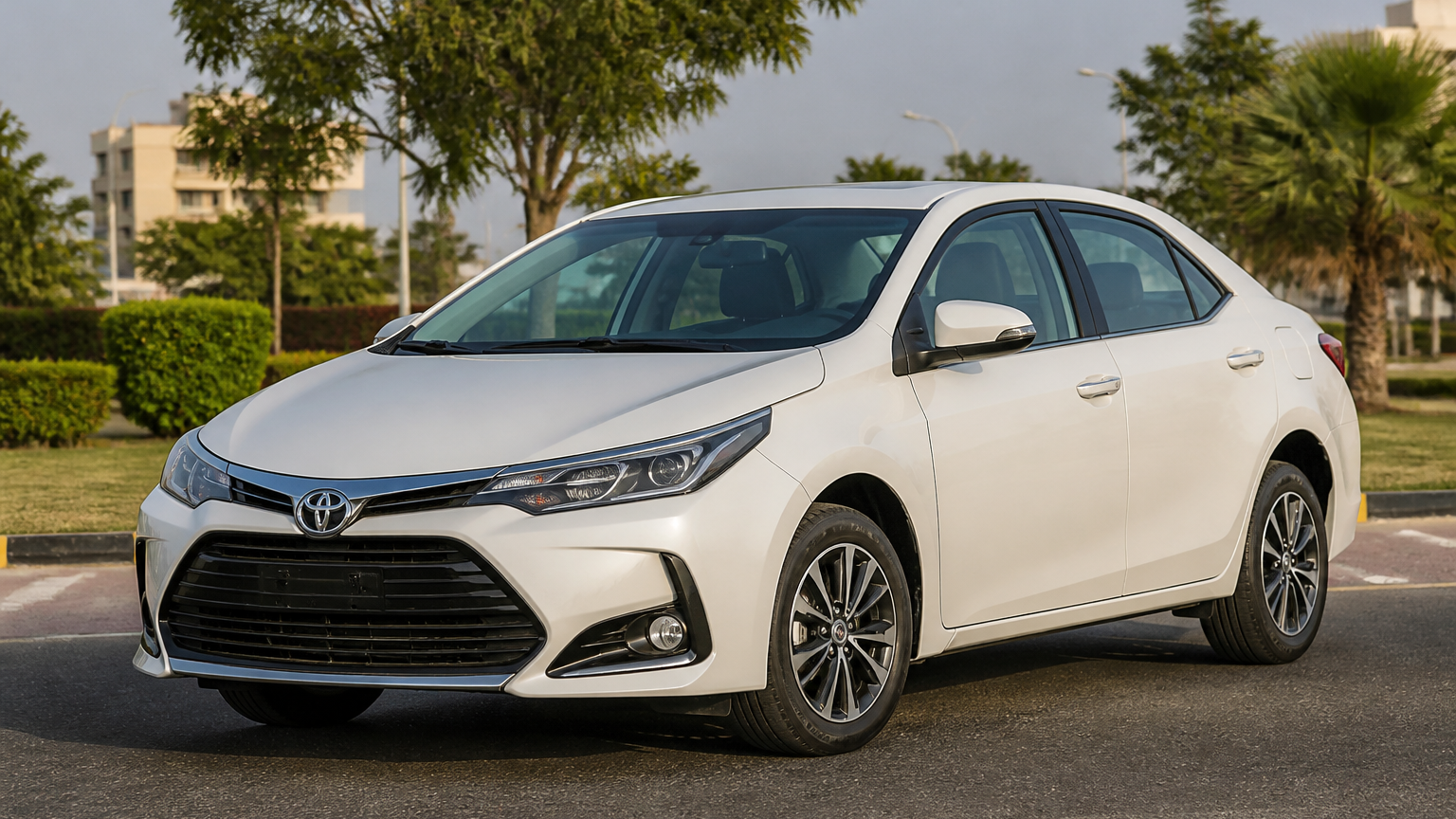
Toyota Corolla Discontinued Before Pakistan Facelift
Pakistan’s pre-facelift Toyota Corolla is reportedly discontinued, hinting at a facelift. Prices, bookings, specs and launch timing remain unconfirmed.
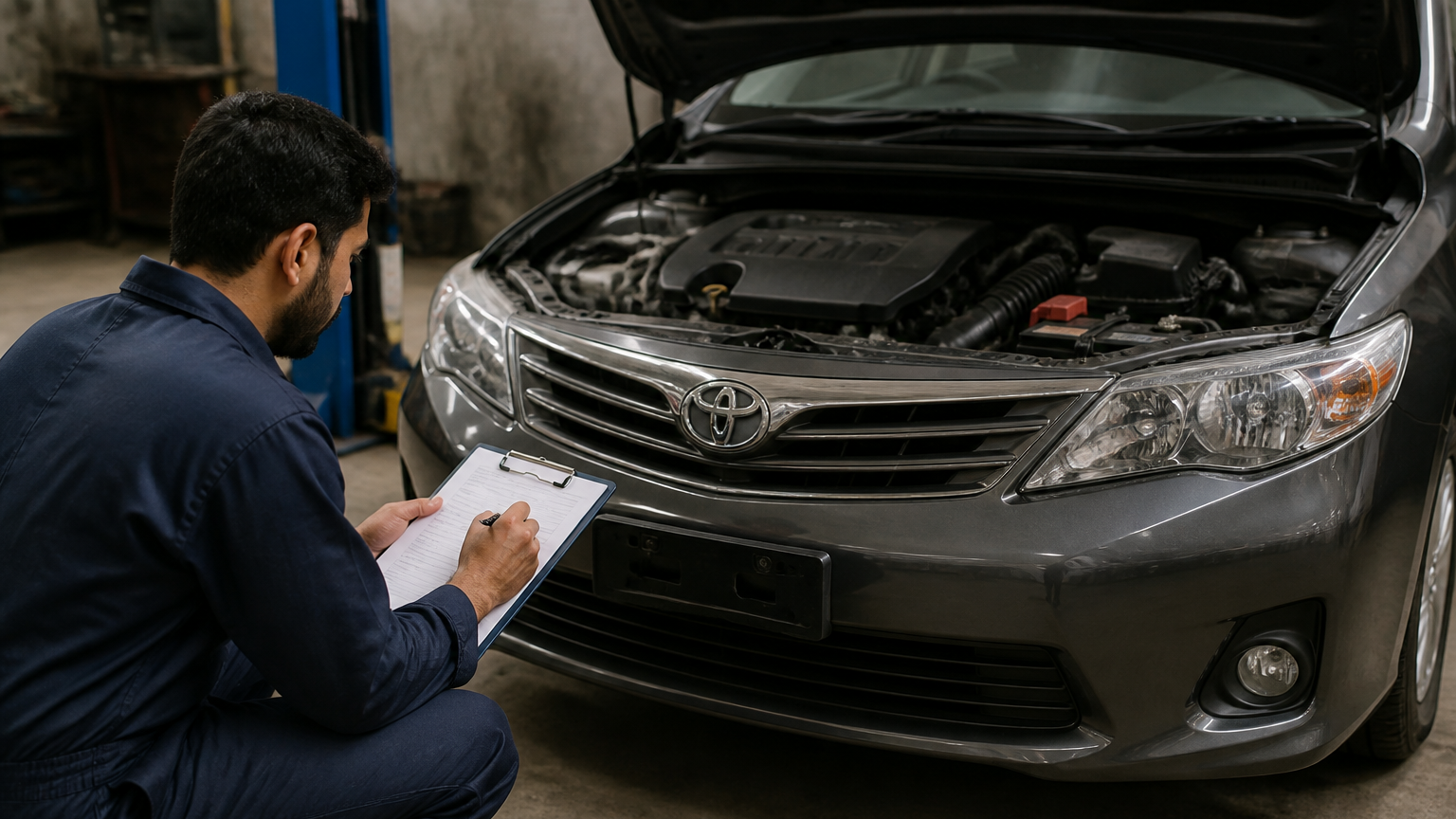
DrivePK Car Inspection Reports: Buy with Confidence
Buying a used car in Pakistan? A pre-purchase inspection can reveal hidden damage, engine issues and red flags before you pay—but it’s not enough alone.

2028 Kia Sportage: Major Design Changes Spotted
Kia’s next Sportage may get a bolder, boxier redesign, with an upright profile, sharper lines, wider grille and split headlights hinted by spy shots.