Rawalpindi Traffic Police Crackdown on Illegal Lights and Mobile Licensing Services
City Traffic Police Rawalpindi is cracking down on illegal LED lights and flashers to boost road safety. They're also offering mobile services for quick driving licenses. Chief Traffic Officer Farhan Aslam warns of dangers from high-intensity lights at night.
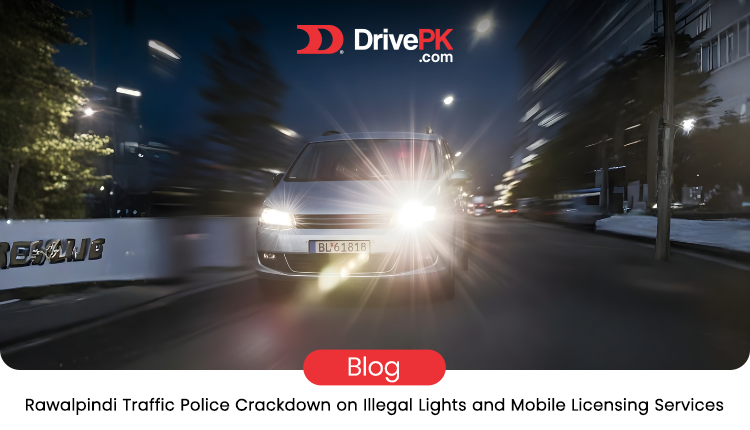
Table of Contents
- Why the Crackdown on Illegal Lights Matters
- Boosting Awareness for Better Driving Habits
- Mobile Services Bring Convenience to Your Door
- What This Means for Rawalpindi Drivers
Roads in Rawalpindi can get chaotic, especially after dark. Bright lights flashing from cars and bikes blind drivers and cause mishaps. That's why the City Traffic Police has started a tough crackdown. They're targeting illegal LED lights, flashers, and those blue or red police-style lights on private vehicles and motorcycles. It's all about making streets safer and cutting down on accidents.
Chief Traffic Officer Farhan Aslam made it clear. He said unauthorized high-intensity lights break the law. And they put everyone at risk, drivers included. At night, these beams can dazzle oncoming traffic. Imagine heading home, and suddenly you can't see the road ahead. It's scary, and it happens too often.
But it's not just about fines and stops. The police want people to understand why this matters. So, their education wing is out there running campaigns. These efforts teach the right way to use headlights, backlights, and signals. Simple stuff, but it saves lives.
And on top of that, they're bringing services right to your door. Mobile licensing vans and police station units are rolling out weekly across the city. This helps folks in far-off areas get learner permits or even same-day driving licenses without trekking to an office.
Why the Crackdown on Illegal Lights Matters
Let's talk about those flashy lights first. You've probably seen those cars decked out like emergency vehicles, with strobes and beams that cut through the night. They look cool to some, but they're trouble. Under the rules, only official vehicles can use certain lights. Private ones? No way.
Farhan Aslam pointed out the dangers. High-intensity LEDs can blind drivers for seconds. That's enough time for a crash. Night driving is already tricky with poor visibility in some spots. Add illegal flashers, and it's a recipe for disaster. Police have seen more near-misses because of this.
The crackdown isn't random. Officers are patrolling key roads, pulling over violators. Fines kick in, and sometimes vehicles get impounded. But the goal isn't punishment. It's prevention. Safer roads mean fewer trips to the hospital.
I remember a story from a friend in Rawalpindi. He was riding his bike home when a car with blue lights flashed by him. He swerved, thinking it was the police. Turned out, it was just someone showing off. Could have ended badly. Stories like that show why this enforcement is key.
Police aren't stopping at tickets. They're educating too. Billboards, social media posts, and community talks spread the word. "Use your lights right," they say. Headlights on low beam in the city, high beam on empty roads. Backlights to show you're stopping. Signals for turns. Basic, but forgotten sometimes.
Boosting Awareness for Better Driving Habits
Education is a big part of this push. The traffic police education wing leads it. They're not just handing out flyers. They're in schools, markets, and online. Campaigns explain how proper lights help everyone see and be seen.
Think about it. A dim headlight means you're invisible to others. A broken signal? No one knows you're turning. These campaigns break it down simply. Videos show what happens when the lights fail. Real-life examples from Rawalpindi streets.
One campaign focuses on motorcycles. Bikers often add extra LEDs for style. But those can distract. Police urge switching to standard bulbs. And always check the lights before heading out.
It's working, from what I've heard. More people are asking questions at checkpoints. "Is this light okay?" they say. That's progress. Awareness turns rules into habits.
But challenges remain. Some shops still sell illegal kits. Police are watching them too. And in remote areas, folks might not hear the message. That's where mobile units help tie it all together.
Mobile Services Bring Convenience to Your Door
Now, onto the handy part. Getting a license used to mean long lines at the office. Not anymore. Rawalpindi police have mobile vans zipping around on a schedule. They park in neighborhoods, especially outlying ones.
Need a learner's permit? Show up with your docs. Same-day driving licenses for those who qualify. It's quick and cuts the hassle.
The weekly roster covers different zones. One day in Saddar, next in Satellite Town, then farther out. Check the police website or app for times. It's a game-changer for busy folks or those without easy transport.
Why do this? Access. Remote residents often skip renewals because of distance. Now, vans come to them. It encourages legal driving. More licensed drivers mean better road behavior.
These vans double as info hubs. Staff answers questions on lights and safety. "Got illegal flashers? Here's why to remove them." It's all connected.
Police station vans join in. They handle reports,s too, but focus on licensing here. It's efficient. No more wasting a day in queues.
What This Means for Rawalpindi Drivers
Overall, these moves show police care about safety, not just control. Crackdowns fix immediate issues. Campaigns build long-term smarts. Mobile services make compliance easy.
If you're in Rawalpindi, check your vehicle. Ditch those extra lights. Join a campaign session. Get that license updated.
Safer roads benefit everyone. Fewer accidents, smoother traffic. It's simple: follow the rules, stay safe.
But change takes time. Police need community buy-in. Share the word with friends. Report violators if you see them. Together, it works.
I've driven those roads. Pot holes, crowds, now better lit, safer. It's improving. Keep an eye out for updates from Chief Aslam's team.
In the end, it's about getting home safe. That's what counts. For more updates, visit DrivePK.com
Tags
Share this article
About the Author

Najeeb Khan
Automotive enthusiast and writer
Comments (0)
Login Required
You need to be logged in to comment on this article.
No comments yet. Be the first to share your thoughts!
Related Articles
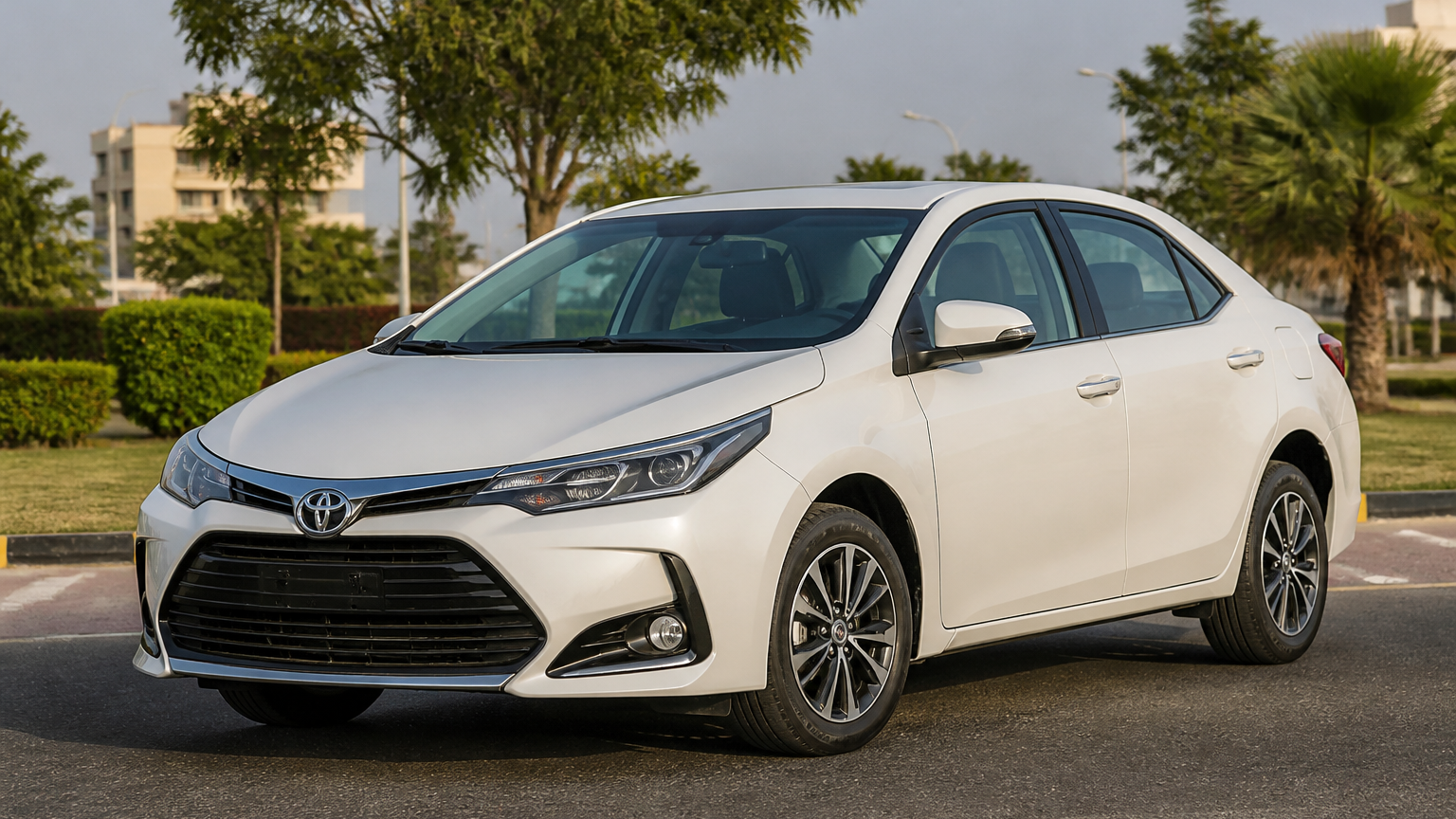
Toyota Corolla Discontinued Before Pakistan Facelift
Pakistan’s pre-facelift Toyota Corolla is reportedly discontinued, hinting at a facelift. Prices, bookings, specs and launch timing remain unconfirmed.
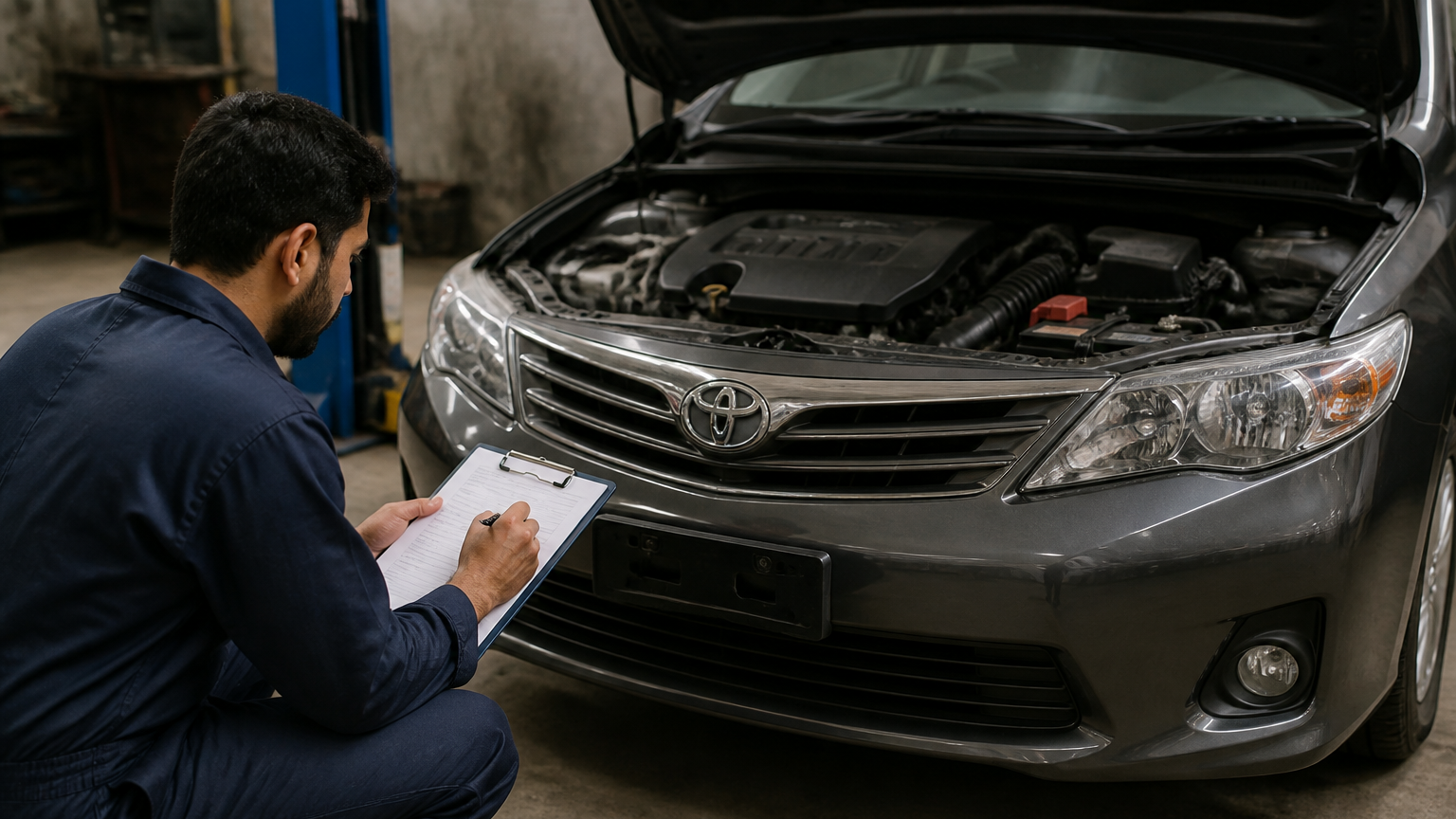
DrivePK Car Inspection Reports: Buy with Confidence
Buying a used car in Pakistan? A pre-purchase inspection can reveal hidden damage, engine issues and red flags before you pay—but it’s not enough alone.
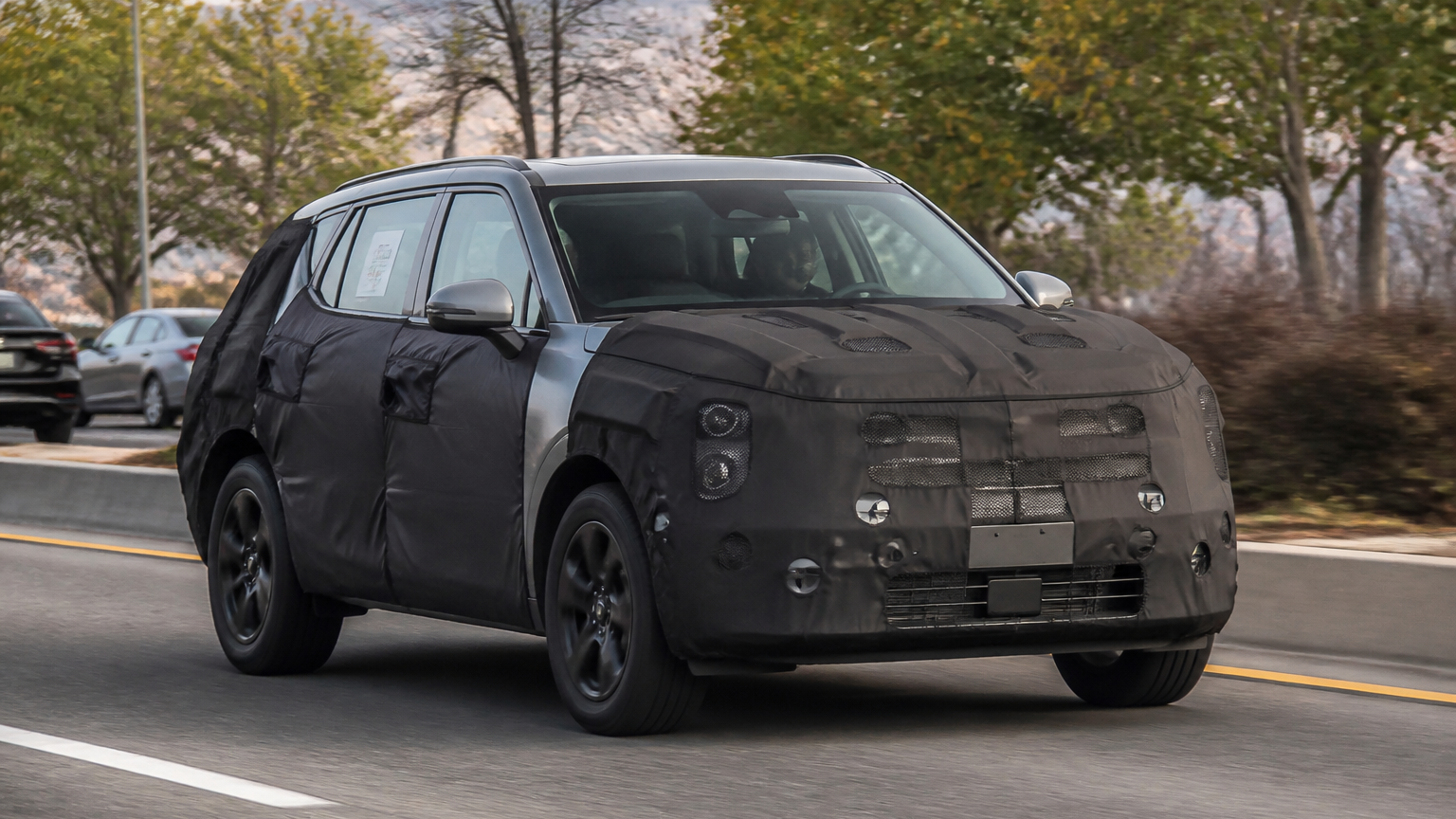
2028 Kia Sportage: Major Design Changes Spotted
Kia’s next Sportage may get a bolder, boxier redesign, with an upright profile, sharper lines, wider grille and split headlights hinted by spy shots.