Sindh Government Adds New Buses in Karachi for Better Public Transport
Sindh Government is rolling out new buses in Karachi to make daily travel safer and quicker. A meeting led by Senior Minister Sharjeel Inam Memon reviewed Red Line BRT progress and called for faster implementation to help residents.
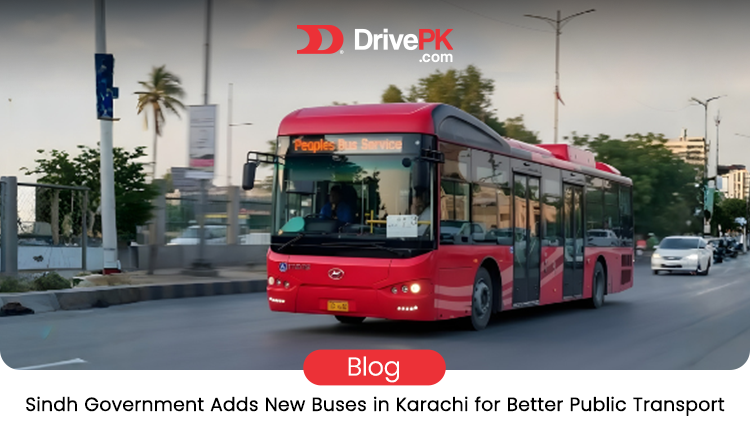
Table of Contents
- Speeding Up the Red Line BRT
- Rolling Out New Buses on Busy Routes
- Tackling Challenges During Construction
- What This Means for Karachi Residents
- Looking Ahead to a Smoother Ride
Karachi's roads are packed every day. People squeeze into old buses or rickshaws just to get to work. But things might improve soon. The Sindh Government has decided to add more new buses to the city's public transport system. This move aims to make commuting safer, faster, and easier for everyone.
The decision came from a high-level meeting at the Transport and Mass Transit Department. Senior Minister Sharjeel Inam Memon chaired it. They looked at ongoing projects, like the Red Line Bus Rapid Transit (BRT). Officials shared updates on what's done, what's stuck, and what's next.
Trans Karachi's CEO gave a briefing. He covered completed sections, current hurdles, and targets ahead. The minister seemed pleased with the progress so far. But he wants things to move quicker.
Speeding Up the Red Line BRT
The Red Line BRT is a big deal for Karachi. It promises dedicated lanes for buses, cutting through traffic jams. Right now, construction is underway in key areas. But delays happen—road closures, materials, or weather.
Sharjeel Memon told the team to pick up the pace on the corridor. "Get it done faster," he said. And during builds, they need solid plans for rerouting traffic. No one wants gridlock worsening because of this.
I've seen how BRT systems work in other cities. They shave hours off commutes. In Karachi, where heat and crowds add to the stress, this could change daily life. Imagine hopping on a clean bus that arrives on time. No more waiting in the sun.
But challenges exist. Funding, land issues, and coordination with other departments slow things. The meeting addressed these head-on. Officials promised to tackle them.
Rolling Out New Buses on Busy Routes
New buses are the quick win here. The government plans to put them on high-demand routes first. Think areas like Saddar, Gulshan, or Korangi. These spots see heavy footfall, and current options fall short.
The focus is on affordable and decent transport. Sharjeel Memon stressed this. "Citizens deserve dignity," he noted. That means air-conditioned buses, maybe with Wi-Fi or better seating. And fares that don't break the bank.
Why now?
Karachi's population keeps growing. More people mean more strain on roads. Old buses break down often, causing backups. New ones could ease that.
From what I know, similar efforts in the past brought Pink Buses for women. They helped a lot. This expansion builds on that. It targets everyone, but especially those in low-income spots.
And it's not just about adding vehicles. Maintenance matters too. The department will likely train drivers and set schedules. Reliability is key; if buses show up when promised, people will use them.
Tackling Challenges During Construction
Construction brings headaches. Digging up roads disrupts traffic. The minister directed strict alternative plans. That could mean detours, signs, or extra wardens at junctions.
In past projects, poor planning led to chaos. Drivers got frustrated, and accidents rose. This time, they aim to avoid that. Coordinate with the traffic police, inform the public via apps or radio.
Residents can help too. Follow signs, plan trips ahead. It's temporary pain for long-term gain.
The meeting also covered timelines. They want buses out soon. Targets for Red Line sections were set. Officials must report back regularly.
What This Means for Karachi Residents
For everyday folks, this is good news. Safer buses mean fewer risks on the road. Faster commutes free up time for family or rest. And convenience? That's boarding near home without hassle.
Affordability stands out. Many can't afford cars or bikes. Public transport is their lifeline. Keeping it cheap helps the economy too, as people get to jobs more easily.
But success depends on execution. Past promises sometimes fizzled. This team seems committed. Sharjeel Memon's push for speed shows urgency.
I've talked to friends in Karachi. They complain about packed minibuses and long waits. New options could win them over. Switch from private vehicles, cut pollution.
The government should share updates. Use social media or billboards. Let people know routes and timelines.
Looking Ahead to a Smoother Ride
Overall, this step forward makes sense. Karachi needs modern transport. The Red Line BRT, once done, will connect key areas. New buses fill the gap meanwhile.
Challenges like funding or delays might pop up. But with clear directives, progress looks likely.
If you're in Karachi, keep an eye on announcements. Maybe try a new bus route soon. It could make your day easier.
In the end, better transport lifts the whole city. Safer streets, happier people. That's the goal.
And who knows? This could inspire more improvements, like electric buses or expanded lines. For more updates, visit DrivePK.com
Tags
Share this article
About the Author

Najeeb Khan
Automotive enthusiast and writer
Comments (0)
Login Required
You need to be logged in to comment on this article.
No comments yet. Be the first to share your thoughts!
Related Articles
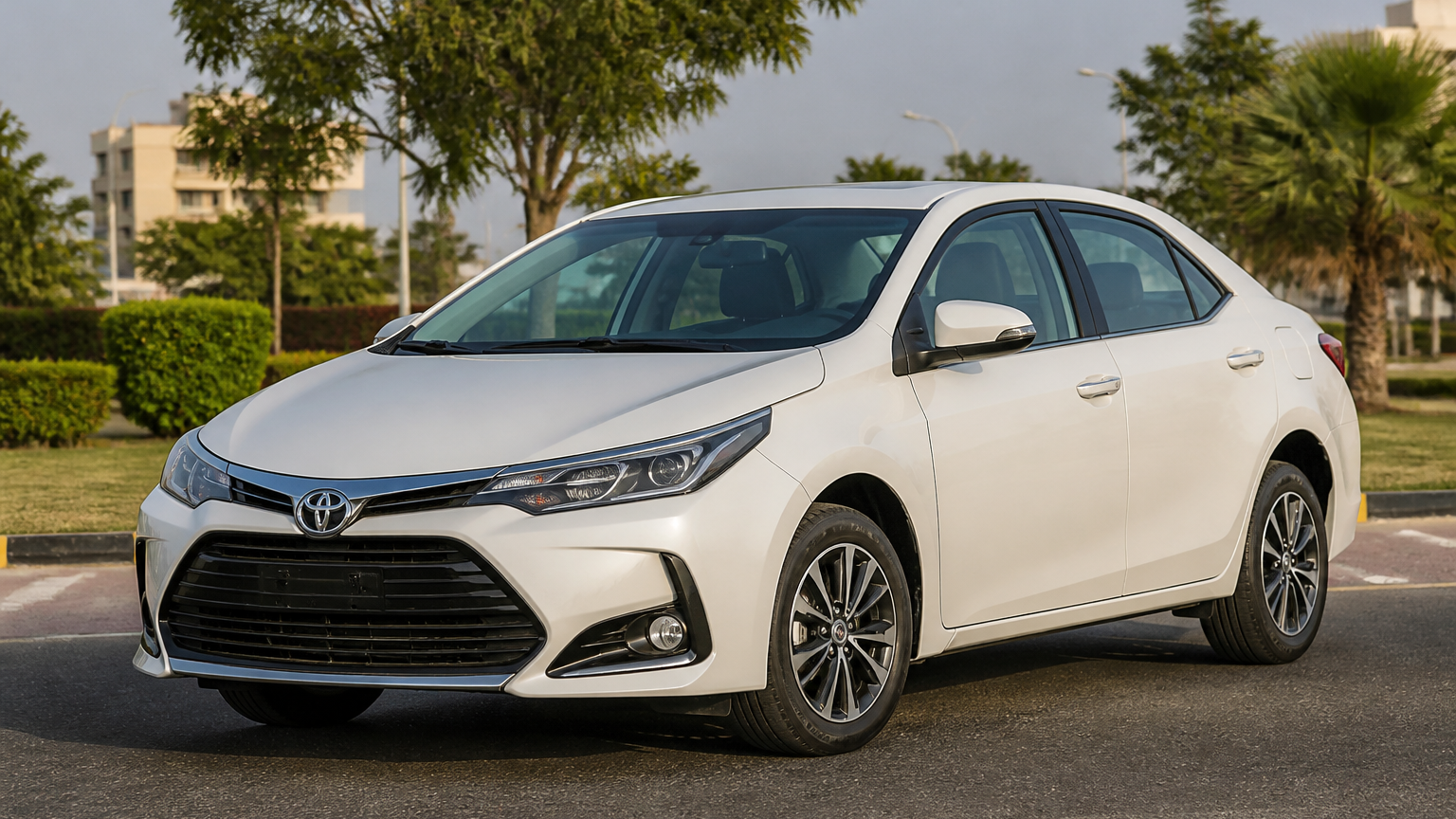
Toyota Corolla Discontinued Before Pakistan Facelift
Pakistan’s pre-facelift Toyota Corolla is reportedly discontinued, hinting at a facelift. Prices, bookings, specs and launch timing remain unconfirmed.
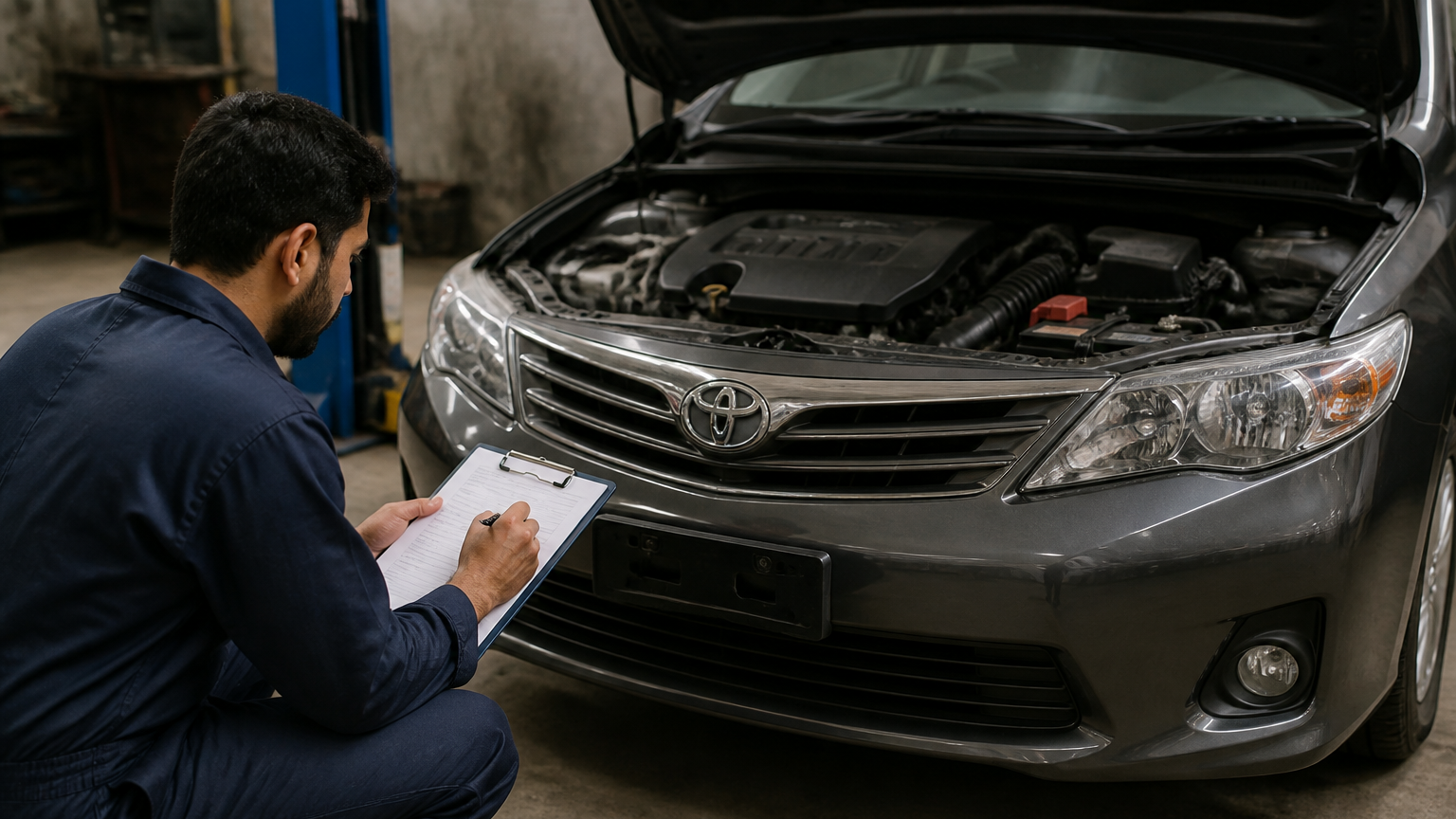
DrivePK Car Inspection Reports: Buy with Confidence
Buying a used car in Pakistan? A pre-purchase inspection can reveal hidden damage, engine issues and red flags before you pay—but it’s not enough alone.
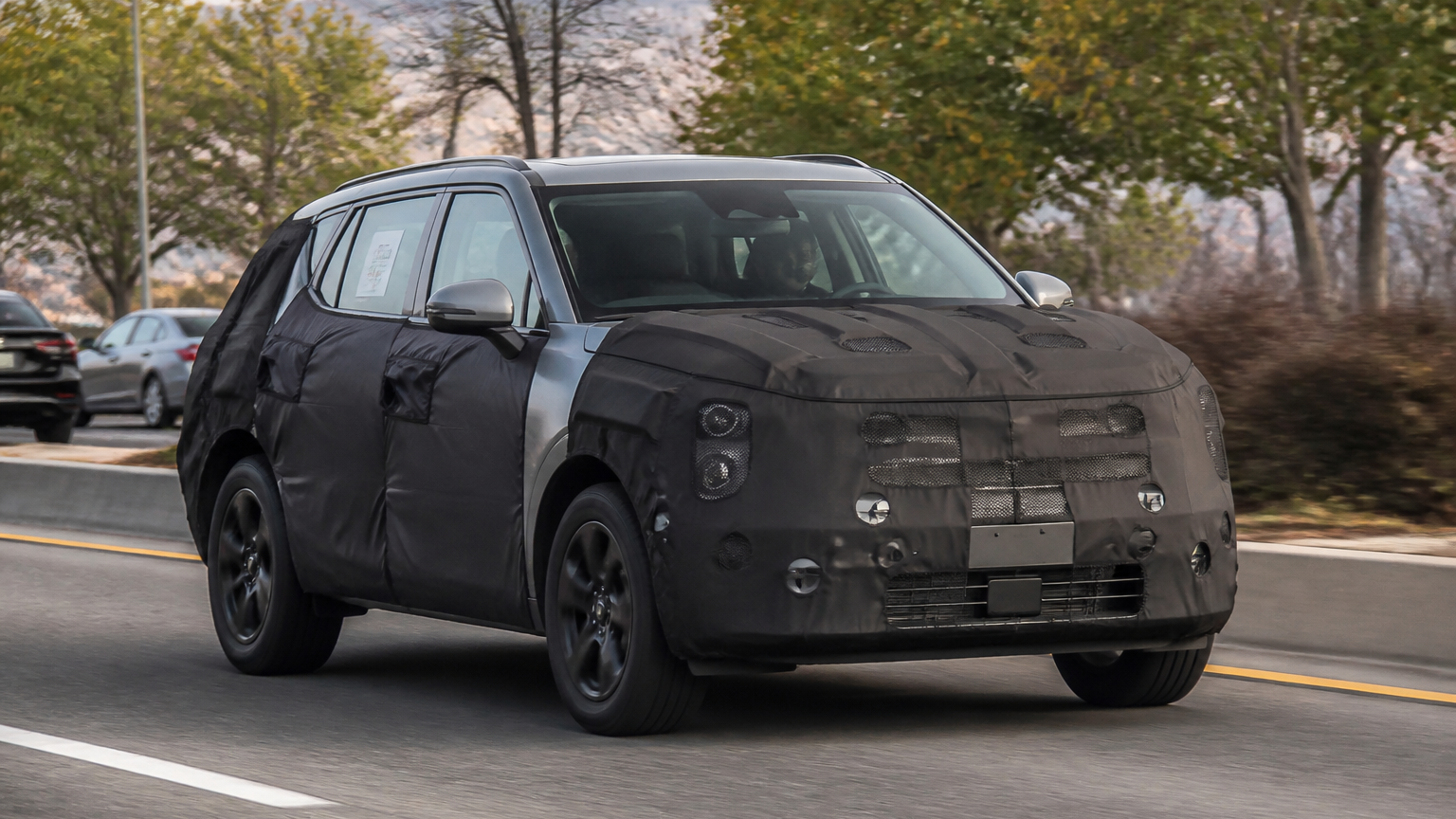
2028 Kia Sportage: Major Design Changes Spotted
Kia’s next Sportage may get a bolder, boxier redesign, with an upright profile, sharper lines, wider grille and split headlights hinted by spy shots.