M-Tag Deadline for Motorcycles in Islamabad Extended to March 5, 2026 – Key Details
Islamabad has pushed the M-Tag deadline for motorcycles to March 5, 2026, to help riders comply before Ramadan. Over 8,900 bikes are tagged so far, with centers running extended hours. Enforcement starts soon—get details on locations and process to avoid penalties.
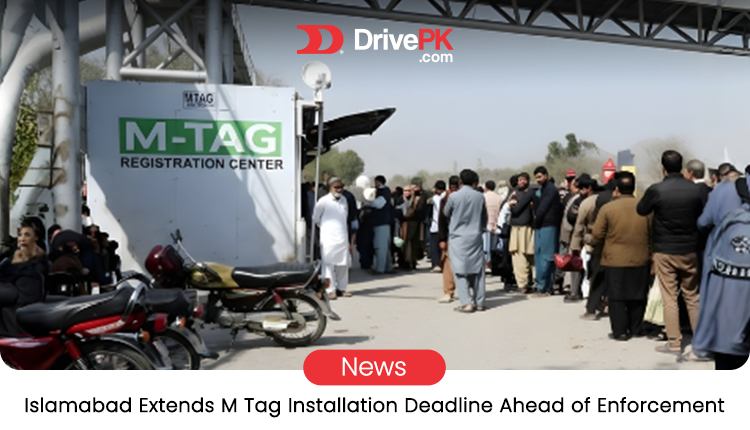
Table of Contents
- What Exactly Is an M-Tag?
- Reasons for the Extension
- Where to Get Your M-Tag Installed
- How This Affects Riders and the City
- Steps to Install Your M-Tag
- Broader Impact on Pakistan's Roads
- Final Thoughts
Riders in Islamabad got some extra time. The deadline to install M-Tags on motorcycles moved to March 5, 2026. This comes from the Excise and Taxation Department. They want to make it easier for people, especially with Ramadan starting soon. Officials say it's about boosting compliance without rushing everyone.
Enforcement kicks in after that date. No more bikes on roads without tags. They'll stop you, maybe seize the motorcycle, and hand it over to police. It's strict, but the extension shows they're trying to help. So far, 8,928 motorcycles have tags. That's up by 2,069 in just one day recently. For all vehicles, over 238,000 tags are out there.
This isn't random. M-Tags help track vehicles better. They cut down on crime and make traffic smoother. In a city like Islamabad, with busy roads and security needs, it's a step forward. But for everyday riders, it's one more thing to handle.
And with the user base in nearby areas like Rawalpindi, many cross into Islamabad daily. This rule affects commuters, too. If you ride between cities, plan ahead.
What Exactly Is an M-Tag?
M-Tag stands for Motorway Tag, but in Islamabad, it's more than tolls. It's an electronic sticker on your vehicle or bike. It uses RFID tech to identify you quickly. Think of it as a digital ID for your ride.
For motorcycles, it's phase two of the program. Cars got it first. Now bikes must have it. The goal? Better security. Police can spot stolen bikes faster. It helps with toll collection on highways, too. No stopping at booths, just drive through.
In Pakistan, motorways like M1 and M2 use it already. But Islamabad made it city-wide. It's mandatory for all registered vehicles. Without it, you risk fines or worse. Cost is low—around Rs 250. You need your CNIC, registration papers, and the bike itself.
Installation is simple. They stick it on the headlight or fork. But some riders worry about damage. Officials say it's safe if done right.
Reasons for the Extension
The original cutoff was February 28. Enforcement was set for March 1. But lines got long. People rushed in at the last minute. With Ramadan approaching, crowds would spike.
The department stepped in. Director General Irfan Memon announced the shift. It's to ease pressure and get more people on board. No further delays, though. March 5 is final.
This ties into broader goals. Islamabad wants a tagged fleet for better monitoring. It aids crime prevention and traffic flow. In a growing city, these tools matter.
Public response picked up. That daily jump in installations shows people are listening. But with thousands of bikes out there, many still need to act.
Where to Get Your M-Tag Installed
Centers are spread out. They've ramped up to handle the rush. Some run 24 hours, others have longer shifts.
Round-the-clock spots: 26 Number Toll Plaza in Sector 26 and Phulgran Toll Plaza. Perfect for night owls or shift workers.
12-hour operations from 9 am to 9 pm: F-9 Park, Police Check Post in G-14, Rawat T-Chowk. These see heavy footfall.
8-hour shifts from 9 am to 5 pm: Gulberg Greens, Faizabad Interchange, Malpur, Wheat Godown near Sabzi Mandi Police Station, Daman-e-Koh on Murree Road, Tulip Hotel, Ninth Avenue, Margalla Avenue.
More locations include M1 and M2 Toll Plaza exits, Metro Cash & Carry in I-11, ETO in H-9, Gol Market in F-7, Parade Ground, Kachnar Park in I-8, Tarlai CFC, Lake View Park, and Soan Gardens.
They added staff and counters. Info desks guide you. Bring originals no copies. And your bike, since they install on-site.
If you're in Rawalpindi, Faizabad, or Rawat are close. Easy trip over.
How This Affects Riders and the City
For riders, it's a hassle at first. Stand in line, pay the fee, get the tag. But long-term, it speeds things up. No manual checks at checkpoints. Tolls go faster.
Security boosts are big. Stolen bikes get traced more easily. Crime drops when vehicles are trackable. Traffic data helps plan roads better.
Downsides? Privacy concerns. Some feel it's too much monitoring. And for low-income riders, even Rs 250 adds up. Plus, if your bike's old, installation might not stick well.
City-wide, it's progress. Islamabad aims for smart city status. Tags fit that. With over 238,000 vehicles done, momentum builds.
During Ramadan, fewer worries. People can focus on fasting, not deadlines.
Steps to Install Your M-Tag
First, gather the documents: CNIC, registration book or smart card, and bike with plates.
Pick a center. Check for crowds early mornings or late nights at 24-hour spots.
At the counter, fill out a form. Pay Rs 250. They scan and stick the tag.
Test it. Done in minutes if no queue.
Officials urge cooperation. Avoid the last day, March 5 will be packed.
If you miss it, face stops and seizures. Not worth it.
Broader Impact on Pakistan's Roads
This isn't just Islamabad. Motorways nationwide use M-Tags. Lahore and other cities might follow.
It ties into national highway plans. One Network handles it. They push for cashless tolls.
Benefits: Less congestion, accurate billing, and data for planning.
Challenges: Tech glitches, awareness gaps. Rural riders might struggle.
But overall, it's modernizing. Pakistan's roads get safer and more efficient.
Final Thoughts
March 5 is close. If you ride in Islamabad, act now. Centers are ready, extension helps.
This rule improves safety and flow. Cooperate, and it goes smoothly.
Stay updated check official sites or news. Safe riding. For more updates, visit DrivePK.com
Tags
Share this article
About the Author

Najeeb Khan
Automotive enthusiast and writer
Comments (0)
Login Required
You need to be logged in to comment on this article.
No comments yet. Be the first to share your thoughts!
Related Articles
DrivePK Car Inspection Report: Buy Used Cars Safely
Buying a used car in Pakistan? A DrivePK inspection report reveals hidden faults, supports smarter negotiations, and helps you avoid costly mistakes.
Rawalpindi to Impound Smoke-Emitting Vehicles
Rawalpindi Traffic Police is gearing up for a citywide crackdown on smoke-belching vehicles, with inspections, fines and delays for commuters.
Toyota Corolla Discontinued Before Pakistan Facelift
Pakistan’s pre-facelift Toyota Corolla is reportedly discontinued, hinting at a facelift. Prices, bookings, specs and launch timing remain unconfirmed.