Sindh Government Rolls Out Fuel Subsidy to Keep Transport Fares Steady
Sindh has rolled out a targeted fuel subsidy worth Rs1.72 billion per month to keep public transport fares steady despite rising petrol and diesel prices. Over 10,000 buses, vans, and coaches will get monthly support if they do not increase charges. The move aims to help 57 million passengers monthly with an average relief of Rs38 per ride. Registered bike owners will also receive Rs2,000.
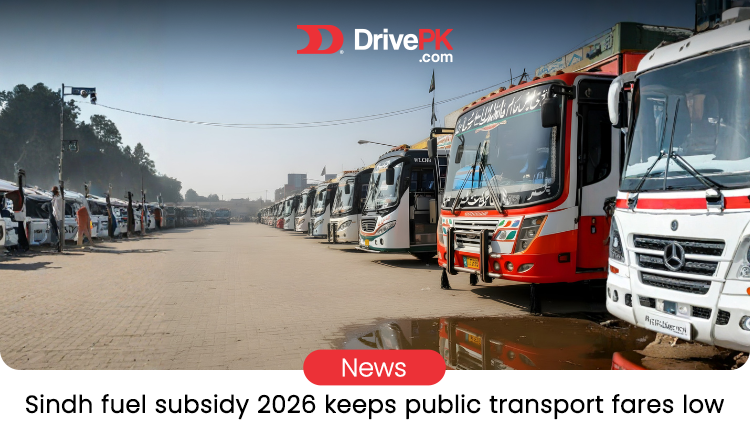
Table of Contents
- How the Subsidy Works for Public Transport
- Relief for Motorcycle Owners
- Why This Matters Right Now
- Challenges and What Comes Next
- A Practical Step Toward Relief
Karachi, April 2026. Rising fuel prices have put pressure on transporters and commuters across Pakistan. In Sindh, the provincial government has stepped in with a clear plan. Chief Minister Syed Murad Ali Shah announced a targeted fuel subsidy programme that gives direct support to public transport operators. The goal is simple: stop fares from going up and ease the burden on ordinary people.
The package costs about Rs1.72 billion every month. It covers more than 9,000 intra-city vehicles and around 1,100 inter-city ones. Together, these vehicles serve nearly 57 million passengers each month. Officials say the average relief works out to roughly Rs38 per passenger.
This is not open-ended help. Transporters must follow government rules and promise not to raise fares. If they do, they lose the support.
How the Subsidy Works for Public Transport
The programme focuses on intra-city and inter-city services. Buses, minibuses, coaches, wagons, and pickups all qualify.
For many vehicles, the monthly support reaches up to Rs240,000 when both federal and provincial shares combine. Smaller vans and pickups get between Rs50,000 and Rs100,000. Goods transporters also receive help Rs70,000 for smaller trucks and Rs80,000 for larger ones. Inter-city routes have slabs based on distance, with some long-haul buses eligible for higher amounts.
The key condition stays the same everywhere: keep fares at current levels. Transporters have given undertakings to the government. The Sindh Transport Department is talking with stakeholders to make sure everyone sticks to the deal. School vans also fall under this relief to protect students from extra costs.
A fully digital system will handle everything. Registration, verification, and payments will go through an app-based platform. This aims to cut red tape and bring transparency so money reaches the right operators without delay.
Relief for Motorcycle Owners
The subsidy does not stop at big vehicles. Registered motorcycle owners across Sindh will get Rs2,000 per month as fuel support.
This helps millions of daily commuters who rely on bikes for work, school runs, or family errands. The Excise and Taxation Department has already launched an online portal for applications. Bike owners need to check that the vehicle is registered in their own name using their CNIC. Payments are expected to start soon, possibly by mid-April.
A mobile app is also in the works to make the process even easier. This direct cash relief gives bike riders a buffer against sharp petrol price hikes.
Why This Matters Right Now
Fuel prices have climbed again due to global trends and regional tensions. Without support, transporters would pass the extra cost to passengers. That would hit low-income families hardest the same people who depend on buses, vans, and wagons for daily travel.
By stepping in, the Sindh government wants to keep the transit system running smoothly. It also hopes to discourage more people from switching to private vehicles, which would add to traffic and pollution in cities like Karachi, Hyderabad, and Sukkur.
Commuters in Karachi’s busy routes, students heading to colleges, and workers travelling between cities all stand to benefit if fares stay stable. The average Rs38 relief per passenger may sound small, but over 57 million rides a month it adds up to real savings for families already managing tight budgets.
Challenges and What Comes Next
Success depends on strict compliance. If some operators still raise fares secretly, the whole effort loses impact. The digital system should help track this, but ground-level monitoring will matter too.
Transporters have cooperated so far. Many understand that stable fares keep more passengers using public transport, which benefits their business in the long run.
For the government, the monthly bill of Rs1.72–2.2 billion is significant. They will need to monitor fuel prices closely and adjust if global rates keep shifting. Coordination with the federal government also plays a role since part of the subsidy comes from there.
A Practical Step Toward Relief
This targeted approach differs from blanket subsidies that sometimes waste public money. Here, help goes only to those who actually provide transport services and agree to protect passengers.
People in Sindh have seen fuel price shocks before. Each time, fares go up and daily life gets harder. This time, the province is trying something more focused.
If the digital system works well and transporters honour their word, commuters should notice steady fares in the coming weeks. Bike riders will get their Rs2,000 directly. And the broader transport network can keep moving without sudden shocks.
The real test will come in the next few months. Will fares actually stay the same? Will the money reach operators on time? Will ordinary passengers feel the difference in their pockets?
For now, the announcement brings some hope. In a province where millions depend on affordable rides every single day, keeping transport costs in check is no small thing.
Tags
Share this article
About the Author

Najeeb Khan
Automotive enthusiast and writer
Comments (0)
Login Required
You need to be logged in to comment on this article.
No comments yet. Be the first to share your thoughts!
Related Articles
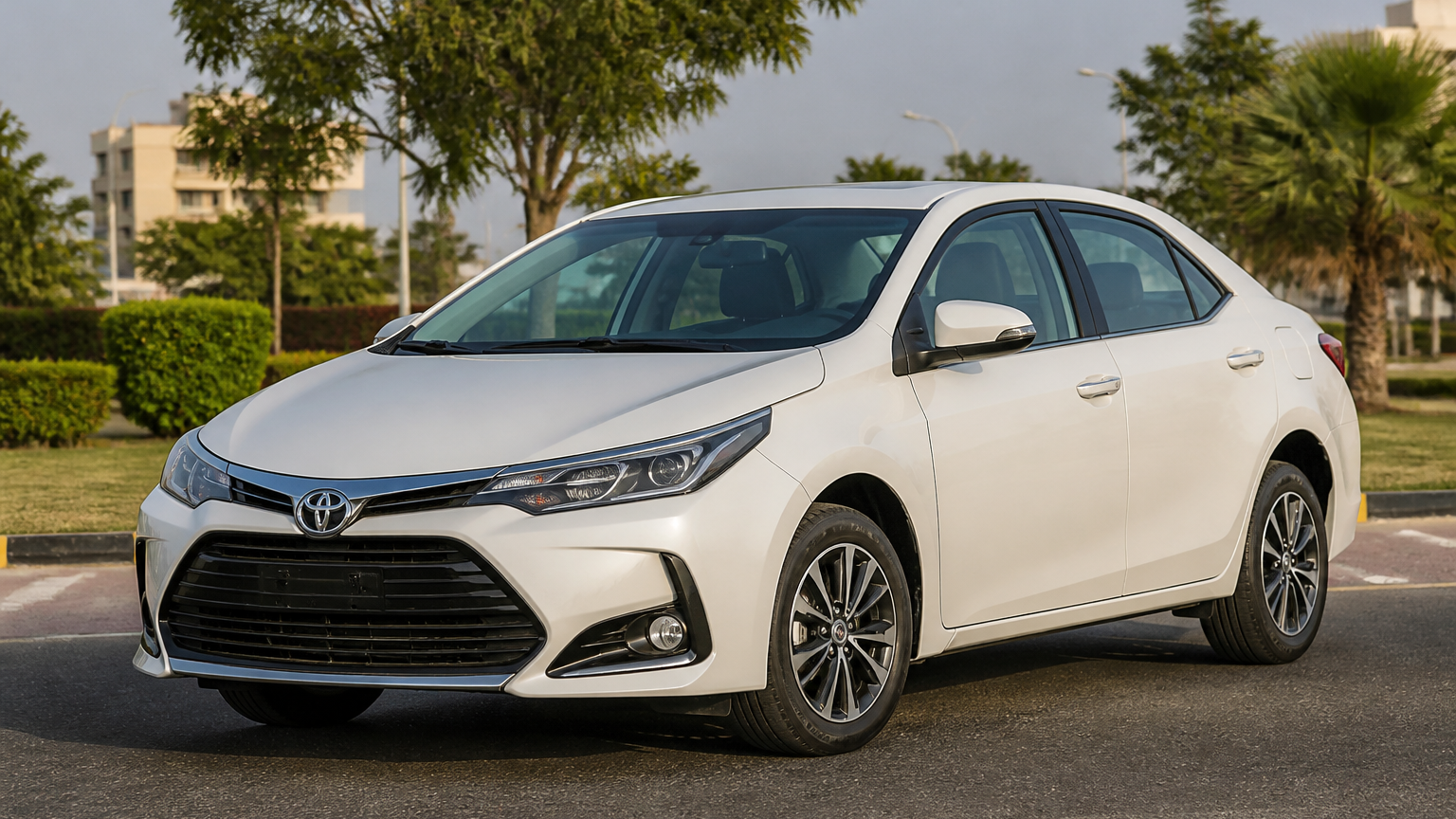
Toyota Corolla Discontinued Before Pakistan Facelift
Pakistan’s pre-facelift Toyota Corolla is reportedly discontinued, hinting at a facelift. Prices, bookings, specs and launch timing remain unconfirmed.
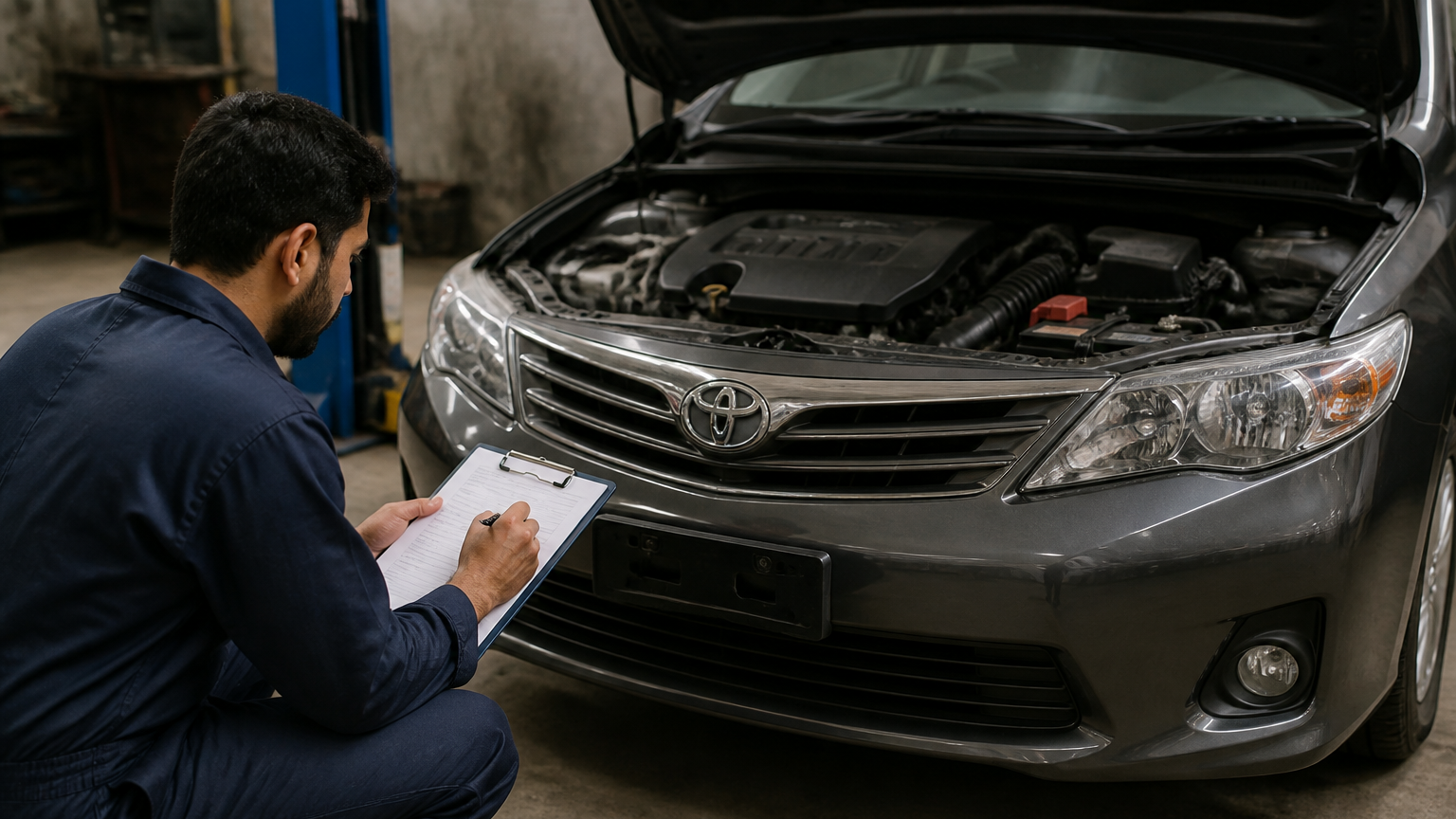
DrivePK Car Inspection Reports: Buy with Confidence
Buying a used car in Pakistan? A pre-purchase inspection can reveal hidden damage, engine issues and red flags before you pay—but it’s not enough alone.
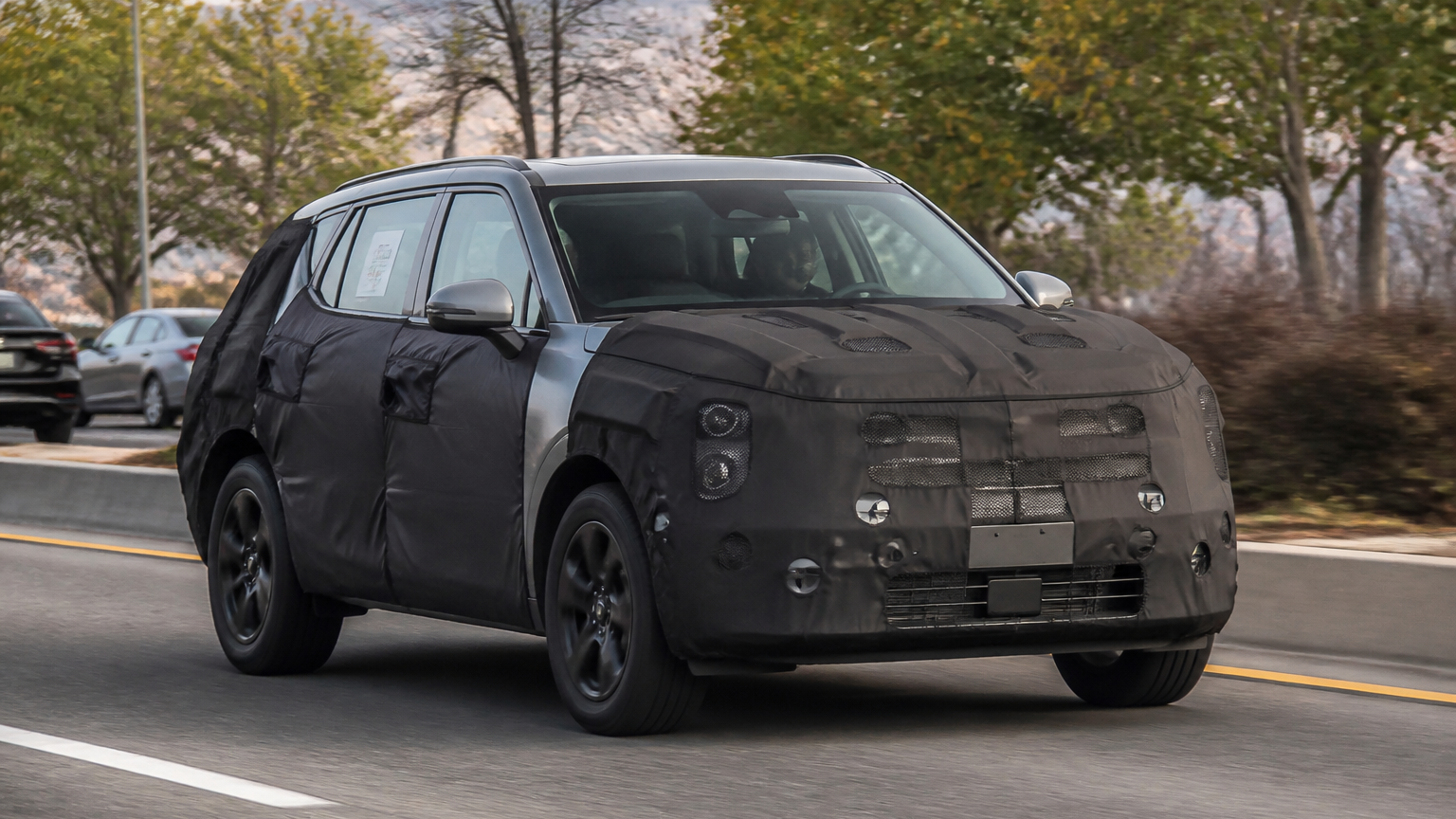
2028 Kia Sportage: Major Design Changes Spotted
Kia’s next Sportage may get a bolder, boxier redesign, with an upright profile, sharper lines, wider grille and split headlights hinted by spy shots.