Sindh Government to Shift Official Vehicles to EVs
Sindh will prioritise EVs in future government purchases, but numbers, models, charging plans and costs remain unclear.
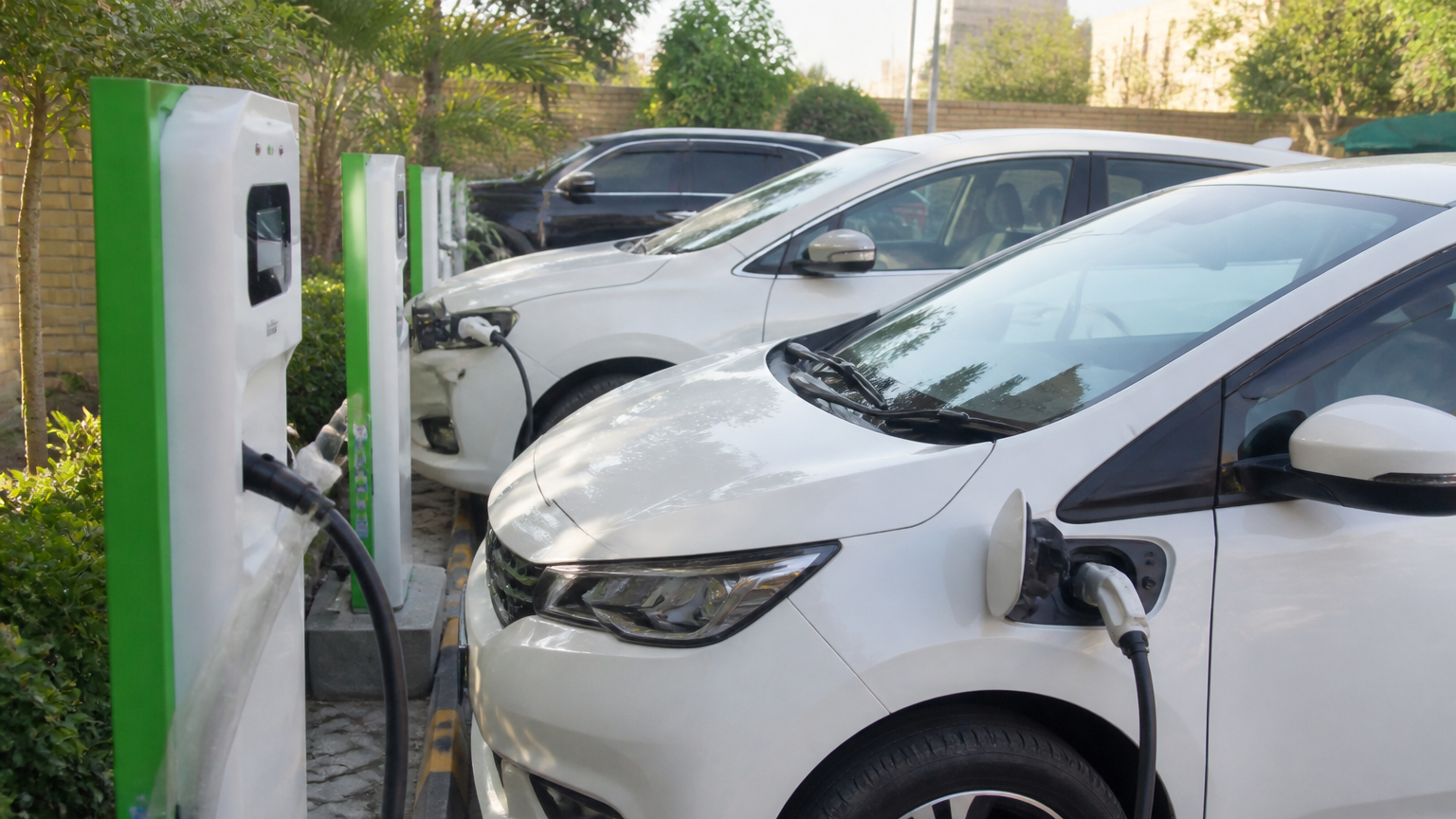
Table of Contents
- What the Sindh government announced about EVs
- Which departments had vehicle purchases approved?
- Why this matters for public spending
- What is still missing
- Conclusion
- Explore DrivePK services
Sindh’s government is not replacing every official car overnight. What it has announced is a phased move to prioritise electric vehicles in future departmental purchases, after a meeting of the Sindh Cabinet Committee on Austerity chaired by Senior Minister Sharjeel Inam Memon on November 13, 2026. The catch is simple: there’s no public detail yet on how many EVs will be bought, which models will be picked, where they’ll be charged, or how much the move will cost.
What the Sindh government announced about EVs
The clearest point is this: future vehicle purchases for Sindh government departments are expected to give electric vehicles priority, not a blanket promise to swap out the whole fleet at once. That distinction matters because a policy direction is not the same thing as a full procurement programme.
The meeting, which reviewed government spending, fuel savings and department vehicle needs, was tied to a push to save public money and cut fuel use. The reported announcement also linked the shift to environmental goals, which fits Pakistan’s wider EV push. If you want the bigger national picture, our guide on Electric Vehicles in Pakistan: The Complete Guide 2026 explains how the country’s EV policy is taking shape.
But for now, this is still a policy signal. It does not prove that every new government vehicle will be electric, and it does not say when the first purchase will happen.
Which departments had vehicle purchases approved?
The meeting also approved vehicle purchases for three areas:
- Home Department Sindh
- Anti-Corruption Establishment Sindh
- universities and boards in Sindh
- the number of EVs to be bought
That sounds like action on the ground, but the evidence does not say how many vehicles each department will get. It also does not confirm whether those approved vehicles will all be EVs.
So readers should be careful here. The government has approved vehicle needs for some departments, and it has also said EVs will be prioritised in future purchases. Those are related, but not the same thing.
Why this matters for public spending
This is where the story gets interesting for taxpayers. Every litre of fuel used by a government fleet is public money, so an EV shift could lower running costs if the vehicles are used in the right way.
But that saving is not automatic.
A government car may cost more to buy upfront and still be cheaper to run later. Whether that happens depends on the purchase price, yearly distance, electricity rates, charging losses, and maintenance costs. Without official numbers, no one should pretend to know the final savings.
That’s also why charging matters so much. A fleet with home-base parking and fixed daily routes is easier to electrify than one doing long, unpredictable trips. If you want a simple explainer on the basics, What Are Electric Vehicles and How Do They Work? is a useful background read.
What is still missing
This is the part readers should keep an eye on. Right now, the announcement leaves out the details that would tell us whether the policy can actually work:
- department-wise allocations
- brands, models and body types
- budget and funding source
- charging locations and charger plans
- whether EVs are required or only preferred
- delivery timeline
- maintenance and battery replacement plans
Until those details appear, this should be treated as an early policy direction, not a completed fleet conversion.
Conclusion
Sindh’s announcement is important, but it is still only the first step. It shows a preference for EVs in future government purchases, yet it does not confirm a full switch, a spending plan, or the charging setup needed to support the fleet.
For Pakistani readers, the real test will be transparency. If the government publishes tenders, model names, quantities and charger plans, we’ll be able to judge whether the move can truly save fuel money and cut emissions.
Explore DrivePK services
Buying or selling a vehicle? Explore DrivePK services, including car inspection, Sell It For Me and Featured Listings, and choose the option that fits your needs.
For more updates, visit DrivePK.com
Tags
Share this article
About the Author
Dr Khan
Automotive Expert & Content Strategist
Comments (0)
Login Required
You need to be logged in to comment on this article.
No comments yet. Be the first to share your thoughts!
Related Articles
سندھ حکومت مستقبل کی گاڑیوں کی خریداری میں الیکٹرک گاڑیوں کو ترجیح دے گی
سندھ آئندہ حکومتی خریداریوں میں ایندھن کے اخراجات اور آلودگی کم کرنے کے لیے الیکٹرک گاڑیوں کو ترجیح دے گا؛ موجودہ پٹرول فلیٹ بدستور سروس میں رہے گا۔
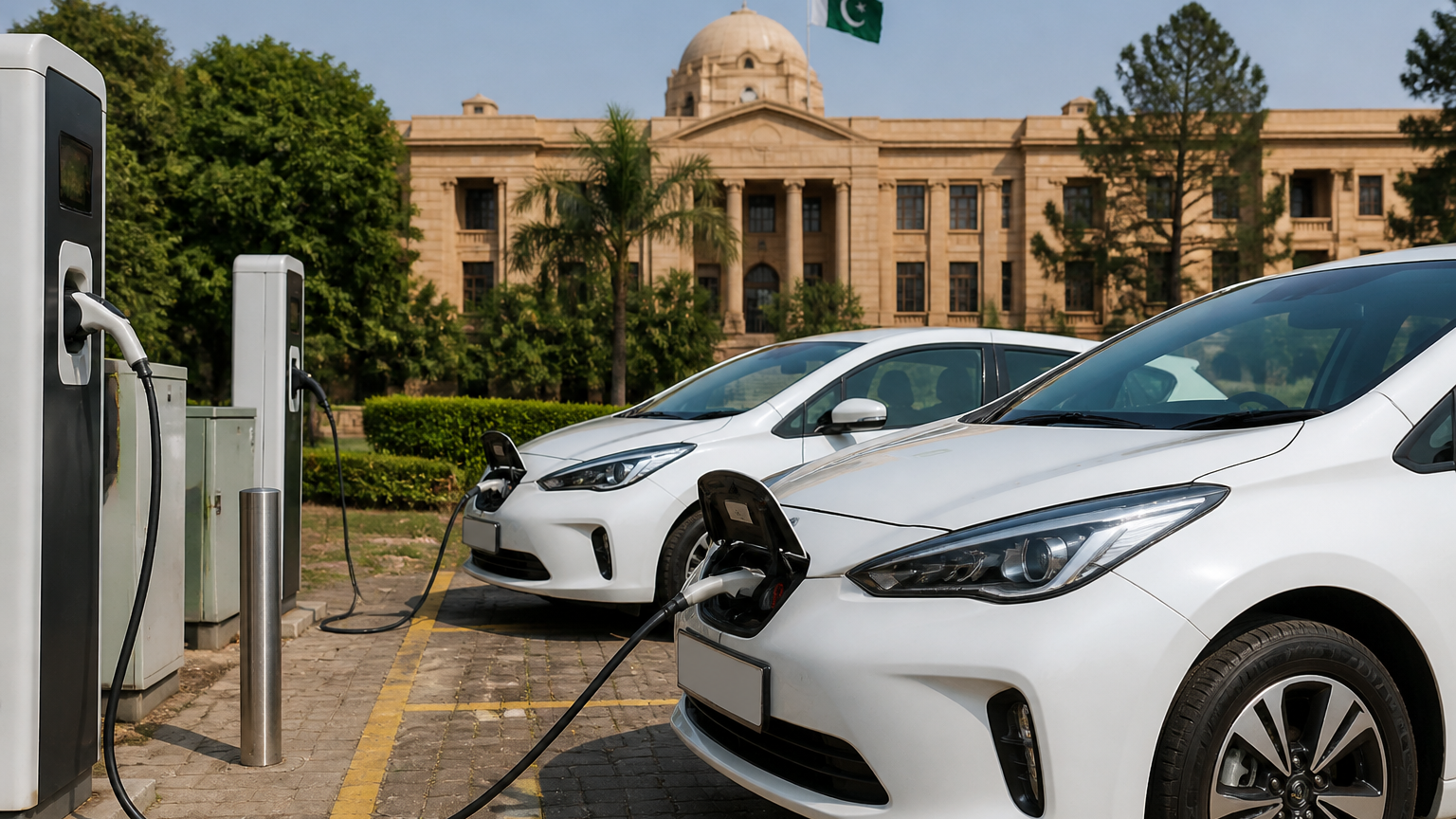
Sindh Govt to Prefer EVs for Future Vehicle Purchases
Sindh will prioritize electric vehicles in future government purchases to cut fuel costs and pollution; its existing petrol fleet stays in service.
BYD Fang Cheng Bao Ti 9 PHEV کی 9 منٹ میں چارجنگ
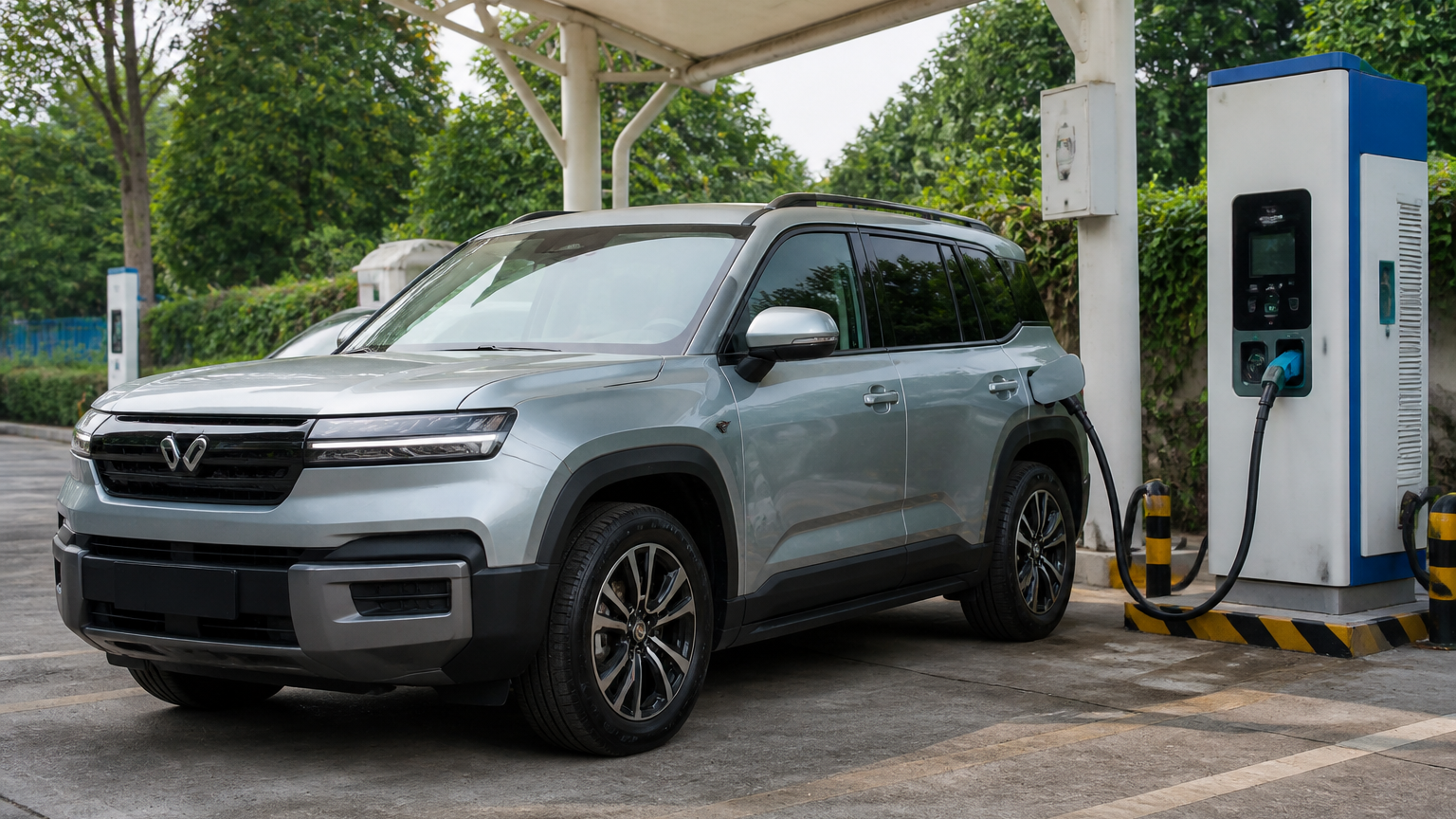
BYD کی Fang Cheng Bao Ti 9 کے بارے میں دعویٰ ہے کہ یہ 10% سے 97% تک صرف نو منٹ میں چارج ہو جاتی ہے—لیکن جب تک باضابطہ ثبوت نہ ہو، پاکستانی خریداروں کو محتاط رہنا چاہیے۔