Sindh Makes Driving Training Mandatory for New Licenses
The Sindh government has approved a new rule making pre-license driving training compulsory. No licenses without training. Plans include establishing schools to train 100,000 drivers over five years. This targets better road safety and jobs abroad for youth.
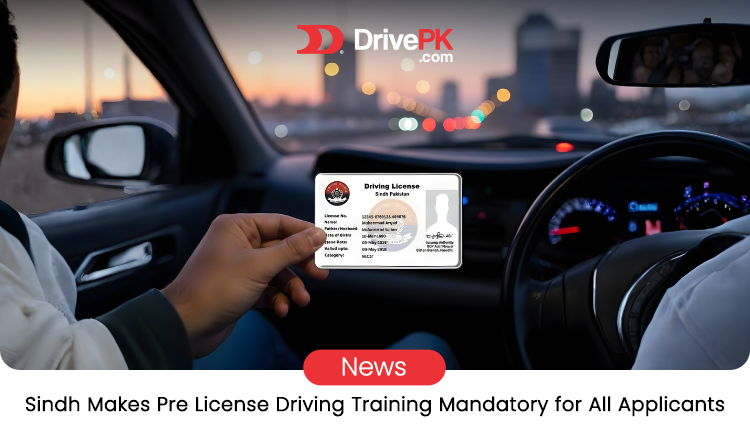
Table of Contents
- What the Policy Means for You
- Why Focus on Road Safety?
- Job Chances for Young People
- Other Projects on the Table
- Speeding Up Marble City Karachi
- Wrapping It Up: A Step Forward
Driving in Pakistan can be chaotic. Roads are busy, and accidents happen too often. But things might change in Sindh. The government just made a big decision. Now, anyone who wants a driving license must complete training first. No shortcuts.
This came from the 50th meeting of the Public-Private Partnership Policy Board. Syed Murad Ali Shah chaired it. They approved the plan. It means better-prepared drivers on the roads.
What the Policy Means for You
If you're applying for a license in Sindh, get ready for classes. The rule applies to everyone. Light vehicle or heavy vehicle, same thing. You finish training, then you get your license.
The government plans to set up training schools across the province. These will handle both LTV and HTV drivers. LTV is for cars and bikes. HTV covers trucks and buses.
The goal? Train and license 100,000 people in five years. That's a lot. It shows they're serious about this.
And it's not just local. The training follows international standards. That could help young people find jobs overseas. Places like the Middle East need skilled drivers.
Why Focus on Road Safety?
Road accidents kill thousands in Pakistan every year. Many from bad driving. No proper training leads to mistakes. Speeding, wrong turns, ignoring signals.
This new rule tackles that head-on. Trained drivers know the rules. They handle vehicles better. Fewer crashes mean safer streets for everyone.
Think about it. Families lose loved ones in wrecks. Hospitals fill up. The economy suffers from lost workdays. Better training could cut all that.
But it's not overnight. Building schools takes time. Running programs needs money and staff. The public-private partnership helps here. Government teams up with private groups. They share costs and skills.
Job Chances for Young People
Sindh has many young folks looking for work. Driving skills open doors. Especially abroad. Countries like Saudi Arabia and UAE hire drivers. But they want proof of training.
This initiative gives that. Standardized courses mean certificates that count worldwide. A young person from Karachi or Hyderabad could land a job in Dubai.
At home too. Trained drivers get better pay. Companies prefer them for safety reasons. Trucks, delivery vans, taxis – all need reliable people behind the wheel.
And it's inclusive. Anyone can apply. No age limits mentioned, but focus on youth makes sense. They have energy and time to learn.
Other Projects on the Table
The meeting wasn't just about driving. They approved stuff in education. Like new schools or upgrades. Details aren't out yet, but it's good news.
Transport got a nod too. Maybe better buses or roads. Environmental projects aim to protect nature. Tourism could boost with eco-friendly spots.
Forest protection is key. Sindh has mangroves and woodlands. Saving them fights climate change. Less flooding, more wildlife.
All these tie into bigger goals. Sustainable growth. Jobs. Safety.
Speeding Up Marble City Karachi
One more thing from the meeting. The Marble City project in Karachi. It's been slow. Now, orders to hurry it up.
What is it? A hub for marble and granite work. Factories, showrooms, exports. It could create thousands of jobs. Boost trade.
Why the push? Delays cost money. A faster finish means quicker benefits. Workers get employed. Businesses grow.
Sindh leads in marble resources. This city puts them on the map. International buyers might come.
Wrapping It Up: A Step Forward
This driving policy is smart. It fixes a real problem. Safer roads save lives. Trained youth find work. Other projects add to progress.
But success depends on action. Build those schools fast. Make training affordable. Track results.
If done right, Sindh sets an example. Other provinces might follow. Pakistan needs this.
Watch for updates. If you're in Sindh and need a license, start looking for training spots soon.
Roads won't fix themselves. But better drivers help. For more updates, visit DrivePK.com
Tags
Share this article
About the Author

Najeeb Khan
Automotive enthusiast and writer
Comments (0)
Login Required
You need to be logged in to comment on this article.
No comments yet. Be the first to share your thoughts!
Related Articles
Rawalpindi Ring Road Opening Delayed by Toll Plaza Work
Rawalpindi Ring Road is structurally complete, but toll plazas and e-toll systems remain unfinished—delaying opening, toll rates and traffic relief.
Islamabad Blockades Delay Karachi Freight Before PTI Protest
PTI’s Oct. 4 march may delay northbound freight from Karachi, affecting car parts, tyres and workshop supplies—but the scale remains unclear.
Oil Prices Near $100: Impact on Pakistan
Brent nears $100 after a sharp swing linked to China’s fuel-export curbs—but Pakistan’s petrol and diesel prices remain unchanged for now.