Sindh Police’s Rs 1.4 Billion S4 Surveillance System: Why It Failed to Stop Vehicle Crime in Karachi
The Rs 1.4 billion S4 system was supposed to slash vehicle crime in Karachi with advanced cameras and real-time tracking. Instead, car recoveries fell from 834 in 2023 to 618 in 2025, while motorcycle recoveries dropped from 4,715 to 1,631. Snatching cases rose in key years despite the investment. Here’s what the numbers really show and why the system fell short.
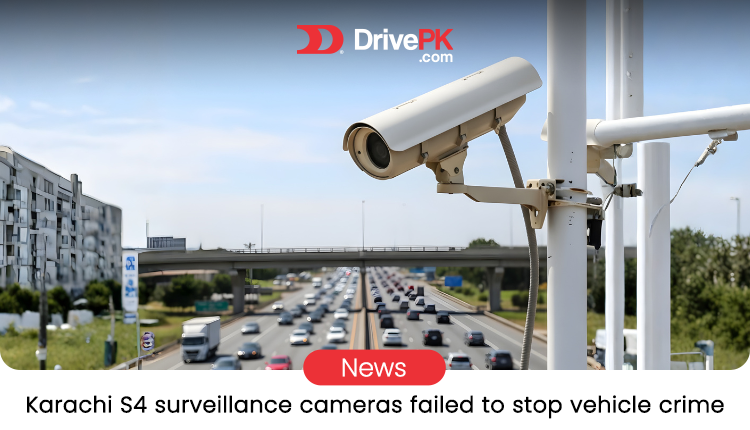
Table of Contents
- What the S4 System Promised
- The Numbers After Launch Tell a Different Story
- Why Did the System Fall Short?
- How This Affects People in Karachi
- What Other Cities Have Learned
- Recent Moves and What Comes Next
- The Bigger Picture
Karachi residents hoped the new cameras would finally cut down on stolen cars and bikes. The Sindh Police launched the Smart Surveillance System, known as S4, back in August 2023. It cost more than Rs 1.4 billion. Officials said it would track number plates and faces at key points across the city. Yet three years later, the numbers show it did not deliver the results people expected.
The system put up about 40 cameras at entry and exit points around Sindh, with 18 of them in Karachi. Each camera is linked to the central command room at the Central Police Office. The idea was simple: spot stolen vehicles in real time and help police act fast. But vehicle snatching and theft kept happening. In some cases, things even got worse. Recovery rates for stolen cars and motorcycles dropped sharply. And that has left many asking what went wrong with this big-ticket project.
What the S4 System Promised
When the project started, the pitch was clear. The cameras would use automatic number plate recognition and facial detection. Feeds would go straight to the command centre. Police could identify stolen rides the moment they passed a toll plaza or main road. The goal was to reduce vehicle crime in Karachi, where cars and bikes get snatched or stolen every day.
Before the launch, between September 2022 and August 2023, Karachi saw 2,042 car theft cases and 219 car snatching incidents. Motorcycle theft stood at 53,357 cases, with another 6,014 snatchings. The system was meant to change those numbers. It was supposed to make streets safer and give the Anti-Vehicle Lifting Cell a real edge.
The Numbers After Launch Tell a Different Story
Once the cameras went live, the data did not match the promises. In the first four months after initial installations, Karachi recorded 809 car theft and snatching incidents combined. Motorcycle cases hit 20,113 in the same short period.
Full-year figures for 2024 showed some movement, but not the drop everyone wanted. Car theft fell to 1,702 cases, yet car snatching rose to 283. Motorcycle theft dipped to 41,858, but snatching jumped to 8,204. By 2025, car theft climbed again to 1,859, while snatching reached 309. Motorcycle theft eased to 38,513 and snatching fell to 6,419, yet the overall picture stayed worrying.
The sharpest drop came in recoveries. The Anti-Vehicle Lifting Cell recovered 834 cars in 2023. That number slid to 708 in 2024 and then to 618 in 2025. Motorcycle recoveries went from 4,715 in 2023 down to 2,598 in 2024 and just 1,631 in 2025. Those are big falls. Even when fewer bikes were reported stolen in some years, police brought back far fewer of them. That gap raises real questions about how well the cameras actually helped trace and return stolen property.
Street crime reports from early 2026 only add to the concern. In March 2026 alone, Karachi saw 3,624 vehicle theft and snatching cases – 157 cars and 3,467 motorcycles. These fresh numbers show the problem has not gone away.
Why Did the System Fall Short?
No single reason explains everything, but several factors stand out. The cameras covered only 40 spots, mostly toll plazas and main entry points. Criminals quickly learned to avoid those routes or switch to back roads. Facial recognition and plate readers work best when the system is fully linked with fast police response teams. If officers on the ground cannot reach a flagged vehicle in time, the alert loses its value.
Maintenance and data handling also matter. Advanced cameras need regular checks, clear images in all weather, and quick updates to their software. Karachi’s traffic and dust can make that tough. Plus, turning camera feeds into actual arrests takes trained staff and good coordination between the command centre and field teams. Reports suggest those links were not always smooth.
Experts point out that technology alone rarely solves crime. Strong street-level policing, community intelligence, and quick follow-up are still essential. The S4 system gave police new tools, but without the right support on the ground, the cameras ended up watching problems rather than stopping them.
How This Affects People in Karachi
For the average person, these numbers are not just statistics. They mean families lose their only transport, young riders lose their bikes, and insurance claims pile up. A snatched motorcycle can leave someone without a way to get to work or school. A stolen car brings months of hassle and extra costs.
The drop in recoveries hurts even more. When fewer stolen vehicles come back, owners feel the loss for longer. It also sends a message that crime pays more than it used to. That can encourage more thefts over time. Residents in areas like North Nazimabad, Gulshan-e-Iqbal, or Malir have shared stories of bikes vanishing in broad daylight despite the new surveillance push.
What Other Cities Have Learned
Lahore’s Safe City project used a wider camera net and tighter integration with rapid response units. It showed bigger drops in some crime categories. The difference often comes down to coverage and follow-through. Karachi’s S4 started with fewer cameras focused on highways rather than busy neighbourhoods. That choice limited its reach from day one.
Recent Moves and What Comes Next
Sindh authorities have not given up. In early 2026, the government approved Phase 2 of the Karachi Safe City Project. It plans to add 2,300 more smart cameras, including many with number plate and facial recognition. The budget sits around Rs 9.98 billion, with work expected to start soon. Officials say this expansion will cover more roads, markets, and sensitive spots.
At the same time, Sindh Police announced plans for a new aerial surveillance unit using drones. The idea is to watch highways, railway tracks, and harder-to-reach areas that ground cameras miss. These steps suggest the department knows the original S4 setup needed more muscle.
The Bigger Picture
The S4 story is not just about one failed project. It shows how expensive tech needs strong systems around it to work. Karachi’s vehicle crime numbers remain high even after the investment. That reality matters for taxpayers who funded the Rs 1.4 billion project and for families still dealing with theft every month.
Police and the provincial government now face a clear choice. They can treat the first phase as a learning step and fix the gaps in coverage, training, and response times. Or they can keep adding cameras without changing how the system actually operates on the streets.
For now, the data is plain. The smart surveillance system did not deliver the safer Karachi that people were promised. Recoveries fell, snatchings rose in key years, and daily crime reports stayed stubborn. Karachiites deserve better. The next round of upgrades will show whether the authorities have learned from the first attempt or whether the same issues will simply repeat on a larger scale.For more updates, visit DrivePK.com
Tags
Share this article
About the Author

Najeeb Khan
Automotive enthusiast and writer
Comments (0)
Login Required
You need to be logged in to comment on this article.
No comments yet. Be the first to share your thoughts!
Related Articles
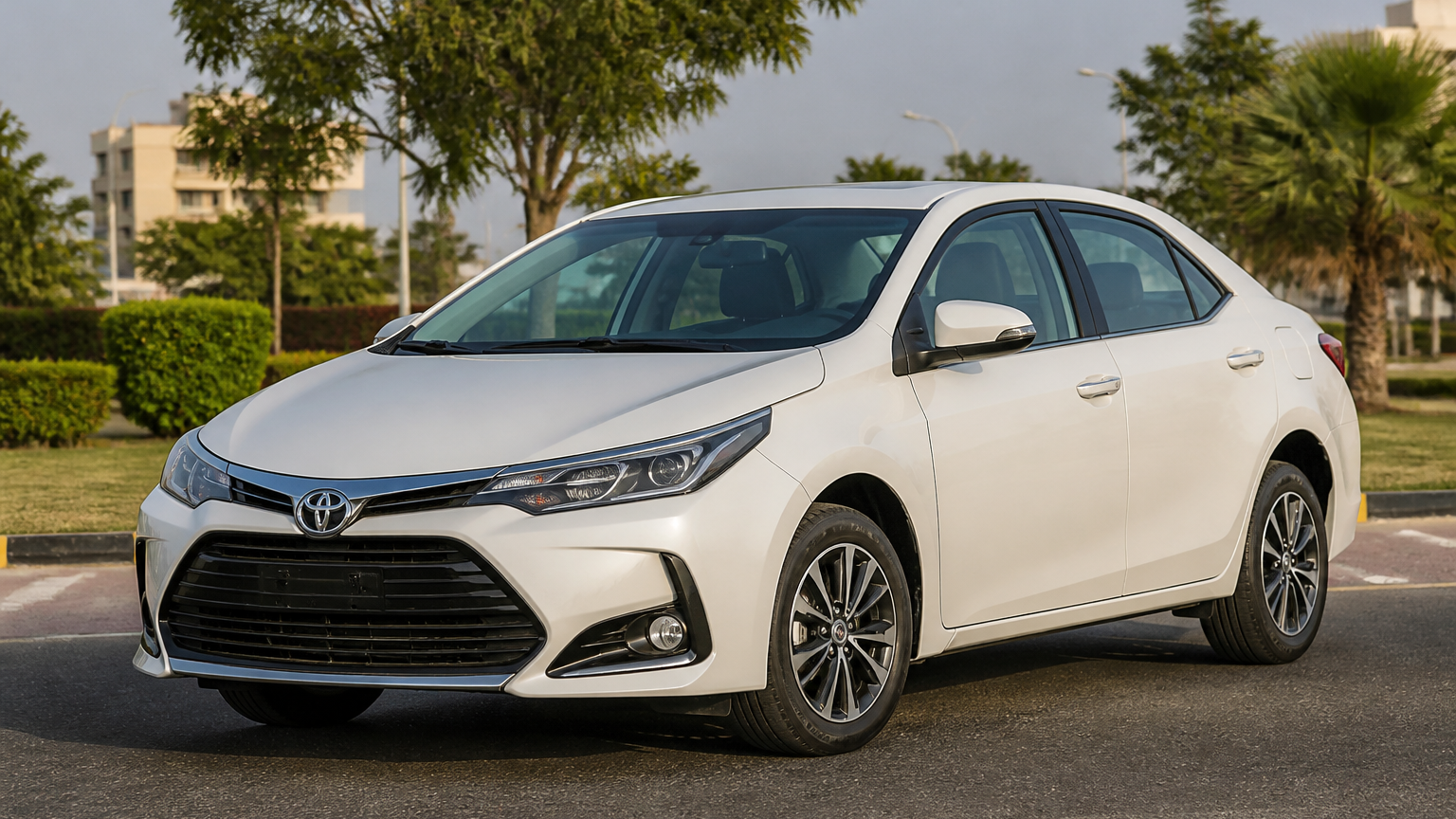
Toyota Corolla Discontinued Before Pakistan Facelift
Pakistan’s pre-facelift Toyota Corolla is reportedly discontinued, hinting at a facelift. Prices, bookings, specs and launch timing remain unconfirmed.
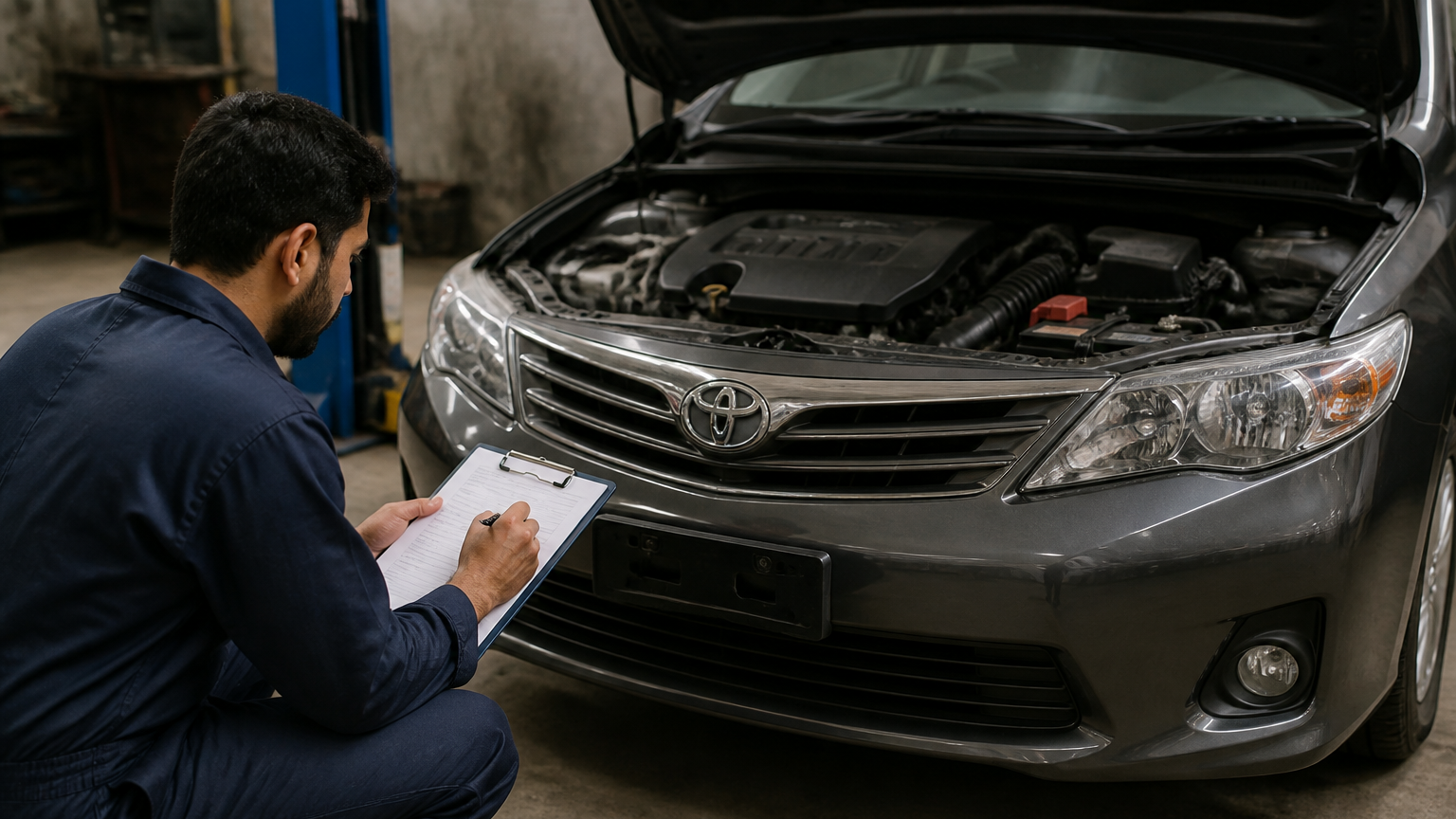
DrivePK Car Inspection Reports: Buy with Confidence
Buying a used car in Pakistan? A pre-purchase inspection can reveal hidden damage, engine issues and red flags before you pay—but it’s not enough alone.
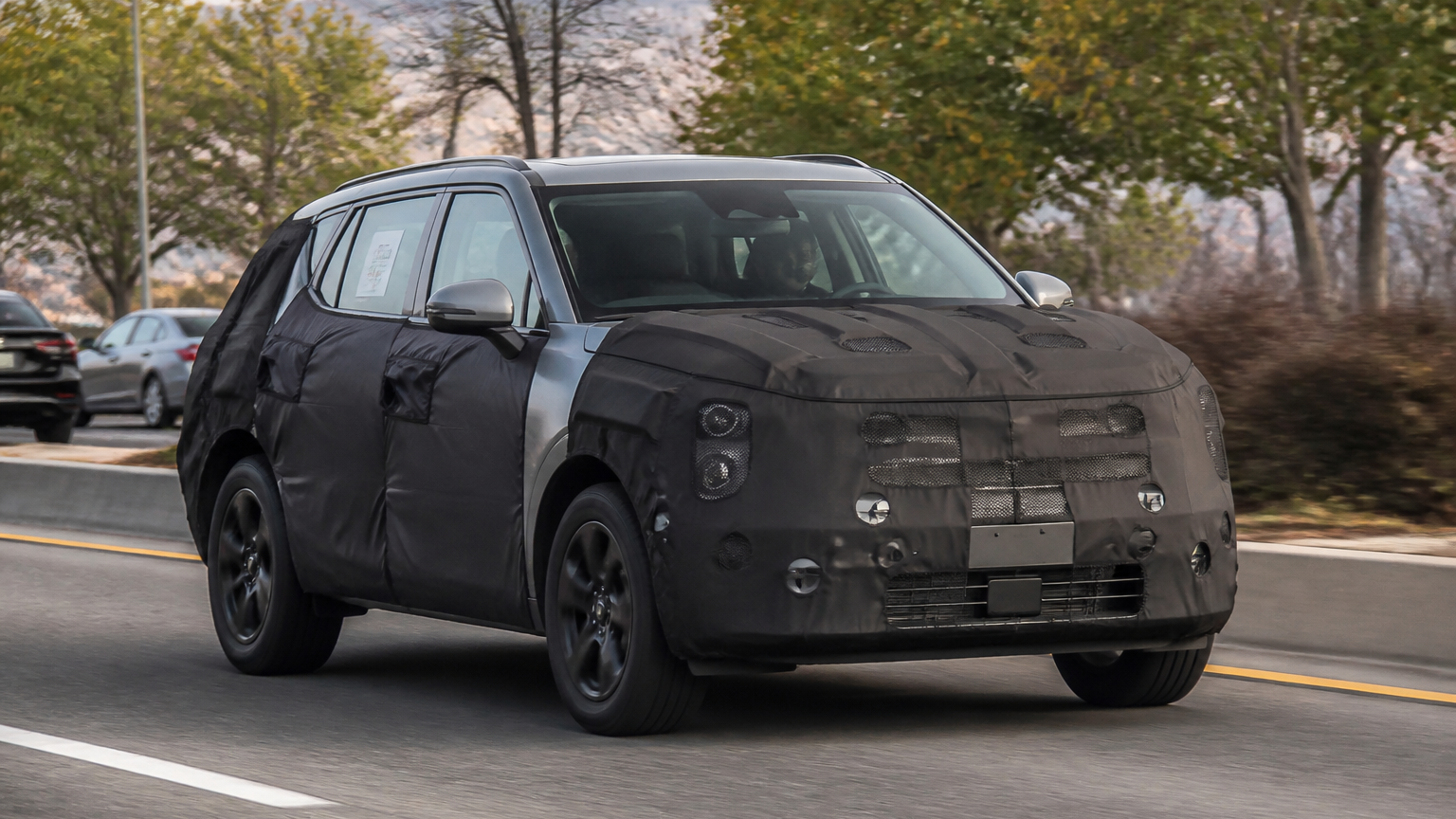
2028 Kia Sportage: Major Design Changes Spotted
Kia’s next Sportage may get a bolder, boxier redesign, with an upright profile, sharper lines, wider grille and split headlights hinted by spy shots.