Svolt Energy Unveils 80 kWh Fortress 2.0: World's Largest PHEV Battery
Svolt Energy revealed the 80 kWh Fortress 2.0, the largest plug-in hybrid battery for cars. It charges 10-80% in 10 minutes and boosts energy density by 6%. At Battery Day, they shared semi-solid battery progress and plans for 61 GWh shipments in 2026, up 50% from 2025.
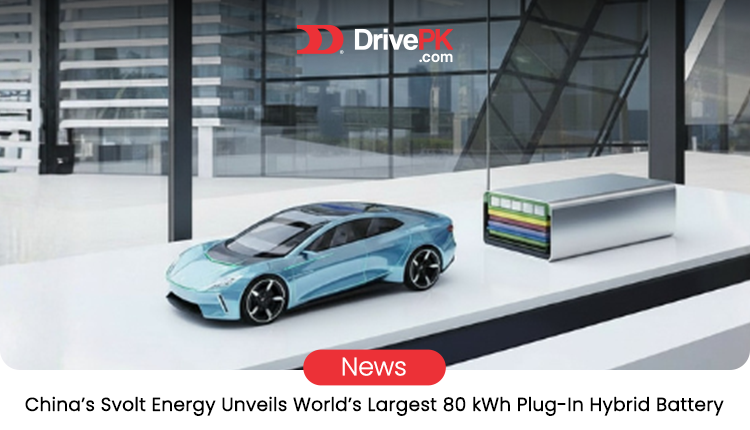
Table of Contents
- Highlights from Battery Day in Changzhou
- Future Plans and Production Ramp-Up
- What This Means for Drivers
Svolt Energy just dropped news on a massive battery for plug-in hybrid cars. It's the 80 kWh Fortress 2.0 pack, aimed at bigger family vehicles like D-segment sedans. This thing promises longer drives on electric power alone, which could change how people use hybrids. No more quick stops for gas on short trips.
The pack stands out with its tight design. It packs 6% more energy density than the last version. That means better performance without taking up extra space. And charging? It goes from 10% to 80% in about 10 minutes, thanks to 3.5-generation ion oscillation pulse tech. That's fast enough to grab a coffee and go.
Highlights from Battery Day in Changzhou
This all came out at Svolt's sixth Battery Day in Changzhou. They didn't stop at the Fortress pack. Progress on semi-solid state batteries got a spotlight too. These are for cars and even planes, pushing boundaries in energy storage.
Semi-solid batteries mix liquid and solid electrolytes. They offer higher safety and energy levels. Svolt plans mass production of high-energy and mid-nickel versions starting later this year. One type hits 245 Wh/kg, set for mid- to high-end EVs from October. That's a step toward safer, longer-lasting power.
But why the push? Tighter emissions rules and drivers wanting more range. Hybrids with big batteries bridge the gap to full EVs. Svolt sees this as key to growth.
Future Plans and Production Ramp-Up
Svolt has bold targets. They aim to ship 61 GWh of batteries in 2026. That's a 50% jump from 2025 estimates. Expansion covers both mass-market and premium vehicles.
High-energy semi-solids will power everyday cars. Mid-nickel ones suit luxury models. It's about scaling up without cutting corners on quality. As a spin-off from Great Wall Motors, Svolt knows the auto world inside out.
Challenges exist, like supply chains and competition from giants like CATL. But innovations like the Fortress 2.0 show they're in the game. Faster charging cuts down on wait times, making EVs more practical.
What This Means for Drivers
Bigger batteries in hybrids mean fewer fill-ups and lower emissions. For families, a D-segment car with this pack could handle daily commutes on electricity. It eases range anxiety, too.
And semi-solid tech? It could make batteries tougher against fires and wear. Aviation use hints at broader impacts, from drones to small planes.
Svolt's moves signal a shift. Hybrids aren't just stopgaps anymore. With packs like this, they compete head-on with pure EVs. Keep an eye on production starts in March for the Fortress.
In short, this is progress that matters. Better batteries build a greener road ahead. For more updates, visit DrivePK.com
Tags
Share this article
About the Author

Najeeb Khan
Automotive enthusiast and writer
Comments (0)
Login Required
You need to be logged in to comment on this article.
No comments yet. Be the first to share your thoughts!
Related Articles
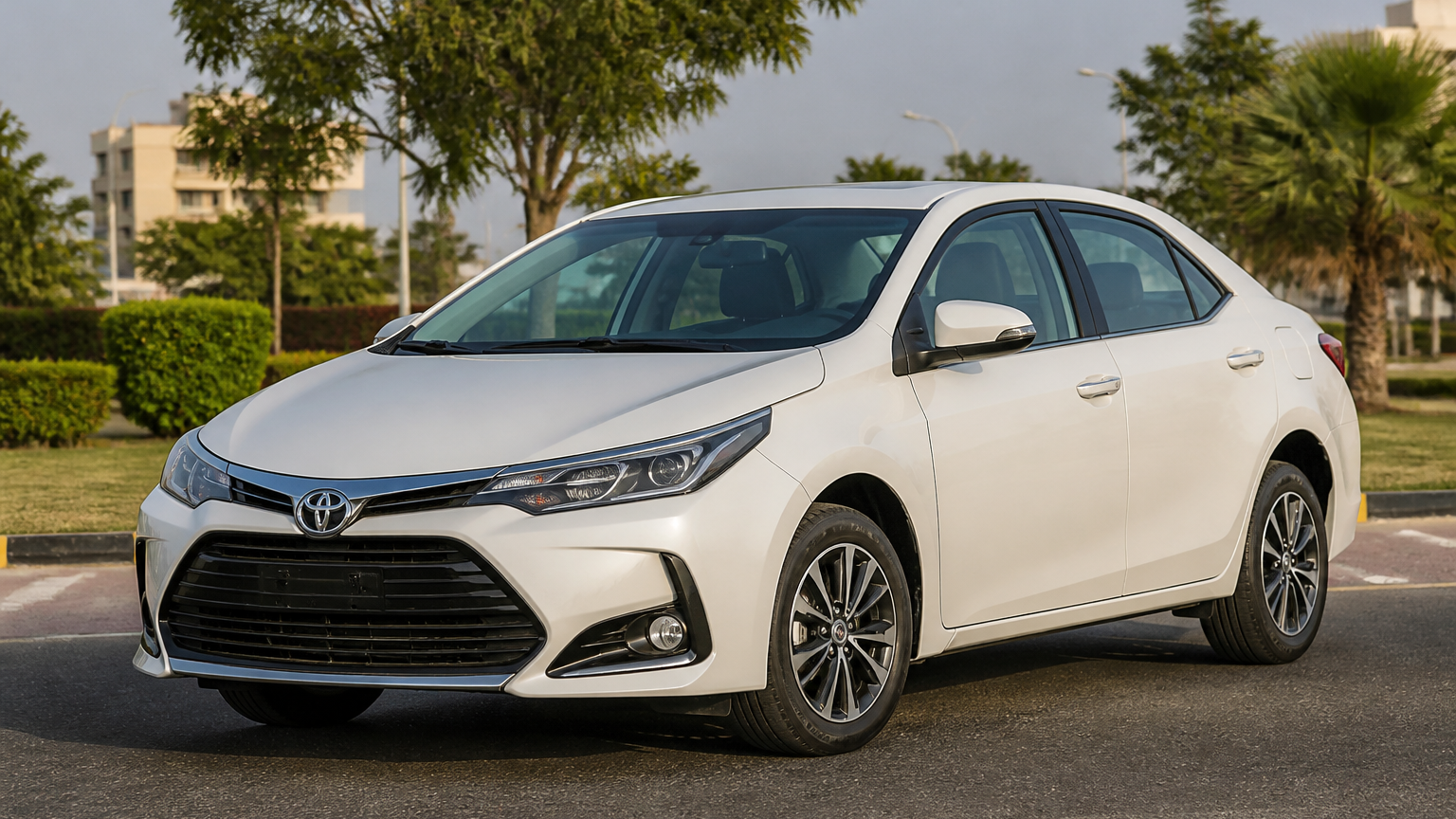
Toyota Corolla Discontinued Before Pakistan Facelift
Pakistan’s pre-facelift Toyota Corolla is reportedly discontinued, hinting at a facelift. Prices, bookings, specs and launch timing remain unconfirmed.
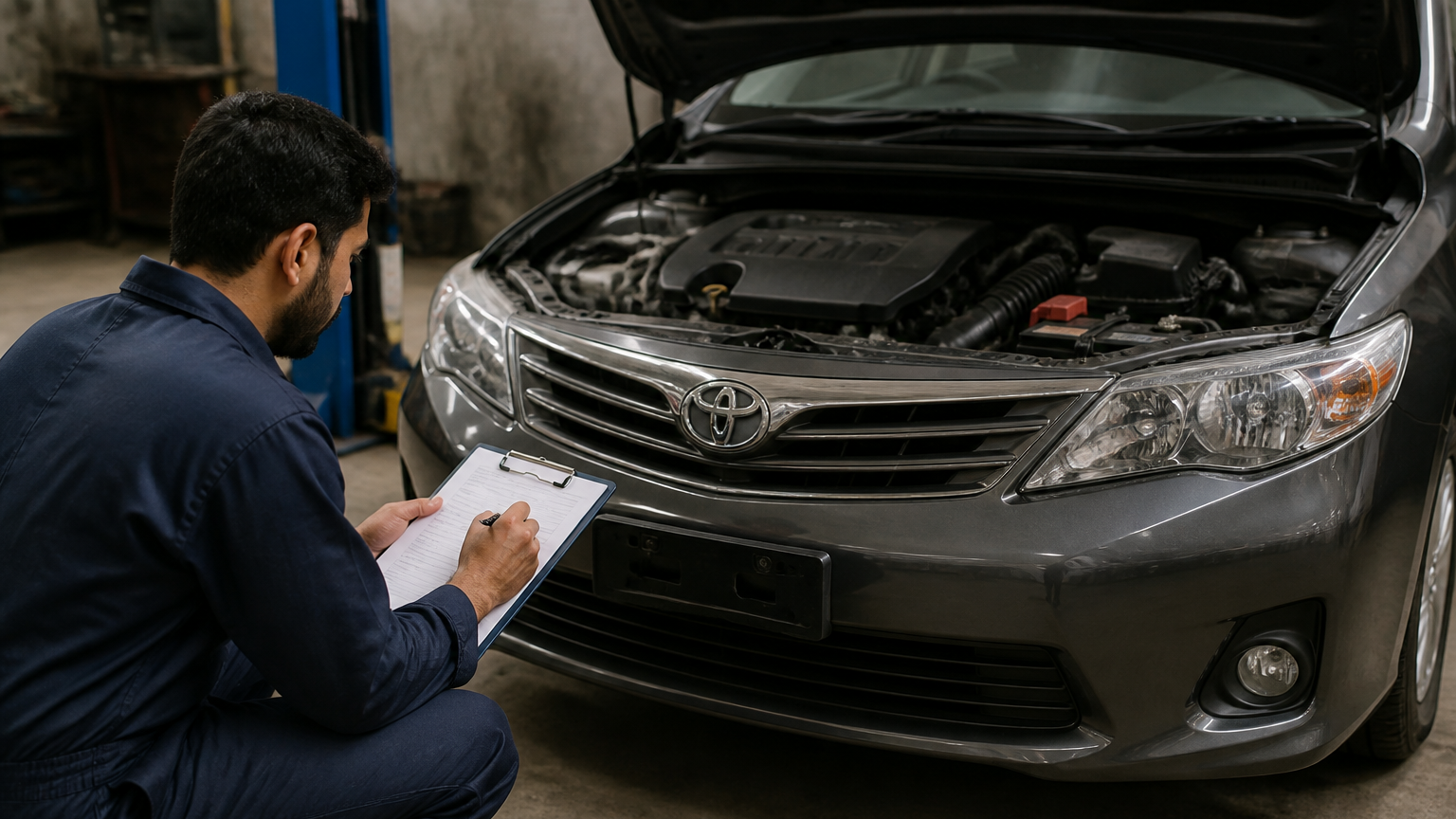
DrivePK Car Inspection Reports: Buy with Confidence
Buying a used car in Pakistan? A pre-purchase inspection can reveal hidden damage, engine issues and red flags before you pay—but it’s not enough alone.
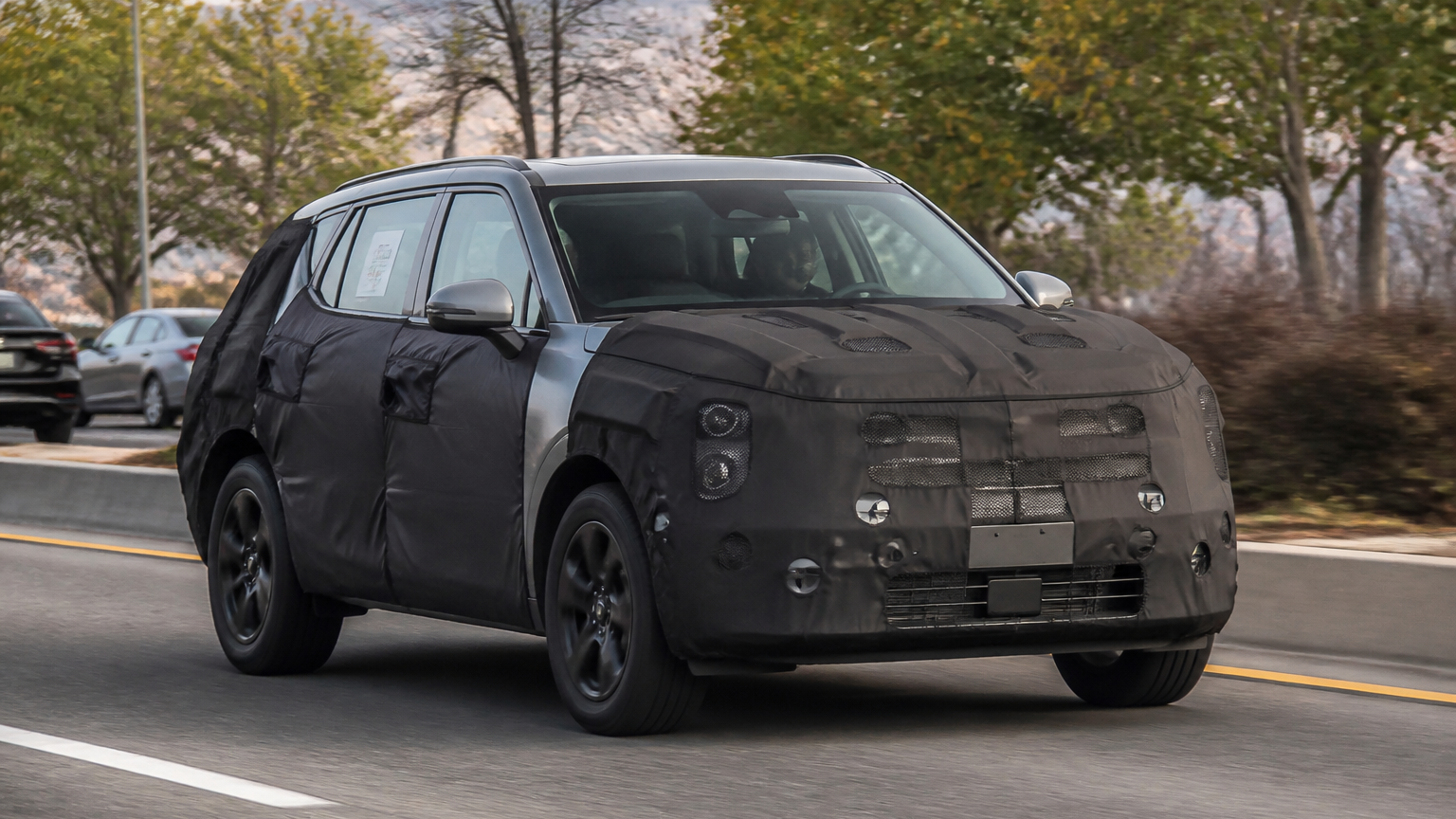
2028 Kia Sportage: Major Design Changes Spotted
Kia’s next Sportage may get a bolder, boxier redesign, with an upright profile, sharper lines, wider grille and split headlights hinted by spy shots.