Tesla Cybercab, robotaxi, autonomous driving, Giga Texas, electric vehicle production, self-driving car, Tesla FSD
Tesla has officially started production of its Cybercab robotaxi at the Giga Texas factory. The two-seat electric vehicle has no steering wheel or pedals and aims for a price below $30,000. While testing continues with Model Y vehicles in Texas, full public operation still requires regulatory approval. Here’s what we know so far.
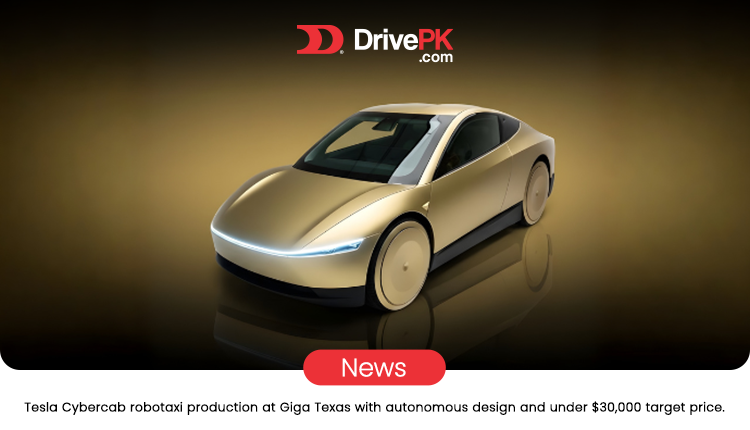
Table of Contents
- What Makes the Cybercab Different?
- Current Robotaxi Testing in Texas
- Regulatory Hurdles Still Ahead
- Competition in the Robotaxi Space
- What This Means for the Future
- Final Thoughts
Tesla just took a concrete step toward its robotaxi future. The company has started manufacturing the Cybercab at its Giga Texas factory in Austin. CEO Elon Musk confirmed the move during the Q1 2026 earnings call and shared updates on X.
This marks real progress after the vehicle was first shown in late 2024. The Cybercab is a purpose-built, two-seat electric robotaxi designed from the ground up for fully autonomous ride-hailing.
What Makes the Cybercab Different?
The Cybercab looks sleek and futuristic. It has no steering wheel and no pedals. That design choice shows Tesla’s confidence in its Full Self-Driving technology. Every part of the vehicle focuses on autonomous operation rather than human driving.
Tesla aims to keep the price under $30,000. That would make it one of the more affordable options in the emerging robotaxi space. Production started slowly in April 2026 after the first unit rolled off the line in February. Output is expected to ramp up later this year.
Early production units already show some changes from the original prototypes. They come with a glossy finish instead of the raw look seen earlier. Dozens of units have already been spotted around the factory grounds.
Current Robotaxi Testing in Texas
While the Cybercab itself is still in early production, Tesla is not waiting to test the service. The company already runs robotaxi rides using modified Model Y vehicles in several Texas cities.
Service is active in Austin, Dallas, and Houston. In some areas, rides now operate without a human safety monitor in the car. Tesla continues to expand these tests carefully, gathering real-world data on how the system performs.
These Model Y tests help Tesla refine its software and operations before the dedicated Cybercab fleet grows larger. It also lets the company learn how passengers interact with fully driverless rides.
Regulatory Hurdles Still Ahead
Even with production underway, the Cybercab cannot hit public roads for commercial service yet. It needs approval from regulators because it lacks traditional controls like a steering wheel.
Tesla is working through these requirements. Full unsupervised autonomy on a wide scale still faces scrutiny from bodies like the NHTSA in the US. The timeline for broad approval remains unclear, but the company continues to push forward.
Safety remains a big part of the conversation. Tesla points to the millions of miles its vehicles have driven with its Autopilot and FSD systems. Critics and regulators want more proof before allowing large fleets of vehicles without any manual controls.
Competition in the Robotaxi Space
Tesla is not alone in this race. Companies like Waymo already operate driverless ride-hailing services in multiple cities. Aurora Innovation also focuses on autonomous trucking and ride services.
Tesla’s advantage lies in its large existing vehicle base and the potential to scale quickly once approvals come through. The Cybercab's low target price could also help it stand out if the company can deliver on that promise.
Other automakers and tech firms continue to invest heavily in self-driving technology. The next few years will show who manages to combine reliable hardware, software, and regulatory success at scale.
What This Means for the Future
If things go as planned, the Cybercab could help reduce transportation costs over time. Tesla talks about making ride-hailing more affordable than owning a personal car for many people.
For now, production has just begun. Initial output will stay limited while the team fine-tunes the manufacturing process. Wider availability and revenue from the robotaxi network are not expected until 2027 or later.
People interested in Tesla’s progress should watch two things: how quickly production ramps at Giga Texas, and how the regulatory picture evolves in key states.
Final Thoughts
Starting Cybercab production is a tangible milestone for Tesla’s autonomous ambitions. It turns the 2024 reveal into something real coming off the assembly line in Austin.
The road to widespread robotaxi service still has regulatory and technical challenges ahead. But with testing already happening in Texas cities using Model Y vehicles, Tesla is building experience step by step.
This development fits into the bigger shift happening in transportation. Electric, autonomous vehicles could change how we move around cities in the coming years. For now, the Cybercab represents one of the most visible bets on that future.
Stay tuned as production scales and more details emerge about pricing, timelines, and where the first fleets will operate.For more updates, visit DrivePK.com
Tags
Share this article
About the Author

Najeeb Khan
Automotive enthusiast and writer
Comments (0)
Login Required
You need to be logged in to comment on this article.
No comments yet. Be the first to share your thoughts!
Related Articles
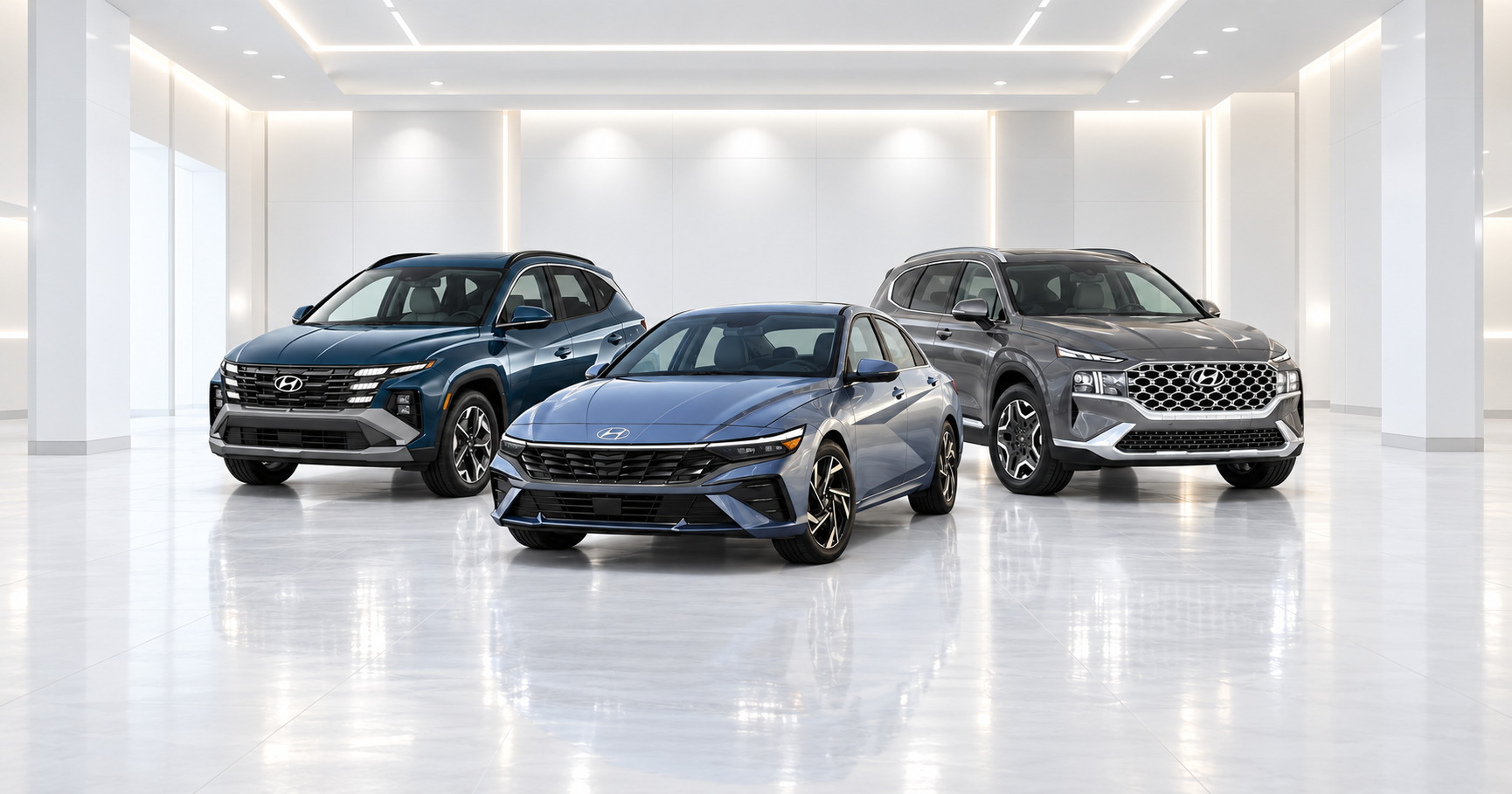
Hyundai Nishat Hybrid Price Cuts After 18% Tax
Hyundai Nishat Motor has cut prices on its locally made hybrid cars after the sales tax on hybrids up to 2000cc fell to 18 percent. The Elantra Hybrid Tucson Hybrid and Santa Fe Hybrid now cost less with savings from Rs639000 to Rs1403000. The biggest drop is on the Santa Fe Hybrid Signature AWD. Models over 2000cc still pay 25 percent tax.
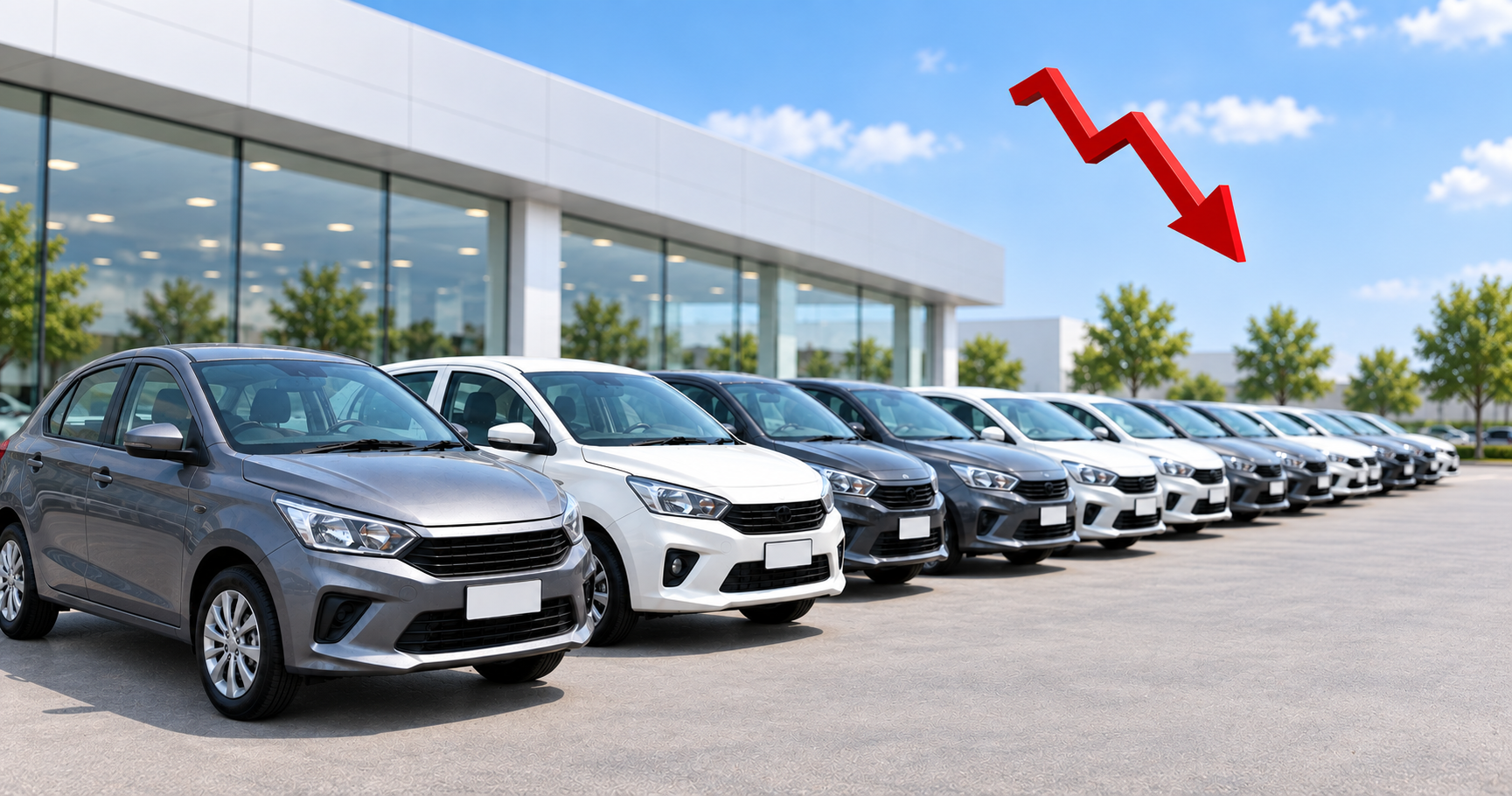
Pakistan Car Sales Drop 21.6% in August 2026
Pakistan passenger car sales fell to 15031 units in August 2026 down 21.6 percent from July. Suzuki Alto stayed the top model even with a 26 percent drop. Toyota Corolla Yaris and Corolla Cross sold less. Hyundai Elantra sales more than doubled after its relaunch. July and August sales were still nearly 80 percent higher than last year.
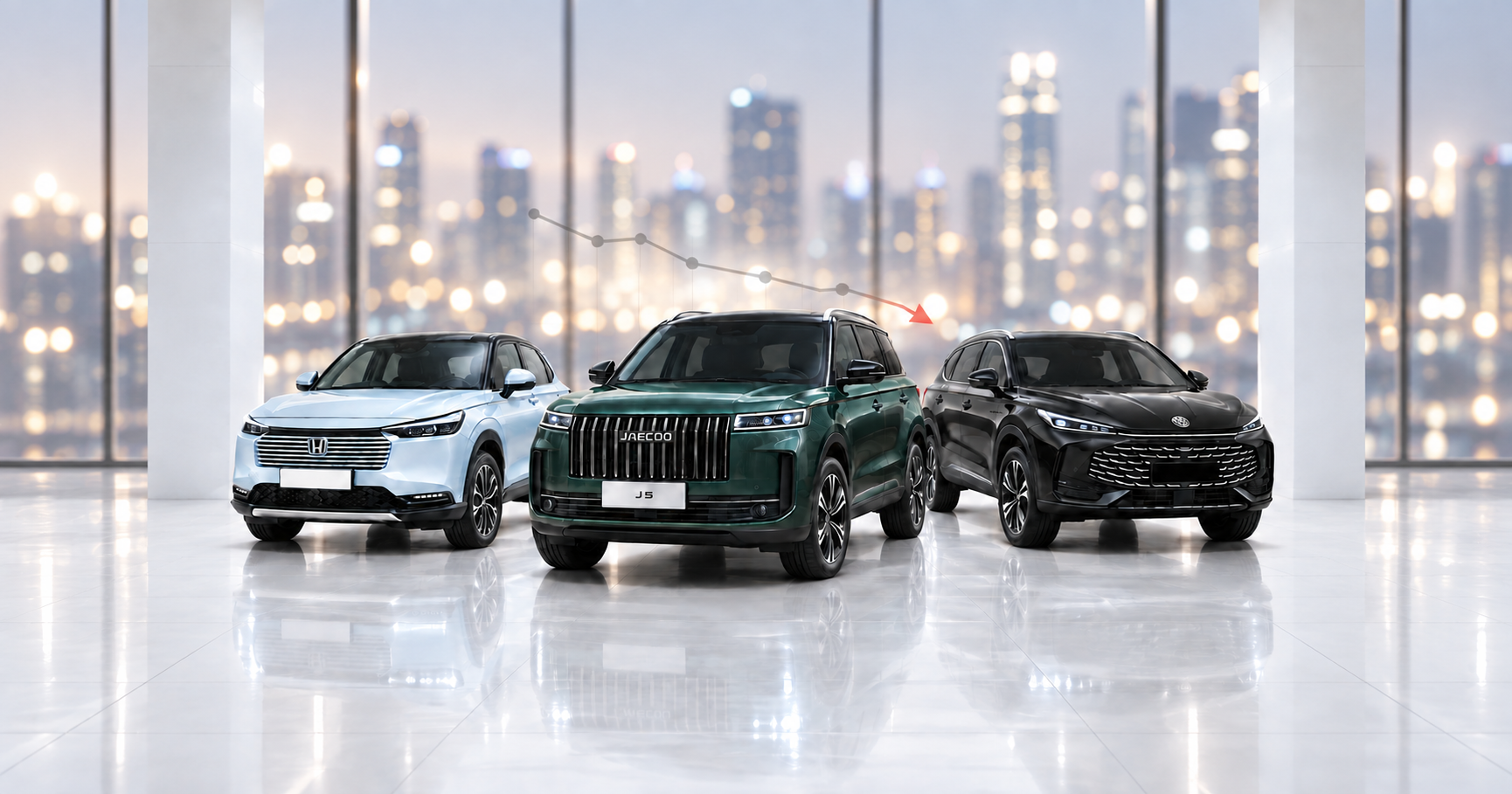
FBR Cuts Hybrid Sales Tax to 18% for Local HEVs
The Federal Board of Revenue has cut sales tax on locally manufactured Hybrid Electric Vehicles with engines up to 2000cc from 25 percent to 18 percent. The change took effect on September 13 2026. Previous lower rates had expired on June 30. Plug-in hybrids remain at 25 percent tax.