Tesla Ends Model S and X Production for Optimus Robot Shift
Tesla CEO Elon Musk revealed plans to halt Model S and Model X production, repurposing the Fremont factory for Optimus humanoid robots. This ends Tesla's oldest vehicle lines as focus turns to robotics and self-driving tech, with Optimus scaling to a million units yearly.
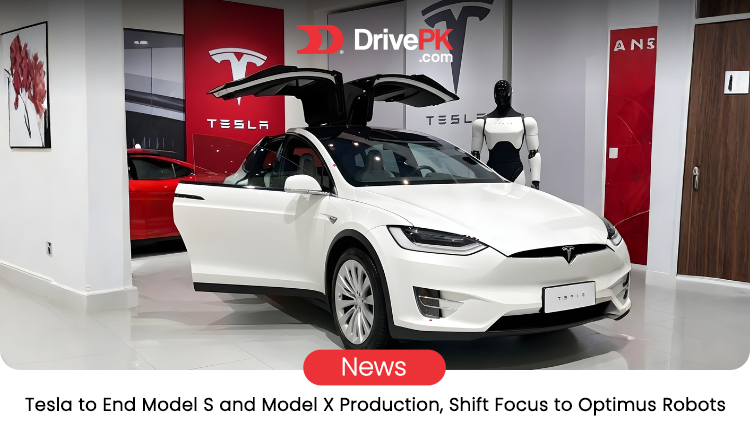
Table of Contents
- Why End the Model S and Model X?
- The Rise of Optimus Robots
- What This Means for Tesla's Factory
- Broader Impact on the EV World
- Looking Ahead
Elon Musk just dropped big news. Tesla will stop making its Model S and Model X cars. Instead, the company plans to use its Fremont factory in California to build Optimus humanoid robots. He said this during the fourth quarter earnings call. It's a clear sign Tesla is moving away from its older cars and betting big on new tech.
This change marks the end of two of Tesla's longest-running vehicles. The Model S came out in 2012, and the Model X followed in 2015. They were game-changers back then, showing what electric cars could do. But times have changed. Demand for them has dropped as more companies jump into the EV world.
Why End the Model S and Model X?
Sales tell the story. Most of Tesla's deliveries now come from the Model 3 and Model Y. These cheaper options make up the bulk of what people buy. The Model S and X? They're not pulling their weight anymore. Global competition in electric vehicles is fierce, and growth in the EV market has slowed down.
Musk didn't sugarcoat it. He pointed out how the industry has evolved. New players offer similar features at lower prices. Tesla's early leads in range and performance aren't as unique now. So, keeping production lines for low-demand cars doesn't make sense. Repurposing the factory frees up space and resources for something fresh.
And that's where Optimus comes in. Tesla isn't just tweaking its car lineup. This is a pivot to robotics. It's like the company is saying, "We've done cars. Now let's tackle robots."
The Rise of Optimus Robots
Optimus is Tesla's humanoid robot project. Think of it as a helper that can do tasks like folding laundry or working in factories. Musk wants to scale production to one million units a year. That's ambitious, but it's part of Tesla's push into future tech.
Later this quarter, Tesla plans to show a version ready for mass production. This isn't sci-fi anymore. It's a real step toward robots in everyday life. Musk sees them as key to solving labor shortages and boosting efficiency.
But why robots now? EV sales are cooling off. People aren't buying as many electric cars as expected. Factors like high prices, charging issues, and economic worries play a role. Tesla needs new growth areas. Autonomous driving is another focus, but robotics could open doors to entirely new markets.
Imagine robots in homes, warehouses, or even healthcare. Tesla's AI expertise from self-driving cars gives it an edge here. Optimus builds on that tech, using similar sensors and software.
What This Means for Tesla's Factory
The Fremont factory has been Tesla's hub since 2010. It started as a joint venture with Toyota, but Tesla turned it into a powerhouse for EVs. Now, it'll churn out robots instead of luxury sedans and SUVs.
This shift could create jobs in robotics assembly and AI development. But it might also mean changes for workers skilled in car manufacturing. Tesla hasn't shared details on that yet. Still, it's a smart reuse of space. The factory is huge, with room for new lines.
On the flip side, ending Model S and X production leaves a gap in Tesla's lineup. These were the premium options. Buyers wanting luxury might look elsewhere. Tesla could fill that with updates to other models or new ones down the line.
Broader Impact on the EV World
This news shakes up the auto industry. Tesla led the EV charge for years. Now, it's signaling that cars alone aren't enough. Competitors like Ford, GM, and Rivian might follow suit, investing more in tech beyond vehicles.
Robotics could become the next battleground. Companies like Boston Dynamics already make advanced bots, but Tesla aims for scale and affordability. If Optimus succeeds, it could lower costs and make robots common.
For consumers, this means exciting times ahead. Self-driving taxis, home robots it's all on the horizon. But challenges remain. Safety, ethics, and regulations will be big hurdles. Musk has faced scrutiny before on timelines and promises.
Yet, Tesla's track record shows it can deliver. From the Roadster to the Cybertruck, the company pushes boundaries. This robot's focus feels like the next chapter.
Looking Ahead
Tesla's decision feels bold but necessary. The Model S and X had their run. Now, resources go to Optimus and autonomy. It's a reminder that tech moves fast. Companies must adapt or get left behind.
Will this pay off? Time will tell. Musk's vision has worked before. For now, watch for that mass-production Optimus reveal. It could change how we think about work and daily life.
In the end, Tesla isn't just a car company anymore. It's evolving into something bigger. And that's worth keeping an eye on.
For more updates, visit DrivePK.com
Tags
Share this article
About the Author

Najeeb Khan
Automotive enthusiast and writer
Comments (0)
Login Required
You need to be logged in to comment on this article.
No comments yet. Be the first to share your thoughts!
Related Articles
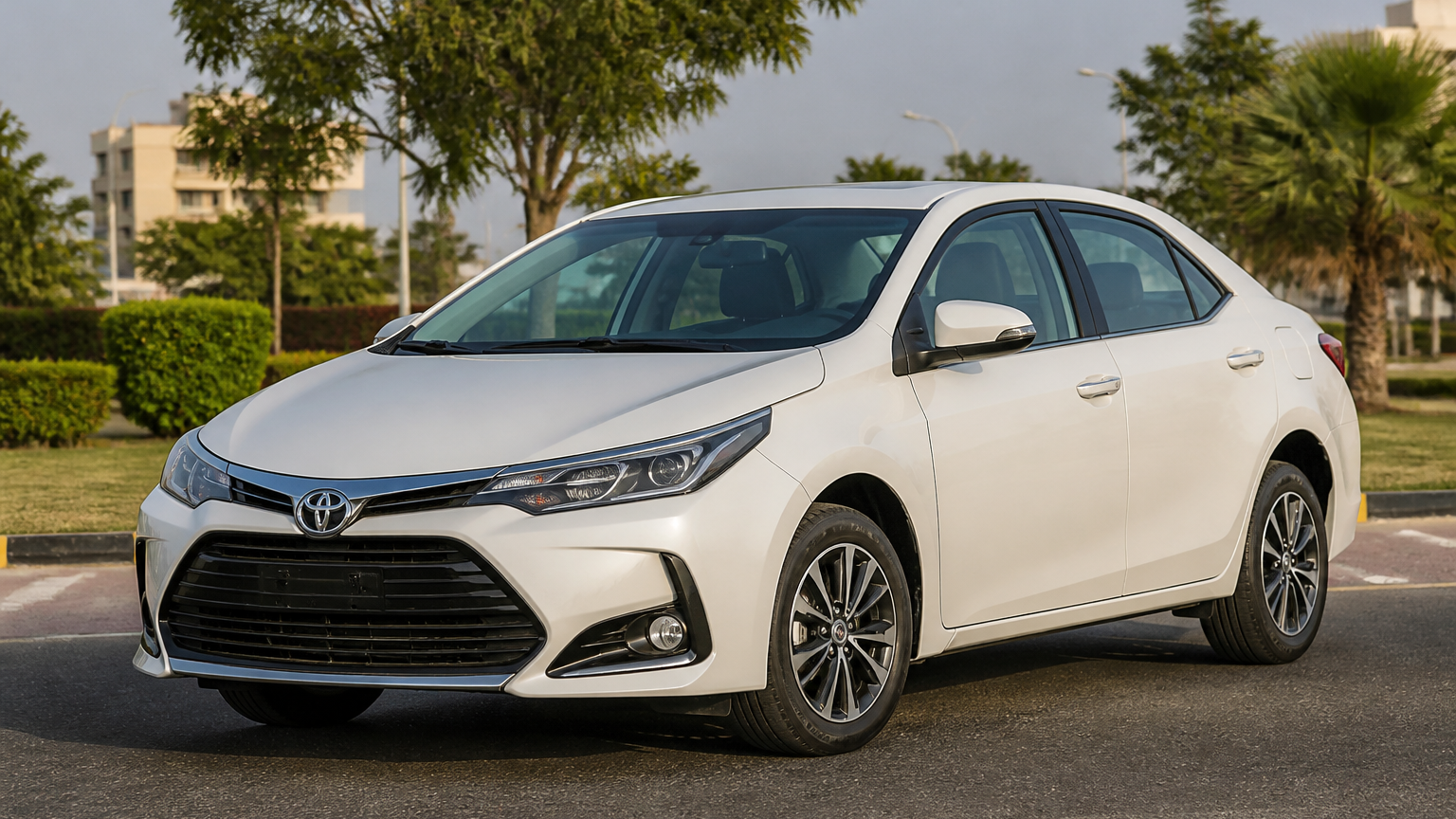
Toyota Corolla Discontinued Before Pakistan Facelift
Pakistan’s pre-facelift Toyota Corolla is reportedly discontinued, hinting at a facelift. Prices, bookings, specs and launch timing remain unconfirmed.
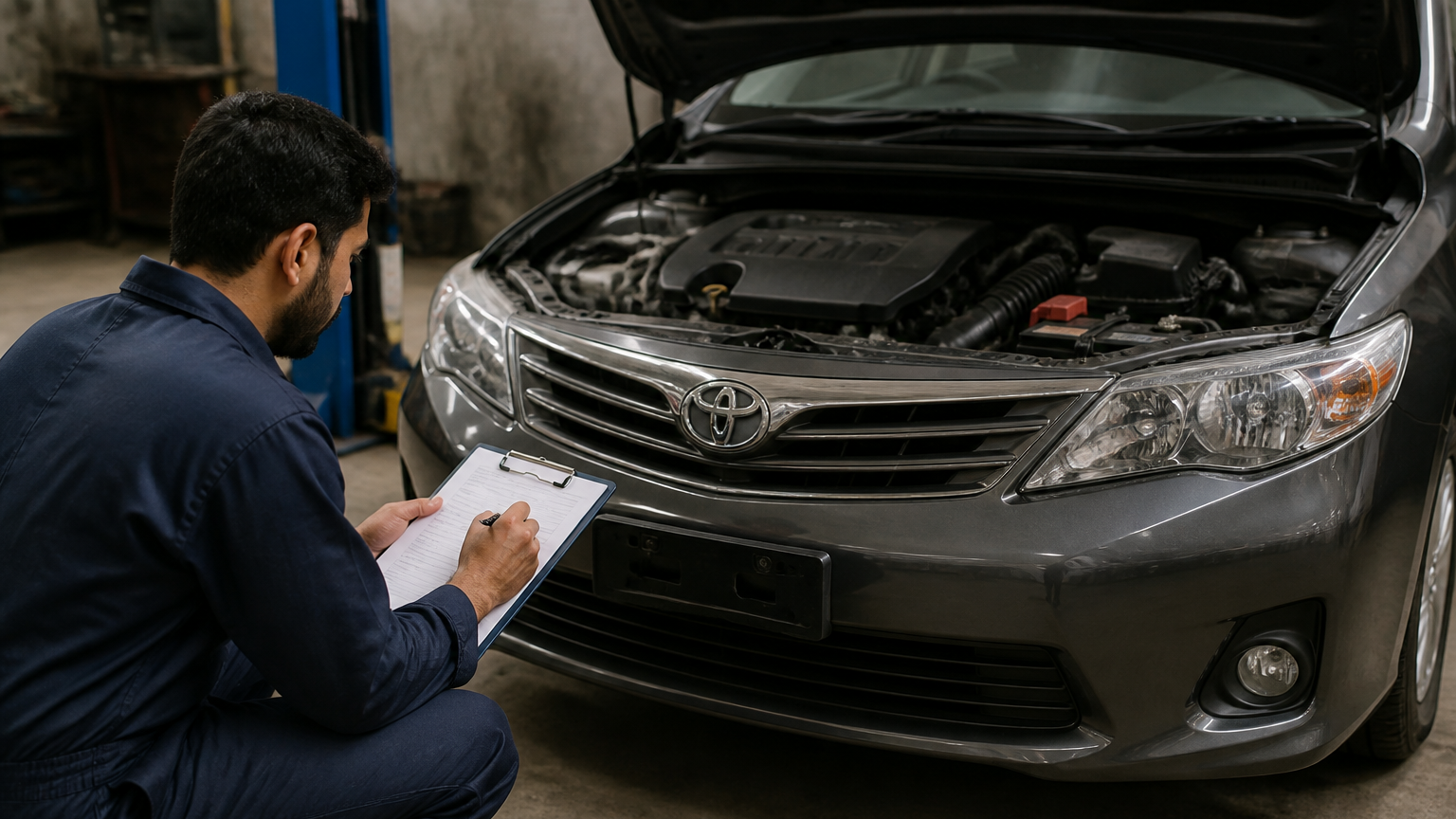
DrivePK Car Inspection Reports: Buy with Confidence
Buying a used car in Pakistan? A pre-purchase inspection can reveal hidden damage, engine issues and red flags before you pay—but it’s not enough alone.
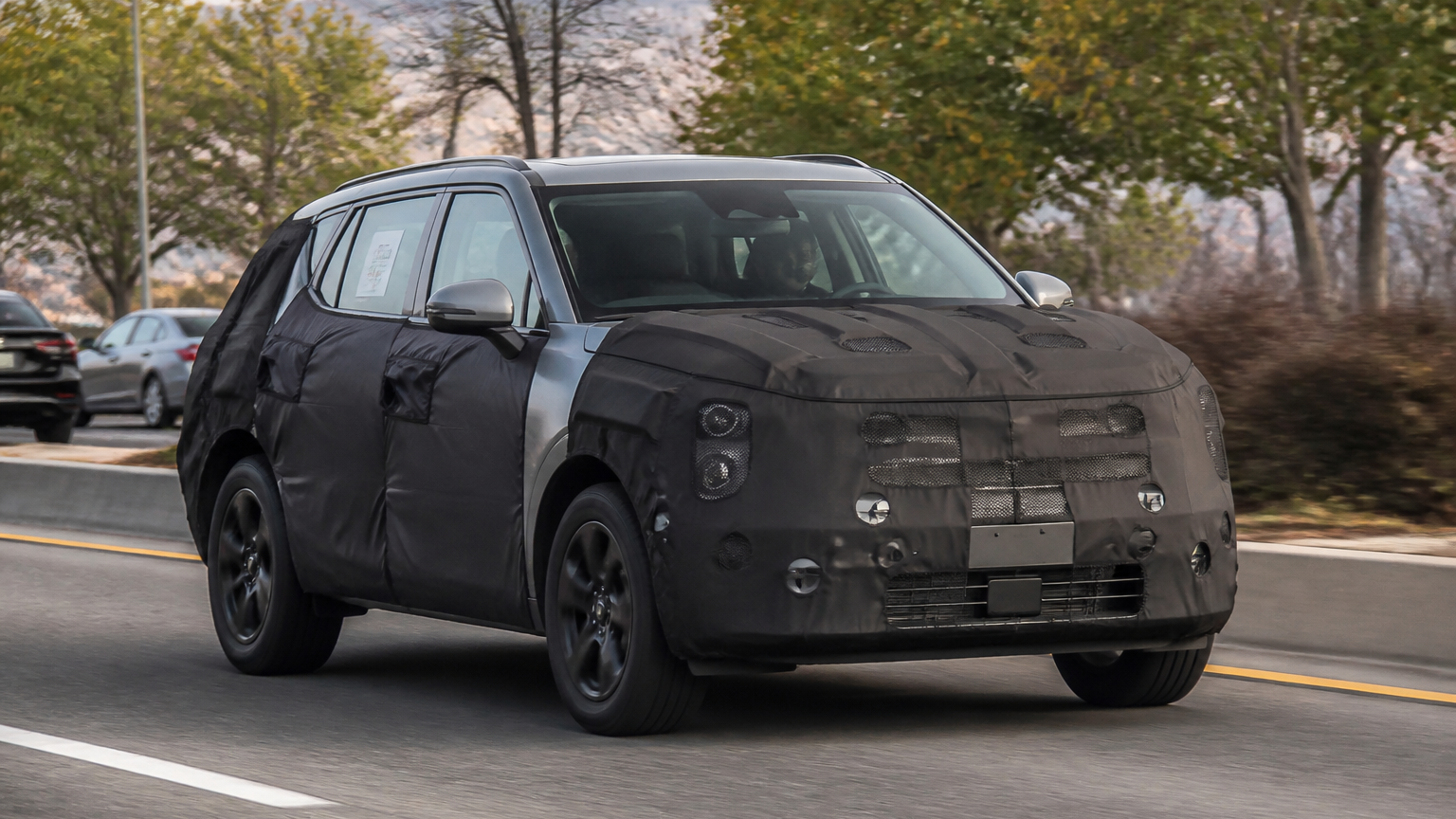
2028 Kia Sportage: Major Design Changes Spotted
Kia’s next Sportage may get a bolder, boxier redesign, with an upright profile, sharper lines, wider grille and split headlights hinted by spy shots.