Tesla Reclaims Global EV Sales Lead from BYD in Q1 2026
Tesla has regained the global EV sales lead from BYD in Q1 2026. The Chinese rival’s pure EV sales fell 25.5 percent to 310,389 units, while Tesla moved 358,023 vehicles. New rules in China changed the game more than any car features. Here’s a clear look at what happened and why it matters.
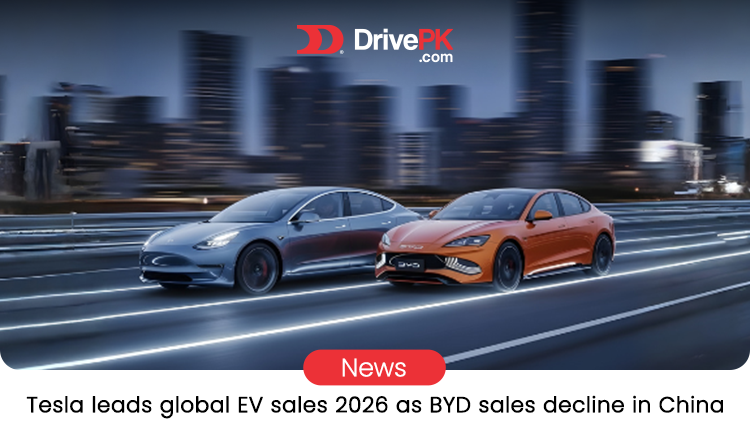
Table of Contents
- BYD’s Sharp Drop and the Numbers Behind It
- China’s New Rules Changed the Game
- Tesla’s Heavy Bet on China Still Pays Off
- What About the U.S. Side?
- Why This Matters for Regular Buyers
- Bigger Picture for the EV Industry
- What Comes Next
Tesla is once again the world’s top seller of pure electric vehicles. In the first three months of 2026, the company delivered 358,023 cars. That’s up about 6.3 percent from the same period last year. BYD, the big Chinese maker that held the lead through most of 2025, sold 310,389 pure EVs. That number dropped 25.5 percent year over year.
The gap is clear. Tesla moved ahead by roughly 47,000 units. But the numbers tell only part of the story. What really moved the needle came from Beijing, not from showrooms.
BYD’s Sharp Drop and the Numbers Behind It
BYD’s pure EV sales fell hard. The company reported 310,389 battery-electric passenger vehicles for the quarter. Compare that to 416,388 units in Q1 2025 and you see the scale of the slowdown.
Even though BYD still sold more total new-energy vehicles when you count plug-in hybrids, the pure-EV side took the biggest hit. March showed some recovery with 147,601 BEVs, but January and February stayed weak. The drop marks the seventh straight month of lower sales for the company.
Tesla, on the other hand, kept its focus tight. The Model 3 and Model Y carried most of the volume. Production at the Shanghai plant hit 213,000 vehicles in the quarter. That single factory made up nearly 60 percent of everything Tesla shipped worldwide.
China’s New Rules Changed the Game
Here’s where things get interesting. The shift had less to do with which car felt better to drive and more to do with paperwork in Beijing.
At the start of 2026, China ended the full exemption from the 10 percent vehicle purchase tax. Buyers now pay a 5 percent tax on new EVs. For many families that extra cost added up fast. At the same time, the government brought in stricter rules against price wars. Carmakers can no longer sell vehicles below their actual production cost just to grab market share.
These moves aimed to steady the industry. Years of deep discounts had squeezed profits across the board. Some analysts say the price war cost the sector tens of billions. Beijing wanted stability. But the new tax and pricing rules also cooled demand. Shoppers paused. Sales across the broader EV market slowed.
BYD felt it first. The company had built its recent success on aggressive pricing and a wide lineup of affordable models. When those levers got pulled back, volumes dropped fast. Tesla, with its higher average prices and different cost structure, came out ahead in the pure-EV count.
Tesla’s Heavy Bet on China Still Pays Off
Tesla makes most of its cars in China for the world. The Shanghai Gigafactory alone handled over half of global deliveries this quarter. Exports from there went to Europe, Asia-Pacific, and other markets.
That dependence could look risky on paper. Yet it worked in Q1. Local sales in China climbed more than 35 percent in the first two months compared to 2025. Even with the new tax, Tesla’s brand strength and simpler lineup helped it hold ground.
The company kept production high and moved cars out the door. It built 408,386 vehicles but delivered 358,023. That left some inventory on the lot, but the overall direction stayed positive.
What About the U.S. Side?
Policy changes hit the United States too. The current administration has dialed back some EV incentives and support programs. That slowed growth for several American brands. Yet Tesla still operates on a global scale. Its China-made volume and focus on high-volume models gave it an edge that domestic rivals lacked.
The company continues to shift resources toward longer-term projects. Robotaxis and next-generation platforms sit on the horizon. For now, though, the Model 3 and Model Y remain the bread and butter. They deliver the numbers that keep the lights on.
Why This Matters for Regular Buyers
If you shop for an EV, these changes touch your wallet.
In China, the 5 percent tax means a few thousand extra yuan at the dealership. That adds up when you compare models side by side. Outside China, the ripple effects appear slower. But global supply chains link everything. If factories in Shanghai slow or adjust, prices and wait times can shift everywhere.
The end of the price war also means fewer rock-bottom deals. Cars may hold value better over time, but sticker prices could feel firmer. Buyers who waited for the next big discount might need to rethink their timing.
At the same time, the market looks more stable. Healthy profits let companies invest in better batteries, longer range, and safer software. That benefits everyone who drives electric.
Bigger Picture for the EV Industry
The quarterly swap between Tesla and BYD shows how fast the lead can change. Last year BYD took the full-year crown for the first time. This year the race opened with Tesla back on top.
Both companies still push hard. BYD leans into plug-in hybrids for markets where pure EVs face range limits. Tesla doubles down on software, autonomy, and scale. The rest of the industry watches closely. Smaller Chinese brands feel the squeeze from tighter rules. Some may not survive the year.
Global EV growth slowed in early 2026. January saw a dip in registrations in key markets. China and the U.S. both contributed to that pause. Yet the long-term direction stays the same. More countries set targets for lower emissions. More drivers want lower running costs.
The difference now is pace. Policies in China aim to prevent a crash-and-burn race to the bottom. That could mean steadier but slower growth. Tesla’s ability to deliver consistent volume gives it breathing room while it prepares the next chapter.
What Comes Next
No one expects the Tesla-BYD battle to quiet down. Both keep launching updates and new models. Tesla’s Shanghai output keeps feeding global demand. BYD’s hybrid strength gives it flexibility in price-sensitive regions.
For everyday readers, the takeaway is simple. Watch the policy moves as closely as the car launches. A tax change or pricing rule can swing sales more than a new battery chemistry.
Tesla holds the lead today. But the race runs quarter by quarter. The cars people actually buy will decide the next headline. And right now, the story hinges as much on government desks in Beijing as it does on design studios in California and Shenzhen.
The EV market keeps evolving. Prices may settle. Choices may narrow for a while. But the shift toward electric driving continues, just at a more measured speed. That pace might suit buyers who want reliable options without the chaos of endless discounts.
Tesla proved it can still move the needle when conditions shift. BYD showed it can adapt when pure-EV demand cools. The rest of us get to watch how these two giants shape the roads ahead. For more updates, visit DrivePK.com
Tags
Share this article
About the Author

Najeeb Khan
Automotive enthusiast and writer
Comments (0)
Login Required
You need to be logged in to comment on this article.
No comments yet. Be the first to share your thoughts!
Related Articles
Rawalpindi Ring Road Opening Delayed by Toll Plaza Work
Rawalpindi Ring Road is structurally complete, but toll plazas and e-toll systems remain unfinished—delaying opening, toll rates and traffic relief.

Islamabad Blockades Delay Karachi Freight Before PTI Protest
PTI’s Oct. 4 march may delay northbound freight from Karachi, affecting car parts, tyres and workshop supplies—but the scale remains unclear.
Oil Prices Near $100: Impact on Pakistan
Brent nears $100 after a sharp swing linked to China’s fuel-export curbs—but Pakistan’s petrol and diesel prices remain unchanged for now.