WeLion Achieves 824 Wh/kg in Solid-State Battery Lab Breakthrough
WeLion New Energy announces a lab breakthrough with 824 Wh/kg solid-state batteries, surpassing current EV standards. Aiming for 1000 Wh/kg, they target niche markets like robotics first, with EV mass production by 2027 amid cost challenges
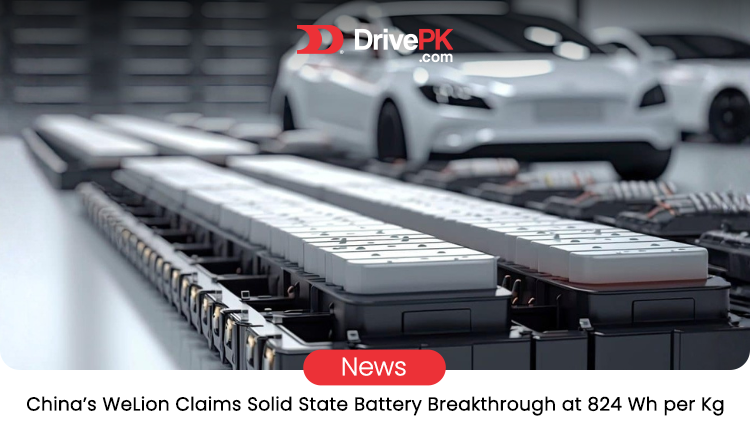
Table of Contents
- What the Breakthrough Means
- Roadblocks to Market
- Deployment Strategy
- Broader Impacts
- Future Outlook
Batteries are getting a serious upgrade. Chinese firm WeLion New Energy just shared lab results showing 824 Wh/kg energy density in their solid-state tech. That's way above what's in most EV batteries today. Chairman Yu Huigen announced it, putting WeLion ahead in the race. They aim for over 1000 Wh/kg down the line. But mass production for cars? Not yet. Costs are high, and hurdles remain. First up: niche uses like robots.
This news stirs excitement. Solid-state batteries swap liquid electrolytes for solids. Safer, no fire risks. Higher energy means longer ranges. Efficiency climbs, too. WeLion's work could reshape transport and more.
What the Breakthrough Means
Energy density measures power per weight. Current lithium-ion batteries top out around 300 Wh/kg. WeLion's 824 Wh/kg doubles that and then some. It breaks past old limits. They used advanced materials, maybe sulfides. Tests happened in the lab, not in the real world yet. But it shows potential.
Yu Huigen spoke at an event. He said the team pushed boundaries. Goal: hit 1000 Wh/kg soon. That's game-changing for EVs. Imagine driving 1000 km on one charge. No range anxiety.
WeLion isn't new to this. They supply semi-solid-state packs to NIO. Those hit 360 Wh/kg in packs. But pure solid-state is next level. Global rivals like Toyota and Samsung chase similar marks. WeLion leads now.
Roadblocks to Market
Don't expect these in your car tomorrow. High costs plague solid-state tech. Materials like sulfide electrolytes are pricey. Scaling production is tough. Yields might be low. Durability in real use? Questions linger.
Commercialization takes time. WeLion eyes 2027 for mass EV output. Until then, focus on premium spots. Robotics fit well. Price doesn't matter as much there. Drones or high-end gadgets could follow.
Safety is a plus, but tests must confirm. Cold weather performance, charging speed, these need work. Regulations too. Governments want proof before approval.
Deployment Strategy
WeLion plans smart. Start small, build up. Niche markets test the waters. Gather data, refine processes. Cut costs over time.
For EVs, partnerships matter. They work with NIO already. More could join. Chinese firms lead battery innovation. Government support helps. Subsidies and research funds flow.
By 2027, expect pilot lines. Mass production follows if trials succeed. Timeline aligns with global shifts. EVs boom worldwide. Better batteries speed adoption.
Robotics deployment comes first. Think warehouse bots or medical aids. High energy density means longer run times. Less downtime.
Broader Impacts
This affects more than cars. Energy storage for grids. Renewables like solar need reliable banks. Solid-state could store more, last longer.
Aviation eyes it too. Electric planes want light, powerful packs. Drones already test similar tech.
Environment wins. Fewer materials per kWh. Less mining impact. Recycling might improve.
But competition heats up. The US and Europe invest heavily. China leads now, but tech shares fast. Patents protect, yet collaborations happen.
Economy-wise, jobs in battery plants rise. Supply chains shift. Materials demand grows.
Future Outlook
WeLion's milestone sparks hope. 824 Wh/kg is a leap. Aiming for 1000 Wh/kg pushes limits further. If they hit it, EVs transform. Cheaper, safer, longer range.
Watch 2027. Mass production could flood markets. Prices drop as scale grows.
Challenges persist. But progress is real. WeLion positions China at the front.
Investors note this. Battery stocks might jump. Tech evolves quickly.
In the end, better batteries mean a cleaner world. Less oil dependence. Exciting times ahead.
For more updates, visit DrivePK.com
Tags
Share this article
About the Author

Najeeb Khan
Automotive enthusiast and writer
Comments (0)
Login Required
You need to be logged in to comment on this article.
No comments yet. Be the first to share your thoughts!
Related Articles
Toyota Corolla Discontinued Before Pakistan Facelift
Pakistan’s pre-facelift Toyota Corolla is reportedly discontinued, hinting at a facelift. Prices, bookings, specs and launch timing remain unconfirmed.
DrivePK Car Inspection Reports: Buy with Confidence
Buying a used car in Pakistan? A pre-purchase inspection can reveal hidden damage, engine issues and red flags before you pay—but it’s not enough alone.
2028 Kia Sportage: Major Design Changes Spotted
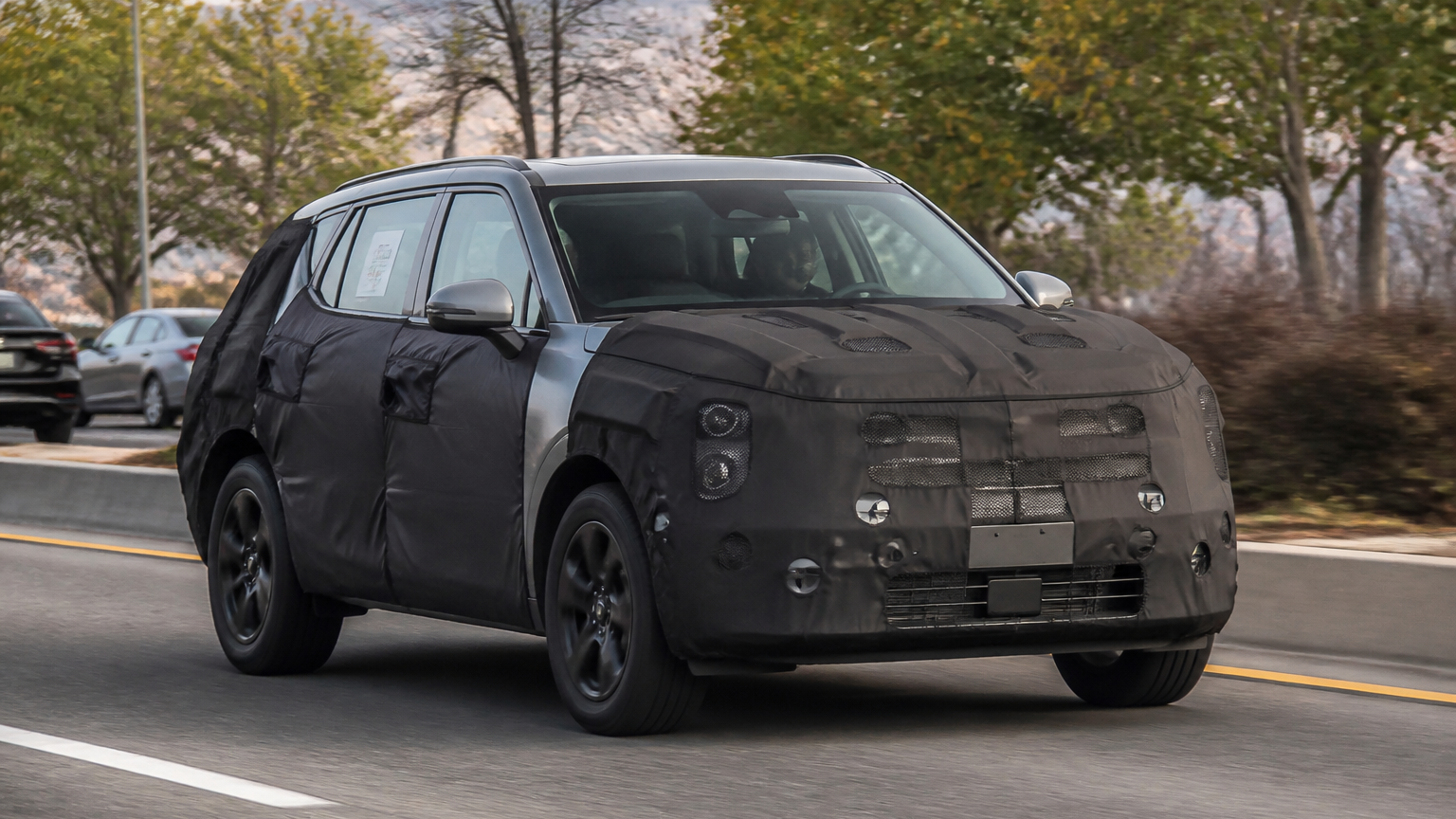
Kia’s next Sportage may get a bolder, boxier redesign, with an upright profile, sharper lines, wider grille and split headlights hinted by spy shots.