Why Electric Scooters Are Flying Off the Shelves in Pakistan
Rising petrol costs have sparked huge interest in electric scooters across Pakistan. Popular models face shortages and long waits, but sales hit new highs. Buyers are paying extra to get one sooner. This shift points to bigger changes in how people move around cities.
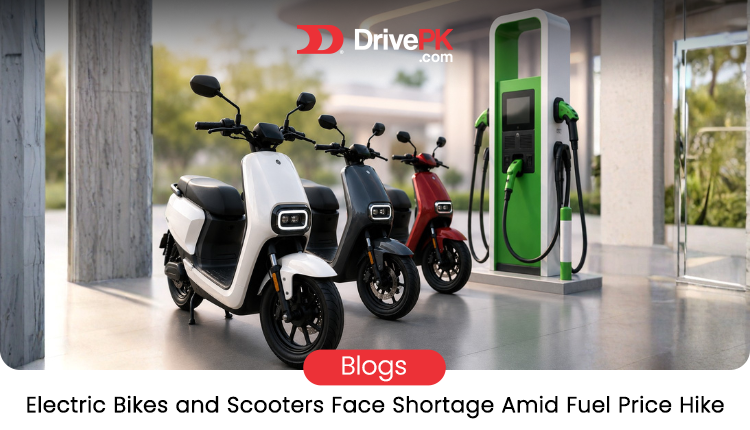
Table of Contents
- What the Numbers Show
- Why Supply Can’t Keep Up
- What Buyers Want Now
- Government Support and Future Outlook
- Real Stories from the Road
- Tips If You’re Looking to Buy
- The Bigger Picture
Petrol prices have gone up again. Many families feel the pinch every time they fill up their bikes. As a result, more people are turning to electric scooters and bikes. These options cost far less to run and help avoid the daily worry about fuel expenses.
Dealers across the country report empty showrooms. Popular models like the Evee T5-L, Velax, and M3-H are hard to find right now. Some buyers wait up to 30 days for delivery. Others pay extra “own money” charges between Rs. 10,000 and Rs. 15,000 just to jump the queue.
What the Numbers Show
Industry sources say around 40,000 electric two-wheelers sold in April alone. Scooters made up nearly 90% of those sales. That’s a big jump from earlier months when average sales hovered closer to 15,000–30,000 units.
This surge did not happen overnight. Recent fuel price hikes—petrol crossing Rs. 399 per litre made the switch practical for daily commuters, students, and delivery riders. Many now spend just a few rupees per kilometre on electricity instead of hundreds on petrol.
Why Supply Can’t Keep Up
Most electric scooters in Pakistan use CKD kits imported from China. Sudden demand caught suppliers off guard. Limited kits for top models created bottlenecks at assembly lines.
Evee officials note they have placed bigger orders. They expect supplies to improve by late May or early June. Other brands are also ramping up. Still, the next few weeks may stay tough for eager buyers.
And that’s not the only pressure. Factories need time to scale production safely while keeping quality in check.
What Buyers Want Now
Early adopters cared mostly about saving money. Today’s customers ask for more. They want better suspension for rough roads, larger wheels for stability, and longer battery range for practical use.
Many riders cover 50–80 km daily. A scooter that goes farther on one charge without frequent recharging wins their trust. Features like Bluetooth connectivity and strong build quality also matter more than before.
Government Support and Future Outlook
The government continues pushing electric vehicles through the PAVE programme and broader EV policy. Subsidies, easier financing for government employees, and targets for local manufacturing help build momentum.
Experts believe these efforts, combined with steady fuel costs, could take annual EV two-wheeler sales to 500,000 units by the end of 2026. That would mark a major shift in Pakistan’s transport mix.
Local assembly is growing. More brands are setting up plants. This should bring prices down over time and create jobs. Reduced oil imports would also ease pressure on the country’s foreign reserves.
Real Stories from the Road
Talk to any rider who switched and you hear similar things. One Lahore commuter told me his monthly fuel bill dropped from Rs. 8,000–10,000 to almost nothing. Another in Karachi likes the quiet ride and no more visits to crowded petrol stations.
Of course, challenges remain. Charging infrastructure is still developing. Battery replacement costs worry some buyers. Yet for short city trips, the benefits clearly outweigh the drawbacks for thousands of new owners.
Tips If You’re Looking to Buy
- Check multiple dealers. Stock and “own money” charges vary by city.
- Ask about warranty and after-sales service. Reliable support matters when something goes wrong.
- Test ride the scooter on real roads if possible.
- Compare running costs properly. Factor in electricity rates in your area.
- Look at battery type LFP batteries are gaining popularity for longer life.
Don’t rush if your model is out of stock. New shipments are coming. Waiting a bit might save you the extra premium.
The Bigger Picture
This is more than a short-term trend. Rising fuel prices simply made electric options realistic for ordinary Pakistanis. As cities grow more crowded and air quality concerns increase, practical electric two-wheelers offer a sensible way forward.
The coming months will test how quickly the industry can meet demand. If supply catches up and quality stays strong, electric scooters could become the default choice for many middle-class households.
Pakistan stands at an interesting crossroads. Higher fuel costs hurt today, but they might accelerate a cleaner, cheaper transport future. For now, the roads are filling with silent, efficient scooters, one rider at a time. For more updates, visit DrivePK.com
Tags
Share this article
About the Author

Najeeb Khan
Automotive enthusiast and writer
Comments (0)
Login Required
You need to be logged in to comment on this article.
No comments yet. Be the first to share your thoughts!
Related Articles
Pak Suzuki Adds NADRA Biometric Verification for Vehicle Deals
Buying a Suzuki? ICT confirms biometrics for vehicle transfers—but not a Pak Suzuki–NADRA dealership partnership. Know what’s actually verified.
Lahore Canal Road Qingqi Rickshaw Ban Explained
Lahore traffic police clarify: no new citywide rickshaw ban—Qingqis and loaders are already barred from Canal Road to ease congestion.
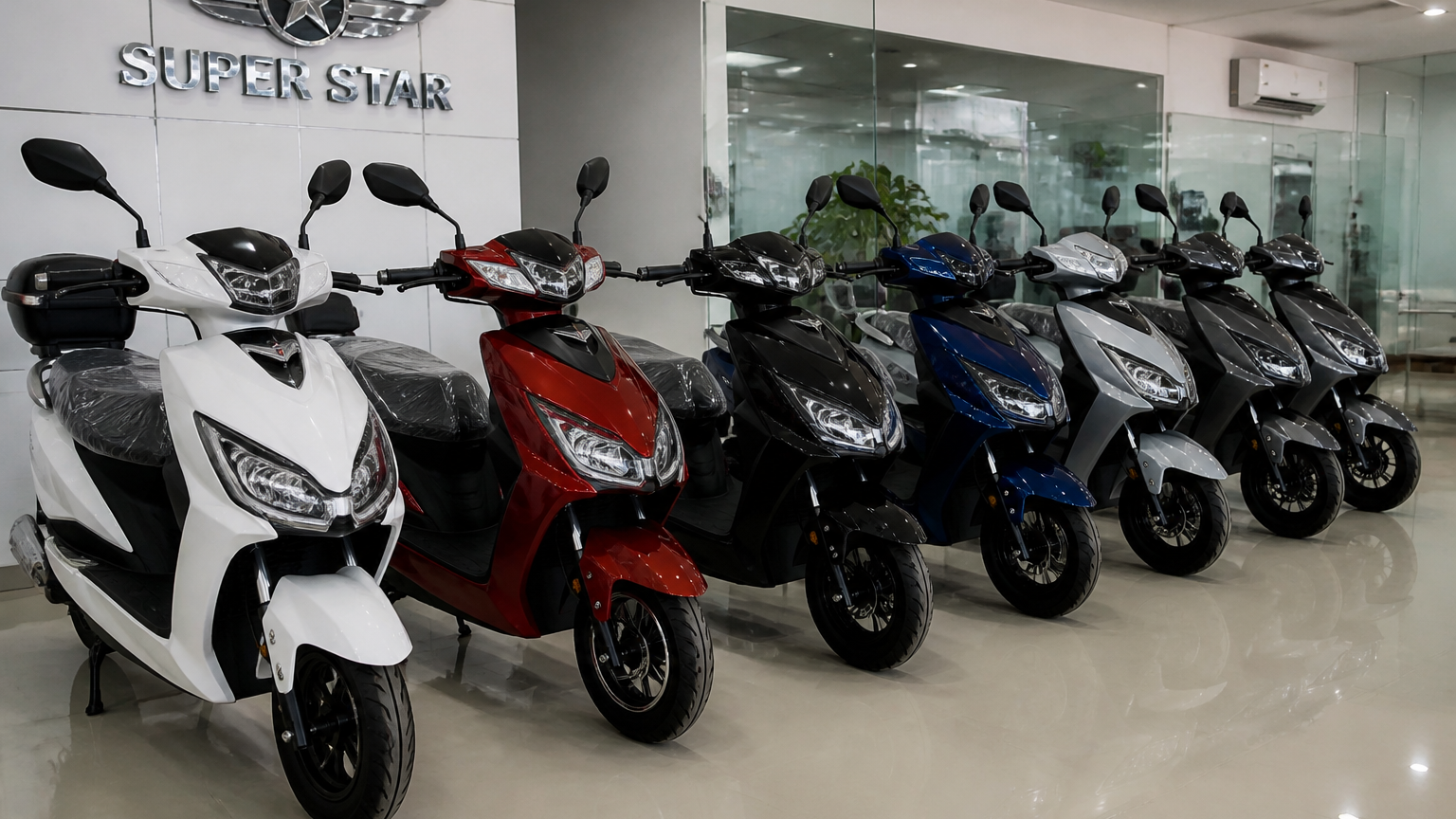
Super Star EV Scooters Price in Pakistan: 8 Models
Super Star now offers 8 EV scooters in Pakistan, priced Rs110,000–270,000—from affordable city rides to longer-range lithium models.