Why You Pay Rs 125 Extra for Every Litre of Petrol
Official documents show petrol in Pakistan sells at Rs 335.18 per litre against a base cost of Rs 209.76. That is Rs 125.42 more. Diesel sits at Rs 383.46 versus a base of Rs 270.92. Taxes, levies and margins make up the gap. Here is what the numbers really mean for daily costs.
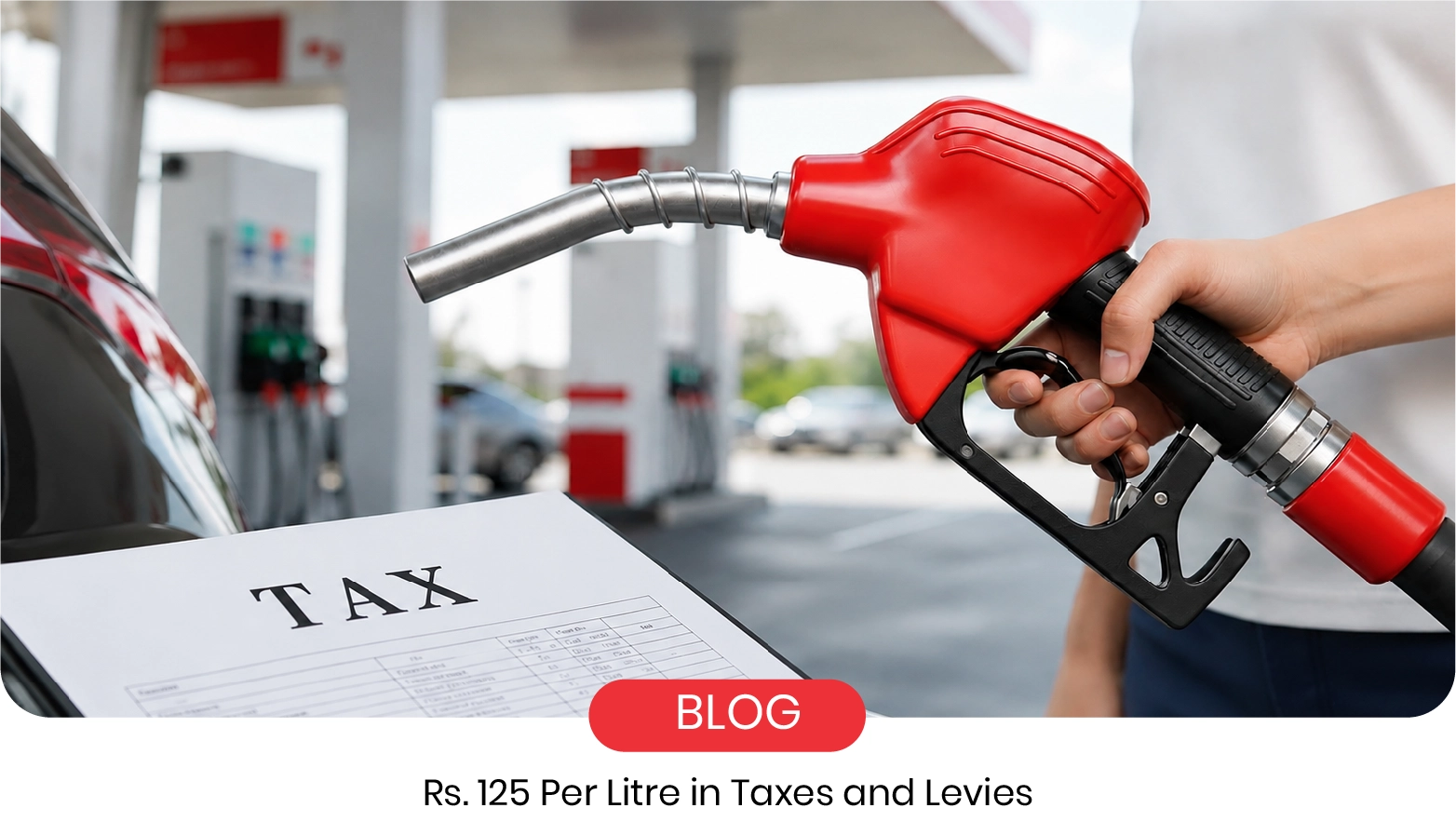
Table of Contents
- What Makes Up the Extra Rs 125 on Petrol
- Diesel Follows the Same Path
- Why the Gap Exists
- Daily Pricing Makes the Numbers Move Faster
- What It Means for Ordinary Budgets
- The Numbers Are Clear and Current
- Can the Gap Shrink?
- Looking at the Full Picture
You fill the tank and the meter climbs fast. At Rs 335.18 a litre for petrol and Rs 383.46 for high-speed diesel, the numbers sting. But the real cost of the fuel itself is much lower.
Official documents put the base cost of petrol at Rs 209.76 per litre. The pump price sits Rs 125.42 higher. Diesel starts at Rs 270.92 and reaches the pump Rs 112.54 above that figure. The extra money does not go to oil producers. It goes to government levies, customs duty, freight equalisation and the margins of oil companies and dealers.
This is not a one-week spike. It is the structure of how fuel is priced in Pakistan right now.
What Makes Up the Extra Rs 125 on Petrol
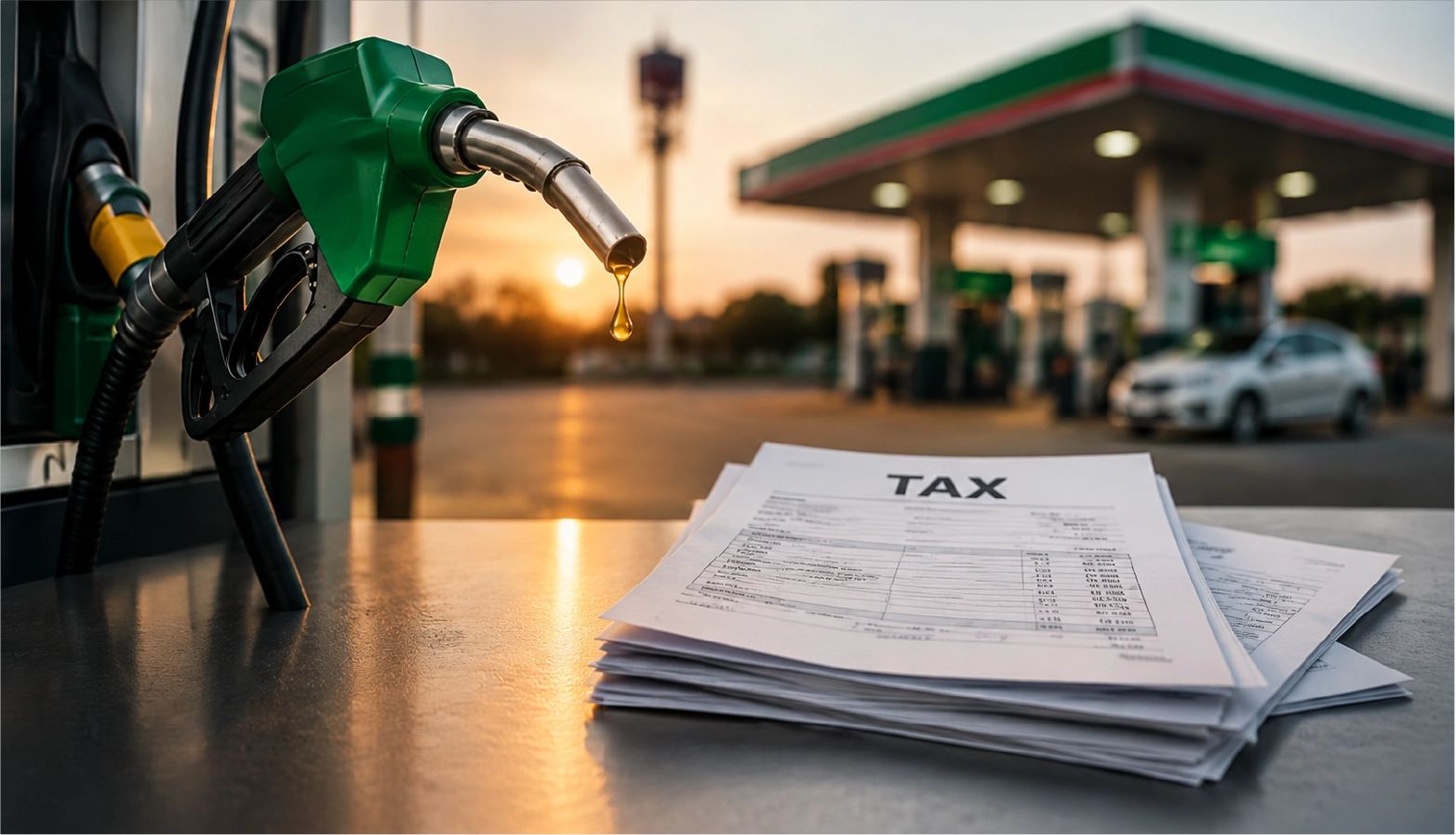
The base cost covers the refined product, import parity, and basic handling. Everything on top is added later.
Petroleum levy takes the largest share. Climate support levy adds another fixed amount. Customs duty is charged on imported volumes. Inland Freight Equalisation Margin, or IFEM, keeps prices the same across cities so a litre in Karachi costs the same as one in Peshawar. Oil marketing companies take a fixed margin. Dealers take theirs at the pump.
Recent official breakdowns put total government charges and supply-chain margins near Rs 95 to Rs 110 on petrol and around Rs 96 to Rs 101 on diesel. The exact split shifts with each price notification, but the pattern stays the same: the base fuel is one number, the final price is another.
Diesel Follows the Same Path
High-speed diesel powers trucks, buses, tractors and generators. Its base cost is higher than petrol because the product itself costs more to refine and import. Yet the added charges still push the retail price more than Rs 112 above that base.
Diesel taxes hit harder in the wider economy. Higher diesel means higher freight rates. Higher freight means higher prices for vegetables, flour, cement and almost everything that moves by road. The chain starts at the pump and ends in household budgets.
Why the Gap Exists
Pakistan needs revenue. Petroleum products deliver large, steady collections every month. Sales of petrol and diesel run into hundreds of thousands of tonnes. A fixed levy on each litre raises billions without new taxes on salaries or shops.
Climate support levy was raised to Rs 5 per litre from July 2026 under budget measures linked to international financing conditions. Petroleum levy was adjusted at the same time so the retail price did not jump overnight. The money still comes from the same litre.
Customs duty protects local refining and adds to the treasury. IFEM spreads transport costs evenly. Company and dealer margins keep the distribution network running. Each piece has a reason. Together they create the Rs 125 gap you see on the price board.
Daily Pricing Makes the Numbers Move Faster
Since mid-2026 the Oil and Gas Regulatory Authority has revised prices more often. Under the new system rates can change daily when international markets shift. In late July petrol reached Rs 335.18 and diesel Rs 383.46 after several consecutive increases.
International crude can fall while local pump prices stay high or rise. The difference is absorbed by adjusting the levy. Lower global prices do not always reach the consumer. Higher global prices almost always do.
What It Means for Ordinary Budgets
A daily wage worker who rides a motorcycle feels every rupee. A family that runs a small shop or delivers goods feels the diesel cost in transport bills. Public transport fares rise when operators pass on the cost. Food prices follow.
Transport inflation has already run high in recent months. Fuel is a major driver. When diesel climbs, the cost of moving goods climbs with it. Shops raise prices. Households cut spending elsewhere. The effect spreads quietly but steadily.
Farmers face higher costs for tractors and tube-well generators. Exporters face higher inland freight. The same litre of diesel that powers a truck also raises the final price of the goods it carries.
The Numbers Are Clear and Current
Base cost of petrol: Rs 209.76
Retail price: Rs 335.18
Difference: Rs 125.42
Base cost of high-speed diesel: Rs 270.92
Retail price: Rs 383.46
Difference: Rs 112.54
These figures come from official pricing documents that list the components: petroleum levy, climate support levy, customs duty, IFEM, oil marketing company margin and dealer margin. The base is the cost before those additions. The retail price is what you pay after them.
Can the Gap Shrink?
Lower international oil prices create room. The government can choose to cut the levy and pass the saving on, or keep the levy high and collect more revenue. Recent history shows the second choice is common when fiscal targets are tight.
Reducing margins or freight equalisation is harder because those costs are real. Changing the tax mix would require new revenue from other sources. Until that happens, the structure stays largely the same.
Transparency helps. When the full breakdown is published, people can see exactly where the money goes. That knowledge does not lower the price, but it removes the mystery.
Looking at the Full Picture
Fuel is not just a transport cost. It is a tax point, a revenue tool and a daily expense for millions. The Rs 125.42 added to petrol and the Rs 112.54 added to diesel are the result of deliberate policy choices layered on top of market costs.
Next time you stand at the pump, the board will show one number. The official documents show two: the base cost of the fuel itself, and everything else that has been added before it reaches your tank. The difference is the real story behind the price you pay.For more updates, visit DrivePK.com
Tags
Share this article
About the Author

Najeeb Khan
Automotive enthusiast and writer
Comments (0)
Login Required
You need to be logged in to comment on this article.
No comments yet. Be the first to share your thoughts!
Related Articles
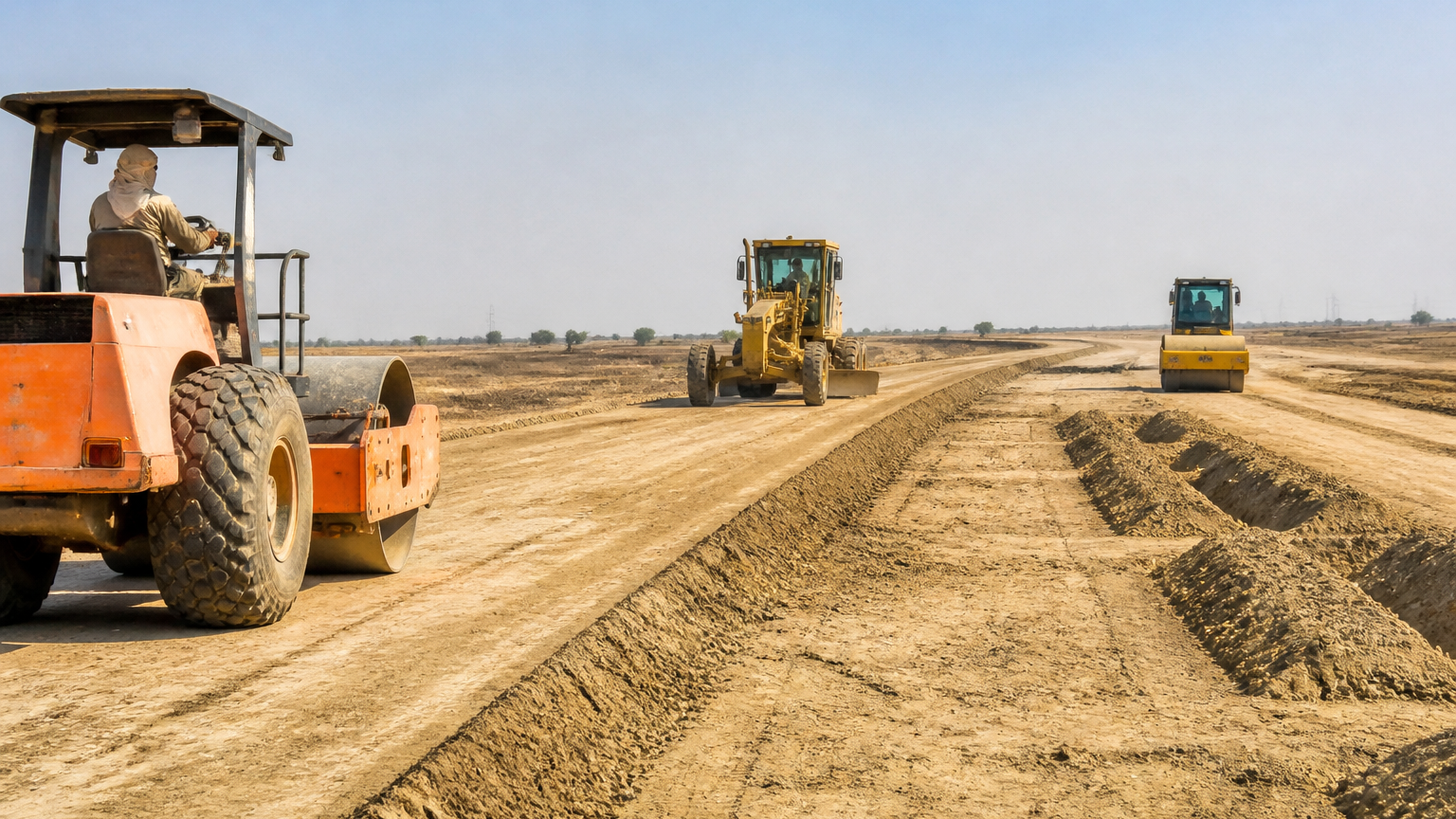
سکھر-کراچی موٹروے پر کام اگلے ماہ شروع ہوگا
سکھر-کراچی موٹروے کی تعمیر اگلے ماہ تین حصوں میں شروع ہوگی، جس سے کراچی پورٹ تک رسائی تیز ہونے کی امید ہے—تاہم منصوبے کی تکمیل کی کوئی تاریخ تاحال نہیں دی گئی۔
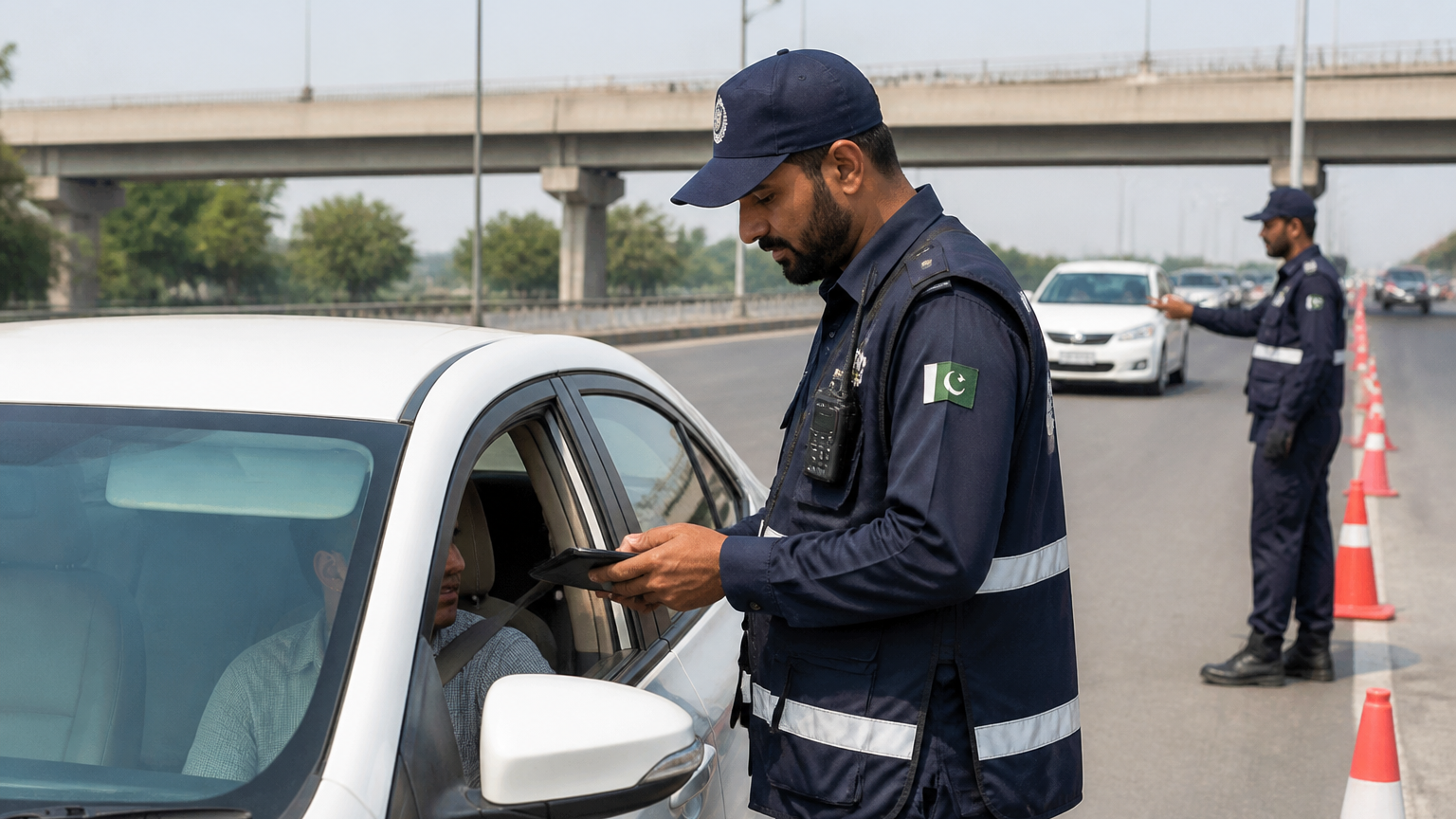
لاہور رنگ روڈ پر جرمانے 10,000 روپے تک پہنچ گئے
لاہور رنگ روڈ پر ڈرائیورز کو مبینہ طور پر 10,000 روپے تک کے جرمانے کا سامنا ہے، جن میں بغیر لائسنس ڈرائیونگ پر 5,000 روپے اور کم عمر ڈرائیونگ پر 10,000 روپے شامل ہیں۔
اسلام آباد ٹریفک لائسنس سروسز آج رات معطل
اسلام آباد ٹریفک لائسنس سروسز 26 اکتوبر رات 11 بجے سے 27 اکتوبر صبح 9 بجے کے بعد تک سسٹم اپ گریڈ کے باعث بند رہ سکتی ہیں—تجدید اور پرمٹس مؤخر کر دیں۔