BYD Applies to Join ACEA: First Chinese Carmaker Eyes Seat at Europe’s Auto Lobby Table
BYD has applied to join the European Automobile Manufacturers’ Association, or ACEA. If accepted, the world’s biggest EV seller would become the first Chinese carmaker in the Brussels-based lobby group. The move comes as BYD faces import tariffs but pushes hard into Europe with rising sales and a new factory in Hungary.
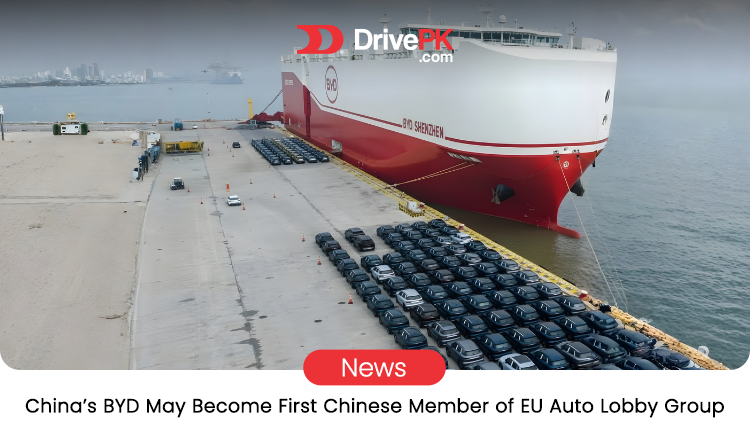
Table of Contents
- What is ACEA and why does membership matter?
- The tariff headache that won’t go away
- Why BYD is betting big on Europe
- What European carmakers think
- Bigger picture for the EV transition
- What happens next
BYD is making waves again. The Chinese company, already the world’s largest seller of electric vehicles, has applied to join the European Automobile Manufacturers’ Association. That’s the big industry group known as ACEA. If the members say yes, BYD would be the first carmaker from China to sit at the table with Europe’s biggest names.
The news broke just days ago. An ACEA spokesperson confirmed the application to Bloomberg and others. No final decision yet, but the timing is no accident. BYD is expanding fast across Europe even as it deals with import tariffs on its EVs. Joining the lobby could give it a real voice in the rules that shape everything from tariffs to emissions standards.
What is ACEA and why does membership matter?
ACEA is based in Brussels. It represents the interests of the auto industry when talking to EU lawmakers and regulators. The group has 17 members right now. You’ll find European heavyweights like Volkswagen and Stellantis, plus non-European players such as Ford and Honda.
These companies work together on policy. They push for (or against) new safety rules, CO2 targets, charging infrastructure plans, and trade measures. For a fast-growing outsider like BYD, getting inside means more than prestige. It means influence.
Right now BYD sells cars into Europe from China. Tariffs add extra cost. Being part of ACEA could help the company shape future decisions on those tariffs or on how EVs get treated under new green rules. It’s a smart way to move from being seen as a disruptor to a serious player inside the system.
The tariff headache that won’t go away
Europe slapped extra duties on Chinese-made EVs back in late 2024. The rates vary. For BYD the additional tariff sits around 17 percent on top of the normal 10 percent import duty. Some other Chinese brands face even higher rates, up to 35 percent or more.
The EU said the tariffs were needed because of heavy government subsidies in China. The goal was to protect local jobs and give European brands time to catch up on affordable EVs.
But tariffs have not stopped the flow. Chinese EV sales in Europe keep climbing. BYD alone registered nearly 29,300 vehicles in January and February 2026 across the EU, UK and other markets. That is almost triple the figure from the same period a year earlier. In February 2026, BYD even edged past Tesla in monthly registrations in some counts.
To get around the duties, BYD is shifting strategy. It started production at a new plant in Hungary. More local manufacturing means fewer imported cars and potentially lower tariff exposure. The company also plans to double its dealer network in Europe by the end of 2026.
Why BYD is betting big on Europe
Europe remains one of the toughest and most important car markets in the world. Buyers care about quality, range, price and brand. BYD arrived with affordable models like the Atto 3, Dolphin and Seal. Many come with long warranties and decent specs for the money.
Sales data from ACEA shows the momentum. In the first two months of 2026, BYD’s registrations jumped 179 percent year-on-year in some reports. Overall Chinese plug-in sales, including hybrids, have grown sharply too.
At the same time, Europe’s own carmakers are under pressure. Volkswagen, Stellantis and others face strict CO2 rules and slowing EV demand in some countries. A price war back in China has made Chinese brands even more competitive globally.
BYD’s overseas sales already topped one million vehicles in 2025. The company has told analysts it expects 1.5 million overseas deliveries in 2026. Europe is a big part of that plan. Local production in Hungary and possibly Turkey will help cut costs and dodge some trade barriers.
What European carmakers think
Not everyone inside ACEA is thrilled. Some members worry that letting BYD in could hand a competitor inside information and voting power on key issues. Others see it as inevitable. The auto business is global now. Chinese brands are already selling here, so why not hear their views directly?
Ford and Honda have been non-European members for years. They bring different perspectives without being seen as a threat to the core European base. BYD could follow the same path.
For BYD the upside is clear. Membership would put it in the same room when the group discusses everything from battery recycling rules to future tariff reviews. The EU is already talking about replacing some tariffs with minimum price agreements. Chinese makers could offer to sell at set prices and commit to more local investment. If those deals happen, having a seat at the lobby table would help BYD shape the details.
Bigger picture for the EV transition
This story is not just about one company. It shows how fast the global auto industry is changing. China went from copying Western designs to leading in battery tech and affordable EVs. BYD now sells more EVs worldwide than Tesla. Its vertical integration — making its own batteries, motors and chips — keeps costs low.
Europe wants to lead on climate goals. It needs millions more EVs on the road to hit its 2035 ban on new petrol and diesel cars. But many buyers still find European EVs too expensive. Chinese options fill that gap.
At the same time, politicians worry about jobs. The traditional supply chains for engines and gearboxes are shrinking. New battery and electric motor plants are being built, but not fast enough in some eyes.
BYD’s move into local production helps on both sides. It creates European jobs. It reduces reliance on pure imports. And it forces everyone to compete harder on price and technology.
What happens next
The ACEA board will discuss the application. A decision could come in the coming weeks or months. Even if approved, BYD would still need to follow the group’s rules and contribute to its work.
Whatever the outcome, the application itself sends a signal. BYD is not just exporting cars anymore. It wants to be part of the conversation that decides the future of the European auto market.
For drivers in Europe the practical effects could show up in two ways. First, more competition might keep prices in check. Second, if local production ramps up, buyers could get faster deliveries and better service.
The bigger question is whether this kind of engagement reduces trade tensions or simply highlights them. Europe and China are still negotiating on EVs. Minimum price deals could replace tariffs for some companies. BYD’s lobbying push shows it wants to be at the centre of those talks.
The auto world is shifting east. Chinese brands are no longer bit players. They are serious contenders with factories, dealers and now a potential voice inside the main European lobby.
Whether ACEA opens the door or not, BYD is already driving hard into the market. The coming months will show if the lobby group decides to keep the conversation private or bring the biggest EV maker in the world into the room.
Either way, Europe’s roads are filling up with more Chinese EVs. And the industry’s old rule book is getting rewritten in real time. For more updates, visit DrivePK.com
Tags
Share this article
About the Author

Najeeb Khan
Automotive enthusiast and writer
Comments (0)
Login Required
You need to be logged in to comment on this article.
No comments yet. Be the first to share your thoughts!
Related Articles
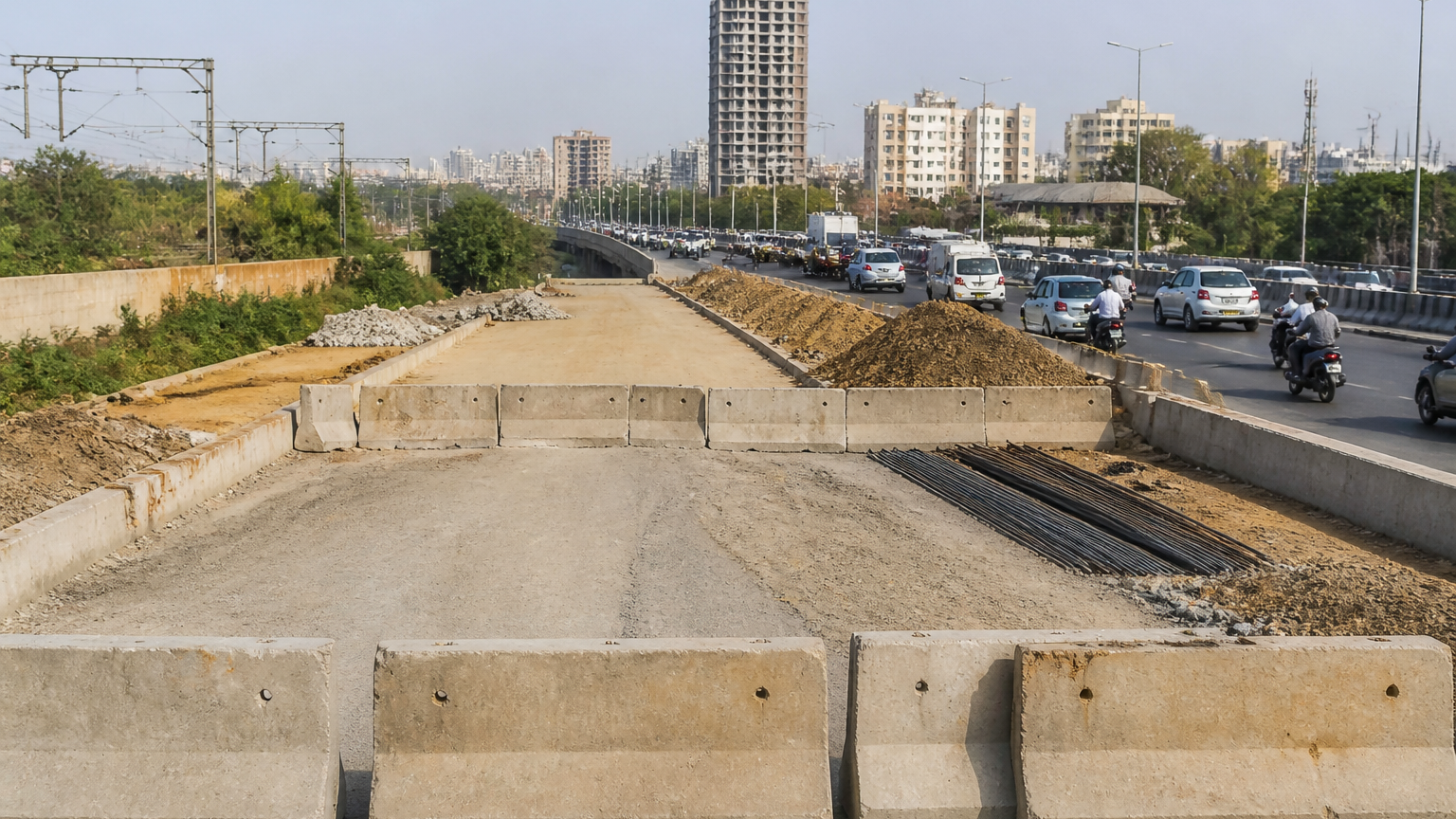
Karachi Link Road Work Halted Over KCR Land Dispute
Karachi’s Natha Khan Link Road promised faster commutes, but a land dispute between KMC and Pakistan Railways now clouds its opening.
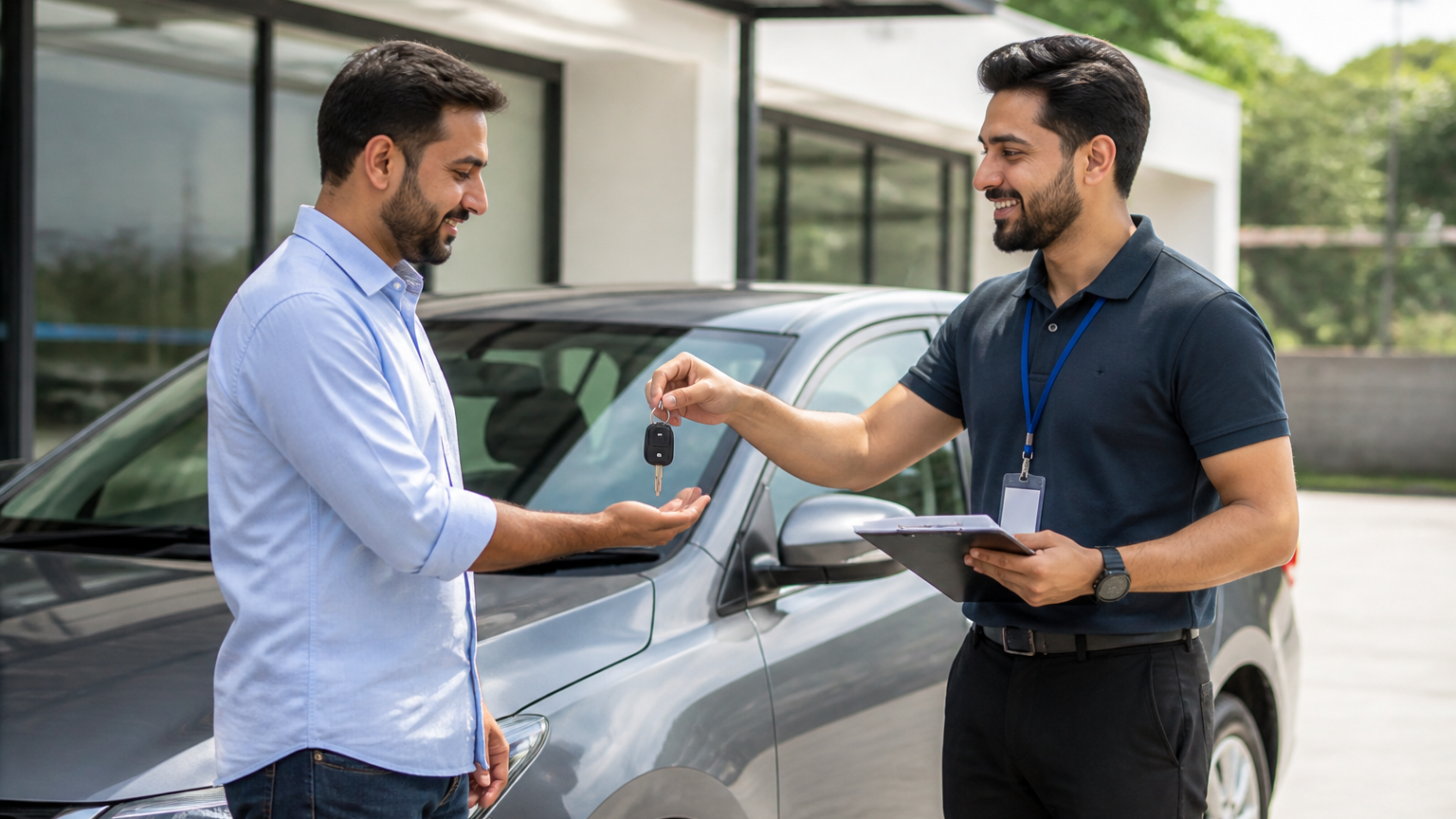
DrivePK Sell It For Me: Let Us Handle Your Car Sale
Selling your car in Pakistan is time-consuming. Before using DrivePK’s Sell It For Me, verify its process, fees, and handover rules first.
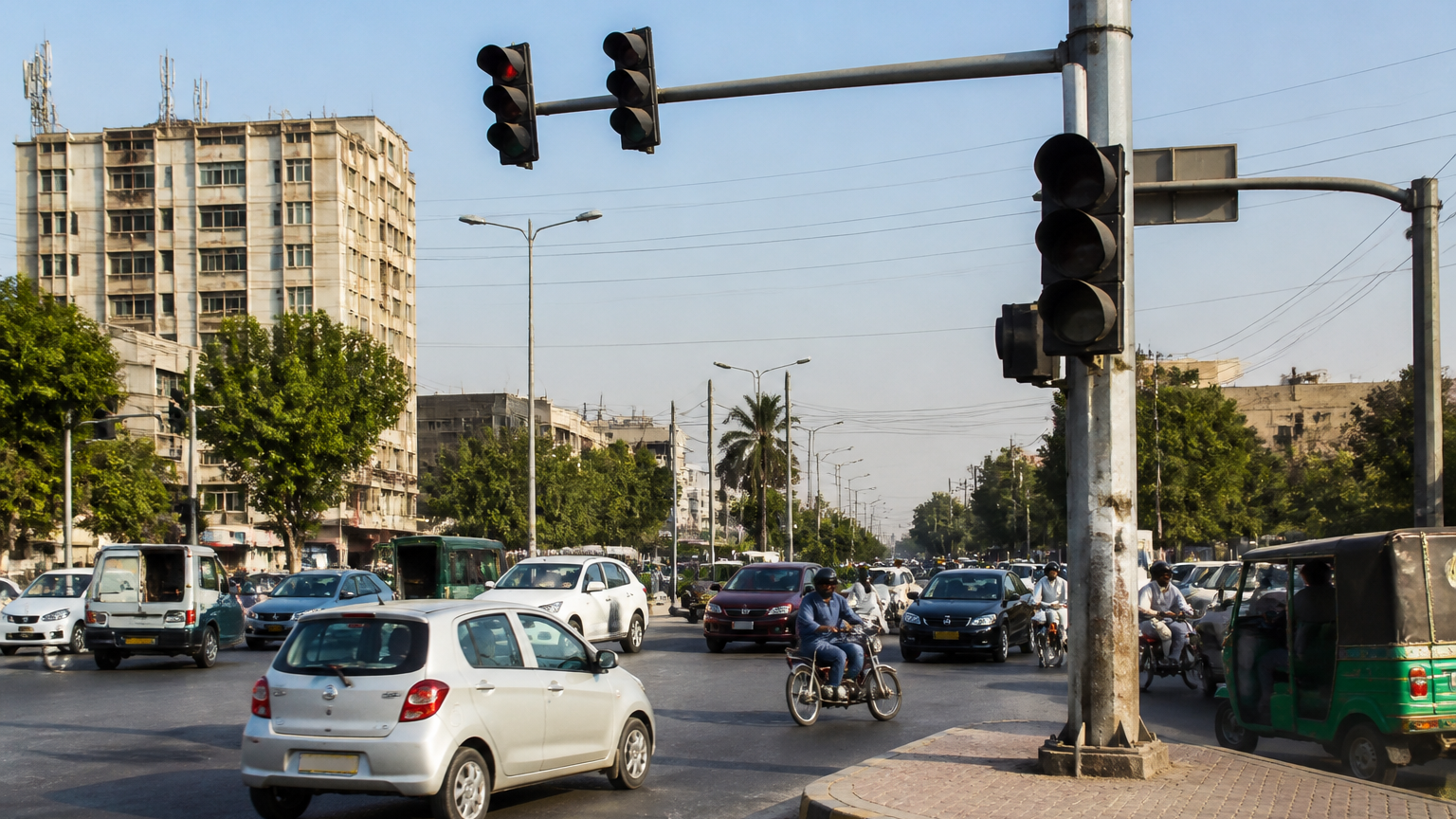
33 Karachi Traffic Signals Fail Amid Cable Theft
Karachi’s traffic chaos deepens: a report says 33 of 94 signals are down, with cable theft blamed—though the figures remain unverified.