BYD February 2026 Sales Report: Decline, Exports Growth, and Market Strategies
BYD sold 190,190 vehicles in February 2026, down 41.1% year-on-year due to Chinese New Year holidays. Exports rose 50.1% to 100,600 units. PHEVs outsold BEVs, while new financing and tech aim to boost demand in a weak market.
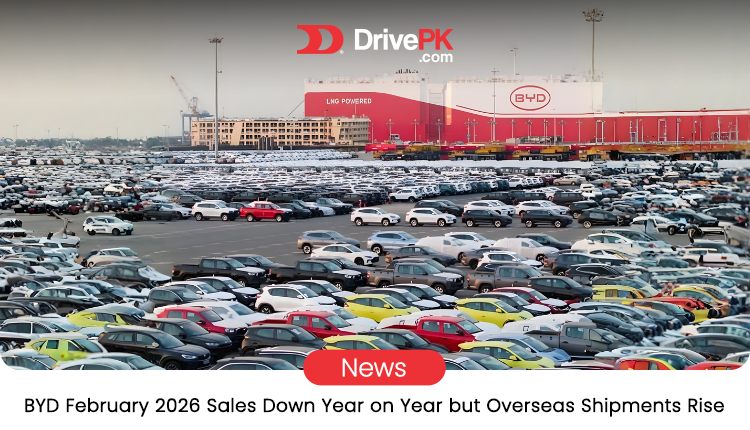
Table of Contents
- Breaking Down the Numbers
- Market Challenges in China
- Exports as a Growth Driver
- What's Next for BYD
BYD just released its sales numbers for February 2026. Total vehicles sold hit 190,190 units. That's down 41.1 percent from last year and 9.5 percent from January. The main reason? Chinese New Year holidays meant fewer working days. Factories and showrooms slowed down. But not everything looks bleak. Exports jumped up, and the company has plans to turn things around.
China's auto market has been tough lately. EV makers face ups and downs. BYD, a big player in new energy vehicles, felt the pinch. Passenger NEV sales came in at 187,782 units. That's the bulk of their business. Plug-in hybrids outsold pure battery electrics again. PHEVs moved 108,243 units, while BEVs sold 79,539. Both categories dropped year-over-year.
Commercial vehicles took a hard hit, too. Sales fell sharply. On the battery side, installed capacity reached 18.773 GWh. Higher than February last year, but lower than January. Exports stood out as a win. They rose 50.1 percent to 100,600 vehicles. That's the fourth month in a row over 100,000. BYD is pushing hard overseas amid weak home demand.
Breaking Down the Numbers
Total sales: 190,190 vehicles. The year-on-year drop stings, but context matters. February had the Spring Festival, which shuts things down for a week or more. People travel home, and business pauses. January was stronger without that break. The 9.5 percent month-over-month decline shows the holiday effect clearly.
NEV passenger cars make up most of BYD's output. 187,782 units sold. That's solid, but down overall. PHEVs led with 108,243. BEVs trailed at 79,539. Why the preference for hybrids? They offer a range without full reliance on charging stations. In China, where infrastructure varies, hybrids appeal more right now. Both types saw declines from last year, pointing to broader market softness.
Exports: 100,600 units, up 50.1 percent. BYD has expanded globally. Markets like Europe and Southeast Asia buy in. This growth offsets some domestic weakness. Four months straight above 100,000 shows momentum. Commercial sales dropped a lot, but details weren't specified. Likely tied to the same holiday slowdown.
Battery capacity: 18.773 GWh installed. Up from last February, down from January. BYD makes its own batteries, a key edge. This figure ties into vehicle production. Higher capacity year-over-year suggests they're building for future demand.
Market Challenges in China
China's EV sector is huge, but it's cooling. Rivals like Geely Auto show mixed results. Some gain, others lose. Overcapacity and price wars hurt profits. BYD isn't alone in this. The government pushes green tech, but consumer spending dips. Economic worries play a role.
BYD responds with moves to spark sales. New seven-year low-interest financing plans rolled out. That makes buying easier in tight times. Later this month, new tech launches. Expect smarter features or better batteries. These could boost demand. In a competitive field, innovation matters.
Look at the bigger picture. China's NEV penetration grows, but February's holiday skewed numbers. March might rebound as work resumes. Analysts watch closely. BYD's stock might fluctuate, but long-term, it's strong.
Exports as a Growth Driver
Exports shine here. 100,600 units in February. Up over 50 percent. BYD ships to more countries now. Models like the Atto 3 and Seal gain fans abroad. Tariffs and regulations challenge, but the demand for affordable EVs helps.
This offsets home market dips. China sells most EVs worldwide, but saturation hits. Going global spreads risk. Four months over 100,000 exports? That's a streak. It shows supply chains work well, even during holidays.
Compared to peers. Tesla focuses on China too, but BYD's hybrid edge helps. Geely mixes results, with some brands up, others down. BYD's battery tech gives an advantage.
What's Next for BYD
BYD preps for recovery. Financing plans aim at buyers hesitant about the price. Seven years of low interest eases payments. New tech this month could include advanced driver aids or longer-range batteries.
The company invests in R&D. They lead in blade batteries, safe and efficient. Amid market weakness, these steps could help. Watch for March sales. Post-holiday, numbers might climb.
Investors eye this. BYD's scale impresses. From buses to cars, they cover it. Challenges exist, but strategies seem solid.
In the end, February's dip ties to holidays. Exports and plans offer hope. China's EV push continues, with BYD at the front. For more updates, visit DrivePK.com
Tags
Share this article
About the Author

Najeeb Khan
Automotive enthusiast and writer
Comments (0)
Login Required
You need to be logged in to comment on this article.
No comments yet. Be the first to share your thoughts!
Related Articles

Karachi Link Road Work Halted Over KCR Land Dispute
Karachi’s Natha Khan Link Road promised faster commutes, but a land dispute between KMC and Pakistan Railways now clouds its opening.

DrivePK Sell It For Me: Let Us Handle Your Car Sale
Selling your car in Pakistan is time-consuming. Before using DrivePK’s Sell It For Me, verify its process, fees, and handover rules first.

33 Karachi Traffic Signals Fail Amid Cable Theft
Karachi’s traffic chaos deepens: a report says 33 of 94 signals are down, with cable theft blamed—though the figures remain unverified.