'Challan Nahi, Helmet' Campaign: Boosting Motorcycle Safety in Pakistan
The National Highways and Motorway Police launched 'Challan Nahi, Helmet' to promote helmet use among motorcyclists. Riders without helmets get advice to buy one instead of a fine. This move aims to cut head injuries and build safer habits on Pakistan's highways.
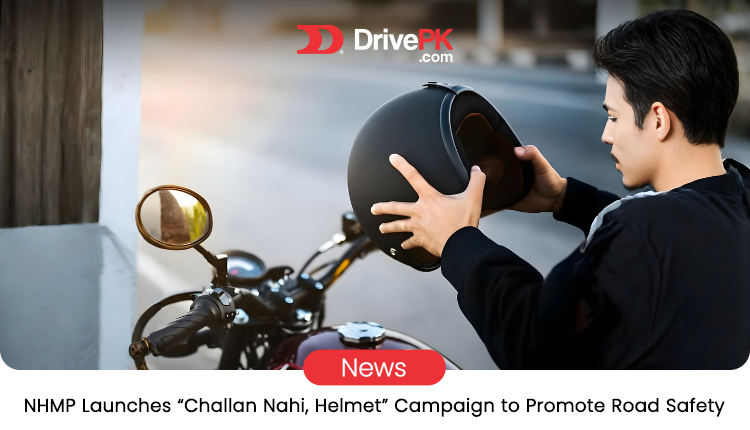
Table of Contents
- What the Campaign Is All About
- Why Helmets Matter So Much in Pakistan
- How the Campaign Works on the Ground
- The Bigger Picture: Building Safer Riding Habits
- Tips for Motorcyclists to Stay Safe
- Challenges and What's Next
- Wrapping It Up
Motorcycle riders in Pakistan face real dangers on the roads every day. Busy highways, unpredictable traffic, and high speeds make accidents common. But one simple item can make a big difference: a helmet. The National Highways and Motorway Police (NHMP) knows this. That's why they started the 'Challan Nahi, Helmet' campaign. It focuses on education over punishment to get more riders wearing helmets.
What the Campaign Is All About
The idea is straightforward. Officers stop motorcyclists without helmets on national highways. Instead of slapping them with a fine right away, they talk about safety. They point out that a good helmet costs about the same as the traffic challan for not wearing one. Riders get a chance to buy a helmet on the spot. If they do and put it on, no fine gets issued. It's a gentle nudge toward better habits.
NHMP officials stress that this isn't about letting people off easy. It's about saving lives. Head injuries are a top cause of death in motorcycle crashes. By making helmets the priority, the campaign hopes to change how riders think about safety. And if someone ignores the advice and keeps riding without one, strict rules kick in with full legal action.
This approach stands out because it builds trust. Riders often see police as enforcers, not helpers. Here, officers act like guides, sharing tips on why helmets matter. It's a shift from fear to understanding.
Why Helmets Matter So Much in Pakistan
Road accidents kill thousands in Pakistan each year. Motorcycles make up a huge part of traffic, especially in cities and on highways. Without helmets, even minor crashes can turn deadly. Stats show that helmets cut the risk of head injuries by up to 70%. They also lower the chance of death by around 40%. These numbers come from global studies, but they hit home in Pakistan too.
In recent years, motorcycle accidents have spiked. Overcrowded roads and lax rules play a role. Many riders skip helmets because of heat, cost, or just habit. But the cost of not wearing one is far higher hospital bills, lost work, or worse. The NHMP campaign tackles this head-on by linking safety to everyday choices.
Think about it. A helmet absorbs impact in a crash. It protects your skull and brain from direct hits. Without it, a fall at even low speeds can cause serious harm. Campaigns like this remind us that safety gear isn't optional; it's essential.
How the Campaign Works on the Ground
Officers patrol key stretches of national highways. They spot riders without helmets and pull them over safely. The chat starts with facts: "A helmet could save your life." They explain that the fine amount is usually around the price of a basic helmet. Vendors often set up nearby, making it easy to buy one quickly.
If the rider agrees, they get the helmet, strap it on, and ride away ticket-free. It's quick and positive. For those who can't buy right then, officers might note details for follow-up. The goal is compliance, not revenue.
This method has roots in behavioral change. Fines alone don't always work; people pay and forget. But education sticks. Riders leave thinking about their safety and maybe tell friends too. Word spreads, creating a ripple effect.
The Bigger Picture: Building Safer Riding Habits
Beyond helmets, the campaign ties into wider road safety efforts. NHMP runs other programs on speed limits, lane discipline, and vehicle checks. But helmets are a starting point because they're so visible and effective.
Safer habits mean fewer accidents overall. Families benefit when riders come home safe. Hospitals see less strain from trauma cases. Even insurance costs could drop with lower risks. It's a win for everyone.
Riders share stories online about positive stops. One might say, "The officer convinced me, so I never ride without my helmet." These tales boost the campaign's reach.
Tips for Motorcyclists to Stay Safe
Want to make the most of this initiative? Start with a good helmet. Look for ones that meet safety standards, like DOT or ECE ratings. Fit matters; it should be snug but comfortable.
Check your bike regularly. Tires, brakes, and lights prevent many issues. Follow speed limits, especially on highways. Use signals and stay visible to other drivers.
Ride defensively. Assume others might not see you. Avoid weaving through traffic. And always wear protective gear beyond helmets, gloves, jackets, and boots help too.
If you're new to riding, take a safety course. Many groups offer them cheaply or free. Knowledge beats guessing every time.
Challenges and What's Next
Not everything is smooth. Some riders resist, seeing it as interference. Heat in summer makes helmets uncomfortable for long rides. Cheap fakes flood markets, offering little protection.
NHMP plans to address this. They might partner with makers for quality helmets at fair prices. Awareness drives could hit schools and communities. Tracking data on accidents before and after will show the impact.
The campaign might expand to more roads or include other gear like reflectors. Success here could inspire similar efforts elsewhere.
Wrapping It Up
'Challan Nahi, Helmet' shows how smart policy can save lives. By choosing advice over fines, NHMP builds a culture of safety. Riders get empowered, not penalized. If you're on a bike in Pakistan, grab that helmet. It's your best defense on the road.
This push reminds us: safety starts with small steps. One helmet at a time, we make highways safer for all. Stay safe out there.For more updates, visit DrivePK.com
Tags
Share this article
About the Author
Najeeb Khan
Automotive enthusiast and writer
Comments (0)
Login Required
You need to be logged in to comment on this article.
No comments yet. Be the first to share your thoughts!
Related Articles
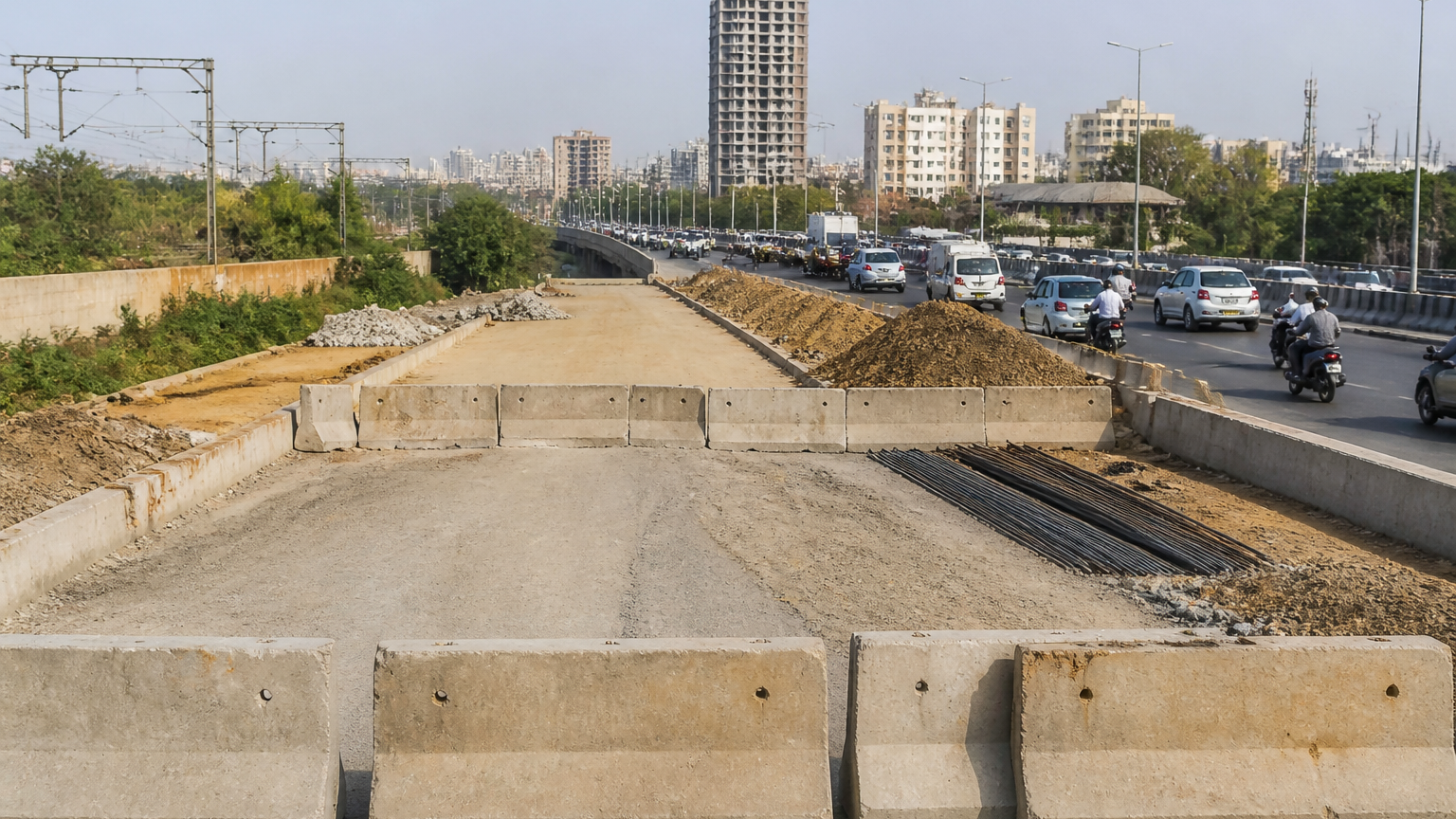
Karachi Link Road Work Halted Over KCR Land Dispute
Karachi’s Natha Khan Link Road promised faster commutes, but a land dispute between KMC and Pakistan Railways now clouds its opening.
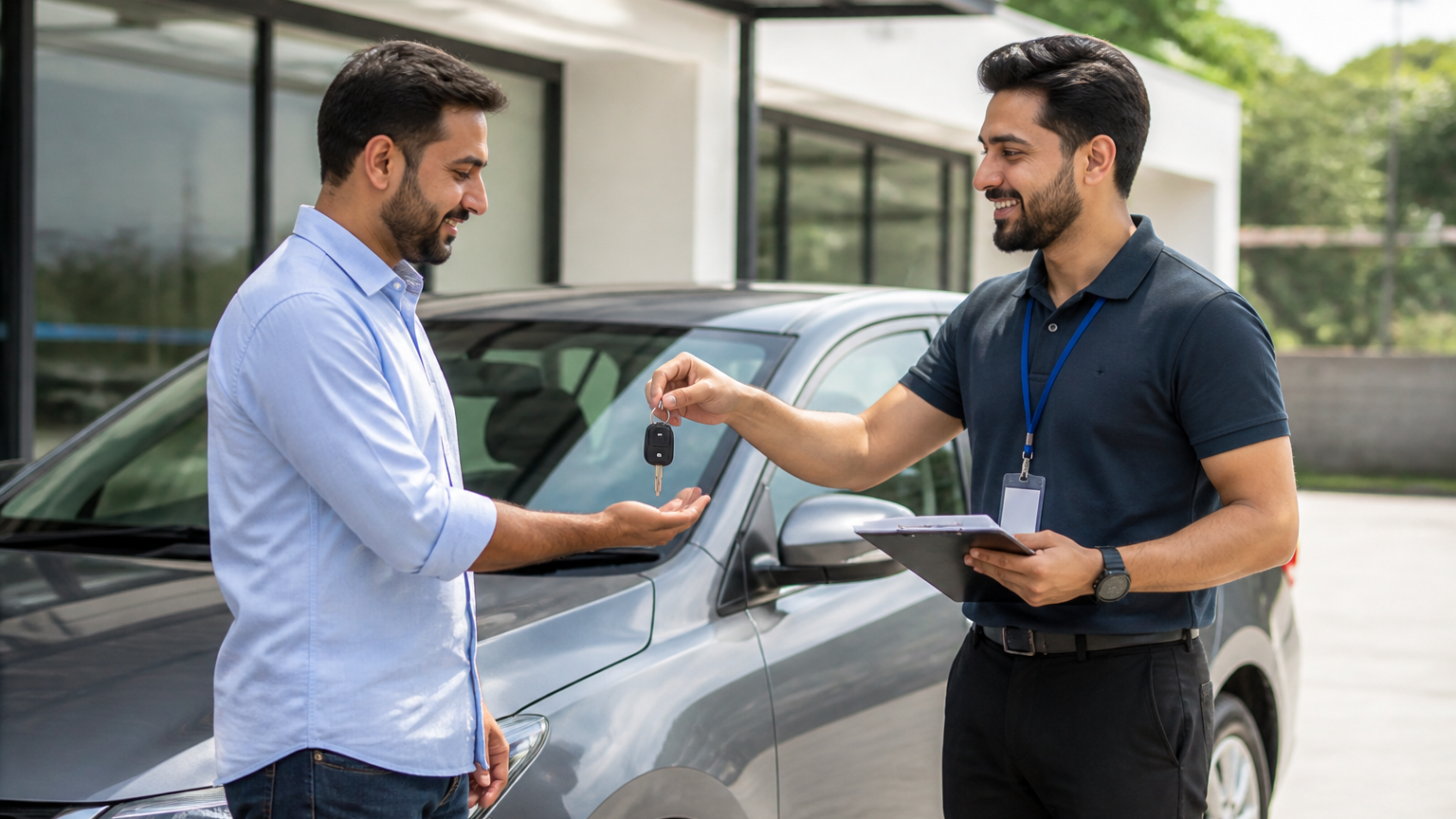
DrivePK Sell It For Me: Let Us Handle Your Car Sale
Selling your car in Pakistan is time-consuming. Before using DrivePK’s Sell It For Me, verify its process, fees, and handover rules first.
33 Karachi Traffic Signals Fail Amid Cable Theft
Karachi’s traffic chaos deepens: a report says 33 of 94 signals are down, with cable theft blamed—though the figures remain unverified.