Geely i-HEV Hybrid System: Record 2.22L/100km Efficiency Challenges Toyota
Geely has rolled out its new i-HEV Intelligent Hybrid system with AI that adjusts energy use based on real-time weather and road conditions. A test Emgrand model hit 2.22 liters per 100 km and earned a Guinness World Record. The tech heads to the Preface, Monjaro, Starray, and Emgrand this year and could finally give Japanese hybrids some real competition.
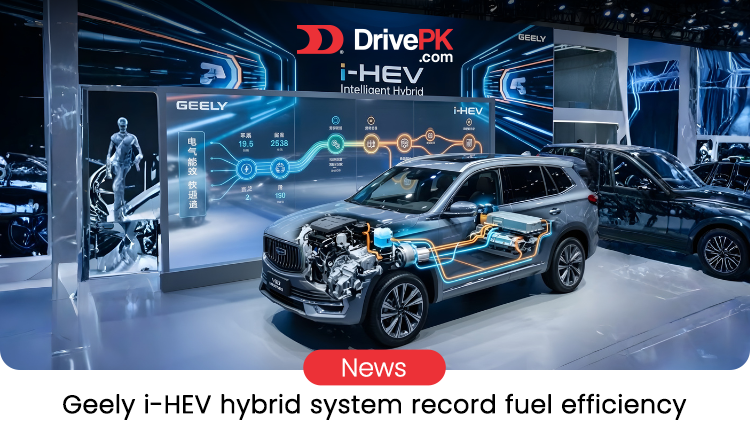
Table of Contents
- Geely’s i-HEV Hybrid: Finally a Real Threat to Toyota?
- What Makes the i-HEV Different
- The Models Getting It First
- Why This Matters for the Hybrid Market
- Real-World Driving Experience
- How It Stacks Up Against the Competition
- What Drivers Can Expect
- The Road Ahead
Geely has rolled out its new i-HEV Intelligent Hybrid system with AI that adjusts energy use based on real-time weather and road conditions. A test Emgrand model hit 2.22 liters per 100 km and earned a Guinness World Record. The tech heads to the Preface, Monjaro, Starray, and Emgrand this year and could finally give Japanese hybrids some real competition.
Geely’s i-HEV Hybrid: Finally a Real Threat to Toyota?
Geely Auto just dropped its i-HEV Intelligent Hybrid system. And no, this is not another flashy concept. It is rolling into showrooms this year. The company claims the system can squeeze every drop of energy out of a tank while keeping things simple and reliable. After years of Japanese brands owning the hybrid game, Chinese engineers are stepping up with something different.
The numbers speak for themselves. In a highway test around Hainan Island, a Geely Emgrand fitted with the i-HEV used just 2.22 liters per 100 km. That figure earned Geely a new Guinness World Record. For context, that works out to roughly 106 miles per gallon on the highway. Most drivers will never see that exact number in daily life, but it shows the system can run extremely lean when conditions line up.
What Makes the i-HEV Different
At its core the i-HEV is a conventional hybrid. No plug required. It pairs a high-efficiency petrol engine with electric motors and a small battery. The real magic sits in the AI-based energy management.
Geely calls it AI Cloud Power. The system constantly checks outside temperature, humidity, altitude, and even road conditions. Then it decides, second by second, whether the car should run on the engine, the motor, or a mix of both. Engineers say this smart approach lifts overall energy efficiency by more than 10 percent compared with older hybrid setups.
The engine itself hits a thermal efficiency of 48.41 percent. That is one of the highest figures you will find in any mass-produced car right now. Higher efficiency means less fuel wasted as heat. The powertrain uses a P1+P3 layout with an 11-in-1 integrated electric drive unit that puts out 230 kW. In pure electric mode the car can reach 66 km/h and sprint from 0 to 30 km/h in just 1.84 seconds. Quick enough for city traffic without waking the engine.
The Models Getting It First
Geely plans to fit the i-HEV across four popular models starting this year:
- Preface (also known as Xingrui)
- Monjaro (Xingyue L)
- Starray (Boyue L in some markets)
- Fifth-generation Emgrand
These are not niche cars. The Emgrand alone sells in big numbers across many markets, including parts of Asia and the Middle East. Giving the hybrid treatment to these volume models means the tech will reach everyday drivers, not just buyers hunting for the latest flagship.
Why This Matters for the Hybrid Market
Toyota has led the hybrid world for decades. Their Prius and other models proved hybrids could save fuel without asking owners to change their habits. But the game has moved on. Drivers now expect smarter systems that adapt to real weather, hills, and traffic.
Geely is not claiming it has invented the hybrid. Instead it is saying its version is smarter because of the AI layer. The onboard computing power also handles intelligent driving features that Japanese hybrids have not matched yet, according to Geely. That is a bold statement, but early tests suggest the system does keep the engine in its sweet spot more often.
Fuel prices keep climbing in many countries. A hybrid that reliably dips below 4 liters per 100 km in mixed driving can save drivers hundreds of dollars a year. Add lower emissions and the appeal grows, especially for buyers who like the idea of electric driving but do not want the hassle of charging.
Real-World Driving Experience
Geely says the i-HEV runs on electric power for up to 80 percent of typical city trips. The petrol engine only kicks in when it is most efficient. Drivers should notice quieter operation and smoother power delivery. The battery is liquid-cooled and rated IP68, so it stays protected from dust and water. Geely also built in real-time monitoring that can spot more than 50 types of faults before they become problems.
Of course, real results will depend on how people drive, the climate they live in, and maintenance habits. Still, the lab and test-track figures look strong enough to make people pay attention.
How It Stacks Up Against the Competition
Toyota’s latest hybrids are excellent. They are proven, reliable, and sold worldwide. Honda’s systems are smooth too. But neither has yet rolled out an AI layer that constantly rewrites the energy map based on live weather data.
Geely’s approach leans on its Full-domain AI 2.0 platform and i-CMA vehicle architecture. Everything powertrain, chassis, cockpit, and safety systems—talks through one central brain. That integration is what lets the car think ahead instead of just reacting.
Industry watchers see this as Geely’s serious attempt to move beyond low-cost EVs and into the profitable mainstream hybrid segment. The company already owns Volvo and has partnerships around the globe. This launch shows it can develop advanced powertrains in-house.
What Drivers Can Expect
If you are shopping for a new car in 2026, the i-HEV versions of the Preface, Monjaro, Starray, and Emgrand could offer strong value. Lower running costs, modern tech, and the peace of mind that comes with a big-name Chinese manufacturer that is investing heavily in quality.
Geely has not released final pricing yet, but the goal is clear: make advanced hybrid driving accessible, not exclusive. Early signs point to competitive sticker prices that undercut some Japanese rivals while matching or beating their efficiency numbers.
The Road Ahead
Hybrids are not going away anytime soon. Many buyers still prefer the freedom of petrol stations over waiting for a charger. Geely’s i-HEV shows how a new player can use AI and smart engineering to close the gap on decades of Japanese experience.
Whether the system truly dethrones Toyota remains to be seen. But the 2.22 L/100 km record and the AI-driven brains behind it prove one thing: the hybrid game just got a lot more interesting.
This launch is not just about one car company flexing numbers. It is about giving drivers around the world a practical, efficient, and intelligent option that does not ask them to compromise on range or convenience. And that is exactly the kind of progress the market needs right now.
For more updates, visit DrivePK.com
Tags
Share this article
About the Author

Najeeb Khan
Automotive enthusiast and writer
Comments (0)
Login Required
You need to be logged in to comment on this article.
No comments yet. Be the first to share your thoughts!
Related Articles
Toyota Corolla Discontinued Before Pakistan Facelift
Pakistan’s pre-facelift Toyota Corolla is reportedly discontinued, hinting at a facelift. Prices, bookings, specs and launch timing remain unconfirmed.
DrivePK Car Inspection Reports: Buy with Confidence
Buying a used car in Pakistan? A pre-purchase inspection can reveal hidden damage, engine issues and red flags before you pay—but it’s not enough alone.
2028 Kia Sportage: Major Design Changes Spotted
Kia’s next Sportage may get a bolder, boxier redesign, with an upright profile, sharper lines, wider grille and split headlights hinted by spy shots.