Honda Insight EV Japan 2026: First China-Made EV Launches Spring with 545km Range
Honda is exporting its first China-made electric vehicle to Japan, the Dongfeng e: NS2, as the revived Insight EV. With a 68.8 kWh CATL battery and 545 km range, pre-orders open March 19 for 3,000 limited units. The move strengthens Honda’s lineup while using idle Chinese factories.
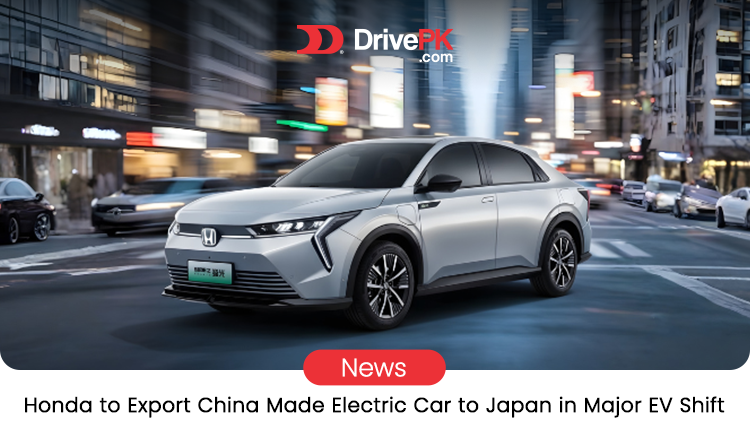
Table of Contents
- Why Honda Is Importing from China Now
- What the New Insight EV Brings to Japan
- How It Fits into a Crowded Japanese EV Market
- What This Says About Honda’s Bigger EV Push
- What Buyers Should Watch For
Honda is making a quiet but important shift in its electric vehicle plans. For the first time, the company will bring a car built in China straight to Japanese buyers. The model is the Dongfeng Honda e: NS2, and it will arrive under the revived Insight nameplate. Pre-orders open on March 19, with sales starting in spring 2026. Only 3,000 units are coming to Japan at first.
This move uses idle factory space in China and gives Honda a stronger EV option at home. It’s a practical step as the company fights tough competition everywhere.
Why Honda Is Importing from China Now
Honda’s sales in China dropped 24 percent in 2025, down to about 645,000 vehicles. Chinese brands like BYD and Geely keep winning with lower prices and fast tech updates. Honda’s joint venture plants have extra capacity sitting unused.
Rather than shut lines down, Honda decided to export. The e:NS2 is already built and proven in China. Adapting it for Japan is faster and cheaper than starting from scratch. This is the first time any Japanese automaker has sold a China-made EV back home. It shows how supply chains are changing fast.
The Insight name adds trust, too. The original Insight launched in 1999 and became a symbol of efficient driving. The last hybrid version ended in 2022. Bringing the name back as a modern electric crossover feels like a fresh start.
What the New Insight EV Brings to Japan
This is no small city car. It’s a coupe-crossover with a 68.8 kWh battery from CATL. Honda says it delivers 545 kilometers of range, the longest of any Honda EV sold in Japan right now.
That range beats the old Honda e, which only managed 259 km. Drivers will notice the difference on daily commutes or weekend trips. The car will be tuned to Japanese standards for safety, charging, and road feel.
Production happens at Dongfeng Honda’s plant in China. Honda then ships the finished vehicles to Japan. Early numbers stay low at 3,000 units, so it’s a careful test of demand.
Pricing hasn’t been announced yet, but early reports point to 5.5 to 6 million yen before subsidies. With Japanese EV incentives, the real cost could drop closer to 4 million yen for many buyers.
How It Fits into a Crowded Japanese EV Market
Japan still loves hybrids, but pure EVs are gaining ground. Toyota’s bZ4X, Nissan’s Ariya, and Tesla’s Model Y already sit in showrooms. Honda has lagged with only two small electric minicars so far.
The new Insight fills that gap. It offers a real range without a huge price tag. The familiar Honda badge and Insight name should help it stand out from pure Chinese imports.
For Japanese buyers, it means more choice. Longer range at a reasonable cost could finally pull some people away from hybrids.
What This Says About Honda’s Bigger EV Push
Honda wants to sell more electric vehicles worldwide. This reverse import from China is one piece of the puzzle. It keeps Chinese factories busy and gives Japan quick access to good technology.
At the same time, Honda keeps developing its own new EVs for other markets. The strategy feels balanced, using what works where it works best.
Challenges remain. Competition in China stays fierce. In Japan, many drivers still prefer hybrids for their convenience. But this limited launch gives Honda real data on what buyers actually want.
If the new Insight sells well, expect more China-made models to follow. If not, Honda can adjust quickly.
What Buyers Should Watch For
Pre-orders start March 19. That’s just two weeks away. Anyone interested in a practical electric crossover with a strong range should keep an eye on Honda’s website and dealers.
This isn’t a flashy concept car. It’s a real vehicle you can actually buy soon. For Honda fans who have waited for better EV options, the revived Insight could be the one that finally clicks.
The move also shows how global carmaking is evolving. China builds great batteries and efficient EVs. Japan brings its engineering standards and trusted brands. When those two come together, drivers win.
Honda’s quiet experiment could turn into something bigger. For now, it’s a smart way to use existing resources and give Japanese roads one more solid electric choice. For more updates, visit DrivePK.com
Tags
Share this article
About the Author

Najeeb Khan
Automotive enthusiast and writer
Comments (0)
Login Required
You need to be logged in to comment on this article.
No comments yet. Be the first to share your thoughts!
Related Articles

Karachi Link Road Work Halted Over KCR Land Dispute
Karachi’s Natha Khan Link Road promised faster commutes, but a land dispute between KMC and Pakistan Railways now clouds its opening.

DrivePK Sell It For Me: Let Us Handle Your Car Sale
Selling your car in Pakistan is time-consuming. Before using DrivePK’s Sell It For Me, verify its process, fees, and handover rules first.

33 Karachi Traffic Signals Fail Amid Cable Theft
Karachi’s traffic chaos deepens: a report says 33 of 94 signals are down, with cable theft blamed—though the figures remain unverified.