How Imported Used Cars Are Hurting Pakistan's Auto Industry
The Competition Commission of Pakistan reports that over 38,000 imported used cars in FY25 caused Rs 60 billion in losses to the local auto industry and displaced 40,000 jobs. Blame falls on the misuse of import schemes. The study calls for stricter rules to protect domestic production and save forex.
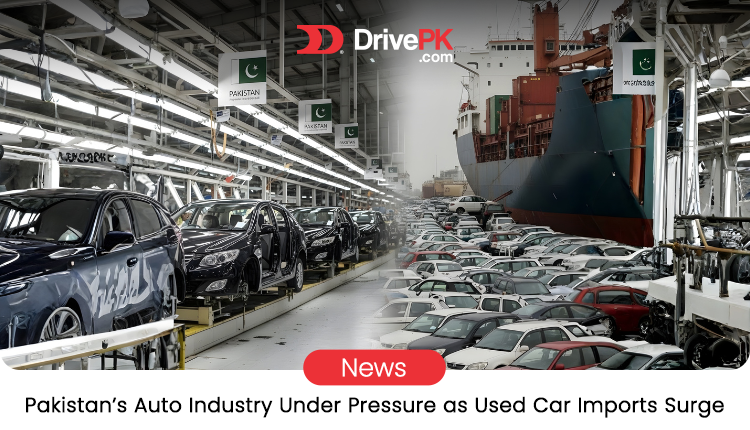
Table of Contents
- The Ripple Effect on Local Production
- Pressure on Foreign Exchange and Taxes
- Lessons from the Past
- What's Driving the Import Surge?
- CCP's Fix: Tighter Rules and Better Oversight
- What It Means for Buyers and Sellers
- Looking Forward
Pakistan's car market faces tough times. A fresh report from the Competition Commission of Pakistan (CCP) spells it out: used vehicle imports drained Rs 60 billion from the local industry in FY25. That's a big hit. And it didn't stop there; over 40,000 jobs vanished because of it.
The numbers tell the story. More than 38,000 used cars flooded in during the fiscal year. They grabbed nearly a quarter of all passenger vehicle sales. Schemes meant for overseas Pakistanis, like Gift, Transfer of Residence, and Baggage, got twisted for commercial gain. What started as help for expats turned into a loophole for dealers.
The Ripple Effect on Local Production
Each imported car pushes out a locally made one. That's the CCP's key point. Domestic assembly lines suffer, and so do parts makers. Pakistan's auto parts sector saves about USD 1.25 billion yearly by swapping imports for homegrown stuff. But with cheap used cars rolling in, that edge slips away.
Localization has been a goal for years. It builds skills, creates jobs, and cuts reliance on foreign goods. Yet these imports undo the progress. Factories slow down. Suppliers struggle. The whole chain feels the squeeze.
And jobs? The 40,000 lost spots aren't just stats. They're mechanics, welders, and engineers out of work. In places like Lahore or Karachi, where auto hubs thrive, families feel the pinch. It's not abstract; it's real livelihoods on the line.
Pressure on Foreign Exchange and Taxes
Pakistan's forex reserves take a beating too. Importing used cars means dollars flow out. The country already wrestles with balance-of-payments issues. Adding this burden makes it worse. Local production keeps money circulating inside, boosting the economy.
Then there's tax revenue. The auto value chain pumps in Rs 302 billion annually. That's duties, sales tax, and more. If imports keep rising, that pot shrinks. Government coffers suffer, which hits public services like roads or schools.
The CCP warns this could snowball. Fewer local sales mean less investment. Automakers might pack up, just like before.
Lessons from the Past
History repeats itself if we ignore it. The report nods to earlier policy shifts. Back when rules loosened, big names bailed: Hyundai, Nissan, Chevrolet, Fiat. Factories shut. Jobs evaporated. It took years to recover.
Those exits weren't random. Loose imports killed demand for new local cars. The same risk looms now. Without checks, more brands could flee. Pakistan's auto sector, still young compared to neighbors like India, can't afford that setback.
But it's not all doom. The industry has grown. New players, as Chinese firms entered. Electric vehicle talks buzz. Yet unchecked imports threaten to stall that momentum.
What's Driving the Import Surge?
Why are so many used cars available? Affordability tops the list. New vehicles cost a fortune with high taxes and duties. Used imports, often from Japan or the UK, come cheaper. Schemes for overseas Pakistanis add fuel, with zero or low duties make them attractive.
But misuse is rampant. Dealers exploit these for bulk imports, not personal use. A family gift turns into showroom stock. The CCP spots this as the core problem. It's not the schemes themselves, but the lack of oversight.
Environmental angles matter too. Many imports are old, polluting models. Pakistan pushes for greener rides, but these slip through. The report urges limits to eco-friendly vehicles only.
CCP's Fix: Tighter Rules and Better Oversight
The Commission doesn't just complain, it suggests solutions. First, clamp down on personal import schemes. Verify users are genuine expats, not fronts for businesses.
Second, channel imports through regulated paths. No more wild west. Set quotas or standards to protect locals.
Third, craft a steady policy. Flip-flops scare investors. Stick to rules that favor localization and green tech.
These steps could turn things around. Protect jobs, save forex, and keep taxes flowing. It's about balance allow some imports but not at the cost of the home industry.
Other countries do it. India caps used car imports tightly. Thailand ties them to emissions standards. Pakistan could borrow those ideas.
What It Means for Buyers and Sellers
For car shoppers, options might slim. Used imports offer a variety of hybrids or SUVs hard to find locally. But if rules tighten, prices could rise. On the flip side, a stronger local industry means better quality and service.
Dealers in used cars face heat. Shift to legit channels or pivot to new vehicles. It's a wake-up call.
Automakers win if imports are curbed. More sales mean expansion. Parts makers breathe easier.
The government plays referee. Enforce rules without killing choice. Aim for fair play.
Looking Forward
Pakistan's auto sector stands at a crossroads. The CCP report shines a light on the dangers. Act now, and it thrives. Ignore it, and repeat past mistakes.
Stakeholders must team up. Government, industry, and even consumers. Push for policies that build, not break.
In the end, it's about a self-reliant economy. Fewer imports, more local wins. That Rs 60 billion loss? Turn it into growth. The jobs? Bring them back. With smart moves, Pakistan's roads could be lined with home-built rides. For more updates, visit DrivePK.com
Tags
Share this article
About the Author

Najeeb Khan
Automotive enthusiast and writer
Comments (0)
Login Required
You need to be logged in to comment on this article.
No comments yet. Be the first to share your thoughts!
Related Articles
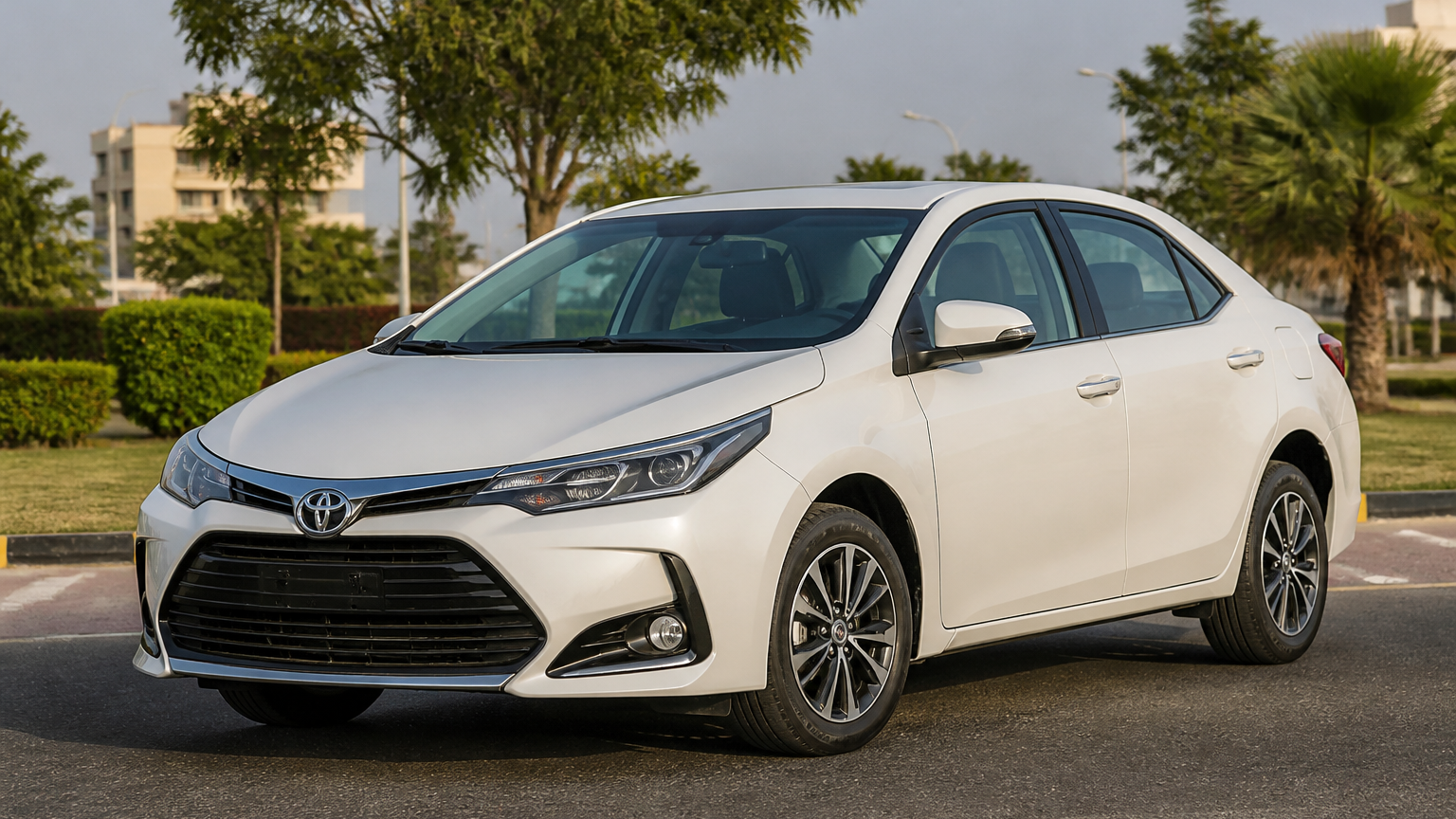
Toyota Corolla Discontinued Before Pakistan Facelift
Pakistan’s pre-facelift Toyota Corolla is reportedly discontinued, hinting at a facelift. Prices, bookings, specs and launch timing remain unconfirmed.
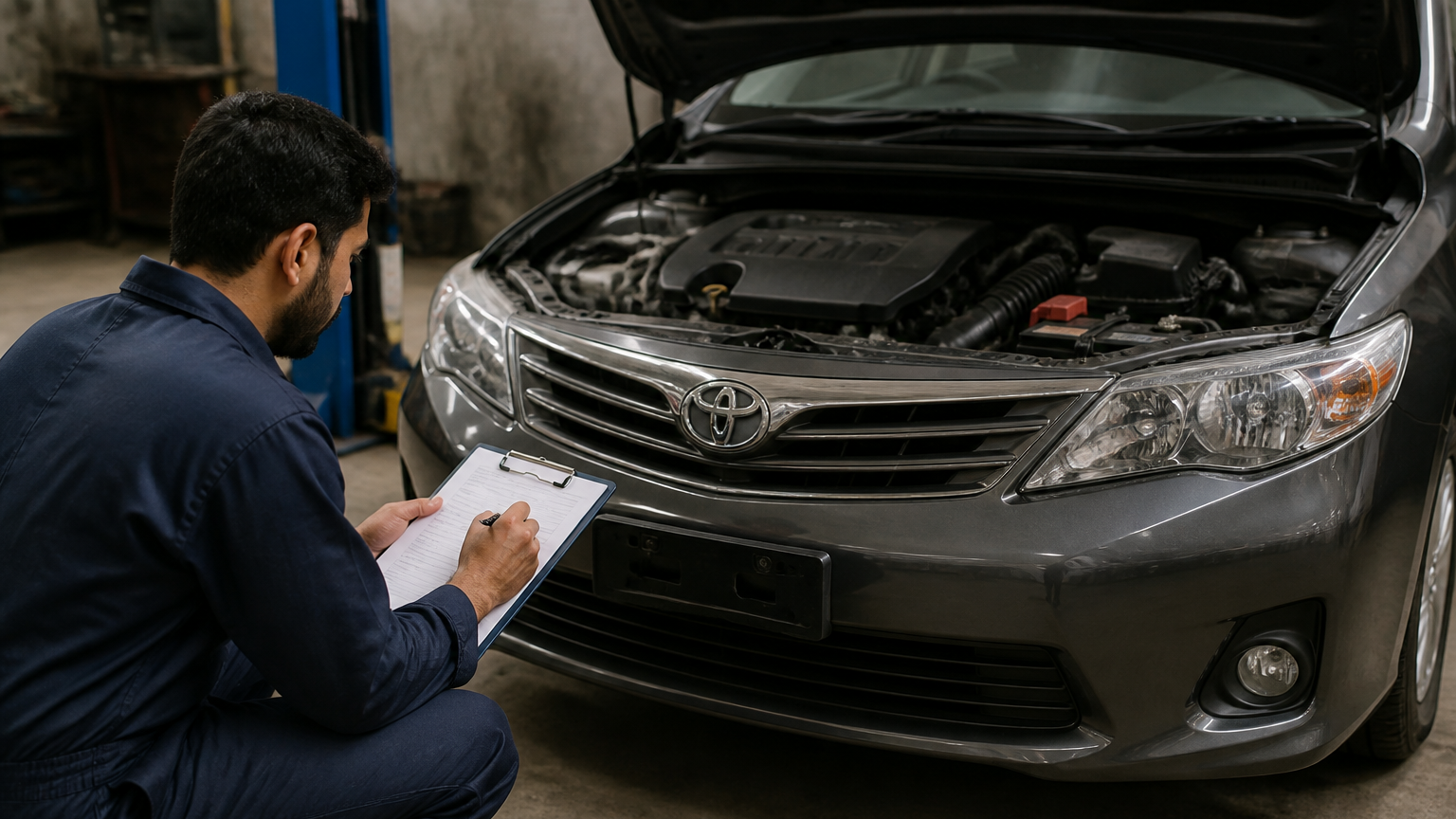
DrivePK Car Inspection Reports: Buy with Confidence
Buying a used car in Pakistan? A pre-purchase inspection can reveal hidden damage, engine issues and red flags before you pay—but it’s not enough alone.
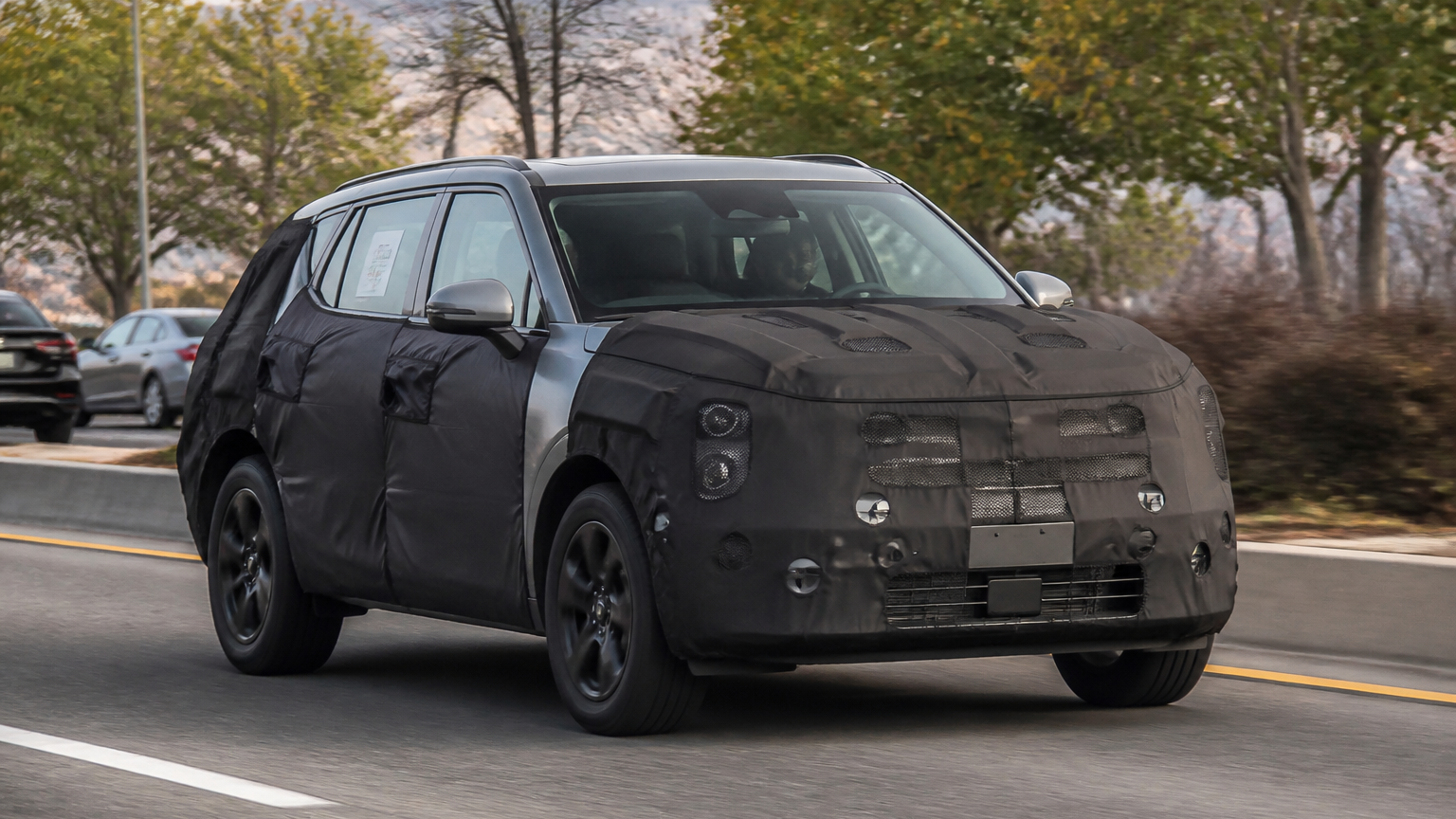
2028 Kia Sportage: Major Design Changes Spotted
Kia’s next Sportage may get a bolder, boxier redesign, with an upright profile, sharper lines, wider grille and split headlights hinted by spy shots.