IMF's Shadow Role in Pakistan's 2026-27 Auto Budget: Taxes, Tariffs & EVs
Pakistan’s new auto taxes and tariffs in the 2026-27 budget didn’t start in Islamabad. They trace back to talks in Washington. From tariff cuts to EV policy twists, this piece examines what it means for car buyers, local jobs, and the industry’s future.
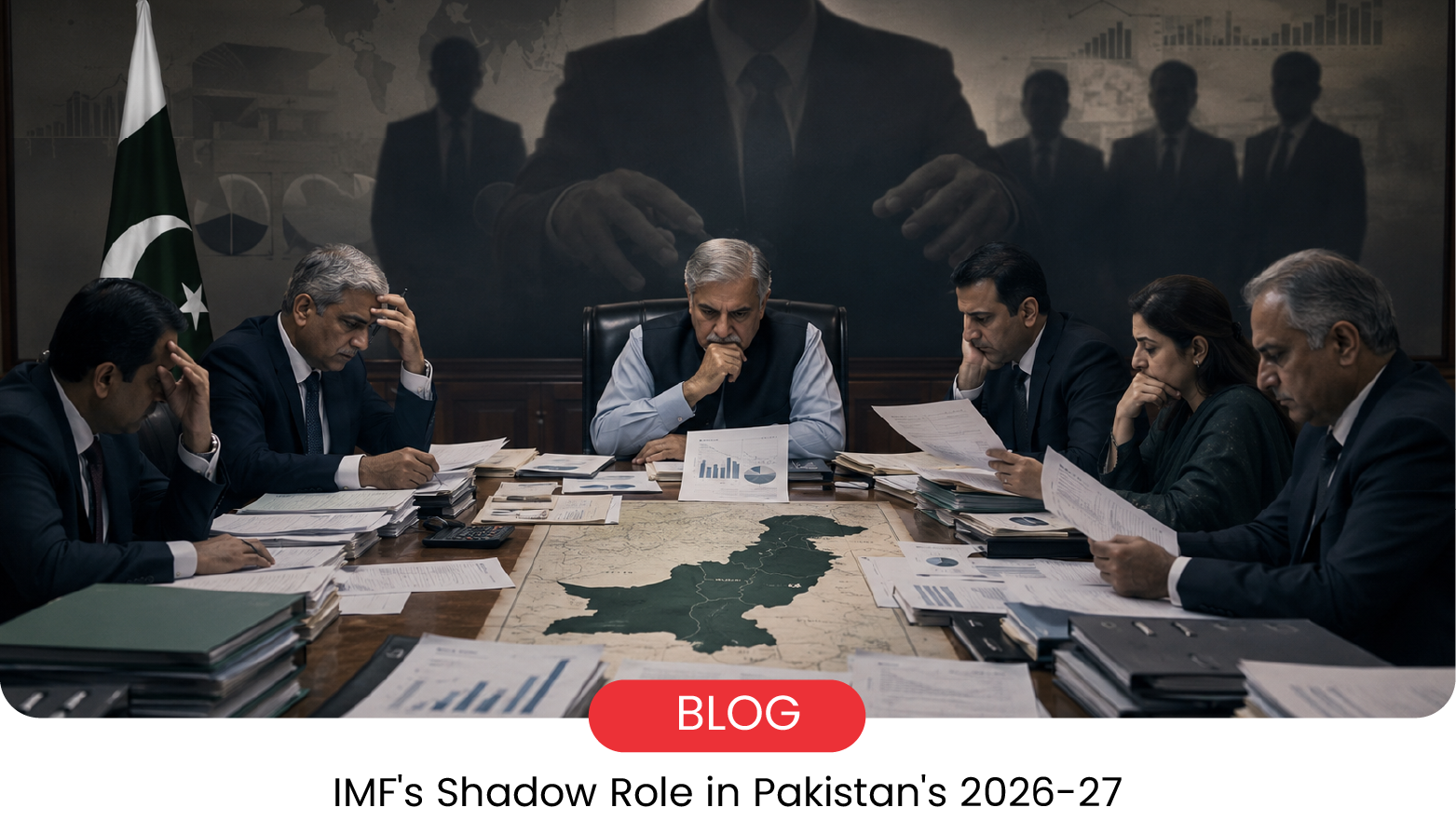
Table of Contents
- The $7B Deal and Its Fine Print
- Key commitments include aligning with the National Tariff Policy.
- The goal:
- EV and Hybrid Contradictions: Green Talk vs Fiscal Reality
- Who Gains? Chinese OEMs, Local Jobs at Risk?
- The Democratic Gap: Technocrats Over Voters
- Missed Opportunities: Lessons from Elsewhere
- Luxury Controls and Documentation Push
- What Comes Next: Predictions and Realities
- Conclusion
- Frequently Asked Questions
- Will cars get cheaper after the 2026-27 budget?
- What happens to EV incentives?
- How many jobs are at risk?
- Is this all dictated by the IMF?
You want to buy a car in Pakistan. Or maybe you already own one and feel the pinch every time fuel or parts go up. Either way, the numbers in the 2026-27 budget and the coming Auto Policy hit close to home.
Prices, choices, and even the push for electric vehicles trace back further than the National Assembly. The IMF’s $7 billion Extended Fund Facility (EFF) sets the frame. Pakistan needs to raise around $21 billion more in the coming years. That leaves little room for independent moves on big sectors like autos.
The draft Auto Policy 2026-31 went to the IMF for review before the Cabinet saw the final version. This is not hidden. Reports from April 2026 confirm it. The policy ties directly to tariff benchmarks, revenue goals, and liberalization steps the Fund wants.
And that’s why your next car or the one you drive now feels shaped by decisions made far away.
The $7B Deal and Its Fine Print
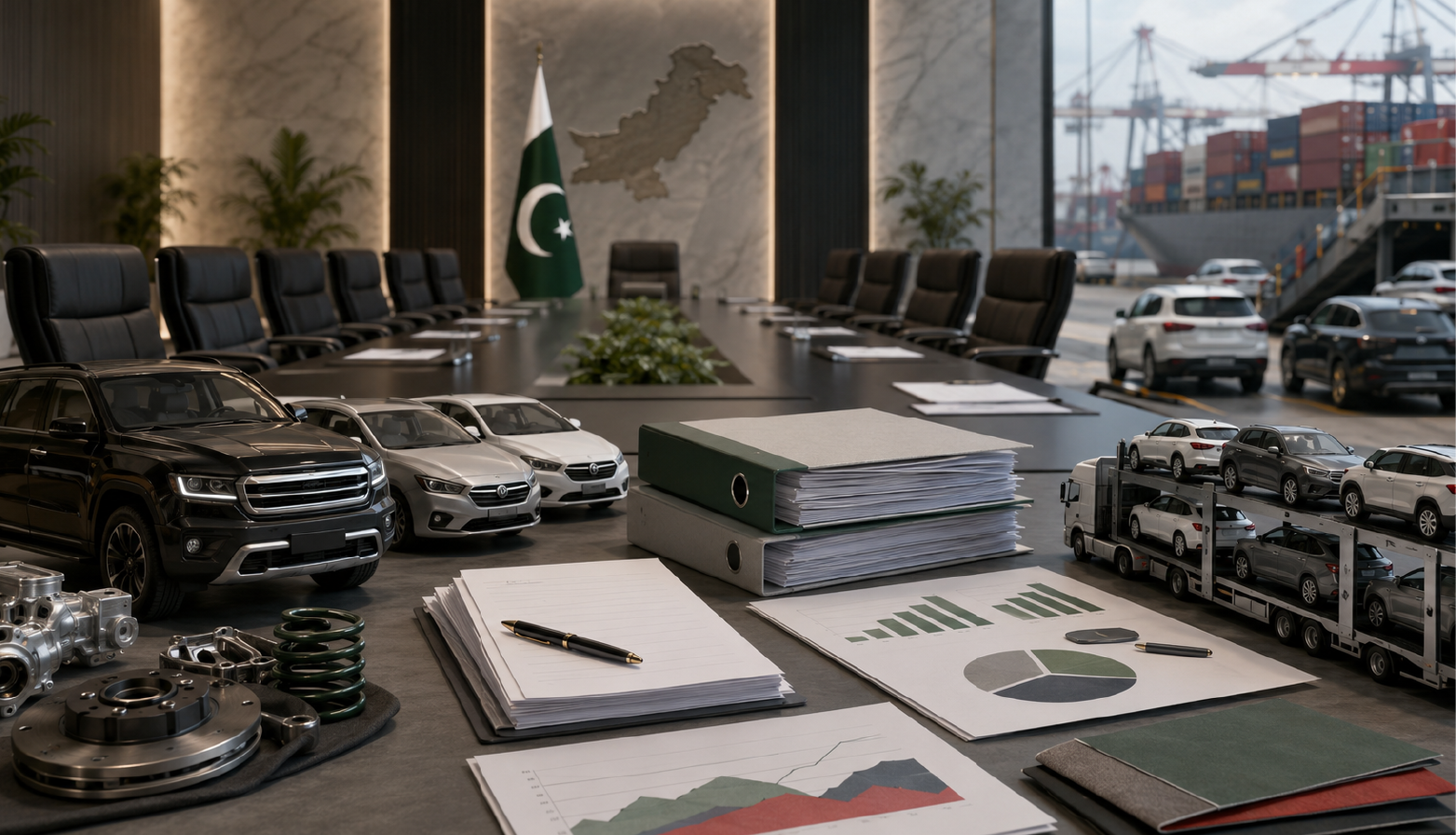
Pakistan’s current EFF program, approved in 2024, focuses on fiscal discipline, tax base expansion, and opening protected sectors. Autos sit high on that list.
Key commitments include aligning with the National Tariff Policy.
The goal:
bring the weighted average tariff on vehicles down from 10.6% to 7.4% by FY30, with the first step to 9.5% in the 2026-27 budget. No new regulatory duties (RD). Phase out para-tariffs like additional customs duties (ACD) and Federal Excise Duty (FED) layers where possible.
In practice, the budget delivers big relief on imported vehicles and parts. Customs duty on many items drops from 100% to 50%, and regulatory duty from 50% to 20%. Overall tariff relief hits nearly 80 percentage points in some cases. This aims to boost competition and lower costs over time.
But it is not a simple giveaway. The IMF pushes for revenue neutrality elsewhere. That shows up in targeted hikes on luxury and higher-capacity vehicles.
For ordinary buyers, cheaper imports could eventually ease “own money” premiums and waiting lists. Local assemblers face pressure to compete on price, quality, and delivery.
EV and Hybrid Contradictions: Green Talk vs Fiscal Reality
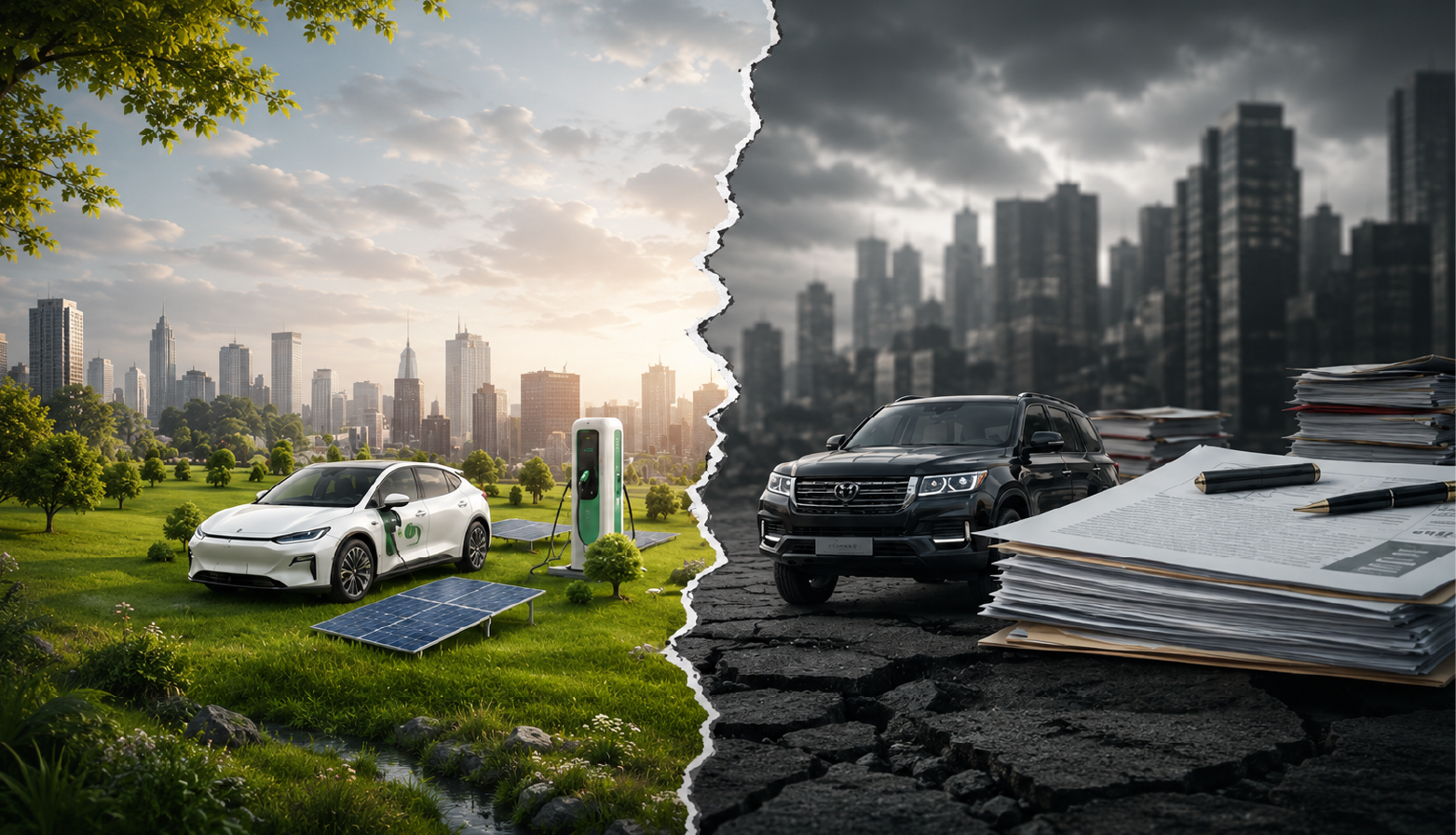
Pakistan has a New Energy Vehicle (NEV) Policy aiming for meaningful EV adoption. Targets include hundreds of thousands of two- and three-wheelers, plus growing four-wheeler numbers by 2030.
Yet the budget reveals tension. The IMF flags concessional tax rates for EVs and hybrids as favoring richer buyers and complicating fiscal goals. Proposals floated raising GST on EVs from 1% toward 18%, and hybrids from 8-8.5% similarly.
In the end, the Finance Bill largely kept existing low rates for locally manufactured EVs (1% GST) and hybrids (up to 1800cc at 8.5%) for now, with extensions on CKD concessions. But it added a new Federal Excise Duty on luxury imported CBUs, including high-end EVs over certain values, and environmental levies on bigger petrol/diesel SUVs (5-19% depending on cc).
This creates a mixed signal. Support for local green assembly continues, while imports of premium EVs face higher hurdles. It protects revenue and tilts toward local production, but slows broader EV uptake if prices stay high for average buyers.
The contradiction is real. IMF climate funds exist in theory, yet program conditions prioritize short-term fiscal consolidation. Pakistan ends up with a partial green push that benefits some Chinese OEMs with local assembly more than broad consumer access.
Who Gains? Chinese OEMs, Local Jobs at Risk?
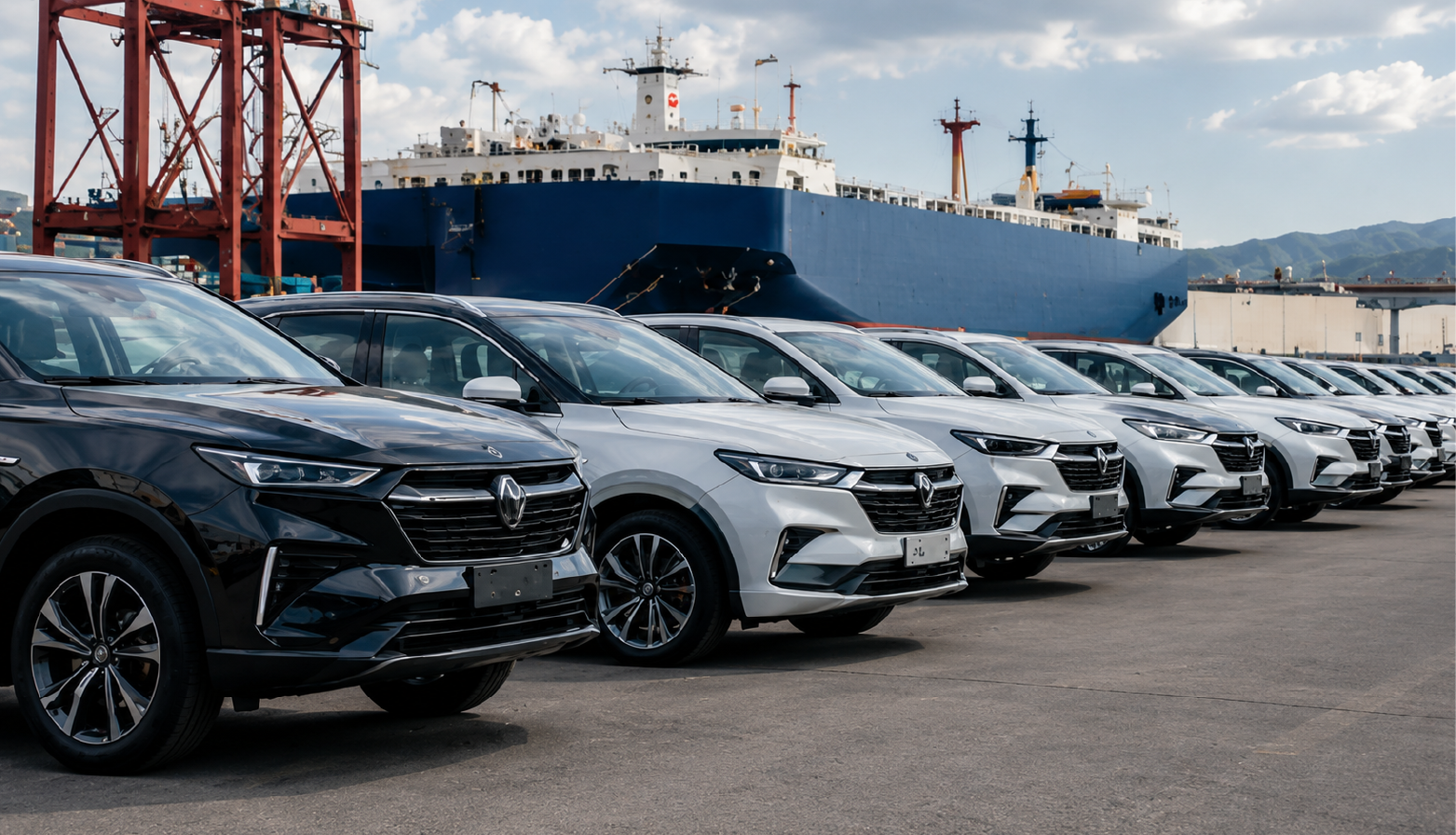
Industry voices like PAAPAM raised alarms early. They warned that rushing the policy to IMF review without deep consultation risks 40,000+ jobs in the parts sector and reverses localization gains. Average localization in passenger cars hovers around 58%, decent but behind regional peers.
Chinese players like BYD and Changan, already active in assembly, stand to gain from tariff rationalization on parts and performance-based incentives tied to localization and exports. The policy targets $3 billion in auto exports and over 500,000 annual vehicle production in five years.
Local vendors worry about a flood of imported parts and CBUs undercutting them before they adapt. Used car import liberalization (phased RD reduction to zero, commercial imports) adds supply but pressures smaller players.
The government bets on competition forcing efficiency. History shows mixed results in similar liberalizations elsewhere. Bangladesh and Vietnam protected infant industries longer while building supply chains and export muscle. Pakistan’s track record on turning protection into global competitiveness has been slower.
The Democratic Gap: Technocrats Over Voters
One uncomfortable truth: major elements of this “budget” were negotiated with external partners before full domestic debate. SROs, levy adjustments, and policy drafts often bypass lengthy parliamentary scrutiny.
This creates a democratic deficit. Citizens feel the impact on car prices, fuel costs, and jobs, but the original text comes from program documents and staff-level agreements. The Finance Bill translates it into local law.
Voters elect governments. Technocrats and international lenders set many boundaries. When revenue targets slip, future reviews bring more conditions, a pattern seen across Pakistan’s repeated IMF engagements.
Missed Opportunities: Lessons from Elsewhere
Pakistan could have pushed harder for genuine infant industry support with strict performance benchmarks: export targets, localization milestones, and technology transfer. Vietnam’s auto sector grew through phased openness combined with aggressive supplier development. Bangladesh leveraged RMG lessons into other manufacturing.
Instead, the current path emphasizes quick tariff cuts and revenue measures. Partial compliance risks remain high. Pakistan has a history of slipping on structural benchmarks, leading to repeated programs.
Geopolitically, there is an angle. China benefits from assembly investments under CPEC-like frameworks, while Western-led institutions like the IMF enforce openness that can favor established global players or efficient new entrants. Beijing gains either way in this setup.
Luxury Controls and Documentation Push

Higher taxes on big-engine vehicles, luxury EVs, and registration hurdles serve dual purposes: revenue and curbing elite imports that drain forex. Environmental levies on 2000cc+ vehicles add another layer.
This fits the broader formalization drive. Better documentation helps widen the tax net, but it also raises barriers for middle-class buyers chasing status or utility vehicles.
What Comes Next: Predictions and Realities
Expect a Chinese assembly boom in the short term. More models, some price softening on popular segments as competition bites, but persistent premiums where supply lags.
By FY28, if revenue misses persist, further IMF demands are likely to be deeper subsidy rationalization or additional tax measures.
For buyers: Shop carefully in late 2026. Hybrids and local EVs may hold advantages for now, but watch for luxury import hikes. Long-term, more choice is probable, but quality and after-sales service will decide the winners.
Local industry must localize faster or export more. Vendors need to adapt or consolidate.
Conclusion
Budget 2026-27 is in very thin existence due to low GDP, shaking the confidence of investors, and a bombardment of taxes. Your car’s price tag carries edits from Washington as much as Islamabad. The Finance Bill is the local translation. The original program documents tell the fuller story of benchmarks, timelines, and trade-offs.
Pakistanis deserve transparency on both. Understanding the real drivers behind taxes, tariffs, and the green U-turn is the first step toward holding everyone, local leaders, and international partners accountable for outcomes that affect daily life.
Real change comes when policies balance fiscal needs with genuine industrial growth, job protection, and consumer relief. Until then, the shadow remains. For more updates, visit DrivePK.com
Frequently Asked Questions
Will cars get cheaper after the 2026-27 budget?
Some imported options and parts should see prices ease over time due to tariff cuts, but locally assembled cars depend on competition and efficiency gains. Luxury segments face higher duties.
What happens to EV incentives?
Low GST rates for local EVs largely continue for now, with extensions. Luxury imported EVs see new FED. Broader adoption still needs cheaper batteries and charging infrastructure.
How many jobs are at risk?
PAAPAM cites risks to tens of thousands in the vendor ecosystem if liberalization is too rapid without safeguards.
Is this all dictated by the IMF?
Major contours, yes, but the government negotiates details and implements. Ownership remains shared and contested.
Tags
Share this article
About the Author

Najeeb Khan
Automotive enthusiast and writer
Comments (0)
Login Required
You need to be logged in to comment on this article.
No comments yet. Be the first to share your thoughts!
Related Articles
Ghandhara Automobiles Results: Key Highlights
GAL's latest results are stirring investor interest, but incomplete details demand caution: verify the official PSX filing before trading on headlines.
Multan Green Electric Bus Service Starts With 60 Buses
Multan launches 60 green electric buses, offering free rides to students, women, seniors and people with disabilities as Punjab expands clean transit.
Suzuki Fronx Hybrid Price Revised in Pakistan
Suzuki Fronx Hybrid prices may shift after HEV tax changes in Pakistan. No verified figure yet—confirm the official invoice before booking.