Islamabad Token Tax Revised: What It Means for Car Owners
The Standing Committee on Finance just updated token tax rules for vehicles in Islamabad, the first big change since 2019. Small cars and older models face new fixed rates, while others shift to a percentage of invoice value. Many drivers worry about extra costs during tough times. Here's what you need to know.
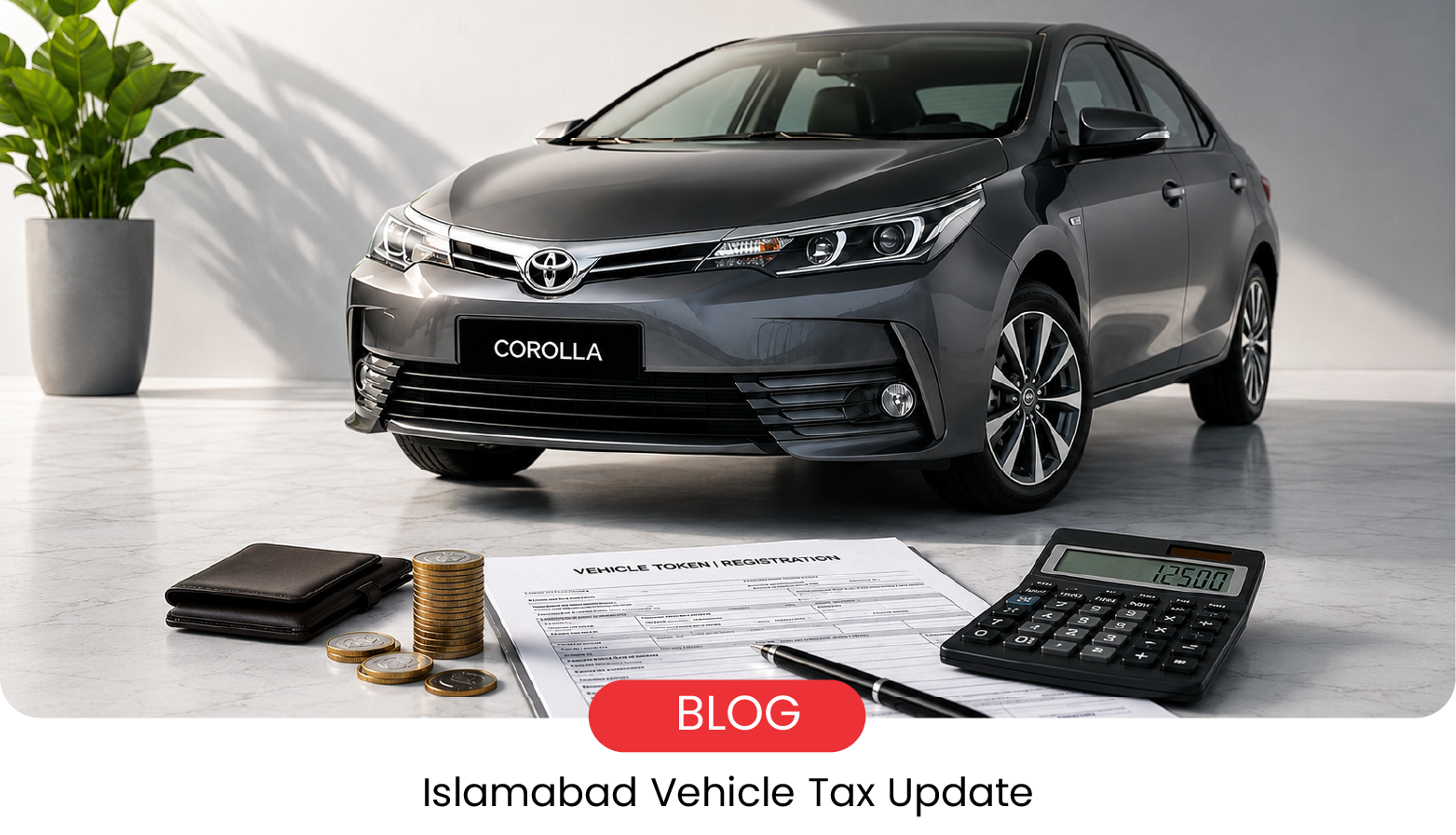
Table of Contents
- The New Token Tax Structure
- Who Feels This the Most?
- The Bigger Picture: Why Update Now?
- Practical Tips for Car Owners
- What Happens Next?
- Final Thoughts
If you own a car registered in Islamabad, you probably felt a knot in your stomach reading the latest news. The National Assembly Standing Committee on Finance and Revenue has approved revised token tax rates. This marks the first major update since 2019.
The token tax, sometimes called the motor vehicle tax, pays for road maintenance and related services. But with inflation high and household budgets tight, any increase hits hard. Let's break it down simply and see what it really means for everyday drivers like you.
The New Token Tax Structure
Here are the key approved rates:
- Vehicles up to 1,000cc: One-time token tax of Rs. 10,000.
- Vehicles manufactured before 2010: Rs. 20,000.
- Cars between 1,000cc and 1,300cc: Reduced from 0.3% to 0.25% of the vehicle's invoice value.
Officials say this aligns Islamabad better with provincial systems and aims to boost revenue from about Rs. 3.9 billion to around Rs. 5.2 billion annually.
On paper, the slight reduction for the 1,000-1,300cc bracket sounds reasonable. But many cars in this popular range now cost more due to inflation and newer features. That 0.25% can add up quickly on a Rs. 2-3 million car.
And older cars?: Pre-2010 models get a flat Rs. 20,000. These are often the reliable, affordable options many middle-income families depend on.
Who Feels This the Most?
Picture this. You're a government employee or small business owner in Islamabad. You drive a 1200cc sedan bought a few years ago. Fuel prices fluctuate. School fees keep rising. Now this.
Committee members themselves raised red flags. They worried about the burden on middle-class families already stretched thin. Some lawmakers asked if the timing was right and suggested looking at longer-term payment options instead of annual hits.
This isn't just numbers on paper. It affects real decisions:
- Families thinking about upgrading to a safer, more fuel-efficient car might delay.
- People with older vehicles could face higher renewal costs.
- New buyers in the capital might think twice about registration here versus nearby areas.
The Bigger Picture: Why Update Now?
The token tax in Islamabad hadn't changed much since 2019. Meanwhile, provinces adjusted their rates to match rising costs for roads, traffic management, and infrastructure. Officials argued the old system left a gap.
Shifting partly to invoice value tries to make taxation fairer so that newer cars pay more. That makes some sense in theory. Yet critics point out it still adds pressure when people deal with high inflation, utility bills, and stagnant salaries.
Pakistan's tax system often gets called regressive in parts. Indirect taxes and fees like this affect everyone, but they bite harder when incomes don't keep pace.
Practical Tips for Car Owners
Don't panic just yet. Here's what you can do:
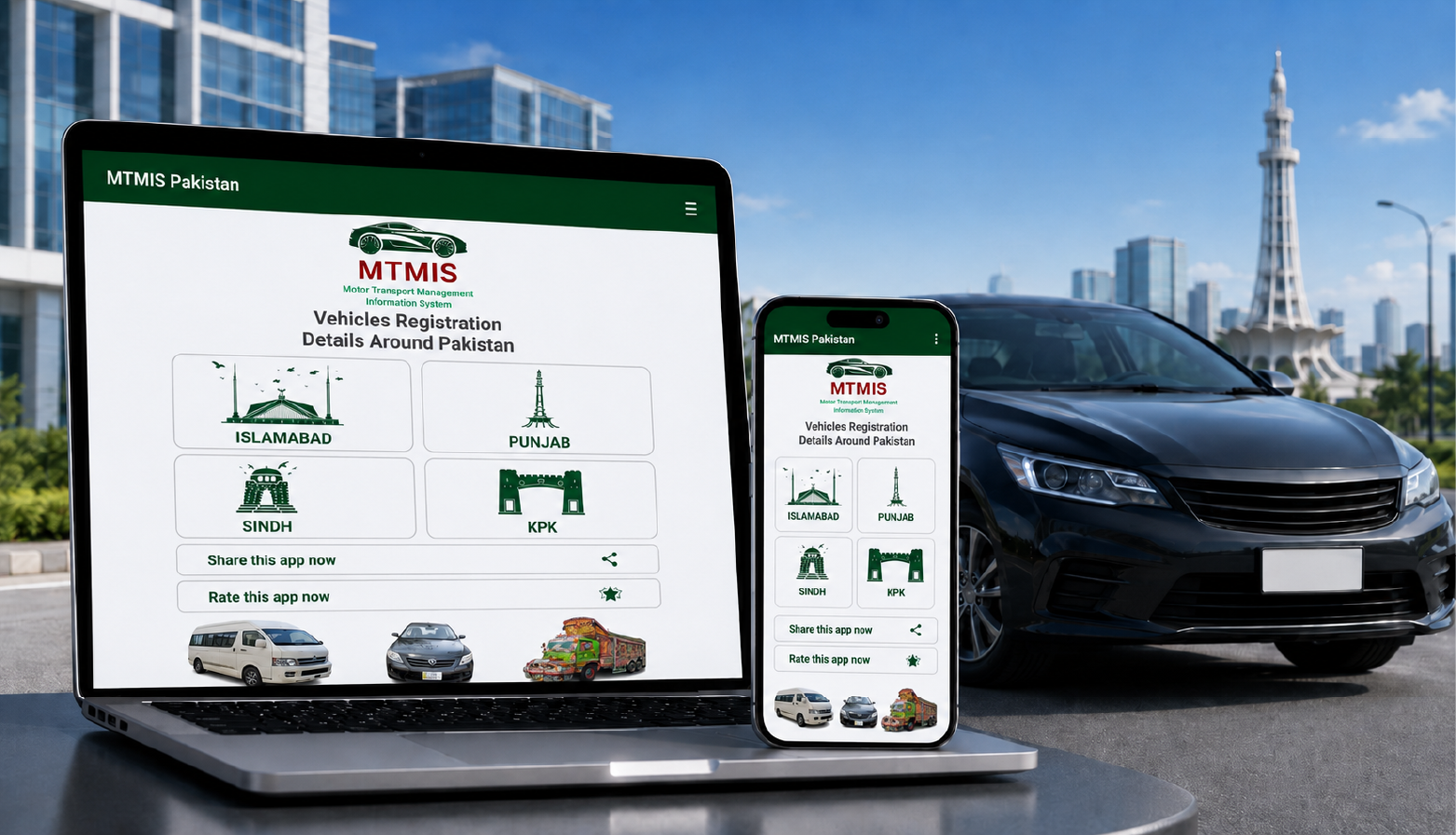
- Check your exact model and year: Calculate the new tax using the invoice value or fixed rate that applies. Visit the Islamabad Excise Department website or MTMIS portal for your vehicle's details.
- Plan for renewal: If your token is due soon, budget for any increase. Pay early if discounts exist.
- Consider fuel efficiency and maintenance: A well-kept smaller car might still be cheaper overall than facing bigger taxes on larger engines.
- Stay informed on implementation: These are committee approvals tied to the Finance Bill. Watch for official notifications on exact rollout dates and any tweaks.
- Explore filer benefits: Timely tax filing sometimes helps with related motor vehicle processes; double-check current rules.
Many drivers wonder if this will push people toward public transport or electric options. But in a city like Islamabad, options remain limited for daily commutes.
What Happens Next?
The approval moves the proposal forward. Full details will come as part of the budget process. Revenue targets suggest the government sees this as one piece of broader fiscal needs.
Yet conversations in the committee showed awareness of public pain points. Transparency and fair enforcement will matter. If the extra money truly improves roads and services, some frustration might ease. People want value for what they pay.
Final Thoughts
Changes like this remind us how government decisions touch daily life. For many Islamabad families, a car isn't a luxury; it's how kids get to school, how work gets done, and how groceries come home.
The new rates try to balance revenue needs with some relief for smaller engines. Still, they come at a time when many feel squeezed. Keep an eye on updates, calculate your own costs, and voice concerns through proper channels if the impact feels unfair.
What do you think about these changes? Have you calculated how much more you'll pay? Share in the comments, we're all figuring this out together. For more updates, visit DrivePK.com
Tags
Share this article
About the Author

Najeeb Khan
Automotive enthusiast and writer
Comments (0)
Login Required
You need to be logged in to comment on this article.
No comments yet. Be the first to share your thoughts!
Related Articles
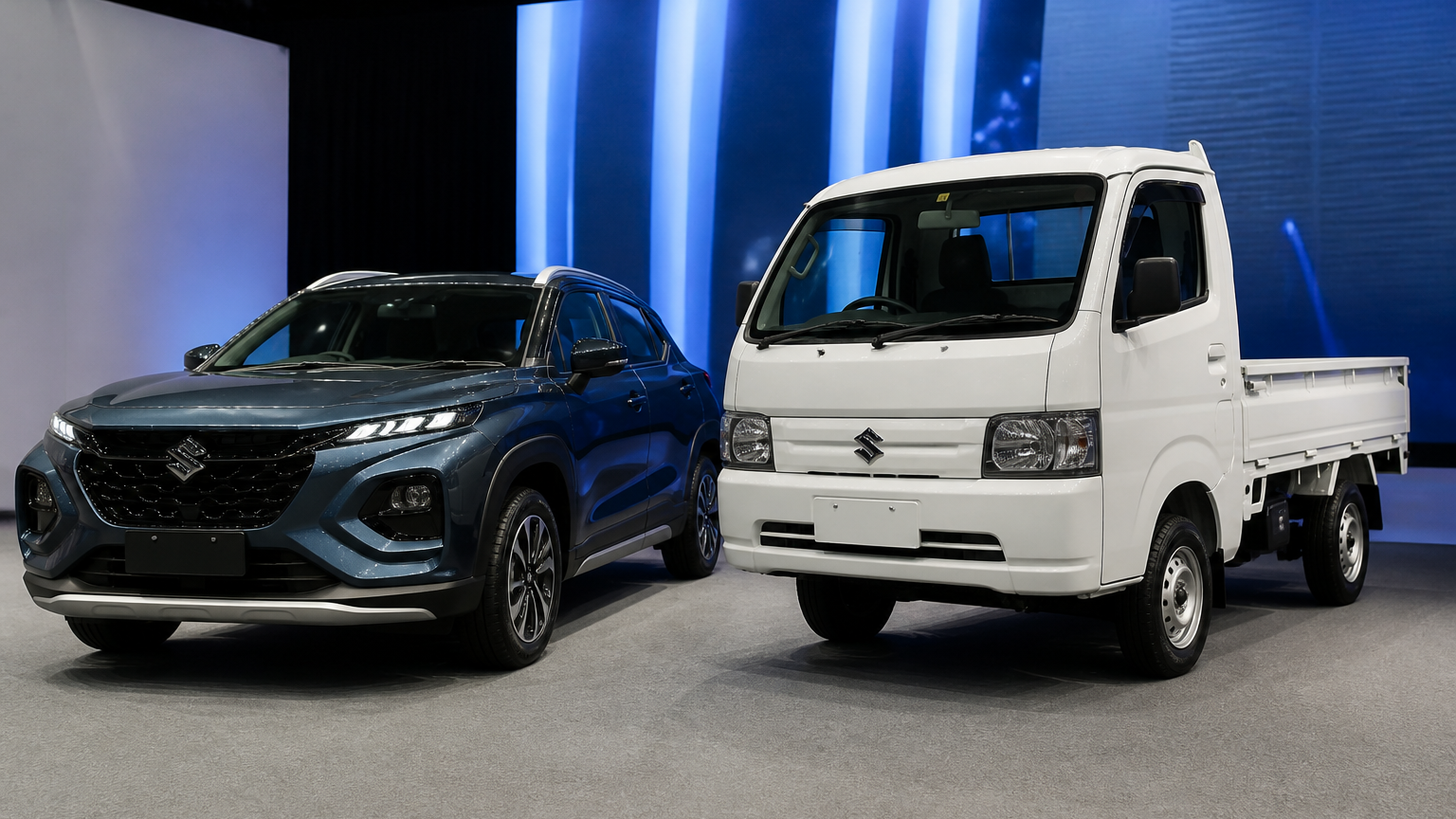
Suzuki Fronx ADAS and Carry Debut at PAPS 2026
Suzuki previews a safety-packed Fronx ADAS and all-new Carry Pick-Up in Pakistan, targeting families and small businesses—launch details pending.
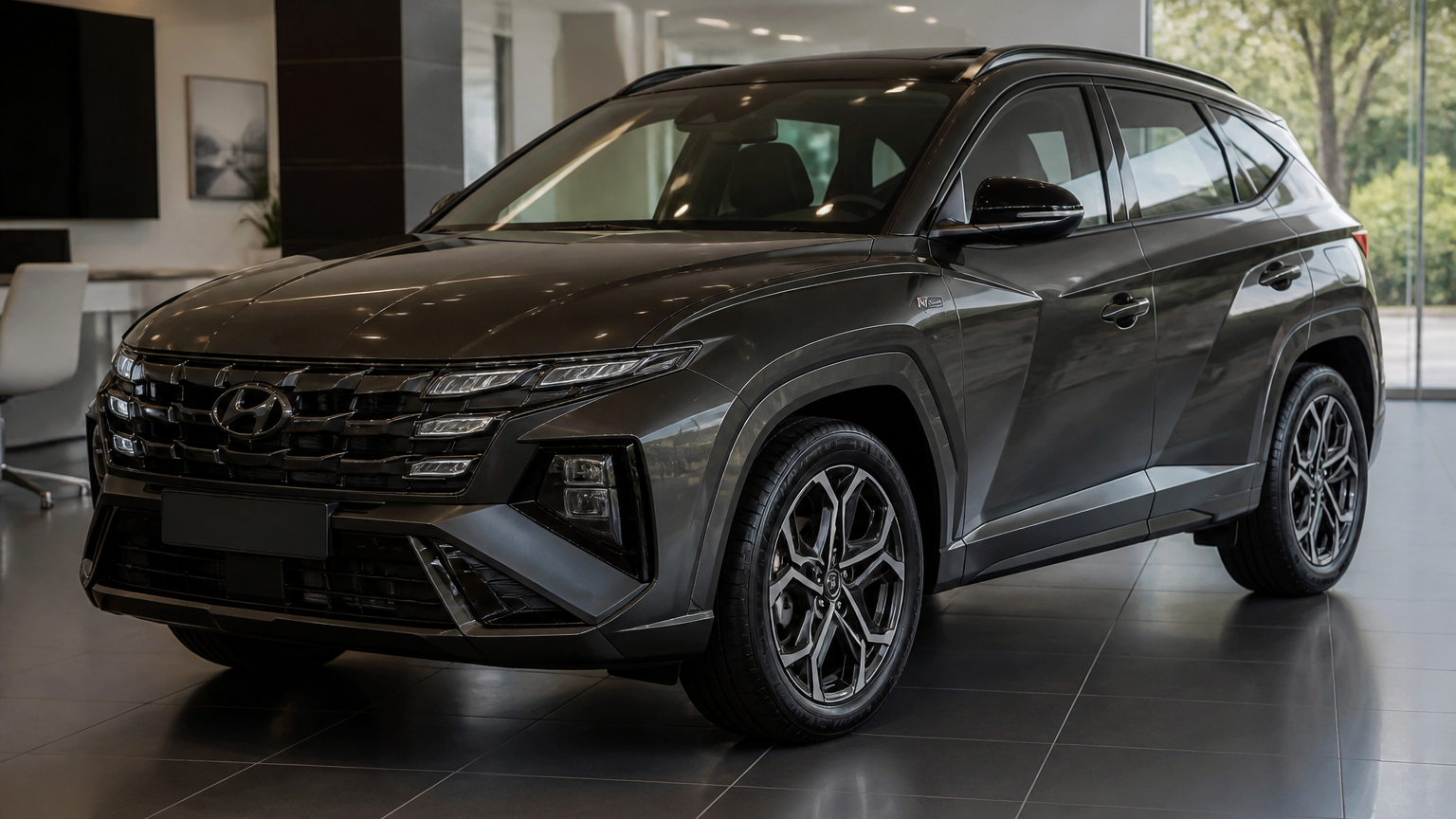
Hyundai Tucson Hybrid N Line Unveiled in Pakistan
Hyundai Nishat unveils the Tucson Hybrid N Line in Pakistan with sportier looks, a premium cabin and AWD—but pricing and delivery remain unknown.
Arcfox T1 EV & T5 REEV Coming to Pakistan
Sazgar may bring Arcfox T1 EV and T5 REEV to Pakistan soon, but with no launch date, pricing or bookings, should buyers wait?