KP Govt Waives Transport Taxes for One Month: Fares to Drop Across Khyber Pakhtunkhwa
The Khyber Pakhtunkhwa government has given transporters a one-month break from the scheduled tax and the stand tax. The move aims to bring down bus, taxi and wagon fares for ordinary passengers. Officials are watching closely to stop overcharging. Here’s what it means for daily commuters in Peshawar and other districts.
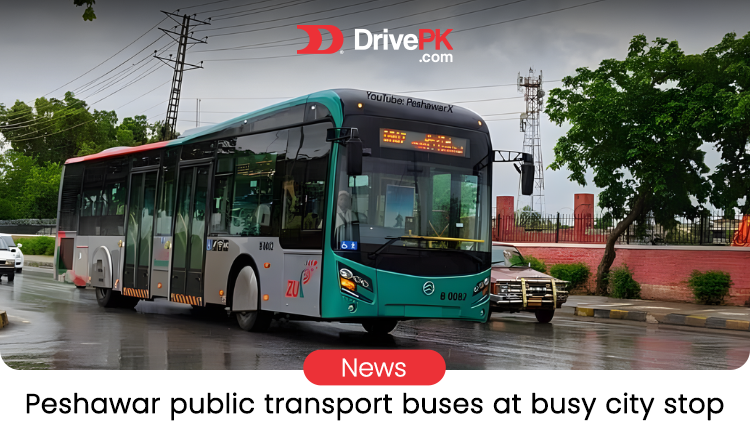
Table of Contents
- What Taxes Are Being Waived?
- Why This Move Matters Right Now
- Strict Rules to Protect Passengers
- How Much Will Fares Actually Drop?
- Who Gains the Most?
- Background: Fares Have Been Under Pressure
- What Happens After One Month?
- Practical Tips for Passengers
- A Step in the Right Direction
If you travel by bus or wagon in Peshawar, Nowshera or any part of Khyber Pakhtunkhwa, you might soon pay less. The provincial government just announced a one-month waiver on two key taxes that hit the transport sector. This step came after a high-level meeting and aims to ease the load on everyday travellers.
The decision was taken during a video-link meeting chaired by Commissioner Peshawar Division and Chairman Regional Transport Authority, Riaz Khan Mehsud. Officials from all five districts of Peshawar Division, Peshawar, Nowshera, Charsadda, Mohmand Tribal District and Khyber District joined in. The Secretary of the Regional Transport Authority was also present. They looked at rising fares and decided that quick action was needed.
What Taxes Are Being Waived?
Two taxes are off the table for one month: the schedule tax and the stand tax. Schedule tax covers route permits and vehicle operations. Stand tax, also called terminal or adda tax, is what operators pay at bus stands and terminals. Removing both gives transporters real savings. The government expects them to pass every rupee of that saving straight to passengers by lowering fares.
This relief covers all districts across Khyber Pakhtunkhwa, not just Peshawar Division. That means people travelling between cities, to villages or even inter-provincial routes should feel the difference.
Why This Move Matters Right Now
Fares have been a sore point lately. Fuel prices go up and down, but passenger tickets often stay high. Many families rely on public transport for work, school and hospital visits. When fares climb, daily budgets suffer. Students skip classes. Workers reach late. Small traders pay more to move goods.
The government saw this pressure and acted. By waiving the taxes for one month, they created breathing space. Transporters no longer pay these charges during April 2026. In return, they must cut fares. It is a simple give-and-take that puts people first.
Strict Rules to Protect Passengers
The best part? The government is not leaving it to chance. Officials have ordered strong monitoring. Three assistant commissioners will check fares at every major transport stand and highway in their district. Deputy commissioners will supervise the whole effort directly.
Transporters must display official fare lists on their vehicles. No hidden charges. No sudden hikes. If anyone overcharges, they will face action. The message is clear: the relief is for passengers, not for extra profit.
This level of oversight is new and welcome. In the past, tax breaks sometimes stayed with operators. This time, the rules make sure the benefit reaches the road.
How Much Will Fares Actually Drop?
Exact numbers are not fixed yet because each route has its own costs. But the order is straightforward: transporters must reduce fares in line with the tax savings. On popular routes like Peshawar to Nowshera or Peshawar to Charsadda, even a small cut per ticket adds up for families.
Local transporters have already been told to update their rate charts immediately. Passengers should look for the new displayed fares before boarding. If something looks wrong, they can note the vehicle number and report it to the nearest assistant commissioner office or helpline.
Who Gains the Most?
Daily commuters win big. Think of the office worker who takes the wagon twice a day. Or the student travelling from a village to college in Peshawar. Even patients heading to hospitals save money that can go toward medicine instead.
Small businesses that move goods by road also feel lighter. Lower transport costs can keep vegetable and fruit prices stable in local markets. In a province where many depend on agriculture and small trade, this matters.
Tourists visiting Swat, Malakand or other scenic spots might see cheaper travel too. That helps the wider economy without any big promises.
Background: Fares Have Been Under Pressure
Just weeks ago, officials met to stop sudden fare hikes after fuel price changes. Transporters sometimes raise rates on their own. The government has been pushing back, reminding everyone that CNG-based vehicles should not see big jumps. This tax waiver builds on that effort. It shows the administration is listening to public complaints and trying to balance things.
What Happens After One Month?
The waiver is temporary. After 30 days, taxes return unless the government extends it. That is why monitoring is so important now. Everyone wants to see real relief while the window lasts. If the results are good, longer-term solutions could follow.
Practical Tips for Passengers
Keep these points in mind while travelling:
- Check the fare list displayed on the vehicle.
- Pay only the official rate.
- Note the vehicle registration number if overcharged.
- Report issues to your district’s assistant commissioner's office.
- Share experiences in local groups so others stay informed.
These small steps help the system work better for everyone.
A Step in the Right Direction
This one-month tax waiver is not a magic fix for every transport problem. Fuel costs, vehicle maintenance and road conditions still play a role. Yet it shows the Khyber Pakhtunkhwa government is willing to act fast when people feel the pinch.
By targeting schedule tax and stand tax, they hit two direct costs that affect fares. By adding clear rules and monitoring, they try to make sure the help actually reaches the passenger seat.
For now, the focus is on April 2026. Keep an eye on fares in your area. If you travel regularly, you should notice the change soon. And if the system works as planned, it could set a useful example for other provinces too.
The roads belong to all of us. When government, transporters and passengers work together, travel becomes a little easier and a lot fairer. Let’s see how this month unfolds. Safe travels. For more updates, visit DrivePK.com
Tags
Share this article
About the Author

Najeeb Khan
Automotive enthusiast and writer
Comments (0)
Login Required
You need to be logged in to comment on this article.
No comments yet. Be the first to share your thoughts!
Related Articles
Toyota Corolla Discontinued Before Pakistan Facelift
Pakistan’s pre-facelift Toyota Corolla is reportedly discontinued, hinting at a facelift. Prices, bookings, specs and launch timing remain unconfirmed.
DrivePK Car Inspection Reports: Buy with Confidence
Buying a used car in Pakistan? A pre-purchase inspection can reveal hidden damage, engine issues and red flags before you pay—but it’s not enough alone.
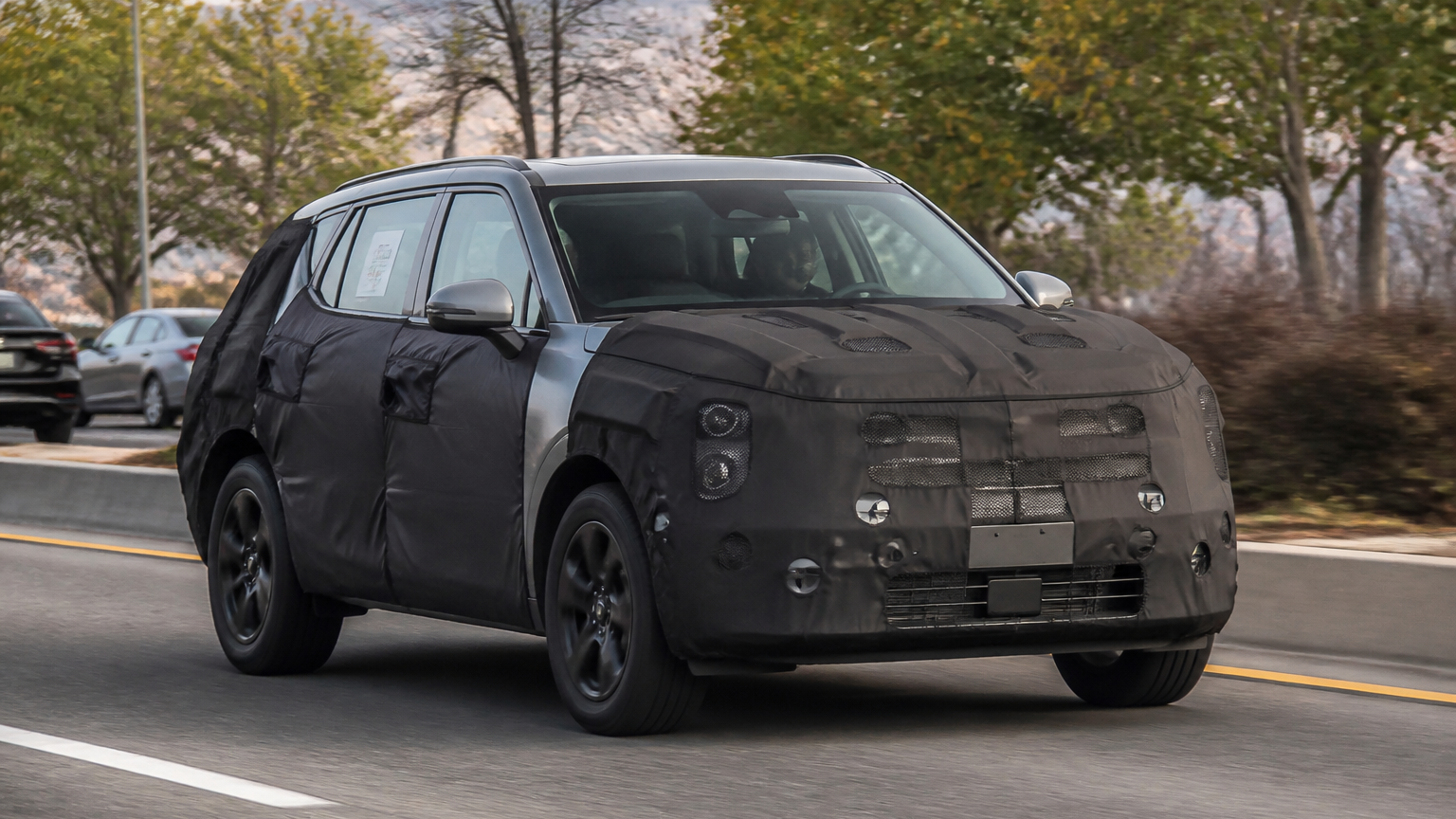
2028 Kia Sportage: Major Design Changes Spotted
Kia’s next Sportage may get a bolder, boxier redesign, with an upright profile, sharper lines, wider grille and split headlights hinted by spy shots.