Oil Market Uncertainty Rises After Iraq's Rumaila Shutdown and Strait Disruptions
Iraq halted production at its largest oil field, Rumaila, removing 1.5 million barrels daily amid Strait of Hormuz disruptions. Brent crude topped $80, adding war premiums. For Pakistan, this could mean higher fuel prices, inflation, and economic strain if disruptions persist.
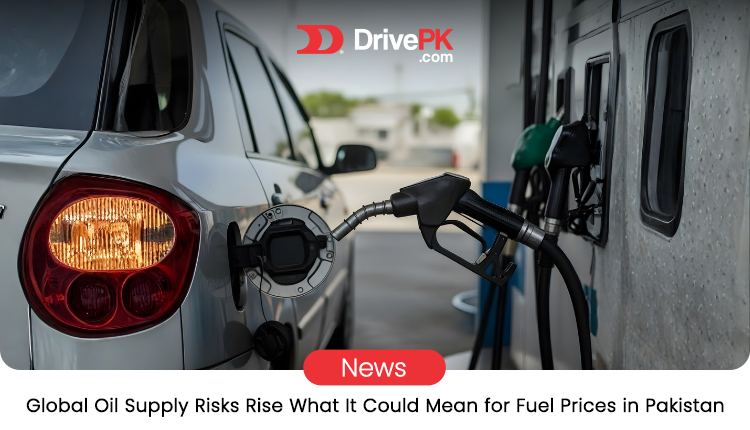
Table of Contents
- Oil Uncertainty Grows After Iraq's Major Field Shutdown
- What Led to the Iraq Oil Shutdown?
- How the Global Oil Market Is Reacting
- The Ripple Effect on Pakistan's Fuel Prices
- What's Next for Oil Supply Risks?
Oil Uncertainty Grows After Iraq's Major Field Shutdown
Oil markets are feeling the pressure right now. Iraq just halted production at its biggest oil field, Rumaila. This move comes amid strikes tied to Iran and ongoing issues in the Strait of Hormuz. The shutdown pulls about 1.5 million barrels per day off the market. That's roughly 36% of Iraq's total output. And it's not just production exports through the Ceyhan pipeline to Turkey that are stopped too. With tankers stuck and storage tanks filling up fast, Iraq warns deeper cuts could follow.
This isn't a small blip. Global supplies are at risk, and prices are reacting. Brent crude has jumped past $80 per barrel, even hitting $83 in recent trades. A war premium is building in, driven by fears of more disruptions.
What Led to the Iraq Oil Shutdown?
The trouble started with escalating tensions in the Middle East. Iran’s actions have choked off the Strait of Hormuz, a key route for about 20% of the world's oil. Ships are avoiding the area after attacks on tankers and energy sites. Insurers pulled coverage, and rates for shipping have skyrocketed.
Iraq relies heavily on southern ports for exports. Without tankers arriving, oil backs up. Rumaila, the world's second-largest field, had to shut down fully by March 3, 2026. Other fields like West Qurna 2 and Maysan have cut output to over 1 million barrels per day already gone. Officials say if the Strait stays blocked, Iraq could lose more than 3 million barrels daily soon.
This hits Iraq hard. Oil makes up 90% of its budget. Daily losses are mounting past $128 million. And it's not isolated. Nearby countries like Qatar and Saudi Arabia face similar threats to their exports.
How the Global Oil Market Is Reacting
Prices surged fast. Brent crude rose 17% in five days, fueled by supply fears. West Texas Intermediate climbed too, up over 13% in a single session. Volatility is spiking Brent's implied volatility nears 70%. Traders are betting on tighter supplies, with hedge funds adding long positions in futures.
But it's not all panic. Some see this as short-term. Saudi Arabia is rerouting exports to the Red Sea. The U.S. offered insurance for Gulf shipping to ease the crunch. Still, if disruptions drag on, experts warn Brent could push toward $100. That would reignite inflation worries worldwide.
Stock markets dipped on the news. Energy stocks rallied, but broader indexes like the S&P 500 fell 1%. Gasoline prices in the U.S. jumped 19 cents to $3.14 per gallon. Shipping costs are up, and that's before any longer-term effects kick in.
Historically, these shocks fade if resolved quickly. Think the Gulf War or the 1979 Iranian Revolution prices spiked, but settled. But with the U.S.-Israel-Iran conflict widening, risks feel higher this time.
The Ripple Effect on Pakistan's Fuel Prices
Pakistan watches this closely. We import most of our oil, so global disruptions hit home fast. If crude stays high, fuel price volatility could return in the next pricing cycle. Higher crude costs, plus rising freight and insurance, mean pump prices climb.
Our economy is fragile. Oil imports widen the current account deficit. Inflation could tick up, pressuring the rupee. Stock markets might wobble, and household budgets tighten, especially around Ramzan and Eid, when spending peaks.
Analysts say a $10 rise in crude adds about 2-3% to Pakistan's inflation. With Brent already up, we could see petrol prices jump Rs. 10-15 per liter soon. That's on top of recent hikes. And it's not just fuel transport costs rising, pushing up food and goods prices.
But there's a silver lining. Pakistan has built some buffers, like deals with friendly nations for deferred payments. Renewable energy pushes could help in the long term. Still, sustained uncertainty tests our recovery.
What's Next for Oil Supply Risks?
No one knows how long this lasts. A ceasefire could ease things fast. But if Iran escalates, more fields shut down, or strikes hit infrastructure, supplies tighten further.
Watching the Strait of Hormuz, any reopening calms markets. OPEC might step in, but Iraq's cuts limit options. For now, expect choppy trading. Prices could swing on headlines.
In Pakistan, monitor fortnightly reviews. If global trends hold, brace for higher bills. Diversifying energy sources matters more than ever.
This mess shows how connected energy markets are. One chokepoint disrupts everything. Staying informed helps navigate the volatility.
For more updates, visit DrivePK.com
Tags
Share this article
About the Author

Najeeb Khan
Automotive enthusiast and writer
Comments (0)
Login Required
You need to be logged in to comment on this article.
No comments yet. Be the first to share your thoughts!
Related Articles
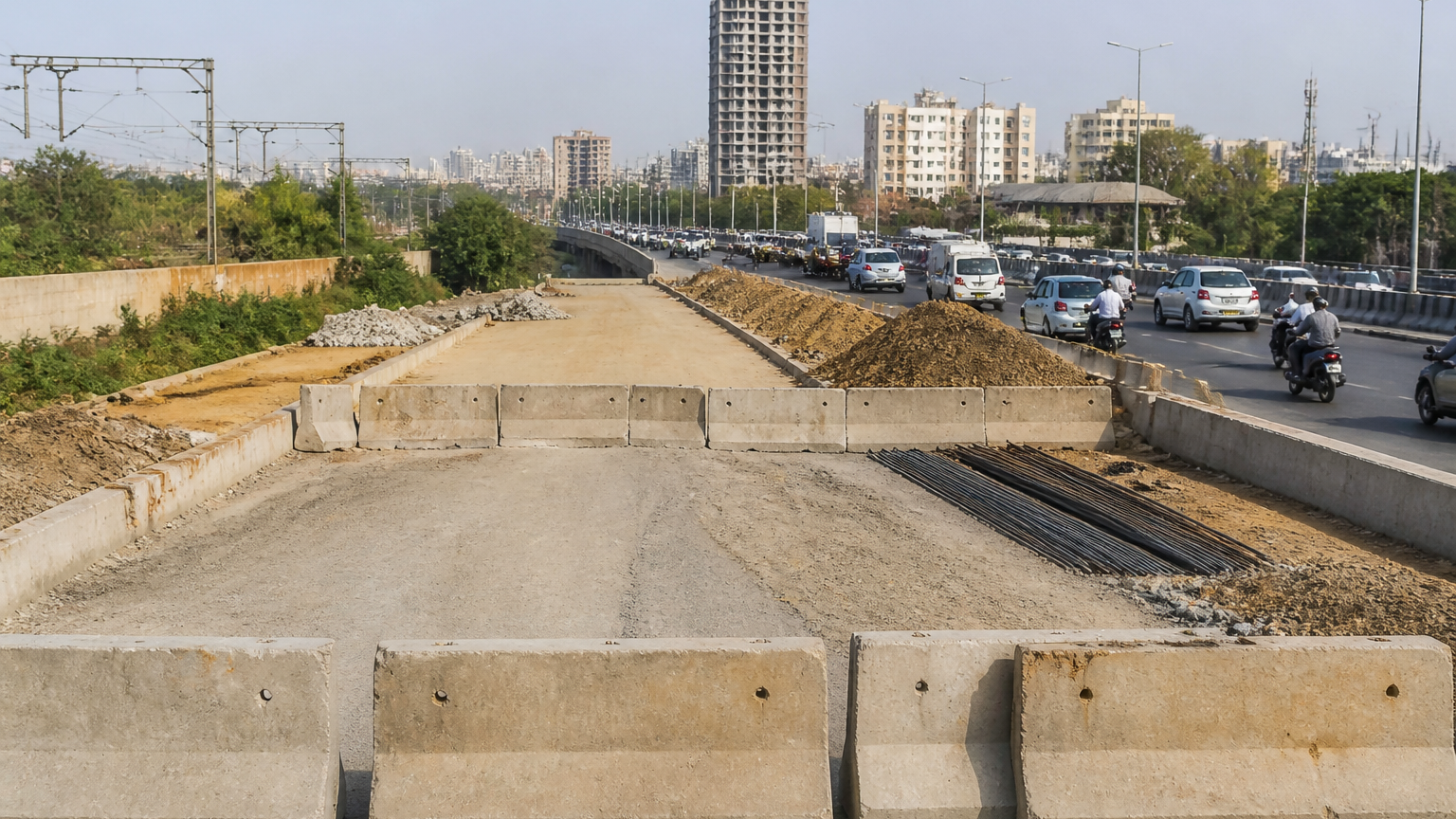
Karachi Link Road Work Halted Over KCR Land Dispute
Karachi’s Natha Khan Link Road promised faster commutes, but a land dispute between KMC and Pakistan Railways now clouds its opening.

DrivePK Sell It For Me: Let Us Handle Your Car Sale
Selling your car in Pakistan is time-consuming. Before using DrivePK’s Sell It For Me, verify its process, fees, and handover rules first.
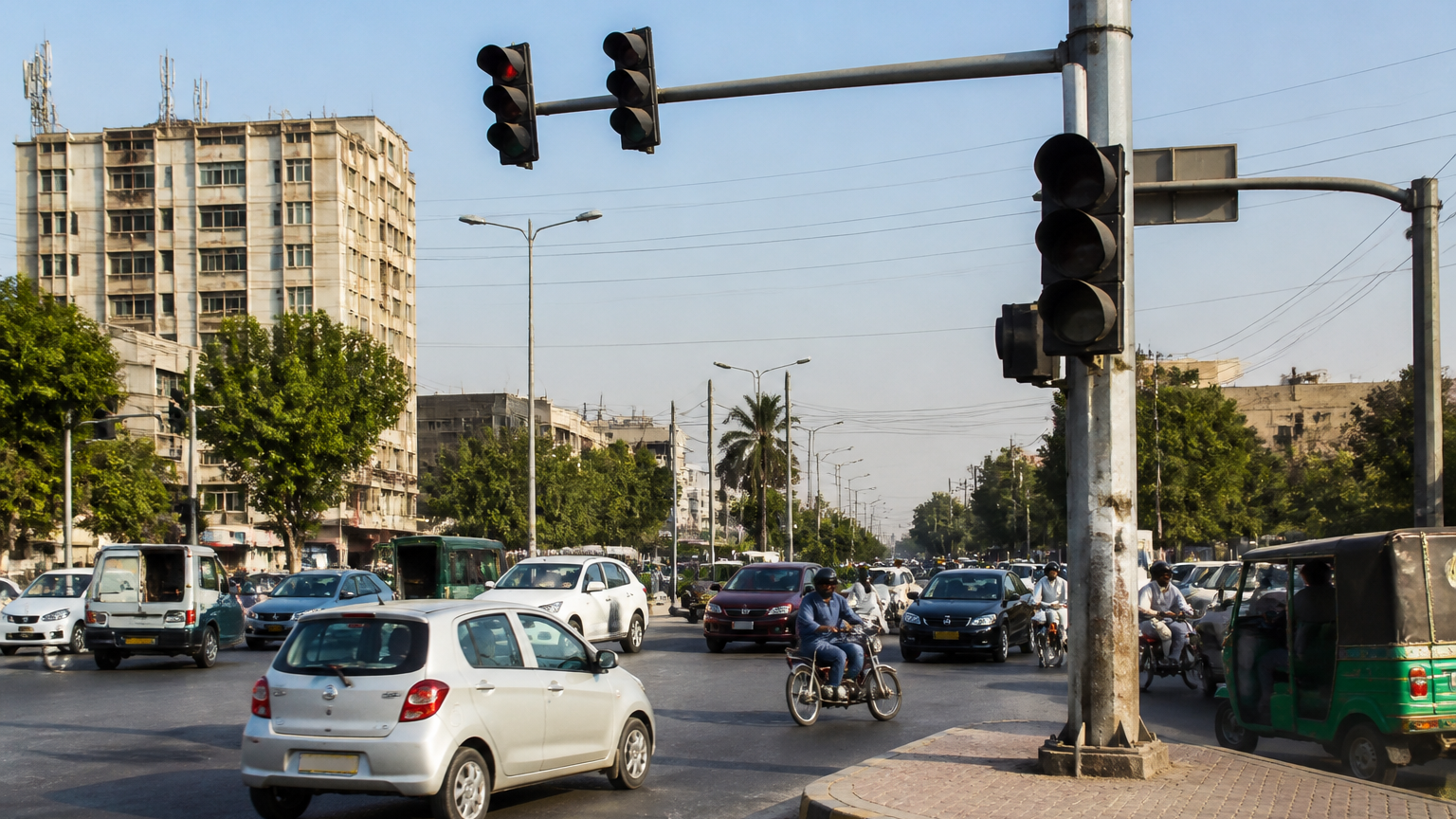
33 Karachi Traffic Signals Fail Amid Cable Theft
Karachi’s traffic chaos deepens: a report says 33 of 94 signals are down, with cable theft blamed—though the figures remain unverified.