Pakistan at the Pump: The Rs. 55 Wake-Up Call And What Comes Next
Pakistan hit with a Rs 55 per litre fuel hike overnight, pushing petrol to Rs 321.17 and diesel to Rs 335.86 due to war-driven oil surges. This wake-up call spotlights alternatives like electric vehicles, hybrids, and solar power to escape oil dependence and ease inflation pressures.
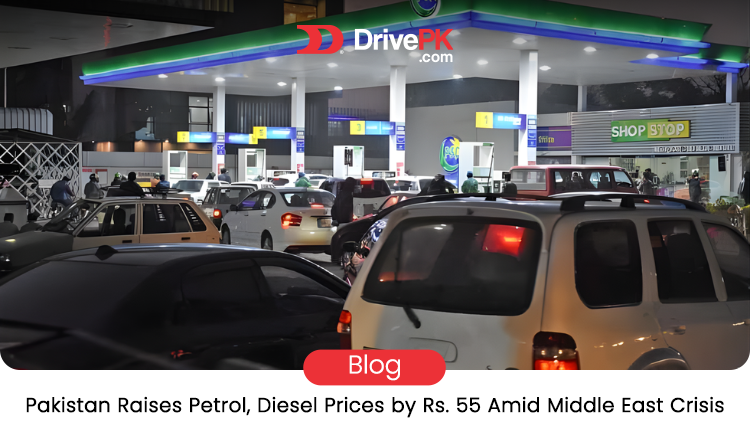
Table of Contents
- The Real Cost Beyond the Pump
- So What Are the Alternatives?
- Electric Vehicles (EVs) The Shift That's Gaining Speed
- Plug-In Hybrids (PHEVs) Bridging the Gap
- Smaller, Smarter Combustion Vehicles: Quick Wins Today
- Solar-Powered Home Charging Double Protection
- Conclusion
People across Pakistan got hit hard this morning. The Finance Division dropped a late-night notice about a massive Rs 55 per litre jump in petrol and high-speed diesel prices. It stemmed from wild swings in global crude oil markets. Petrol shot up from Rs 266.17 to Rs 321.17 per litre. Diesel climbed from Rs 280.86 to Rs 335.86. This marks the biggest one-time spike in years.
What sparked it? Tensions between Iran, the US, and Israel boiled over, dragging in more countries and messing with oil supplies. Brent crude hit $90.83 a barrel, and West Texas Intermediate reached $88.96. The Strait of Hormuz shut down which is the chokepoint for about 20% of global oil. Prices went through the roof. Pakistan, importing over 85% of its oil, felt the full force. Officials scrambled for backups, like routing through Saudi Arabia's Yanbu port in the Red Sea.
Chaos followed the announcement. Lines snaked around fuel stations in Lahore, Karachi, Islamabad, and Rawalpindi. Folks raced to top up tanks before the new rates kicked in fully. Social media buzzed with frustration posts about petrol price in Pakistan today flooded feeds, tagging the government and sharing tips on beating the hike.
The Real Cost Beyond the Pump
This goes way past refilling your car. Petrol fuels millions of bikes and personal rides in cities and villages. Diesel runs trucks, buses, farm equipment, and supply chains. Every $10 bump in world oil prices pushes Pakistan's inflation up by 0.5 to 0.6 points. The rupee takes a hit too. Bottom line? Your weekly groceries cost more. Rickshaw rides sting harder. That monthly food budget stretches thinner.
Inflation in Pakistan already sits high, over 27% in recent months. This fuel crisis adds fuel to the fire, pun intended. Transport costs ripple through everything. Goods get pricier to move. Businesses pass on expenses. Families feel the squeeze. And with global oil prices volatile from conflicts, this isn't a one-off. It's a pattern. Searches for fuel price increases and oil prices in Pakistan spike whenever news like this breaks.
Pakistan's economy relies heavily on imports. Last year, oil bills topped USD 17 billion, up nearly double from before. The rupee's drop makes it worse. Add climate goals. Pakistan aims for 30% EV sales by 2030 under the National Electric Vehicle Policy. But right now, this hike underscores how fragile things are. It's not just economic. Air quality suffers from fossil fuels. Cities choke on smog. Health costs pile up.
So What Are the Alternatives?
Relying on imported oil isn't set in stone. It's a choice we can change. With the petrol price hike in 2026 making headlines, now's the time. Options exist to cut costs and build resilience. Let's break them down.
Electric Vehicles (EVs) The Shift That's Gaining Speed
EVs aren't a distant dream anymore. Rising fuel costs and pollution push more people toward them. Owners save big PKR 10,000 to 20,000 a month on running expenses. Per kilometer, EVs cost half as much as petrol cars. That's real money back in your pocket.
Sales tell the story. Electric vehicles in Pakistan jumped 64% last year. Over 57,800 EV bikes sold in the first eight months of 2025 alone. Options suit every budget. The MG ZS EV and MG 4 work for families on a mid-range budget. BYD Atto 3 and Seal bring tech without breaking the bank. Premium picks like the Hyundai Ioniq 5 and Kia EV5 pack features for those wanting more.
Budget buyers, check out the Inverex Xio at Rs 3,499,000. It gives 140 km range on a 14 kWh battery, Pakistan's cheapest new EV. The Honri hatchback seats five, hits 250 km per charge, and runs under Rs 5 million. A full charge? Just Rs 600 to 800. That's a fraction of filling a tank.
Growth keeps coming. BYD plans assembly in Karachi by 2026. Government tweaks tariffs and offers incentives. Public fast chargers multiply, expect big jumps in access over the next 12 to 24 months. EV searches in Pakistan are trending, showing interest peaks with every fuel spike.
But challenges linger. Charging infrastructure lags in rural areas. Upfront costs deter some. Yet, as diesel prices in Pakistan climb, the math favors EVs more each day.
Plug-In Hybrids (PHEVs) Bridging the Gap
Full EV too big a leap? PHEVs make sense for Pakistan's mix of city drives and longer hauls. They slash fuel bills, calm range worries, and fit urban life. You plug in for short trips, switch to gas for distance.
Local assembly ramps up. The Haval H6 PHEV became Pakistan's first home-built plug-in hybrid SUV in August 2025. BYD Shark 6 followed as the debut PHEV pickup, with assembly set for mid-2026. Hybrid car queries in Pakistan surge, especially post-hike.
PHEVs cut emissions too. They align with policy goals like 90% fleet electrification by 2040. For many, the next buy skips pure petrol or full EV; it's PHEV territory.
Smaller, Smarter Combustion Vehicles: Quick Wins Today
Can't swing an EV yet? Downsize your engine. Smaller cars sip fuel, perfect for commutes in this fuel crisis in Pakistan. They deliver better mileage per litre, slashing costs without big changes.
Think efficient models like the Suzuki Alto or Honda City variants with turbo tweaks. Mileage hits 20-25 km/litre in traffic. That's double some SUVs. Pair with habits like smooth driving and regular maintenance. It adds up fast when petrol price today hovers at Rs 321.
Solar-Powered Home Charging Double Protection
Pakistan boasts top-tier solar potential. Rooftop panels plus an EV or PHEV? You dodge oil shocks and grid bills. Early adopters already do this, charging for free via sunlight.
Costs dropped. A basic setup pays back in 3-5 years through savings. Government subsidies help. In sunny spots like Punjab or Sindh, it's a no-brainer. Solar charging in Pakistan ties into broader energy shifts, reducing import reliance.
Conclusion
This 2026 fuel mess might spark real change in Pakistan's auto scene. Tech and smart choices trump old habits. Data drives decisions now, compare costs, ranges, incentives.
A Rs 55 hike overnight screams vulnerability. Fossil fuels tie us to global whims. The Strait of Hormuz mess will ease, but volatility stays. Pakistan's economic news often links oil to inflation storms.
Transition to cleaner rides isn't optional anymore. The Rs 321 petrol tag settles that. How quickly do we move? That's on us policymakers, buyers, and builders. Start small: research the EV market in Pakistan, test a hybrid. Your wallet and the air will thank you. For more updates, visit DrivePK.com
Tags
Share this article
About the Author

Najeeb Khan
Automotive enthusiast and writer
Comments (0)
Login Required
You need to be logged in to comment on this article.
No comments yet. Be the first to share your thoughts!
Related Articles
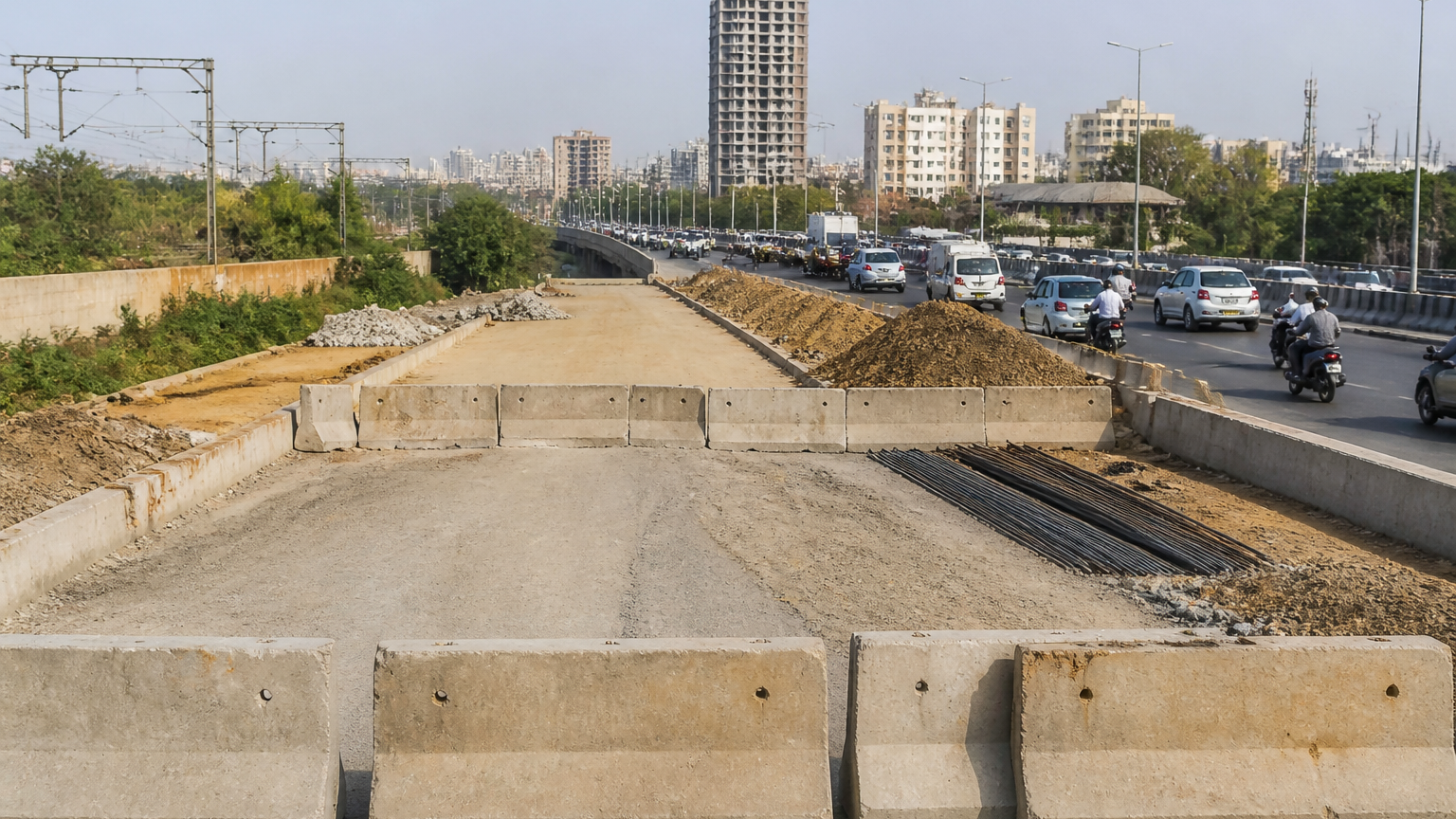
Karachi Link Road Work Halted Over KCR Land Dispute
Karachi’s Natha Khan Link Road promised faster commutes, but a land dispute between KMC and Pakistan Railways now clouds its opening.
DrivePK Sell It For Me: Let Us Handle Your Car Sale
Selling your car in Pakistan is time-consuming. Before using DrivePK’s Sell It For Me, verify its process, fees, and handover rules first.
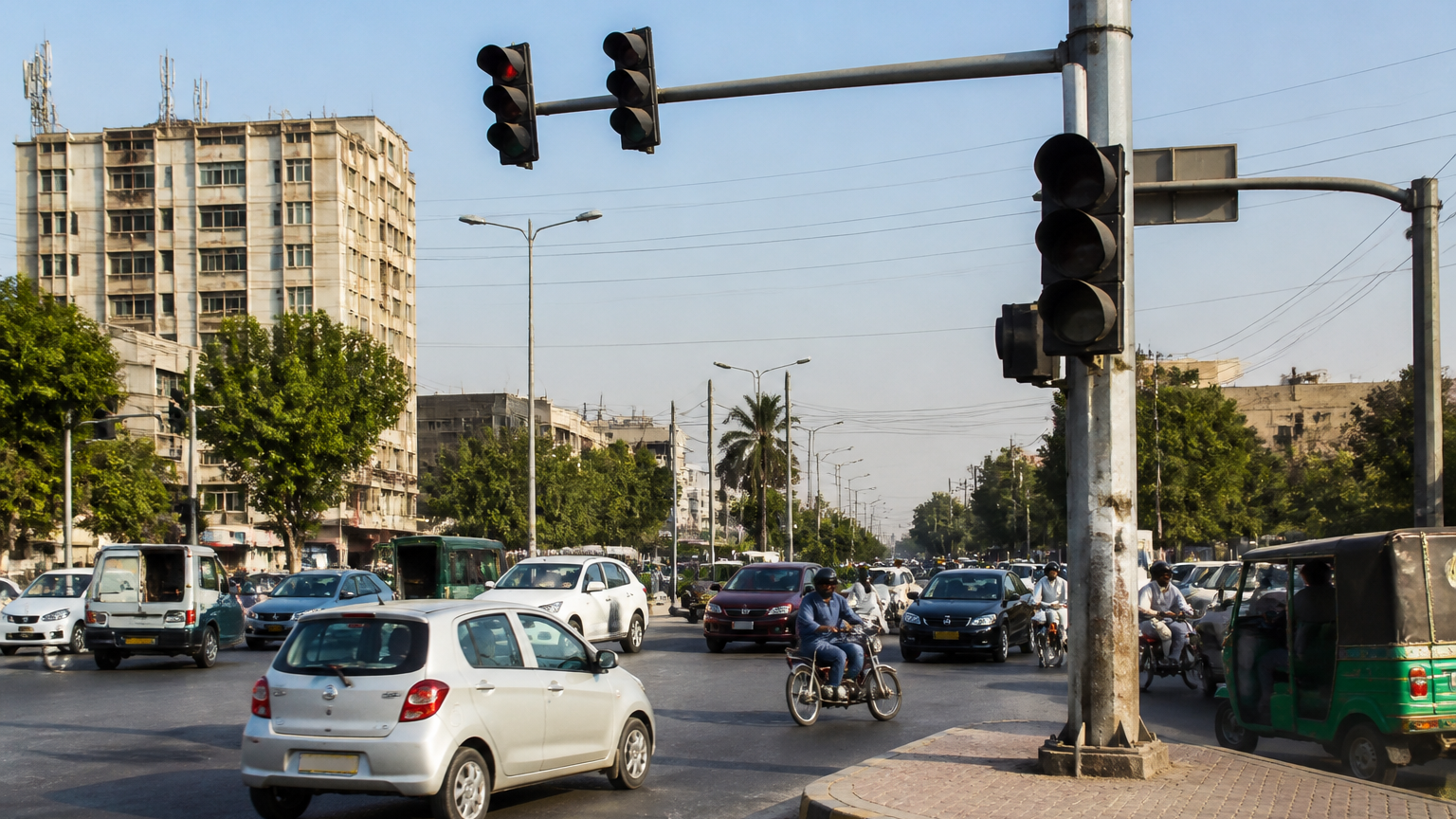
33 Karachi Traffic Signals Fail Amid Cable Theft
Karachi’s traffic chaos deepens: a report says 33 of 94 signals are down, with cable theft blamed—though the figures remain unverified.