Pakistan Auto Industry Recovery in FY2026: Growth Drivers and Outlook
Pakistan's auto industry is bouncing back strong in FY2026. With easing inflation and better bank loans, production of cars, trucks, and buses has surged. This boost helps large-scale manufacturing and signals brighter economic times ahead, as lower rates spark more investments.
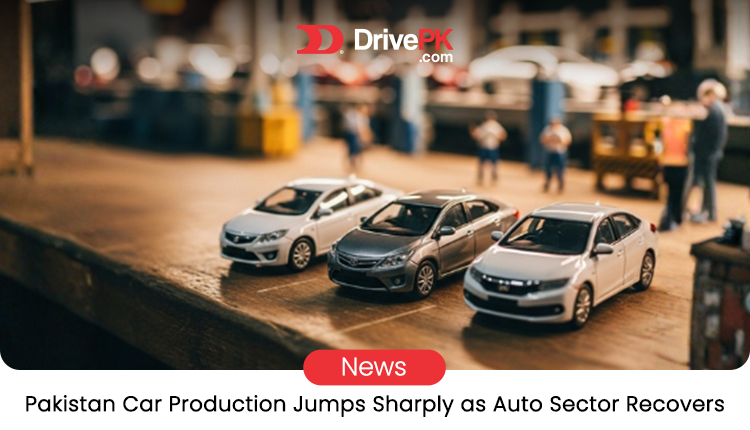
Table of Contents
- What's Behind the Surge?
- How This Helps the Bigger Picture
- Looking Ahead to 2026
Pakistan's car makers are revving up again. In the first half of FY2026, the auto sector has picked up speed after tough times. Sales and production are climbing. This isn't just good news for factories, it's a sign the economy is shifting gears.
Think about it. Not long ago, high inflation and tight money made buying a car feel out of reach. Now, things look different. Banks are lending more easily. People and businesses are jumping back in.
What's Behind the Surge?
Inflation has cooled off. That's the big one. Prices aren't rising as fast, so folks have more cash in their pockets. And the central bank cut its policy rate. Lower interest means cheaper loans for cars and trucks.
Production numbers tell the story. Passenger cars jumped year-over-year. Trucks, buses, and pickups followed suit. Factories are busy, churning out more vehicles than last year.
Banks play a key role too. Auto financing dried up before, but now it's flowing. Businesses see the chance to invest. They need trucks for hauling goods and buses for moving people.
Petroleum imports are up as well. More fuel coming in means more driving and shipping. It's all connected; busier roads point to a livelier economy.
How This Helps the Bigger Picture
The auto industry isn't isolated. It feeds into large-scale manufacturing, or LSM. That's a major chunk of Pakistan's industrial output. When cars and trucks roll off lines, it lifts LSM growth.
Jobs come with it. Factories hire more workers. Suppliers get busier too, tires, parts, steel. The ripple effect spreads wide.
And transport? Better vehicles mean smoother logistics. Goods move faster from farms to markets, factories to ports. That keeps shelves stocked and prices stable.
But challenges linger. Global oil prices could spike. Or supply chains might snag. Still, the momentum feels real.
Looking Ahead to 2026
The outlook stays bright. Inflation should hold steady in early 2026. No big shocks expected. That keeps financing affordable.
Experts predict continued growth. More production could mean exports rise. Pakistan's autos might find buyers abroad.
Yet, sustainability matters. The sector needs steady policies. Investments in tech could help, like electric vehicles or better efficiency.
And consumers? They want reliable rides at fair prices. If makers deliver, demand will follow.
In short, Pakistan's auto rebound shows resilience. It's a win for makers, workers, and drivers. As the year unfolds, watch this space. The road ahead looks promising. For more updates, visit DrivePK.com
Tags
Share this article
About the Author

Najeeb Khan
Automotive enthusiast and writer
Comments (0)
Login Required
You need to be logged in to comment on this article.
No comments yet. Be the first to share your thoughts!
Related Articles
Toyota Corolla Discontinued Before Pakistan Facelift
Pakistan’s pre-facelift Toyota Corolla is reportedly discontinued, hinting at a facelift. Prices, bookings, specs and launch timing remain unconfirmed.
DrivePK Car Inspection Reports: Buy with Confidence
Buying a used car in Pakistan? A pre-purchase inspection can reveal hidden damage, engine issues and red flags before you pay—but it’s not enough alone.
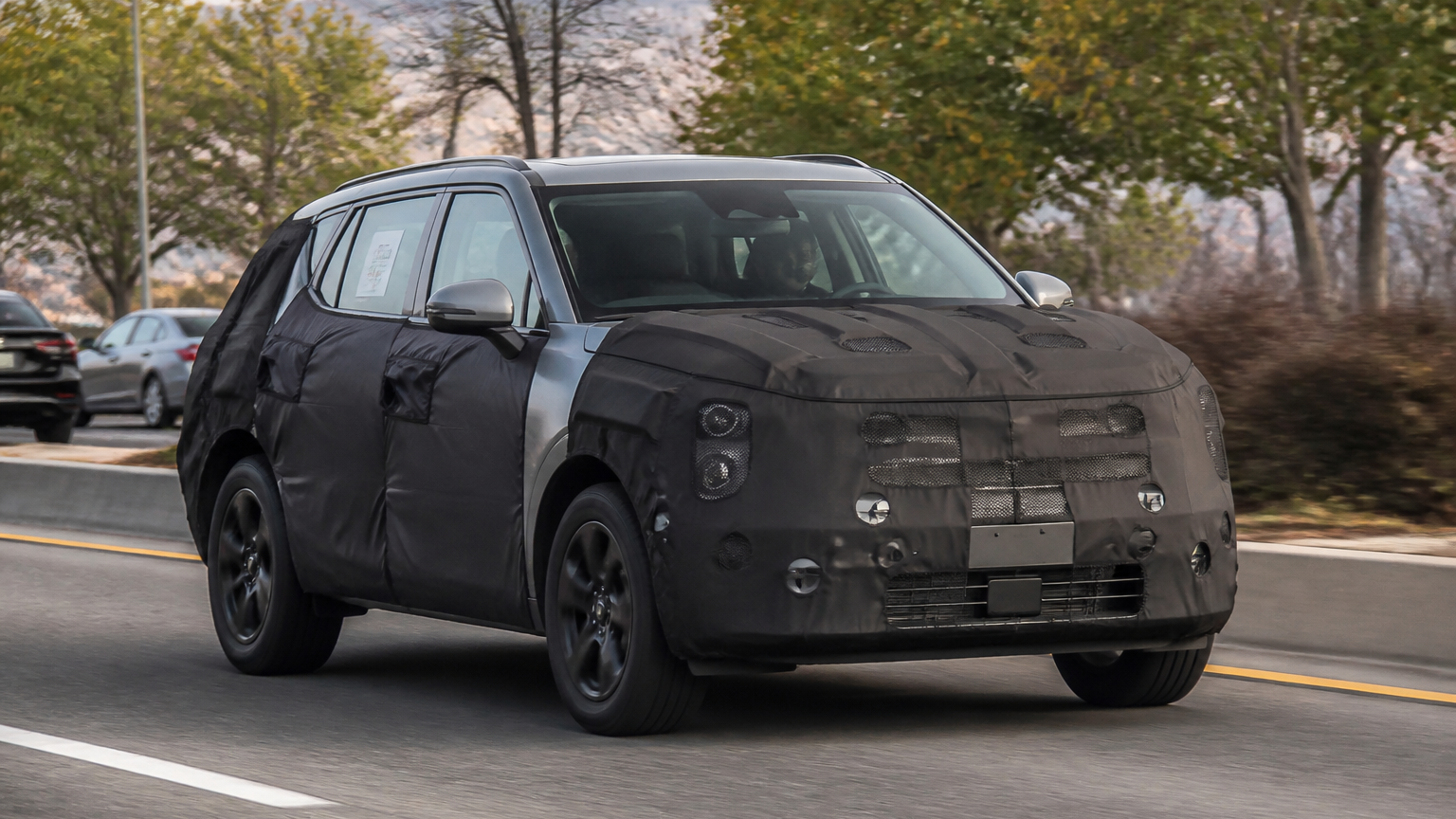
2028 Kia Sportage: Major Design Changes Spotted
Kia’s next Sportage may get a bolder, boxier redesign, with an upright profile, sharper lines, wider grille and split headlights hinted by spy shots.