Pakistan Auto Parts Industry Faces Crisis: What the 2026 Auto Policy Must Fix
Pakistan’s auto parts makers built a solid industry in the 1980s through local production rules. Today they face stiff competition from used car imports and easy duty breaks for new assemblers bringing in CKD kits. With the Auto Policy 2026-2031 on the way, vendors want better protection, real localisation incentives and export help to survive and grow
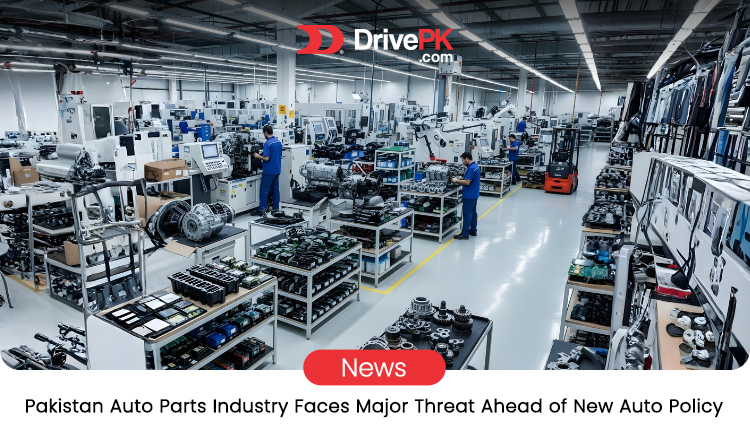
Table of Contents
- How policy gaps hurt local vendors
- What stakeholders want from the Auto Policy 2026-2031
- Why this matters for ordinary Pakistanis
- The road ahead
Pakistan’s auto parts manufacturing sector sits at the heart of the country’s industrial base. It employs more than 300,000 people directly and supports another 1.8 million jobs across supply chains, dealerships and related services. Yet the industry that once grew steadily under the old Deletion Programme now struggles with structural problems that policymakers created over the years.
The 1980s Deletion Programme pushed local production. It forced assemblers to source more parts inside Pakistan instead of importing everything. Vendors invested in tools, machines and skills. Over time, hundreds of small and medium factories started making bumpers, radiators, wiring harnesses, seats and other components. The goal was simple: build self-reliance and create jobs. For a while, it worked.
But later policies shifted the balance. Governments gave generous duty breaks to new vehicle assemblers who brought in completely knocked-down (CKD) kits. These kits arrived with very few local parts required. At the same time, used car imports continued through baggage and gift schemes. The result? A small market flooded with too many options and not enough steady demand for locally made parts.
Today Pakistan has around 14 assemblers producing more than 40 models. Yet the entire passenger car market stays below 200,000 units a year. That low volume makes it hard for vendors to recover their investments. A single die or mould can cost millions of rupees. If you sell only a few thousand pieces a year, the numbers simply do not add up. Many vendors stay stuck producing low-value items while higher-tech parts still come from abroad.
How policy gaps hurt local vendors
The problems run deeper than just numbers. When new assemblers get concessional duties on CKD kits, they have little reason to push for local sourcing. Why spend time and money developing Pakistani suppliers when imported kits are cheaper and easier? Localisation levels have dropped for some new models. Older Japanese brands still use more local content, but newer entrants often rely on imported kits with minimal Pakistan-made parts.
Used car imports add another blow. Every imported second-hand vehicle replaces a locally assembled one. That means fewer cars rolling off Pakistani lines and even less demand for local parts. Vendors watch their order books shrink while their fixed costs stay the same. Some factories run at half capacity. Others cut staff or delay upgrades.
The broader economy feels the pain too. The auto parts sector forms part of large-scale manufacturing. When it slows, steel, plastics, rubber, and engineering workshops slow with it. Taxes that should flow into the national kitty stay lower. Young engineers and technicians miss out on stable careers.
Recent data shows some recovery. Car sales rose in 2025 after a tough couple of years. Production picked up as interest rates eased and the economy stabilised a bit. But capacity utilisation across the industry remains low—around 30 percent of installed plant capacity. Assemblers sit on idle machines while vendors wait for orders. This stop-start pattern stops long-term planning.
What stakeholders want from the Auto Policy 2026-2031
The current auto policy ends in June 2026. The government is finalising the next one for 2026 to 2031. Vendors, through groups like PAAPAM, and established assemblers have made their views clear. They are not asking for endless protection. They want fair rules that let local industry compete.
First, stronger tariff protection for parts that Pakistan can already make. Right now, some finished vehicles and kits enjoy lower duties than the components vendors produce. That makes no sense if the goal is local manufacturing. A clear list of items with higher duties on imports, but only where local capacity exists, would give vendors breathing room to invest.
Second, real localisation incentives. Not just targets on paper, but linked support. Tax breaks, cheaper financing for new tooling, and technical help to meet quality standards. Vendors need help to move from simple sheet-metal parts to electronics, engine components and safety systems.
Third, export support. Pakistan makes decent parts at competitive costs for some categories. With the right push, vendors could sell to regional markets. But they need stable power, better logistics and help meeting international standards. Right now most production stays locked inside the domestic market.
Fourth, fix the used-car loopholes once and for all. Recent steps to tighten baggage and gift schemes helped, but full enforcement matters. Every used import that slips through hurts local jobs.
And finally, stable rules. The industry has seen too many policy flips. Investors need five to ten years of predictable tariffs and localisation roadmaps before they commit serious money. Short-term changes scare away both local and foreign capital.
Why this matters for ordinary Pakistanis
Higher localisation does not just help factory owners. It can bring car prices down over time by cutting the import bill and currency risk. More local content means less dependence on dollar fluctuations. It also creates skilled jobs in engineering towns like Lahore, Karachi, Gujranwala and Sialkot. Young people learn trades that pay better than basic retail or driving.
The sector already supports thousands of SMEs. A stronger policy could help these small units grow, adopt better technology and even supply global car makers one day. Pakistan has the workforce and the engineering base. What it lacks is the consistent push to turn potential into scale.
Critics sometimes say local parts are not good enough. In some cases that is true—especially for high-precision or electronic items. But many vendors already meet international quality for what they produce. The real issue is volume. Give them steady orders and they can invest in better machines and training.
The road ahead
The Auto Policy 2026-2031 offers a chance to correct past mistakes. It does not need grand promises or new subsidies that the budget cannot afford. It needs clear, enforceable rules that reward actual local production instead of rewarding imports dressed up as assembly.
Vendors have waited long enough. They built this industry under the old Deletion Programme when the country had far less money and fewer global links. Now they simply ask policymakers to tilt the playing field back toward local manufacturing. Not forever, but long enough to reach real scale and global standards.
If the new policy gets this balance right—tariff protection where it counts, genuine localisation incentives, export help and an end to policy whiplash—the auto parts sector can move from survival mode to growth. Jobs will stay safe. New investment will come. And Pakistan’s industrial base will become a bit stronger.
The next few months will show whether the government listens. The vendors, the workers and the wider economy are watching. A practical, honest policy now could secure hundreds of thousands of livelihoods for years to come. For more updates, visit DrivePK.com
Tags
Share this article
About the Author

Najeeb Khan
Automotive enthusiast and writer
Comments (0)
Login Required
You need to be logged in to comment on this article.
No comments yet. Be the first to share your thoughts!
Related Articles
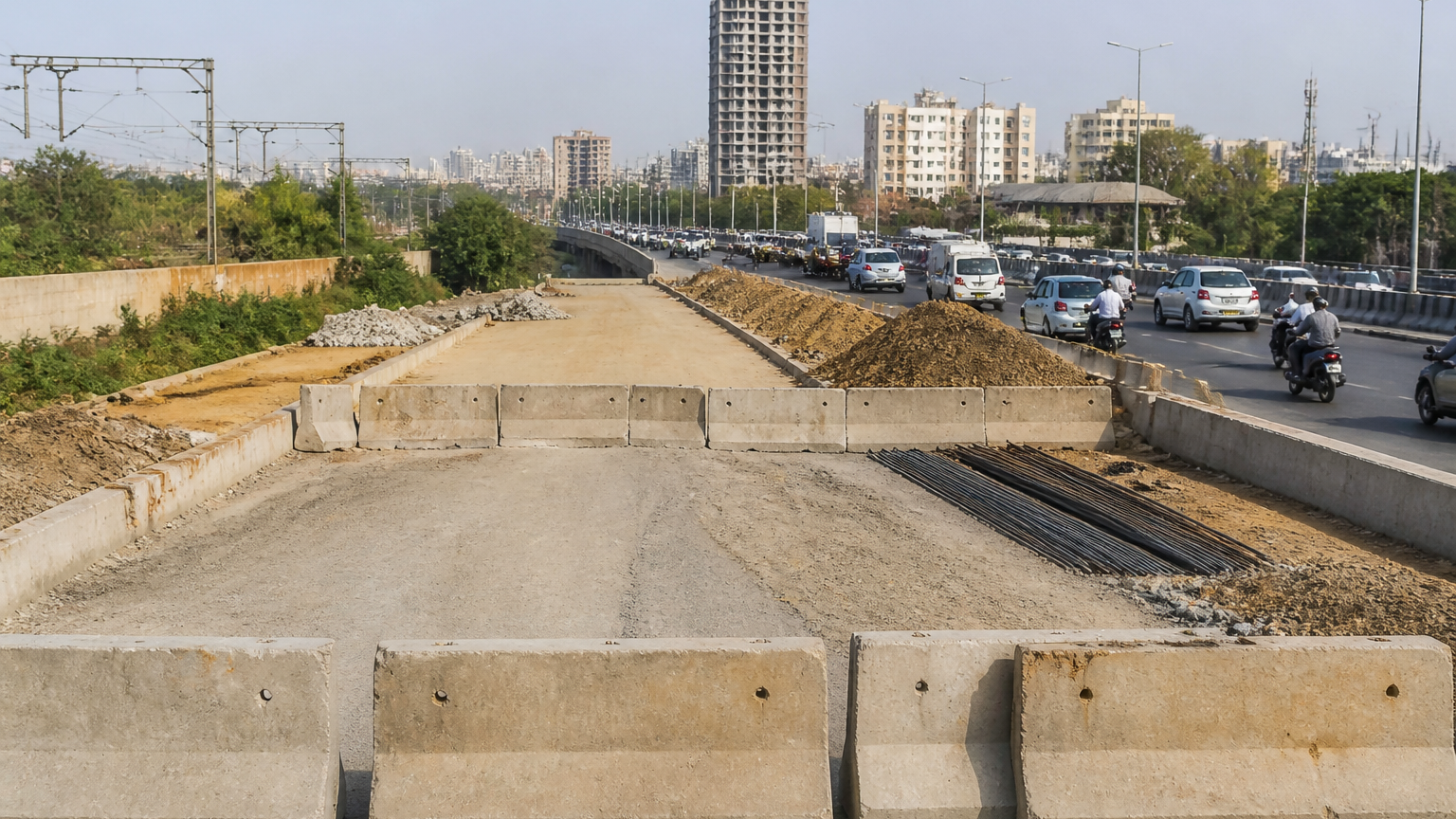
Karachi Link Road Work Halted Over KCR Land Dispute
Karachi’s Natha Khan Link Road promised faster commutes, but a land dispute between KMC and Pakistan Railways now clouds its opening.

DrivePK Sell It For Me: Let Us Handle Your Car Sale
Selling your car in Pakistan is time-consuming. Before using DrivePK’s Sell It For Me, verify its process, fees, and handover rules first.
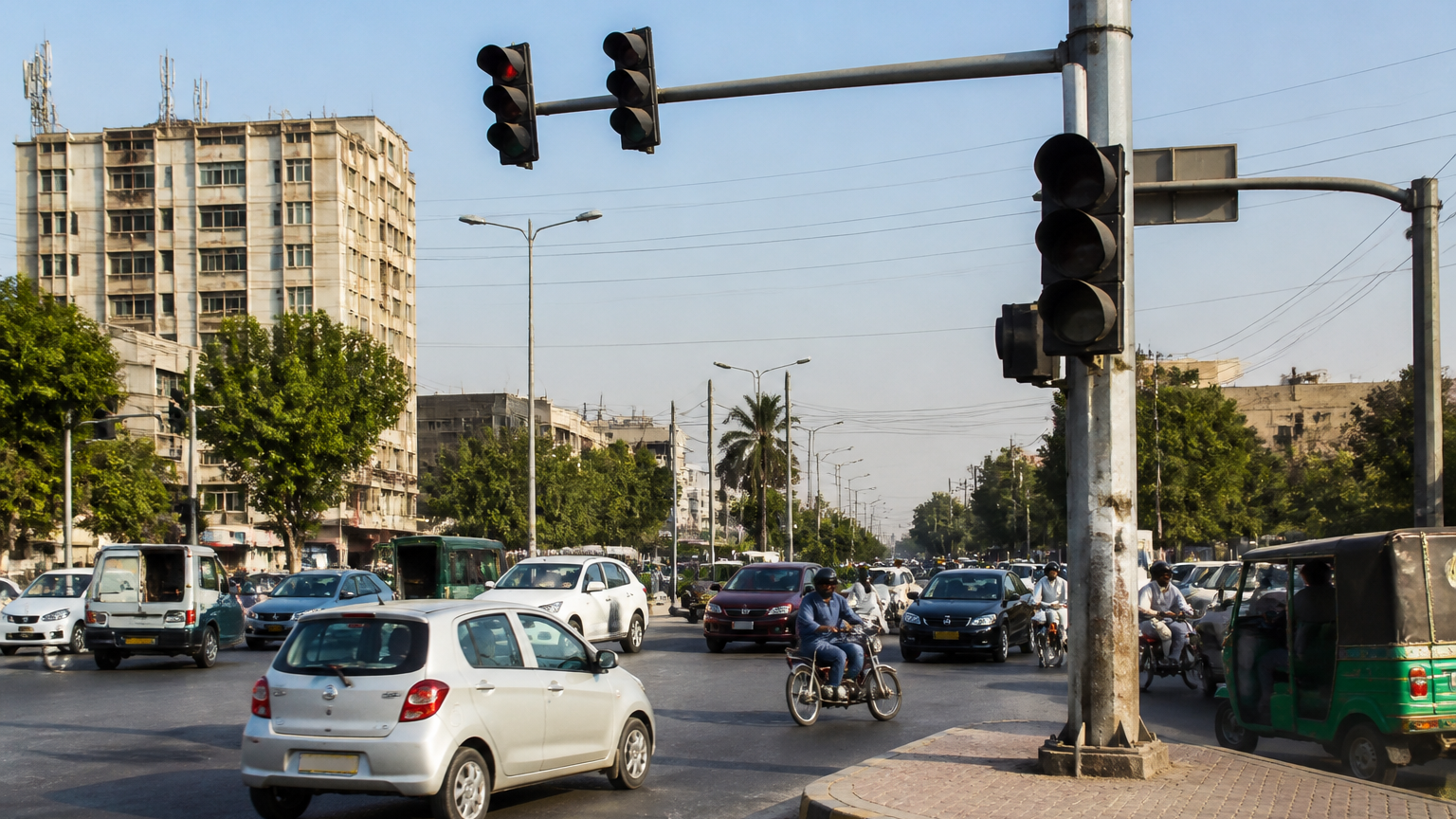
33 Karachi Traffic Signals Fail Amid Cable Theft
Karachi’s traffic chaos deepens: a report says 33 of 94 signals are down, with cable theft blamed—though the figures remain unverified.