Pakistan Auto Policy 2026-31 Gets IMF Clearance
Pakistan's auto reset clears IMF review and PM approval, but cabinet and Parliament must still sign off. Don't expect cheaper cars yet.
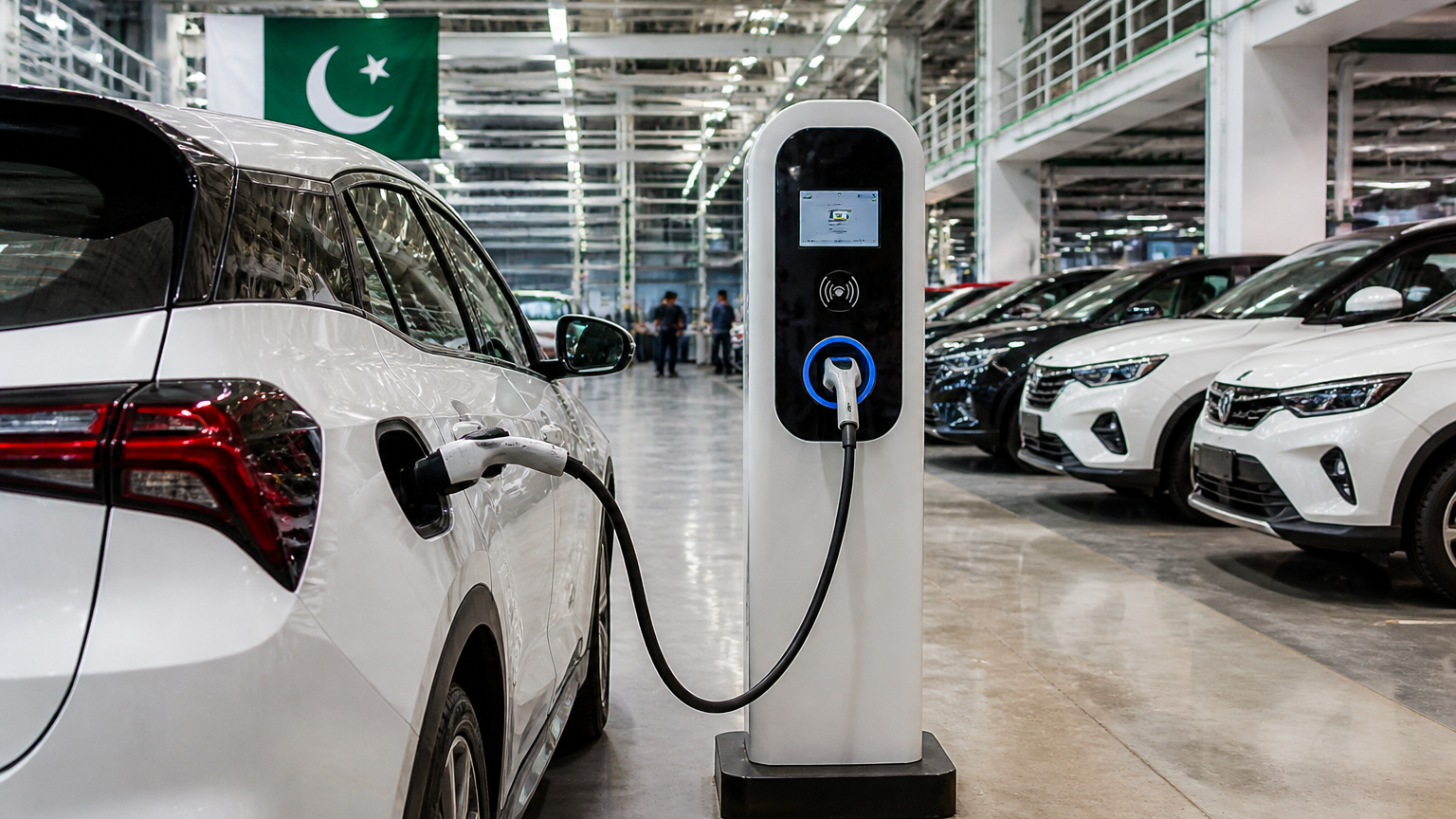
Table of Contents
- What the policy is trying to do
- Pressure on makers, not just incentives
- Localization rules may change model economics
- What this means for buyers
- Why the cabinet and money bill still matter
- The industry angle
- Explore DrivePK services
Pakistan’s planned auto reset has moved one step forward, but it is still not law.
The International Monetary Fund has raised no objections to the draft Autos and Auto Parts Manufacturing Policy 2026-31, and Prime Minister Shehbaz Sharif has approved it at the policy stage. Even so, the plan still needs federal cabinet approval and then a money bill in Parliament before any rule can take effect. That means car buyers should not treat any possible duty relief, export rule, or EV incentive as final yet. For background, read our earlier coverage: Pakistan Auto Policy 2026-31 Delayed due to IMF rejection.
For readers, the big question is simple: will this make cars cheaper, widen choice, or improve parts supply? The short answer is that it may help in the long run, but not immediately.
What the policy is trying to do
The draft shifts Pakistan away from assembly that depends on imports and toward manufacturing that can sell abroad, use more local parts, and support electric vehicles and other new energy vehicles.
The government expects the policy period to bring about $6.01 billion in total auto exports. Of that, $3.29 billion is expected from auto parts and $2.72 billion from vehicles. It also projects around $17.7 billion in foreign exchange savings, mainly because Pakistan would import fewer built-up vehicles if local production and EV use rise.
A separate target is to avoid about 1.823 million tons of oil imports through new energy vehicles.
This is the broad policy idea behind Pakistan Auto Policy 2026-31 Sets $6bn Export Target.
Pressure on makers, not just incentives
The draft does not only offer support. It also sets hard targets.
Auto parts makers are expected to deliver $3.29 billion of export value, while vehicle makers are expected to build export business through the global supply chains of their parent companies and international principals. The policy also proposes a DLTL export support package of 5% of net FOB value, with an extra 10% for qualifying incremental exports.
Companies that miss their export commitments could face penalties of 1% to 3% of annual factory gate sales. If they fail for two straight years, their manufacturing certificate could be cancelled, unless force majeure applies.
Localization rules may change model economics
The policy also pushes local value addition harder.
Existing OEMs must keep current localization levels for each model and raise domestic value addition by 2% each year, which the draft describes as an 8% cumulative increase over the policy term.
By 2030-31, the minimum localization targets are set at:
- 40% for cars and SUVs with internal combustion engines
- 45% for light commercial vehicles
- 80% for tractors
- 90% for motorcycles and rickshaws
- 25% for cars and SUVs
For new energy vehicles, the targets are lower but still firm:
- 30% for motorcycles and rickshaws
If companies miss these targets, the draft says customs duty on the relevant non-localized CKD imports could rise by 3 percentage points.
What this means for buyers
For now, the policy does not mean a confirmed price cut for any specific model.
Any change in showroom prices will depend on how makers handle localization costs, export duties, technology transfer, and compliance rules. Exchange-rate swings, tax changes, and weak demand can also cancel out expected savings.
The draft does include some EV support. Battery electric vehicles priced up to $15,000 may get a 5% customs duty concession for the first two years. But importers would need to set up local assembly or manufacturing, provide a surety bond and bank guarantee, and start commercial production of the imported variant by September 30, 2028.
For buyers considering an EV, the key is to wait for the final legal text, not just the policy headline.
Why the cabinet and money bill still matter
Until Parliament approves the money bill and the government issues the final rules, the policy remains a proposal with IMF clearance, not a fully active law. That matters because final duties, tax treatment, and compliance conditions can still change before implementation.
A delayed approval could also leave room for inflation, currency movement, or cost pass-through by manufacturers.
The industry angle
The policy also aims to lift factory use. The draft says idle capacity in the auto sector may be as high as 41% to 80%, and it tries to pull more work into contract manufacturing. It also sets aside Rs. 2.1 billion for a Vendor Upgradation and Technology Transfer Program to help Pakistan’s roughly 2,200 auto parts makers improve skills, certification, and export readiness.
That could matter for local suppliers and for buyers who want better parts availability over time.
For now, the message is clear: IMF clearance is a milestone, not a final price cut. Buyers who need a car soon should compare current offers, while EV shoppers should wait for the final bill, rules, and assembly commitments before booking.
Explore DrivePK services
Buying or selling a vehicle? Explore DrivePK services, including car inspection, Sell It For Me and Featured Listings, and choose the option that fits your needs.
For more updates, visit DrivePK.com
Tags
Share this article
About the Author
Dr Khan
Automotive Expert & Content Strategist
Comments (0)
Login Required
You need to be logged in to comment on this article.
No comments yet. Be the first to share your thoughts!
Related Articles
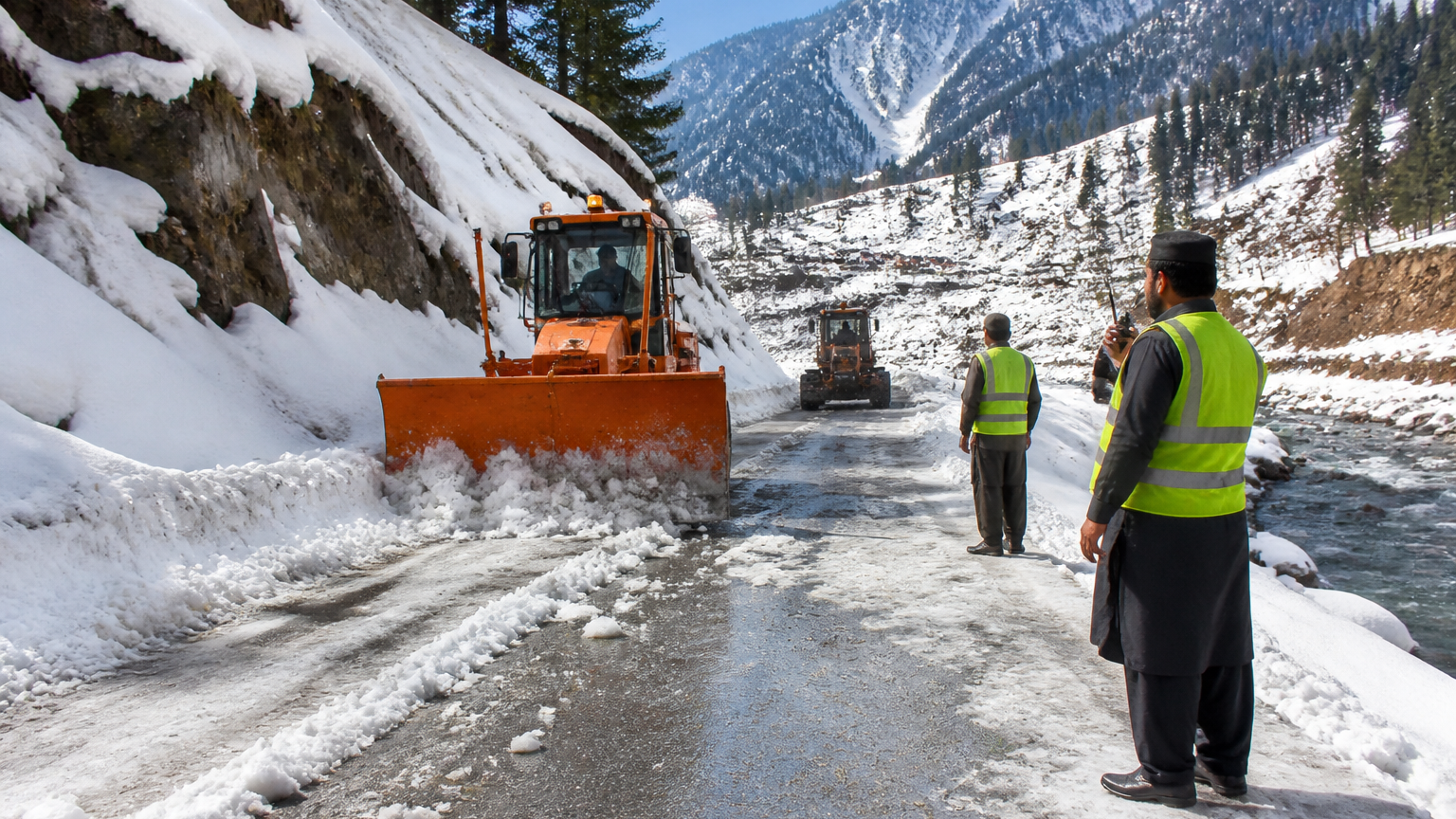
کے پی کا سرمائی روڈ پلان 8 بلند خطرہ اضلاع کو ہدف بناتا ہے
سخت سردیوں کے پیش نظر کے پی نے عملہ، ایندھن اور مشینری تیار رکھنے کے احکامات جاری کر دیے ہیں، کیونکہ برفباری، لینڈ سلائیڈز اور برفانی تودے آٹھ بلند خطرہ اضلاع میں سڑکوں کو متاثر کر سکتے ہیں۔
KP Winter Road Plan Targets 8 High-Risk Districts
With harsh winter ahead, KP orders crews, fuel and machinery ready as snow, landslides and avalanches threaten roads in eight high-risk districts.
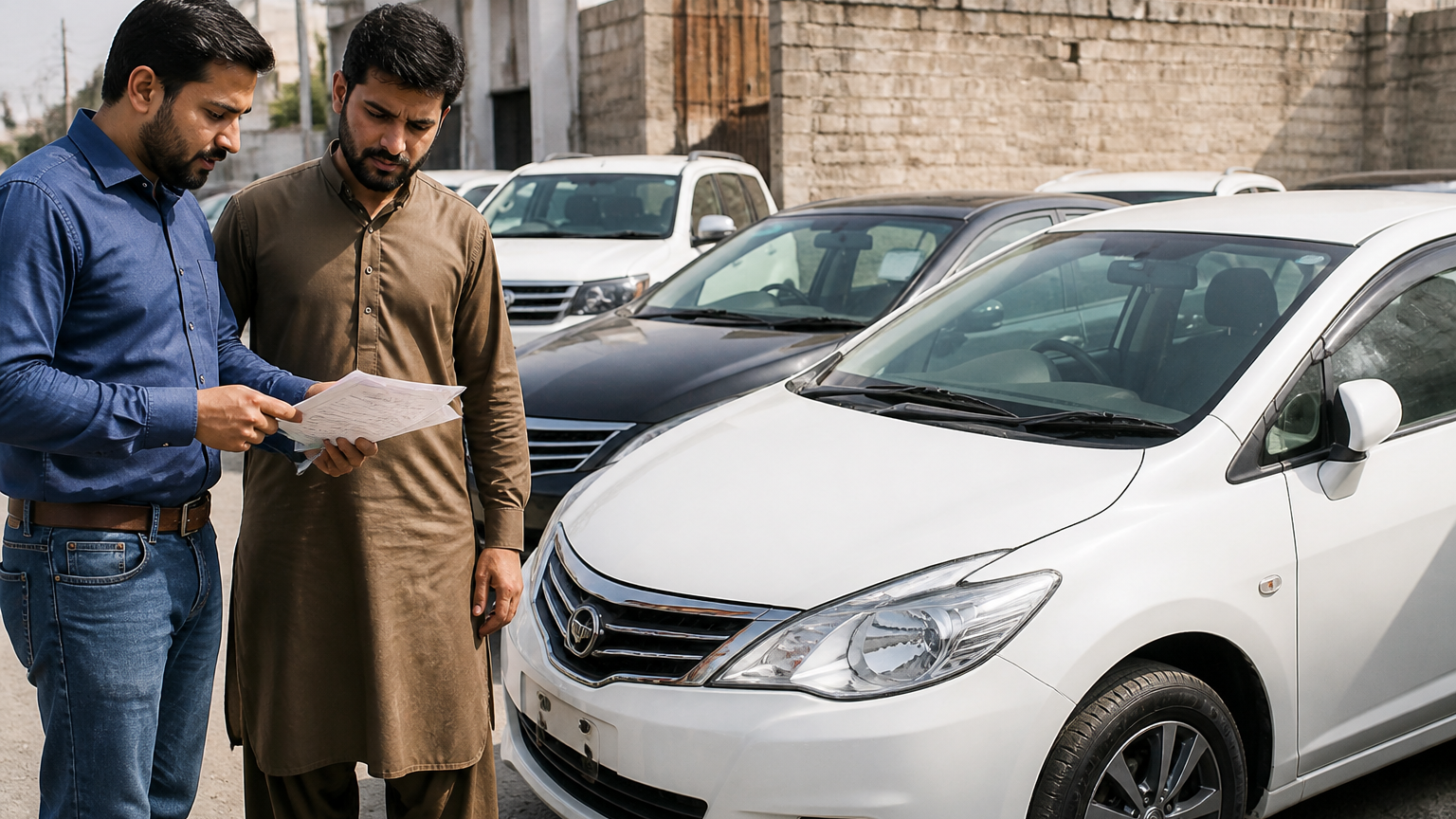
پاکستان میں درآمد شدہ گاڑیوں پر ایک سالہ ٹرانسفر چیک مزید سخت
پاکستان نے گفٹ اور بیرونِ ملک سے درآمد شدہ گاڑیوں کی جانچ سخت کر دی ہے اور قبل از وقت فروخت روکنے کے لیے ایک سالہ ٹرانسفر پابندی نافذ کی جا رہی ہے—یہ کوئی نئی امپورٹ پابندی نہیں۔