Pakistan Auto Policy 2026-31 Clears IMF Hurdle
Pakistan’s Auto Policy 2026-31 clears an IMF hurdle, but cabinet approval remains. Tax changes, incentives and car prices are still uncertain.
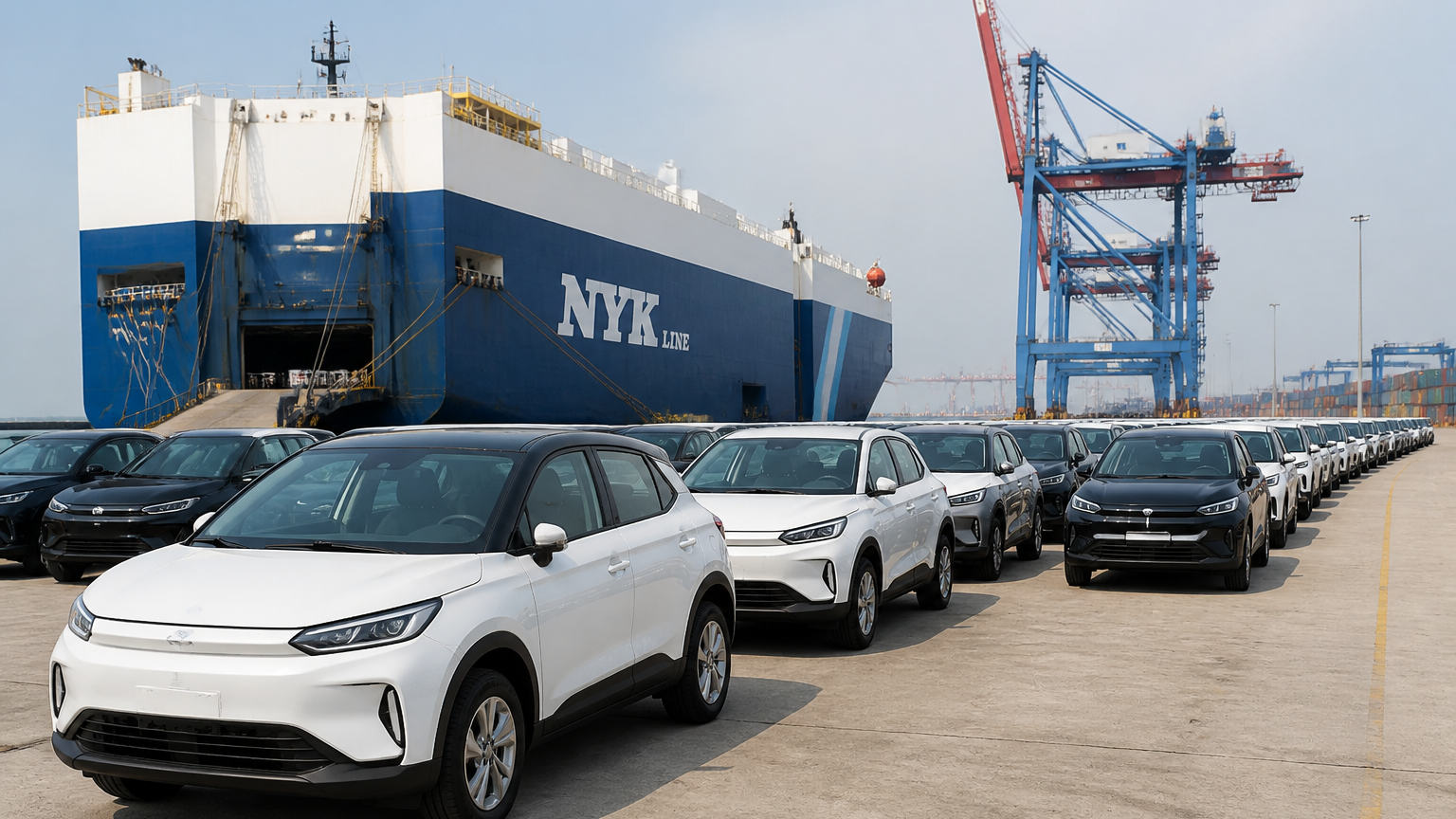
Table of Contents
- EV incentives may be funded through a levy on petrol and diesel cars
- Export rules could bring penalties for carmakers
- Imported EVs may get relief, but local production is still required
- Idle factory space could be used for contract manufacturing
- Should buyers wait or book now?
- What still needs to happen
- Explore DrivePK services
Pakistan’s Auto Policy 2026-31 has reportedly crossed an important hurdle after the government addressed concerns raised by the IMF. Prime Minister Shehbaz Sharif has approved the draft, and the IMF is said to have no objections to the revised framework. But this is not the same as final approval.
The policy still needs federal cabinet approval before the government can bring a mini-budget to Parliament. That means the final tax rates, incentives, and rollout dates can still change. For car buyers, this is a policy step forward, not a confirmed price cut or price hike.
Readers can also revisit our earlier coverage on the policy’s IMF roadblock in Pakistan Auto Policy 2026-31 Gets IMF Clearance and the export push in Pakistan Auto Policy 2026-31 Sets $6bn Export Target.
EV incentives may be funded through a levy on petrol and diesel cars
One of the biggest changes in the draft is a revenue-neutral setup. Under this plan, incentives for electric vehicles and export support for manufacturers would be paid for through an Automotive Development Levy on conventional petrol and diesel vehicles.
This approach appears designed to ease IMF concerns over lost government revenue. If the state gives tax relief to one part of the market, it wants to make up that loss elsewhere. The reported levy could do that.
For buyers, the key point is simple: no final levy rate has been announced. There is also no confirmed tax schedule for different vehicle categories. So any talk of immediate price changes remains premature until the mini-budget and related rules are passed.
Export rules could bring penalties for carmakers
The draft policy also puts stronger pressure on manufacturers to export vehicles. Companies that miss the required export targets could face penalties of 1% to 3% of their annual factory-gate sales value.
If a company fails to meet the target for two years in a row, it could lose its manufacturing certificate. That penalty would not apply in force majeure cases.
For the industry, this could shape what models are made, how factories plan production, and how much local demand can be met. For buyers, stronger export rules may affect future model supply and product planning, though it is too early to say how any one company will respond.
Imported EVs may get relief, but local production is still required
The draft also links EV import concessions to local production. Manufacturers that bring in eligible EVs at concessional tariff rates would have to start local commercial production of the same models by September 30, 2028.
If they miss that deadline, the government could encash the bank guarantees submitted for the concession.
This could help buyers see more EV choices in the near term. But it also means those benefits are tied to real progress on local assembly or production. In other words, cheaper imports may not stay in place unless companies follow through.
Idle factory space could be used for contract manufacturing
Another reported idea in the policy is contract manufacturing. The goal is to use spare capacity in existing plants rather than rely only on new factories.
Industry estimates suggest idle capacity in parts of the auto sector may be as high as 41% to 80%. If that figure holds, it leaves room for more production without major new investment.
That could help improve plant use, create more parts demand, and possibly widen the list of vehicles available in Pakistan. Still, this will depend on final rules, business deals, and whether local plants can actually produce the needed models.
Should buyers wait or book now?
If you need a car soon, do not cancel a planned purchase just because this policy is not final yet. The current market price is still the one that matters until official changes are notified.
If you are thinking about an EV or an imported model, waiting may make sense until the government confirms the final concession rates and eligibility rules. Petrol and diesel buyers should also watch for the final Automotive Development Levy before making a booking.
Before paying any token or booking amount, check the latest official notice, dealer quotation, booking terms, and refund conditions. Do not assume prices will rise or fall until the policy is fully approved.
What still needs to happen
The big unknowns remain the cabinet approval, Parliament’s mini-budget process, final levy rates, EV eligibility rules, export enforcement, and any changes in currency or import policy.
The reported IMF position is an important step, but it is not a promise that every part of the policy will take effect exactly as drafted.
For now, this is a milestone, not a final price announcement. EV buyers should wait for the confirmed details, while urgent buyers should decide on verified quotations and their own need.
Explore DrivePK services
Buying or selling a vehicle? Explore DrivePK services, including car inspection, Sell It For Me and Featured Listings, and choose the option that fits your needs.
For more updates, visit DrivePK.com
Tags
Share this article
About the Author

Dr Khan
Automotive Expert & Content Strategist
Comments (0)
Login Required
You need to be logged in to comment on this article.
No comments yet. Be the first to share your thoughts!
Related Articles
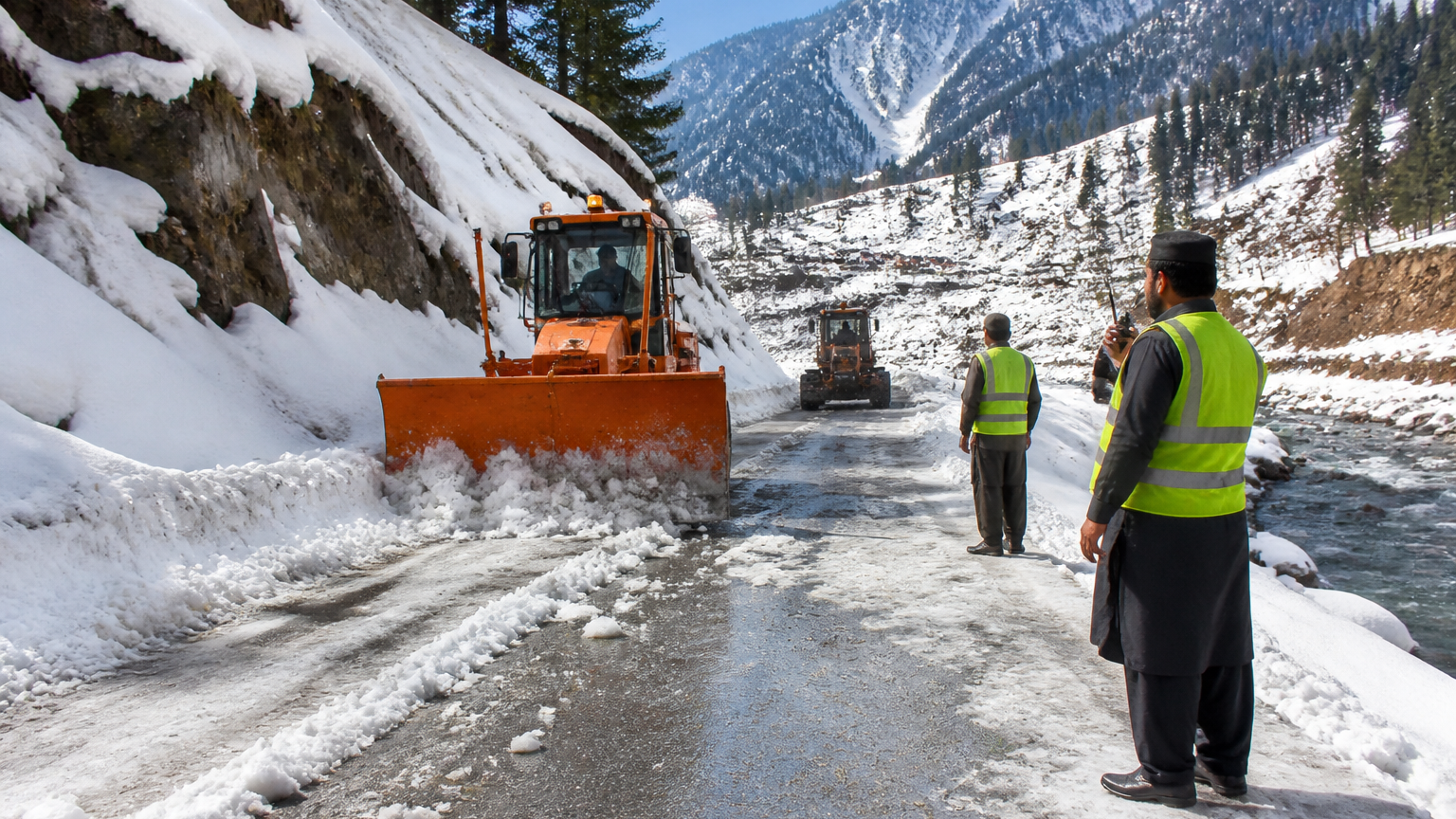
کے پی کا سرمائی روڈ پلان 8 بلند خطرہ اضلاع کو ہدف بناتا ہے
سخت سردیوں کے پیش نظر کے پی نے عملہ، ایندھن اور مشینری تیار رکھنے کے احکامات جاری کر دیے ہیں، کیونکہ برفباری، لینڈ سلائیڈز اور برفانی تودے آٹھ بلند خطرہ اضلاع میں سڑکوں کو متاثر کر سکتے ہیں۔
KP Winter Road Plan Targets 8 High-Risk Districts
With harsh winter ahead, KP orders crews, fuel and machinery ready as snow, landslides and avalanches threaten roads in eight high-risk districts.
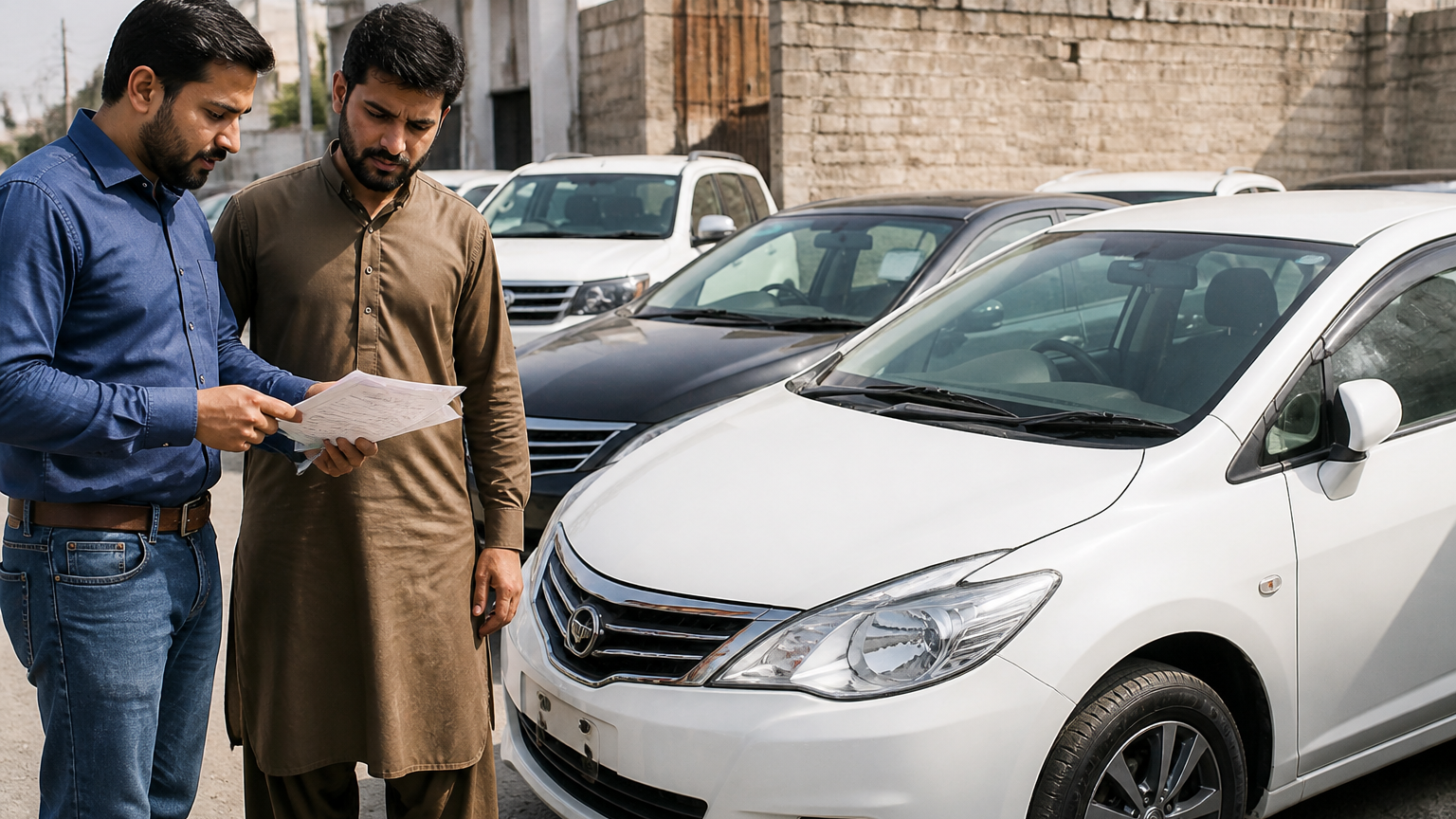
پاکستان میں درآمد شدہ گاڑیوں پر ایک سالہ ٹرانسفر چیک مزید سخت
پاکستان نے گفٹ اور بیرونِ ملک سے درآمد شدہ گاڑیوں کی جانچ سخت کر دی ہے اور قبل از وقت فروخت روکنے کے لیے ایک سالہ ٹرانسفر پابندی نافذ کی جا رہی ہے—یہ کوئی نئی امپورٹ پابندی نہیں۔