Pakistan Auto Policy 2026: Localisation and Exports
Draft Pakistan auto policy targets local parts, skills and $6bn exports—but won’t immediately change car prices, duties or showroom rules.
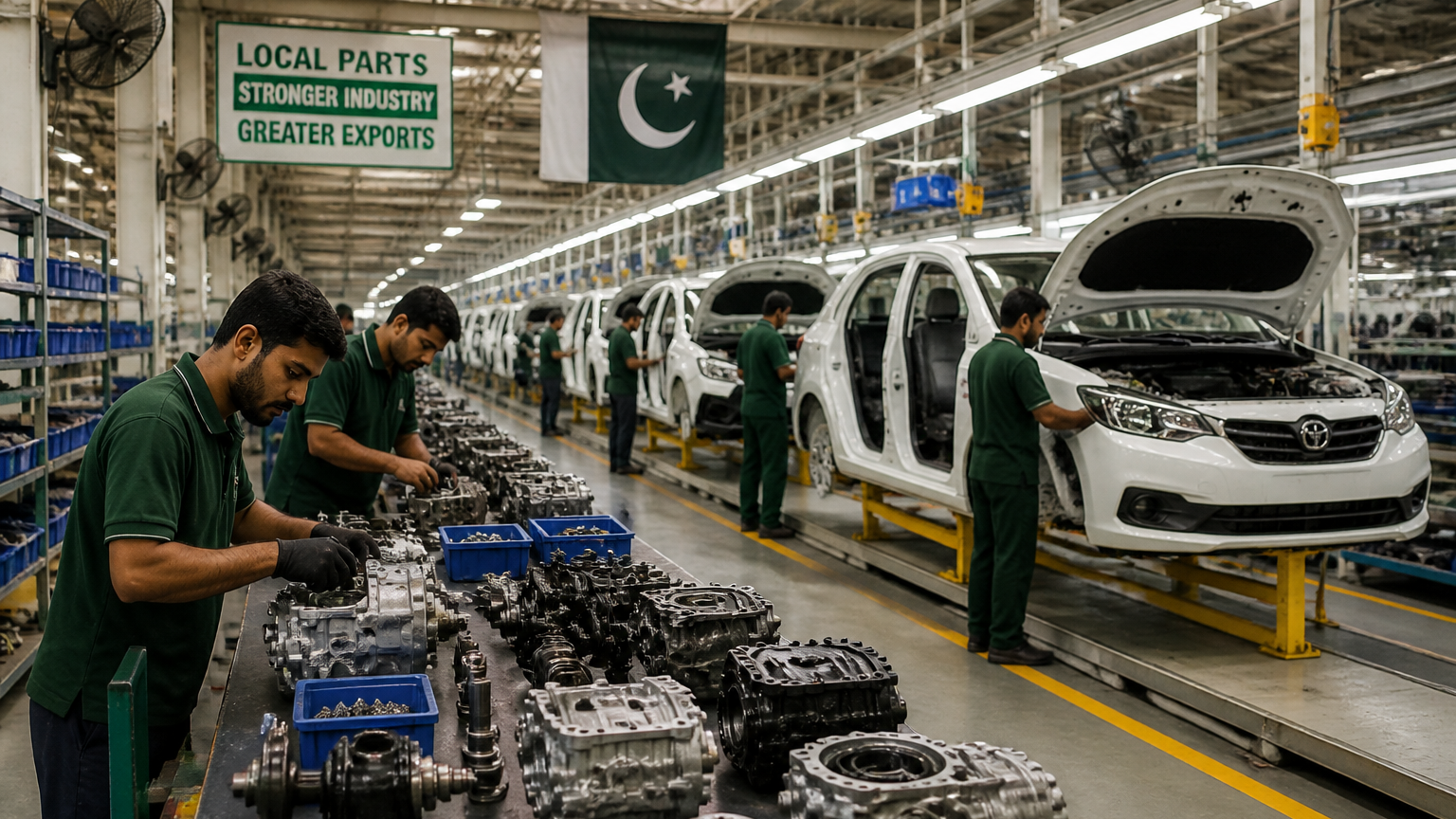
Table of Contents
- What the policy wants to change
- Rs 2.1 billion for auto parts vendors
- Exports are a major goal
- EV imports may get relief, but with a catch
- What buyers and businesses should do
- Explore DrivePK services
Pakistan’s proposed Autos and Auto Parts Manufacturing Policy 2026-2031 could reshape how the auto industry uses imported parts, builds local supply chains and chases exports. But the plan is still a draft that has been approved for further government processing, so it is not an immediate change in car prices, duties or showroom rules.
The policy sets a clear direction: less dependence on imported components, more domestic value addition, stronger technical skills and about $6 billion in exports over five years. For buyers, the effects would not be instant. For manufacturers and parts makers, the pressure could start as soon as the final rules are notified.
What the policy wants to change
A key idea in the draft is mandatory localisation targets for automakers. That means companies assembling vehicles in Pakistan would need to raise the share of locally sourced parts over time.
If a company fails to meet the minimum local value-addition requirement, it could face an extra 3 percentage points of customs duty on relevant non-localised CKD imports in the following financial year. CKD kits are the imported parts sets used for local assembly.
This may push companies to buy more from Pakistani suppliers, but it can also raise short-term cost pressure for brands that still rely heavily on imported components. The source material does not give model-wise localisation targets or any confirmed price change for consumers.
Rs 2.1 billion for auto parts vendors
The policy also proposes a Rs 2.1 billion vendor upgradation and technology transfer programme for Pakistan’s roughly 2,200 auto parts manufacturers. The Engineering Development Board and SMEDA would run the programme.
The support is meant to improve production technology, technical skills, shared facilities and international quality certification. The government also wants to back investment in five major auto parts firms to help build industrial clusters.
That part matters because local suppliers often decide how fast the industry can shift away from imports. Stronger vendors can mean better parts availability, fewer supply shocks and a better chance of meeting export quality standards.
For background on the broader policy push, see Pakistan Auto Policy 2026-31 Gets IMF Clearance.
Exports are a major goal
The draft policy aims for about $6 billion in cumulative automotive exports from 2026 to 2031. To support that, it proposes two incentives under the Drawback of Local Taxes and Levies scheme:
- 5% support on net FOB export value for eligible exporters
- An additional 10% incentive on qualifying incremental exports
The aim is to move local makers beyond Pakistan’s domestic market and into global supply chains. That will depend on price, quality, stable policy and whether local firms can actually win foreign buyers.
A related DrivePK report on the target can be found here: Pakistan Auto Policy 2026-31 Sets $6bn Export Target.
EV imports may get relief, but with a catch
The draft also includes a limited concession for battery electric vehicles priced up to $15,000. Such vehicles could get a 5% customs duty for the first two years, but only if the importing company sets up local assembly or manufacturing facilities.
Companies would also have to submit a surety bond and an irrevocable bank guarantee for the duty gap. Duties are planned to be rationalised gradually over five years, with concessions tied to localisation, manufacturing and export performance.
This is not confirmation of a specific EV launch or a final retail price cut.
What buyers and businesses should do
For car buyers, the safest move is to wait for the final notification before making decisions based on expected duty changes. No model-specific price hike or discount is confirmed yet.
Existing owners should not expect an immediate change in maintenance costs or parts supply. Auto parts businesses, however, should watch for the final EDB and SMEDA rules, since certification and vendor-upgrade requirements may become important quickly.
The bigger risk for the policy is execution. If localisation checks, export incentives and EV conditions are not enforced clearly, the plan may not deliver the results it promises. For now, it is a major policy direction — not a finished market shift.
Explore DrivePK services
Buying or selling a vehicle? Explore DrivePK services, including car inspection, Sell It For Me and Featured Listings, and choose the option that fits your needs.
For more updates, visit DrivePK.com
Tags
Share this article
About the Author
Dr Khan
Automotive Expert & Content Strategist
Comments (0)
Login Required
You need to be logged in to comment on this article.
No comments yet. Be the first to share your thoughts!
Related Articles
کے پی کا سرمائی روڈ پلان 8 بلند خطرہ اضلاع کو ہدف بناتا ہے
سخت سردیوں کے پیش نظر کے پی نے عملہ، ایندھن اور مشینری تیار رکھنے کے احکامات جاری کر دیے ہیں، کیونکہ برفباری، لینڈ سلائیڈز اور برفانی تودے آٹھ بلند خطرہ اضلاع میں سڑکوں کو متاثر کر سکتے ہیں۔
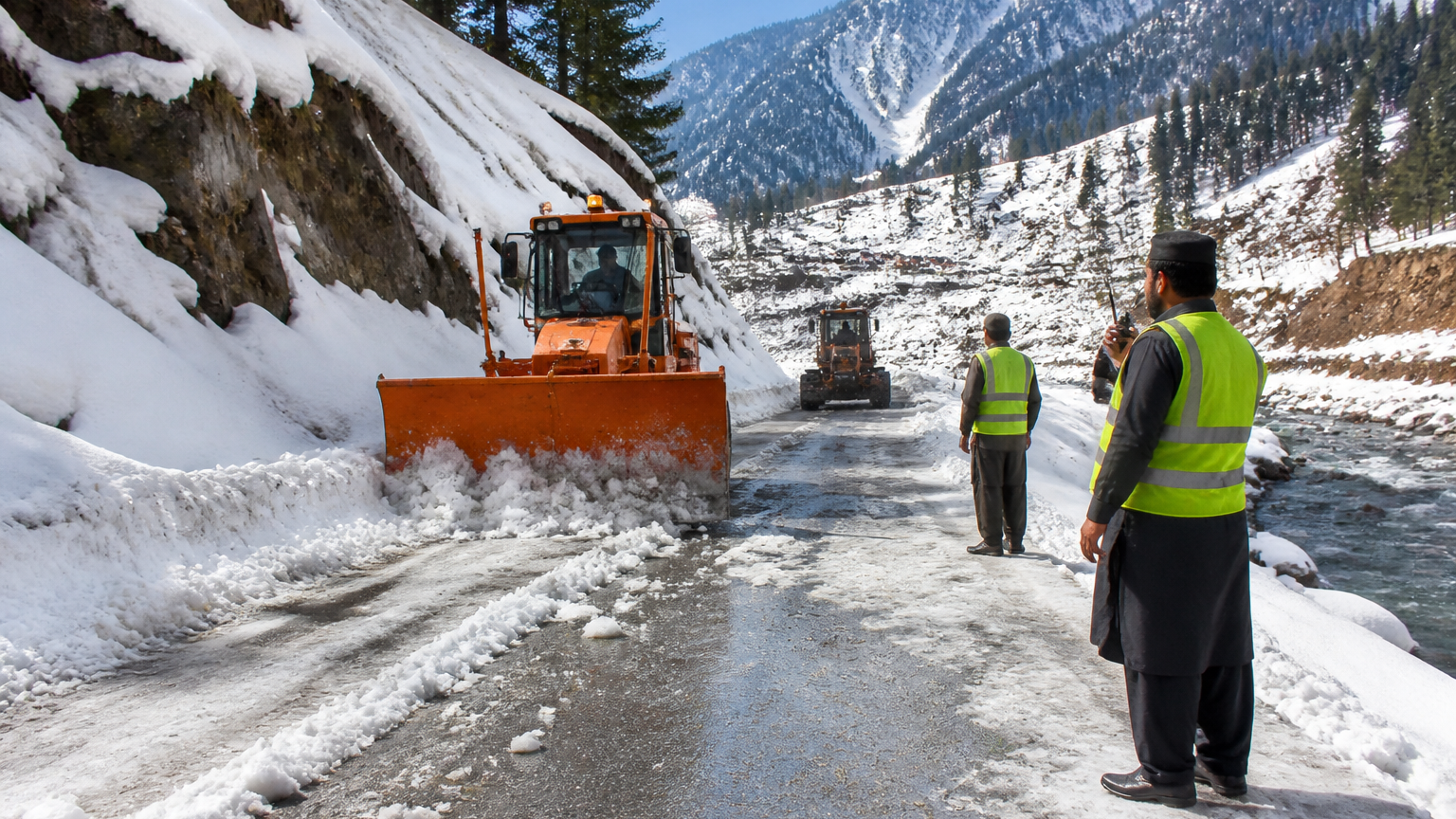
KP Winter Road Plan Targets 8 High-Risk Districts
With harsh winter ahead, KP orders crews, fuel and machinery ready as snow, landslides and avalanches threaten roads in eight high-risk districts.
پاکستان میں درآمد شدہ گاڑیوں پر ایک سالہ ٹرانسفر چیک مزید سخت
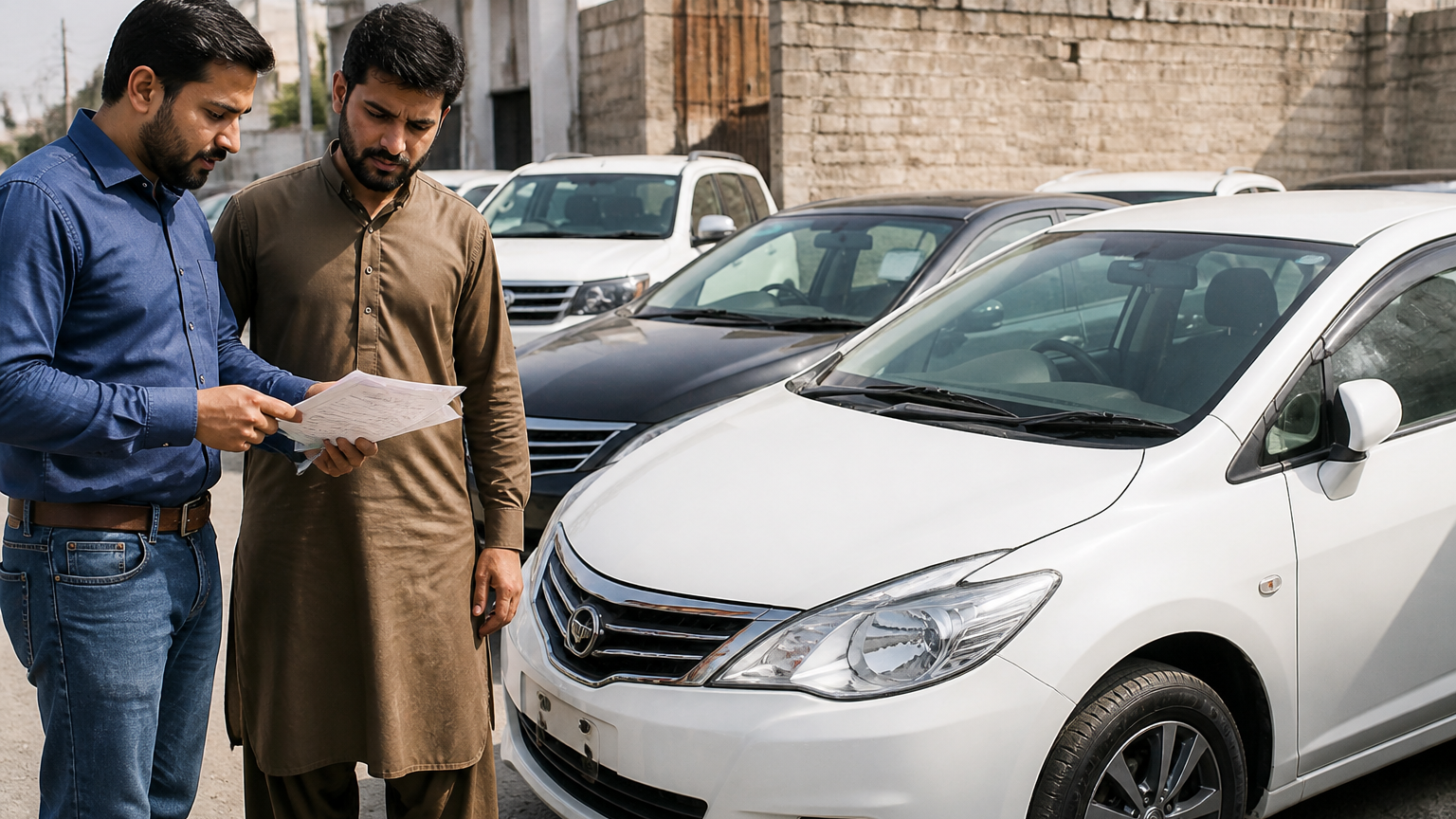
پاکستان نے گفٹ اور بیرونِ ملک سے درآمد شدہ گاڑیوں کی جانچ سخت کر دی ہے اور قبل از وقت فروخت روکنے کے لیے ایک سالہ ٹرانسفر پابندی نافذ کی جا رہی ہے—یہ کوئی نئی امپورٹ پابندی نہیں۔