Pakistan Auto Policy 2026-31: Mini-Budget Explained
Pakistan’s auto mini-budget draft advances, but cabinet and Parliament approval remain pending—so 2026-31 policy changes aren’t in force yet.
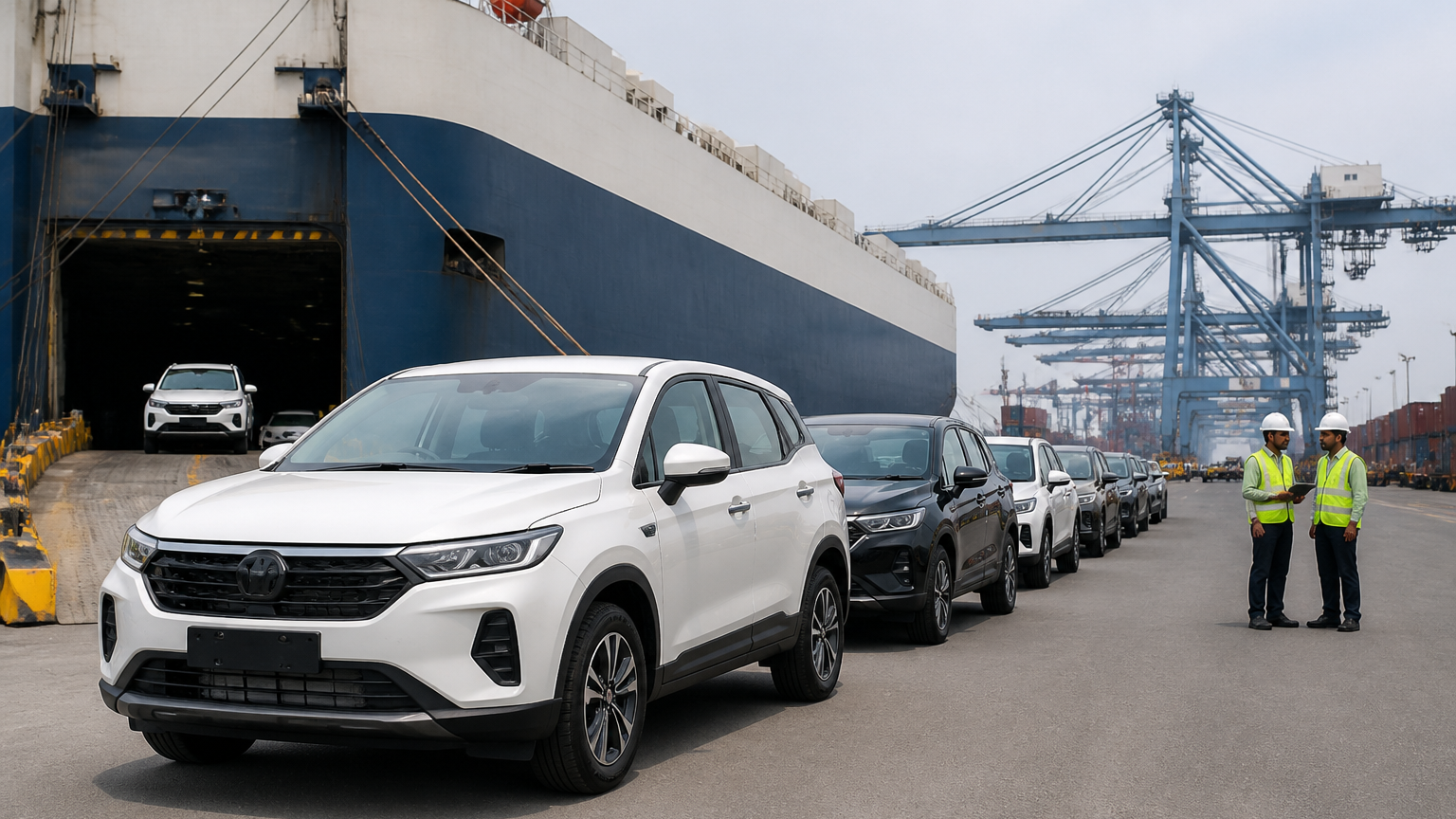
Table of Contents
- Export targets could bring real penalties
- EV import concessions would come with a local production condition
- Contract manufacturing may be used to tap idle capacity
- What this means for car buyers
- Explore DrivePK services
Pakistan is reportedly preparing a mini-budget to give legal effect to fiscal changes proposed under the Auto and Auto Parts Manufacturing Policy 2026-31. Prime Minister Shehbaz Sharif has approved the draft, but it still needs federal cabinet approval before the government can bring a money bill to Parliament. That means the policy is not in force yet, and reported IMF clearance should not be treated as final implementation.
For buyers and the auto industry, the key point is simple: the draft is moving forward, but the legal process is still unfinished. Until the cabinet and Parliament act, the proposals remain proposals.
This development follows earlier reporting on the policy’s export and localisation goals, including Pakistan Auto Policy 2026-31 Sets $6bn Export Target and Pakistan Auto Policy 2026-31 Delayed due to IMF rejection.
Export targets could bring real penalties
One of the most important parts of the draft is a penalty system for manufacturers that miss export targets. Under the reported plan, automakers that fail to meet mandatory export obligations could face fines equal to 1% to 3% of annual factory-gate sales value.
If a company stays out of compliance for two straight years, it could also lose its manufacturing certificate. The draft reportedly makes an exception for force majeure cases, which would cover situations beyond a company’s control.
For the market, this matters because export pressure can shape what companies choose to assemble, how they plan output, and how much room they have to focus only on the local market. It does not mean prices will rise tomorrow, but it could affect future model availability and production priorities.
EV import concessions would come with a local production condition
The draft also links concessional tariffs for eligible electric vehicles with a deadline for local production. Companies bringing in such EVs under the lower-duty scheme would reportedly need to start local commercial production of the relevant model by September 30, 2028.
If they miss that deadline, the government could encash the bank guarantees submitted for the concession.
This is an important signal for buyers and importers. Lower-duty EV imports may not be a free pass to sell cars long term without a local assembly or production plan. It also means companies will likely need to show a clear road map for parts supply, service support, and local operations.
Contract manufacturing may be used to tap idle capacity
The draft reportedly opens the door for wider use of contract manufacturing, which could help the industry use existing plant capacity instead of building new factories from scratch.
That matters because idle capacity in parts of the auto sector is estimated at 41% to 80%. If the framework is workable, shared production could lift output and improve use of spare capacity.
Still, this will depend on how the final rules are written and whether companies can strike practical commercial deals. A policy option on paper is not the same as a working arrangement on the ground.
What this means for car buyers
For now, there is no confirmed immediate change in vehicle prices, taxes, or booking rules from this report alone. Buyers should not delay a needed purchase only because of a draft policy that is still waiting for approval.
The bigger impact may come later, if the policy is passed and enforced. Export penalties, localisation conditions, and EV production deadlines could all influence which models companies bring to Pakistan and how they price them.
A mid-term review is also reportedly planned for 2028, which would give the government another chance to adjust the policy based on export performance, localisation, contract manufacturing, and EV progress.
For now, the safest reading is this: the draft is moving toward Parliament, but the final word still depends on cabinet approval, the money bill process, and an official notification.
Explore DrivePK services
Buying or selling a vehicle? Explore DrivePK services, including car inspection, Sell It For Me and Featured Listings, and choose the option that fits your needs.
For more updates, visit DrivePK.com
Tags
Share this article
About the Author
Dr Khan
Automotive Expert & Content Strategist
Comments (0)
Login Required
You need to be logged in to comment on this article.
No comments yet. Be the first to share your thoughts!
Related Articles
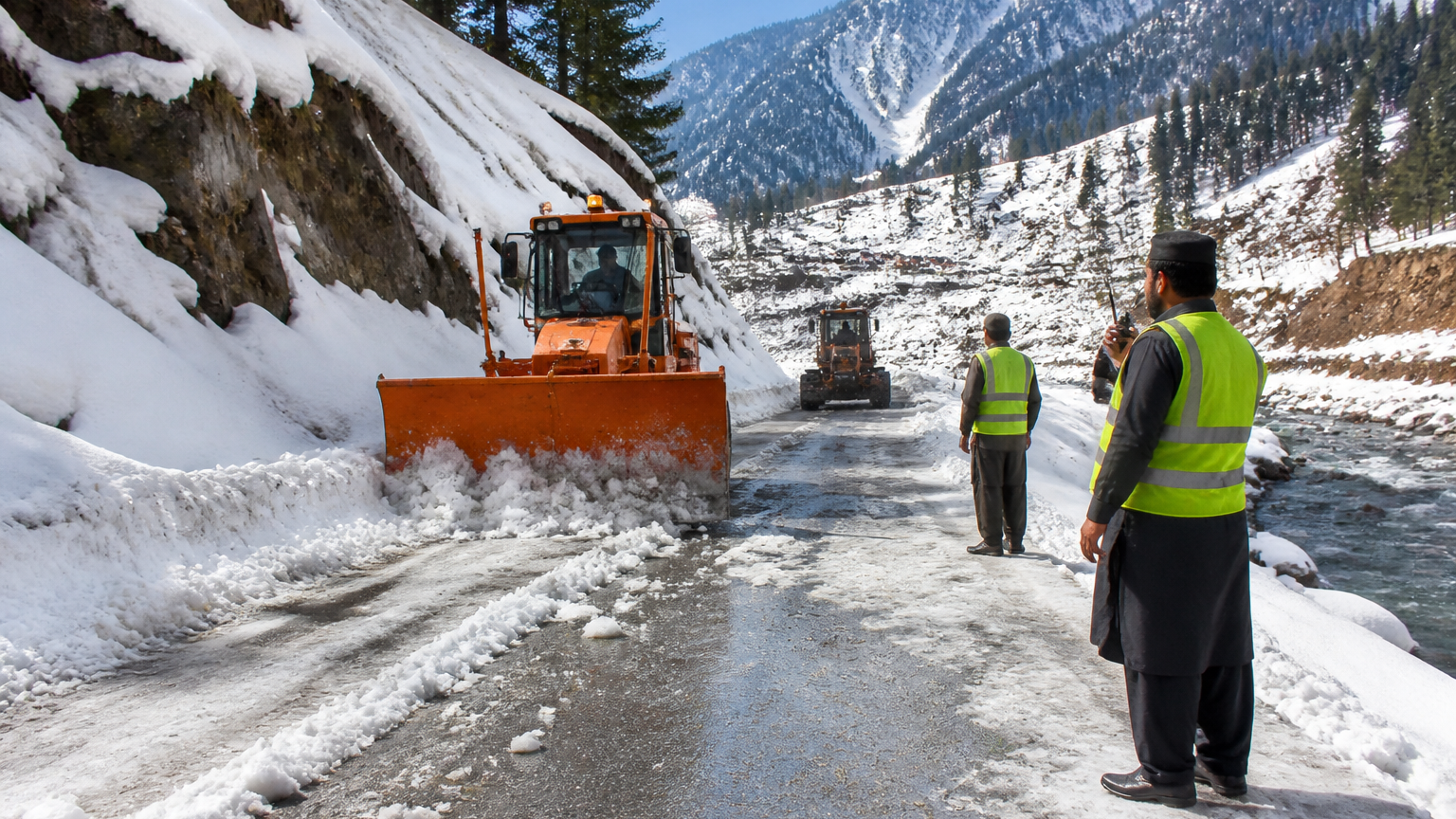
کے پی کا سرمائی روڈ پلان 8 بلند خطرہ اضلاع کو ہدف بناتا ہے
سخت سردیوں کے پیش نظر کے پی نے عملہ، ایندھن اور مشینری تیار رکھنے کے احکامات جاری کر دیے ہیں، کیونکہ برفباری، لینڈ سلائیڈز اور برفانی تودے آٹھ بلند خطرہ اضلاع میں سڑکوں کو متاثر کر سکتے ہیں۔
KP Winter Road Plan Targets 8 High-Risk Districts
With harsh winter ahead, KP orders crews, fuel and machinery ready as snow, landslides and avalanches threaten roads in eight high-risk districts.
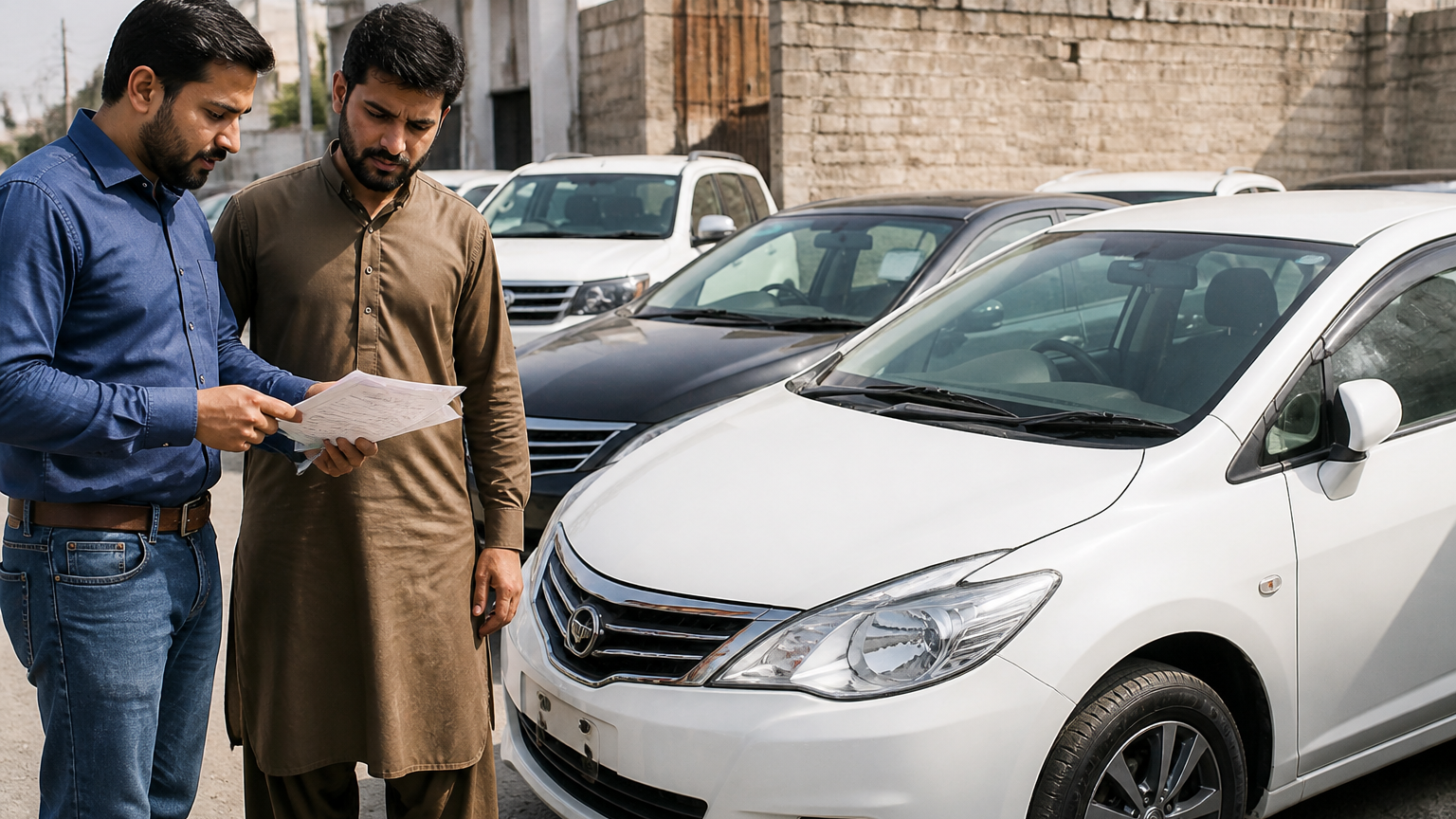
پاکستان میں درآمد شدہ گاڑیوں پر ایک سالہ ٹرانسفر چیک مزید سخت
پاکستان نے گفٹ اور بیرونِ ملک سے درآمد شدہ گاڑیوں کی جانچ سخت کر دی ہے اور قبل از وقت فروخت روکنے کے لیے ایک سالہ ٹرانسفر پابندی نافذ کی جا رہی ہے—یہ کوئی نئی امپورٹ پابندی نہیں۔