Pakistan Auto Policy 2026-31: Parts Makers Concerned
Pakistan’s draft auto policy could cut import duties and lower car prices, but local parts makers warn it may weaken localization and investment.
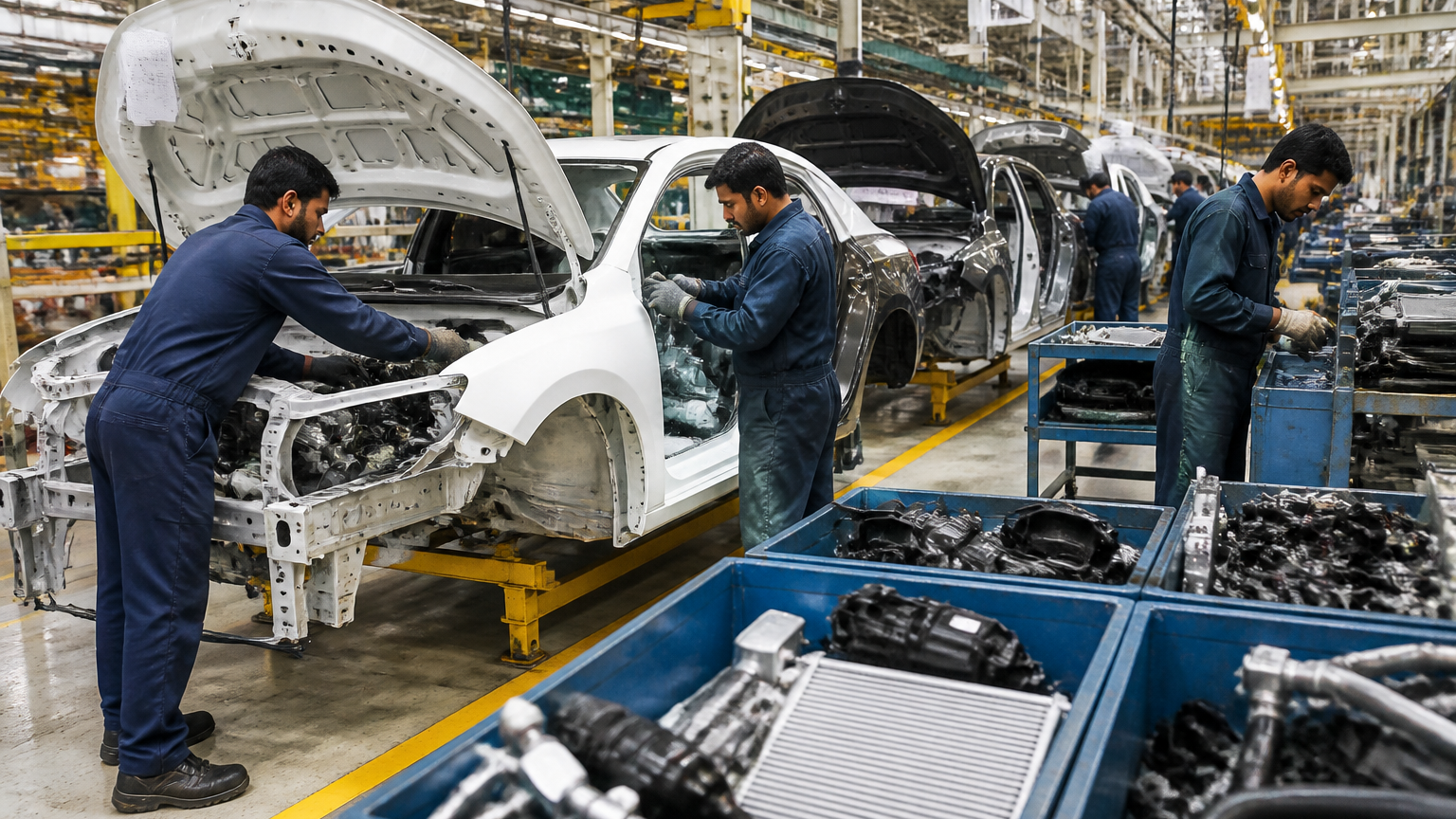
Table of Contents
- What the reported draft says
- Why parts makers are worried
- What it could mean for buyers
- What is still uncertain
- Explore DrivePK services
Pakistan’s next auto policy may bring lower duties on imported vehicles and parts, but local parts makers are warning that the plan could hurt localization and future investment. reportedly the Auto and Auto Parts Policy 2026-31 is still a draft and has not been officially notified, so the numbers being discussed may still change.
The reported policy has already stirred debate because it aims to make imported cars and new energy vehicles cheaper while also pushing the industry to export more. For buyers, that could mean more choice and stronger price competition. For local vendors, it could mean tougher times if imported parts become cheaper than parts made in Pakistan.
What the reported draft says
| Item | Reported proposal |
|---|---|
| CBU import duty | May fall gradually to 15% by 2031 |
| NEVs below $15,000 | Customs duty could go as low as 5% |
| Sales tax on BEVs | 1% |
| Sales tax on range-extended EVs | 6% |
| Sales tax on PHEVs | 9% |
| Localized ICE parts duty | May fall from 46% to 30% in FY2026-27, then to 15% by FY2030-31 |
| Non-localized ICE parts duty | May fall from 30% to 10% at first, then to 5% |
Reportedly, the draft also proposes just 1% customs duty on some non-localized NEV parts, including batteries, motors and controllers. That is where many local vendors see the biggest risk.
Why parts makers are worried
The concern is simple: if imported components become cheaper than local ones, automakers may prefer imports over Pakistani suppliers. That could reduce demand for local vendors and weaken the business case for new factory upgrades.
Industry people fear the policy may slow down localization at a time when Pakistan still needs more local sourcing, more technical know-how and steadier order volumes. They also worry about jobs and the wider supplier network if assemblers lean more on imported kits and parts.
The draft’s reported NEV localization target also looks modest to many in the supply chain. The minimum domestic value addition requirement is said to be 10% in the first two years, 15% in years three and four, and 20% in year five. That may not be enough, vendors argue, to force real local production of key EV parts.
For more background on the policy debate, see Pakistan Auto Policy 2026-31 Delayed due to IMF rejection and Pakistan Auto Policy 2026-31 on Hold: Hybrid Tax Shock.
What it could mean for buyers
For car buyers, the draft could bring one clear gain: more imported models, especially lower-priced NEVs, may become easier to bring in. If competition rises, some prices could soften, especially in the entry-level EV space.
But savings are not guaranteed. Exchange rates, freight, taxes, after-sales support, charging access, spare parts and resale value will all affect the final price a buyer pays. Even if duties fall, the benefit may not fully reach the showroom floor.
That is why buyers with an urgent need should not stop a planned purchase just because a draft policy is being discussed. But those thinking about an imported EV, or a high-priced vehicle, may want to wait for the final notification before making a decision.
What is still uncertain
Reportedly, multiple draft versions are still circulating. The policy was approved in principle by Prime Minister Shehbaz Sharif in September and was later reportedly sent for IMF review, but the government has not officially notified the final text.
That means duty rates, sales tax, NEV thresholds, timelines and eligibility rules may still shift before the policy becomes final.
For now, the draft points to a bigger opening for imports and NEVs, but also a harder road for local parts makers. Until the government issues the final policy, all the figures should be treated as provisional.
Explore DrivePK services
Buying or selling a vehicle? Explore DrivePK services, including car inspection, Sell It For Me and Featured Listings, and choose the option that fits your needs.
For more updates, visit DrivePK.com
Tags
Share this article
About the Author
Dr Khan
Automotive Expert & Content Strategist
Comments (0)
Login Required
You need to be logged in to comment on this article.
No comments yet. Be the first to share your thoughts!
Related Articles
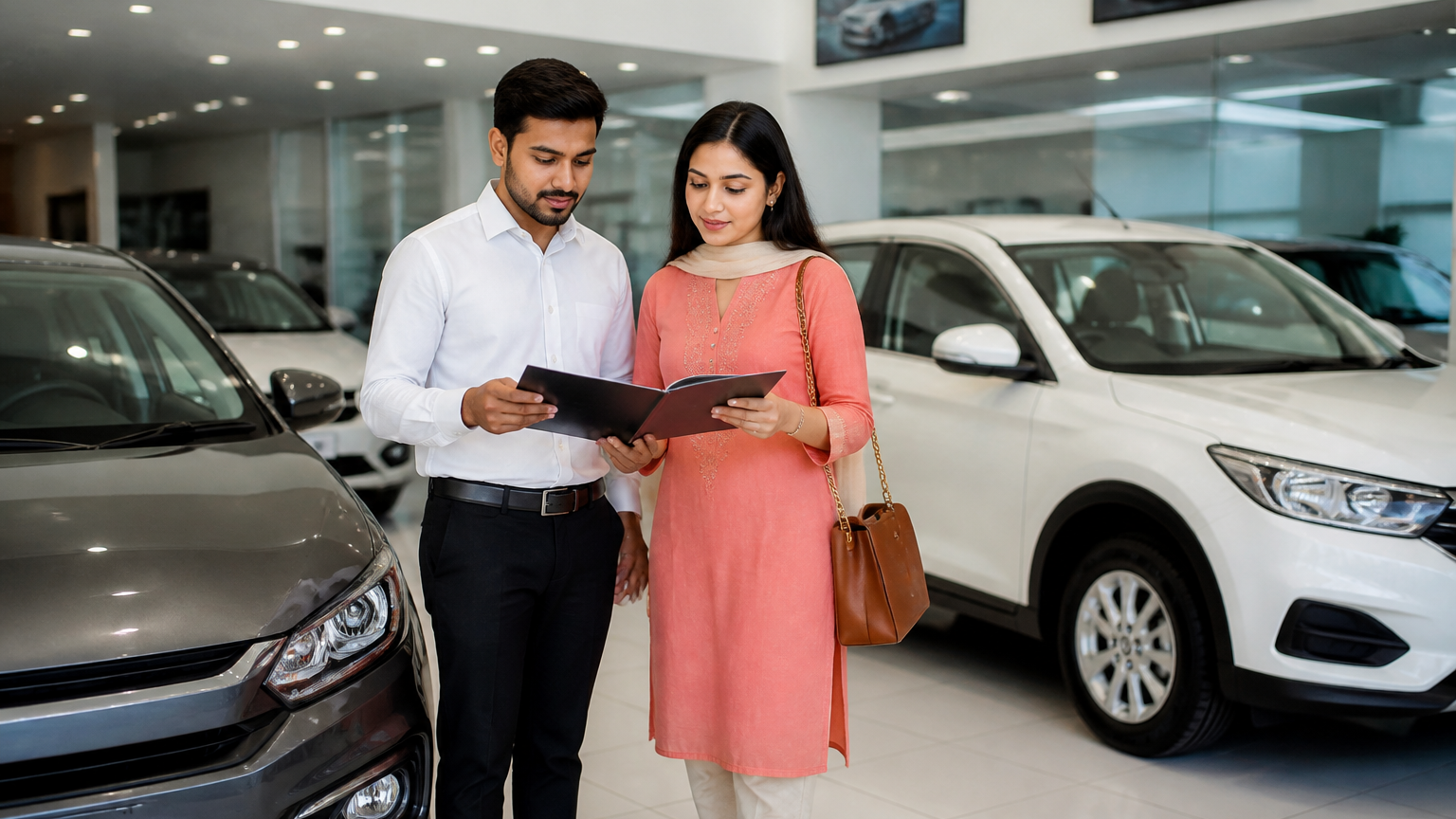
پاکستان آٹو پالیسی 2026-31 میں $6bn برآمدی ہدف مقرر
پاکستان کی آٹو پالیسی 2026-31 کا ہدف $6bn برآمدات ہے، تاہم مجوزہ قیمت، بکنگ اور انجن لیویز کو ابھی کابینہ کی منظوری درکار ہے۔
Pakistan Auto Policy 2026-31 Sets $6bn Export Target
Pakistan’s Auto Policy 2026-31 targets $6bn in exports, but proposed price, booking and engine levies await cabinet approval.
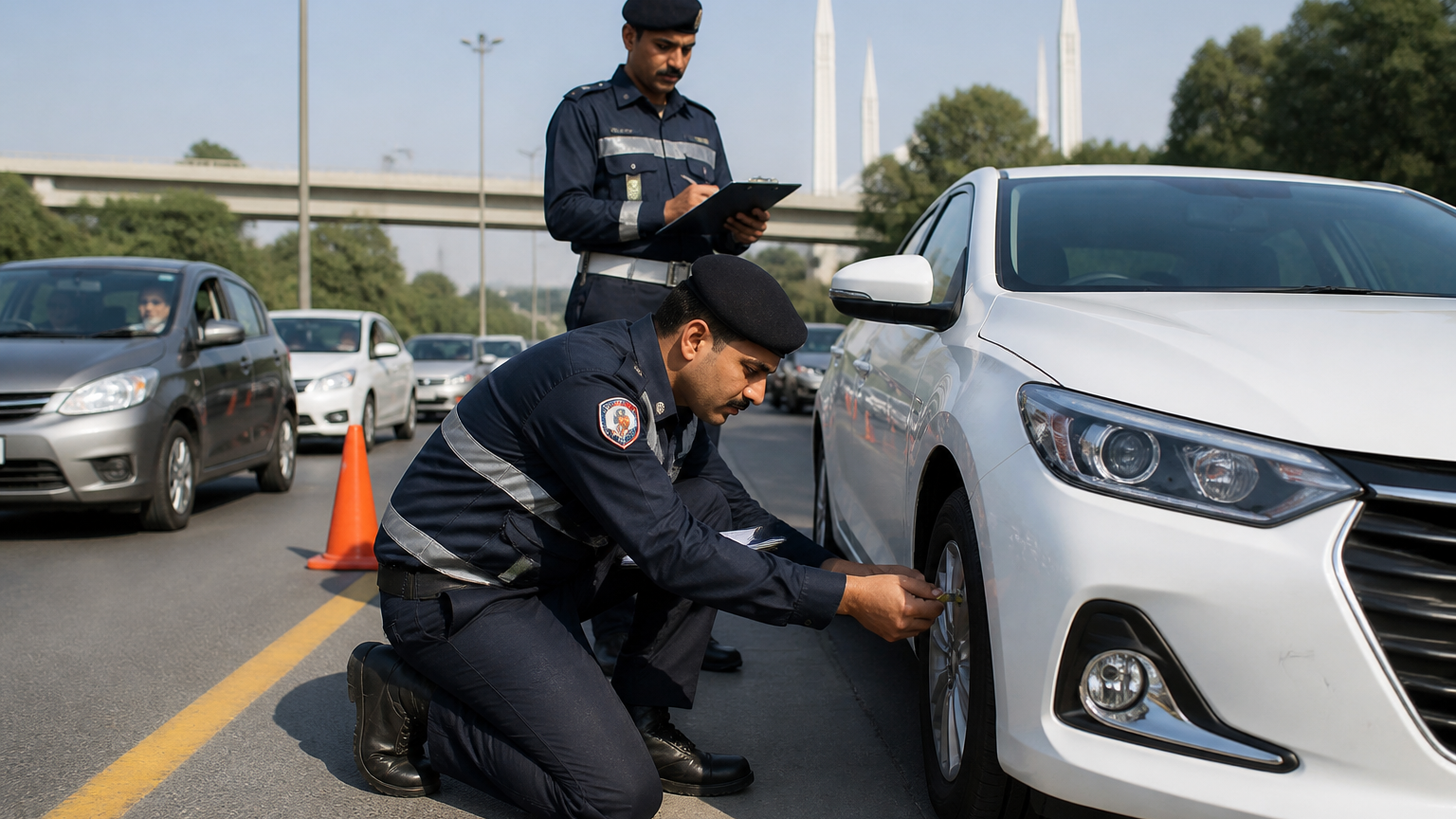
پاکستان نے 45 نئی گاڑیوں کی حفاظتی معیارات شامل کر دیے
پاکستان نے اقوامِ متحدہ کے قواعد سے منسلک 45 نئے وہیکل سیفٹی اسٹینڈرڈز کا اعلان کیا ہے، تاہم نفاذ کی تاریخ اور متاثرہ گاڑیوں کی اقسام ابھی واضح نہیں۔