Pakistan Auto Sales March 2026: Petrol Cars Drop 9% But EVs Jump 61%
Pakistan’s automobile market showed mixed results in March 2026. Conventional vehicle sales dropped 9% to 15,531 units while electric vehicles recorded 61% monthly growth. Passenger cars, especially in the 1000cc segment, led the decline, but yearly figures stayed strong with 40% growth over March 2025.
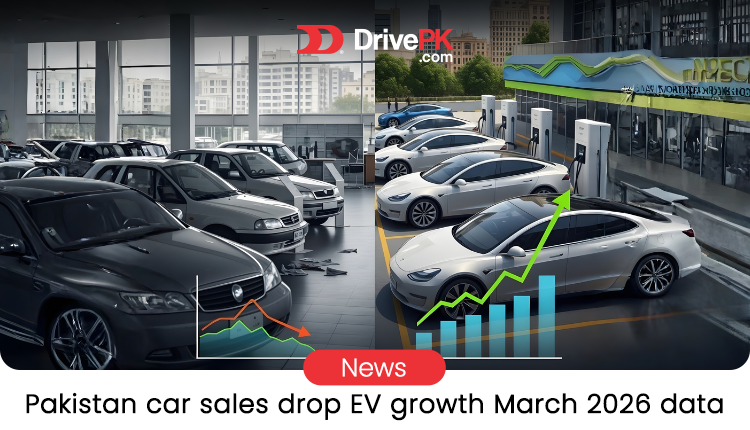
Table of Contents
- Electric Vehicles Keep Gaining Ground
- Why Conventional Sales Slipped
- The Link to Local Battery Production
- What This Means for Buyers and the Industry
- Looking Ahead
Pakistan’s car market sent a clear message in March 2026: the old way is slowing down while electric options are picking up speed.
Total sales of cars, light commercial vehicles (LCVs), vans and jeeps fell 9 percent from February to 15,531 units. Passenger cars took the biggest hit with a 12 percent drop. The 1000cc segment suffered the most.
Yet the bigger picture looks different. Compared to March 2025, overall sales rose 40 percent. And for the full financial year so far (FY26), cumulative sales jumped 43 percent. So the monthly dip sits inside a year that is still growing nicely.
Electric Vehicles Keep Gaining Ground
While petrol and diesel vehicles slowed, electric vehicles showed real momentum. EV sales grew 61 percent month-on-month. The numbers remain small compared to traditional cars, but the direction is unmistakable.
This growth lines up with what we saw in 2025. Electric two-wheelers jumped 191 percent that year and reached around 90,000 units. Many riders switched because petrol prices keep climbing and running costs for EVs stay much lower. Delivery boys, students and daily commuters in cities notice the difference in their pockets.
LCVs, vans and jeeps held steady with slight growth. That part of the market proved more stable than passenger cars.
Why Conventional Sales Slipped
Several factors likely played a role in the monthly decline. High interest rates, rising vehicle prices and cautious buying after strong earlier months can cool demand quickly. The 1000cc segment felt it hardest, probably because budget-conscious buyers delayed purchases or looked for alternatives.
Fuel costs remain a headache. Every time petrol prices rise, people think twice before buying or using a conventional car. Many are shifting to smaller, more efficient options or testing electric two-wheelers instead.
The Link to Local Battery Production
This is where the upcoming lithium-ion battery plant in Karachi becomes important. The first dedicated facility in Korangi Industrial Area is expected to start within the next few months. It will initially produce batteries for electric bikes, scooters and small EVs at a rate of about 2,000 units per month.
The National Lithium-Ion Battery Manufacturing Policy 2026–31 is close to final approval. Once in place, it will cut import tariffs on battery components and encourage local assembly. That should bring down costs over time.
Cheaper, locally made batteries can make EVs more affordable and reliable. Right now, most electric two-wheelers still rely on imported packs, which adds to the price. Local supply will reduce that burden and support faster growth in the segment that is already showing 61 percent monthly jumps.
What This Means for Buyers and the Industry
For everyday Pakistanis, the split performance offers choices. If you need a traditional car, prices or financing might feel tighter this month, but yearly trends suggest the market is still expanding.
If you are considering an electric option, the momentum looks promising. Lower running costs, government support through the battery policy and growing charger networks make EVs more practical every month. Two-wheelers especially benefit because they match the daily needs of most urban riders.
For the industry, the message is clear. Companies focused only on petrol and diesel models face pressure. Those investing in electric and hybrid solutions are better placed for the coming years. The Korangi plant is one practical step toward building that local supply chain.
Looking Ahead
March 2026 showed the transition is not smooth or even. Some segments dip while others rise. But the overall yearly growth of 40-43 percent proves demand for personal mobility remains strong.
The battery policy and new manufacturing plant add a missing piece. When local lithium-ion production begins, it can ease one of the biggest constraints on EV adoption: battery cost and availability. That should help turn the 61 percent monthly EV growth into something even more sustainable.
Pakistan’s auto market is changing. The monthly numbers in March highlighted the friction, but the yearly numbers and EV surge point to where things are heading. Local battery making in Karachi could make that shift smoother and more affordable for millions of riders and families. For more updates, visit DrivePK.com
Tags
Share this article
About the Author

Najeeb Khan
Automotive enthusiast and writer
Comments (0)
Login Required
You need to be logged in to comment on this article.
No comments yet. Be the first to share your thoughts!
Related Articles
DrivePK Car Inspection Report: Buy Used Cars Safely
Buying a used car in Pakistan? A DrivePK inspection report reveals hidden faults, supports smarter negotiations, and helps you avoid costly mistakes.
Rawalpindi to Impound Smoke-Emitting Vehicles
Rawalpindi Traffic Police is gearing up for a citywide crackdown on smoke-belching vehicles, with inspections, fines and delays for commuters.
Toyota Corolla Discontinued Before Pakistan Facelift
Pakistan’s pre-facelift Toyota Corolla is reportedly discontinued, hinting at a facelift. Prices, bookings, specs and launch timing remain unconfirmed.