Pakistan Budget 2026-27: Islamabad Token Tax Overhaul Hits Vehicle Owners
The Standing Committee on Finance has approved key changes to Islamabad’s vehicle token tax under the Finance Bill 2026-27. Fixed rates give way to an invoice value-based system, raising annual costs, especially for mid-range and luxury vehicles. Here’s exactly how it affects owners starting July 1, 2026.
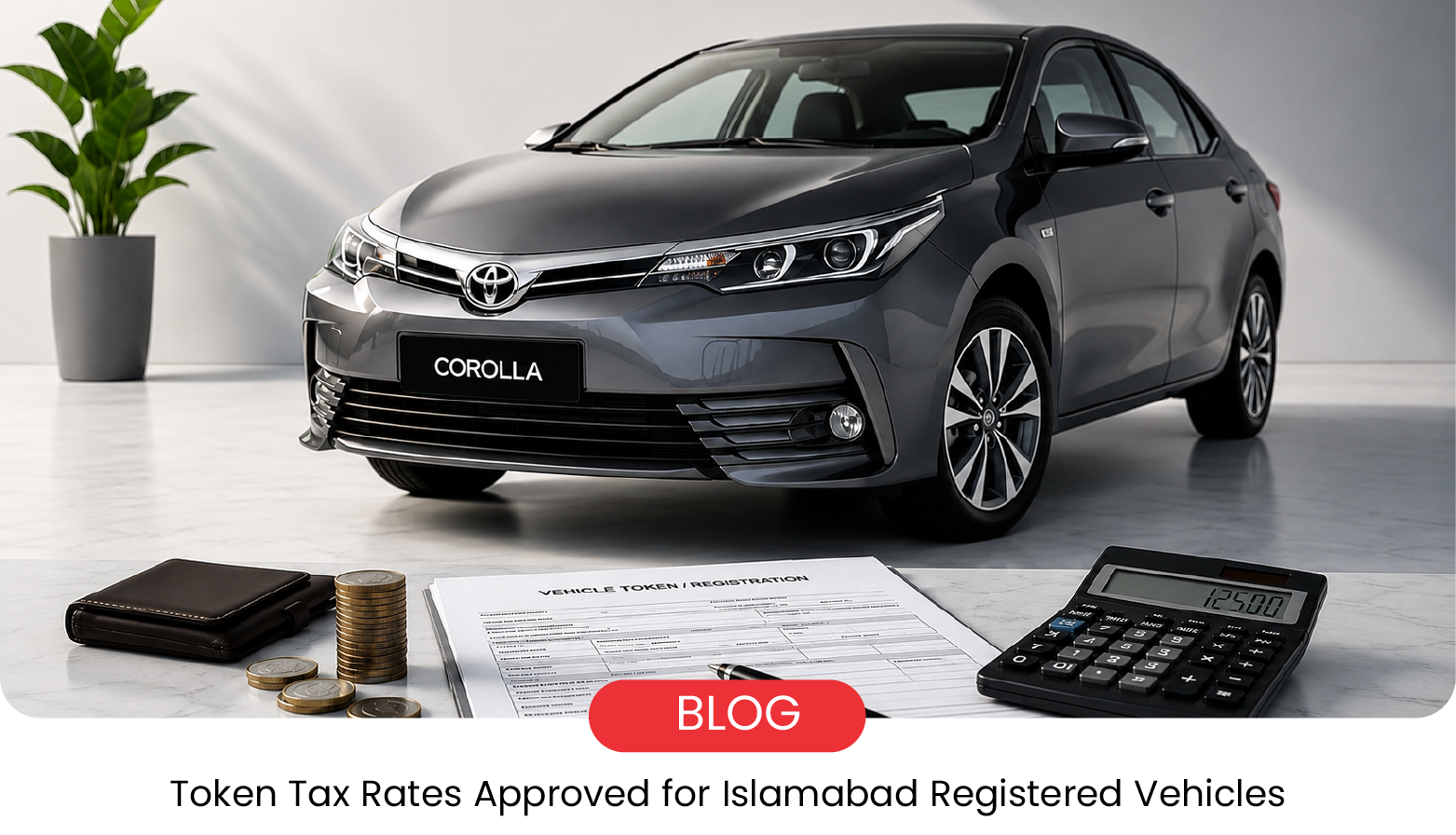
Table of Contents
- New Islamabad Token Tax Structure
- Why This Change?
- Luxury Car Taxes Remain in Focus
- How It Affects Different Buyers
- Practical Steps for Vehicle Owners
- Bigger Picture for Pakistan’s Auto Sector
- Final Thoughts
The National Assembly has passed the Finance Bill 2026-27. One clear impact hits vehicle owners in Islamabad. The old fixed token tax system is largely replaced with one based on invoice value. This raises annual costs for many.
Small car owners may see limited change. But if you drive anything above 1000cc, expect higher bills. The update aims to boost revenue while keeping things fairer for high-value vehicles.
New Islamabad Token Tax Structure
The overhaul is straightforward:
- Cars up to 1000cc: Fixed token tax of Rs. 20,000 per year.
- Vehicles between 1001cc and 2000cc: 0.25% of the vehicle’s invoice value.
- Vehicles above 2000cc: 0.35% of the invoice value.
These rates apply to vehicles registered in the Islamabad Capital Territory. The change takes effect from July 1, 2026, once the final Finance Act is notified.
For example, a Rs. 5 million car in the 1500cc range would face about Rs. 12,500 annually under the new 0.25% rate. A Rs. 15 million luxury SUV above 2000cc could see Rs. 52,500 or more. That’s a big jump from previous flat fees.
Why This Change?
The token tax in Islamabad had stayed low for years. Provinces had already adjusted their systems. The government wants more revenue from vehicle ownership without broad new taxes on daily commuters. Current collections stand at around Rs. 3.9 billion. Officials expect this to rise to about Rs. 5.2 billion.
The shift ties tax to the actual vehicle value. Newer or premium models pay more. Older or basic ones stay manageable.
Luxury Car Taxes Remain in Focus
These token tax updates add to earlier budget measures on imports. Imported ICE vehicles face a new Special Excise Duty (SED):
- 2000cc to 3000cc: 86% SED plus existing 30% FED.
- Above 3000cc: 92% SED plus 40% FED.
For electric vehicles, the zero FED blanket incentive ends. Tiered rates now apply based on value, with exemptions for more affordable models up to Rs. 20 million. This encourages local assembly while targeting luxury imports.
How It Affects Different Buyers
Small car owners (up to 1000cc): Pay Rs. 20,000 fixed. This may be higher than before, but it remains predictable.
Mid-range cars (1001-2000cc): The 0.25% rate will increase costs for many popular models like Corolla, City, or Civic variants.
Luxury and large SUVs: The 0.35% rate plus higher import duties make ownership noticeably more expensive each year.
If your car is already registered, check your invoice value for next year’s renewal. Dealers may see slower sales for high-end imports as total costs rise.
Practical Steps for Vehicle Owners
Do these now:
- Calculate your new token tax using the invoice value from purchase documents.
- Budget for the increase if you live in Islamabad.
- Compare total ownership costs before buying imported luxury vehicles.
- Explore locally assembled options that may benefit from other incentives.
The used market might adjust. Pre-budget luxury cars could hold value better in the short term.
Bigger Picture for Pakistan’s Auto Sector
These measures fit the government’s push for better tax collection and support for local industry. Luxury imports strain foreign reserves. By raising duties and registration fees here, authorities aim to encourage domestic manufacturing and more accessible EVs.
Environmental goals also matter. Protecting lower-priced EVs helps promote cleaner options, though premium adoption may slow.
Most everyday drivers won’t feel massive direct pain. Fuel prices, road quality, and basic mobility remain bigger daily concerns. Still, these targeted changes show where revenue opportunities lie.
Final Thoughts
The Finance Bill 2026-27 brings real shifts for Islamabad vehicle owners. The move from fixed token taxes to 0.25% and 0.35% of invoice value, effective July 2026, will raise costs for mid-size and luxury cars. Combined with higher duties on imports, it changes the math for many.
Plan if you’re in the market. Run the numbers. For most people, these are adjustments, not crises. Premium vehicle enthusiasts, they require fresh budgeting.
What do you think about basing the token tax on invoice value? Does it feel fairer, or does it burden middle-class owners too much? Share your experience or questions below. For more updates, visit DrivePK.com
Tags
Share this article
About the Author

Najeeb Khan
Automotive enthusiast and writer
Comments (0)
Login Required
You need to be logged in to comment on this article.
No comments yet. Be the first to share your thoughts!
Related Articles
Islamabad Traffic Advisory: Roads Open, Red Zone Restricted
Islamabad and Rawalpindi roads are largely open, but expect delays near the Red Zone. Plan ahead for smoother commutes on September 22.

Karakoram Express Gets Passenger Facility Upgrade
Pakistan Railways is upgrading passenger facilities on the Karakoram Express, promising a better journey for families, students and frequent travellers.
ML-1 Railway Upgrade Cost Rises to $6.8 Billion
Pakistan’s ML-1 rail upgrade is pegged at $6.8bn, but phased plans aren’t approved funding. What’s confirmed—and what’s still uncertain?