Pakistan Bus Fares Reduced Up to 5% After Diesel Price Cut Rs32.12 ; New Rates 2026
Public transport fares in Pakistan have been cut by up to 5% after the government reduced diesel prices by Rs32.12 per litre. Major routes from Lahore to Karachi, Hyderabad, Sukkur and Multan are now cheaper. Operators must apply new rates immediately.
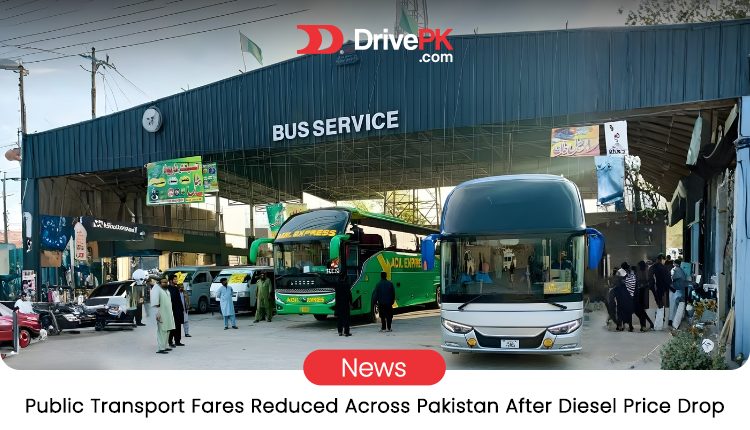
Table of Contents
- Why Fares Were Reduced So Fast
- Major Routes That Have Become Cheaper
- What Travelers Should Know Right Now
- How This Fits With Recent Fuel Changes
- Tips for Booking Your Next Bus Ticket
- A Small But Welcome Relief
Good news for anyone who travels by bus in Pakistan. Public transport fares have come down by up to 5% across the country. This change follows the federal government’s decision to slash diesel prices by Rs32.12 per litre. The new diesel rate now stands at Rs353.43, down from Rs385.54.
The cut took effect from April 18, 2026. Transport operators across provinces quickly adjusted their fares. Authorities have told them to apply the lower rates right away and warned against overcharging passengers.
Why Fares Were Reduced So Fast
Diesel powers most long-distance buses and coaches in Pakistan. When its price drops, running costs for transporters fall too. After the government announcement, Punjab transport officials sat down with bus operators. They agreed on a 5% reduction for intercity and interprovincial routes.
This brings some relief to ordinary people. Many families rely on buses to visit relatives, students travel for studies, and workers move between cities for jobs. Even a small cut in fare helps when money is tight.
Major Routes That Have Become Cheaper
You will notice the difference on busy routes, especially those starting from Lahore. Here are some examples of the new fares:
- Lahore to Karachi: Now cheaper (previously around Rs5,390, now closer to Rs5,120 on many coaches)
- Lahore to Hyderabad
- Lahore to Sukkur
- Lahore to Multan
Similar reductions apply on other long routes between provinces. Intra-city and shorter intercity trips have also seen adjustments, though the exact amount varies by operator and vehicle type.
The 5% cut is not huge on its own, but it adds up for frequent travelers or large families. A family of four saving a few hundred rupees on a trip to Karachi feels the difference.
What Travelers Should Know Right Now
Transport departments have made it clear: the revised fare list must be followed immediately. Bus terminals and online booking apps should already show the updated prices. If you book a ticket today, make sure you pay the new lower rate.
Authorities have also issued a strong warning. Any operator caught charging the old higher fare will face action. Passengers should keep their eyes open and report overcharging to local transport authorities or helplines.
Most big bus companies and Daewoo-style services have already updated their rates. Smaller vans and coaches are also expected to follow.
How This Fits With Recent Fuel Changes
This is the latest in a series of fuel price movements. Diesel saw a sharp drop after global oil prices eased. The government passed on part of that benefit to keep things affordable for the public.
Petrol prices stayed unchanged in the latest review, but the focus on diesel directly helps the transport sector. Lower running costs mean operators can reduce fares without losing too much profit.
For goods transport, some reductions have also been discussed, though the main relief right now is for passenger buses.
Tips for Booking Your Next Bus Ticket
Check fares on official apps or at the terminal before you travel. Compare a couple of operators – some may pass on the full 5% while others adjust slightly differently.
If you usually travel on weekends or peak days, the savings might feel even better. Plan your trip and book in advance to lock in the lower rate.
Keep your ticket receipt. In case of any dispute, it helps prove what you paid.
And remember, these fares can change again with the next fuel price review. Fuel prices in Pakistan are reviewed every two weeks, so stay updated.
A Small But Welcome Relief
In tough economic times, every bit of saving counts. This 5% reduction in public transport fares will not solve everything, but it does put a little extra money back in people’s pockets.
Students heading home, families visiting relatives, and daily commuters between cities will feel it most. It also encourages more people to choose public transport over private cars, which helps ease traffic on highways.
Transport operators are expected to display the new fare charts clearly at booking counters. If you spot any violation, speak up or contact your provincial transport department.
Safe travels ahead. With diesel cheaper and fares down, hitting the road by bus just became a bit more affordable for millions of Pakistanis.For more updates, visit DrivePK.com
Tags
Share this article
About the Author

Najeeb Khan
Automotive enthusiast and writer
Comments (0)
Login Required
You need to be logged in to comment on this article.
No comments yet. Be the first to share your thoughts!
Related Articles

Switching to an Automatic Car in Pakistan: What to Know
Switching to an automatic in Pakistan? Weigh traffic comfort against purchase price, servicing, gearbox support, and surprise repair costs.
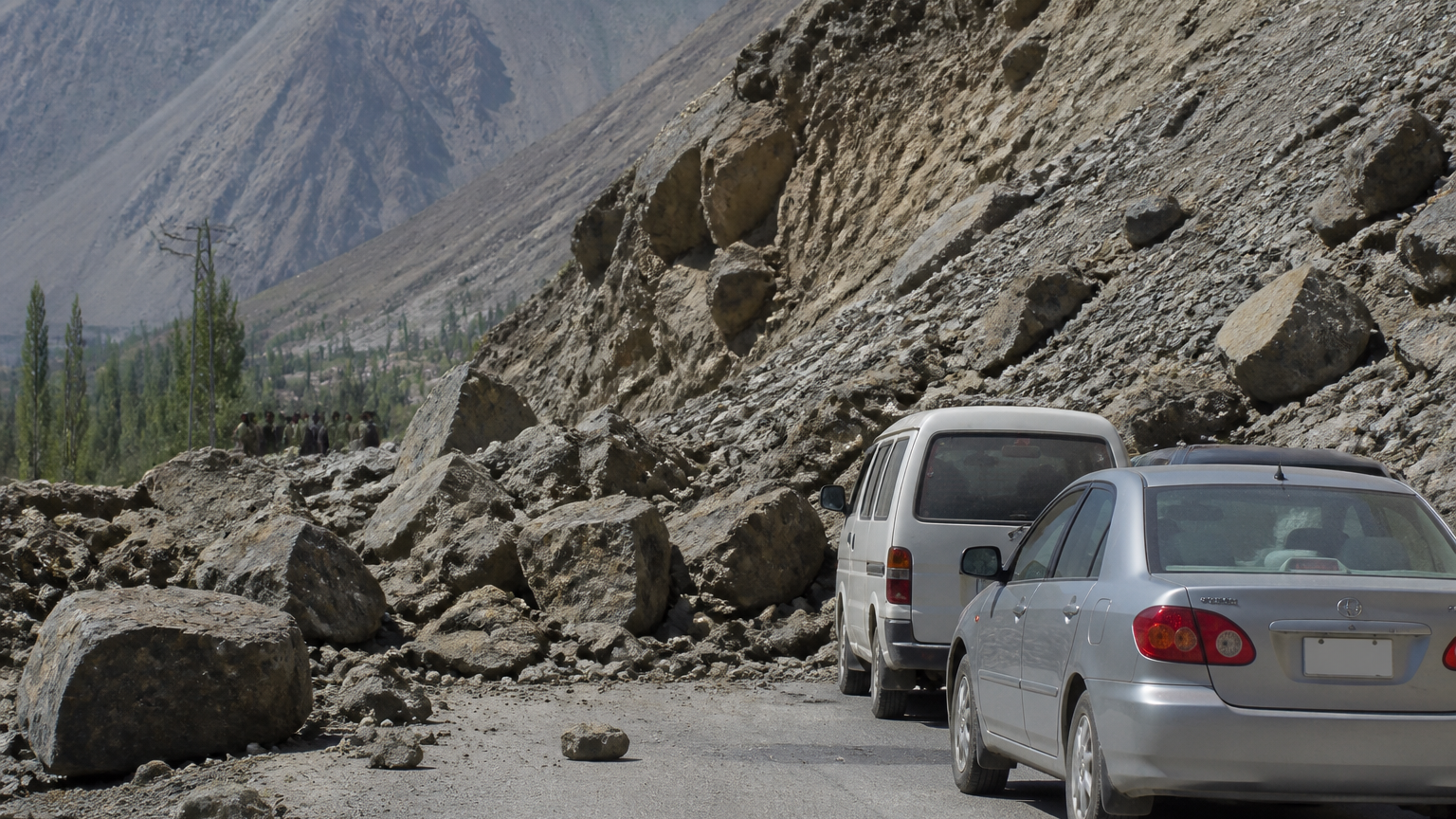
شانگس کے قریب لینڈ سلائیڈ کے بعد سکردو روڈ بند
شانگس کے قریب بالتستان روڈ پر لینڈ سلائیڈ کے باعث سفر معطل ہوگیا ہے۔ مسافر اس مقام کو عبور نہ کریں؛ عملہ ملبہ ہٹا رہا ہے، تاہم دوبارہ کھلنے کا وقت تاحال معلوم نہیں۔
Skardu Road Closed After Landslide Near Shangus
Landslide blocks Baltistan Road near Shangus, stranding travelers. Avoid crossing; crews are clearing debris, but reopening time remains unknown.