Pakistan Fuel Supply Monitoring Amid Middle East Tensions and Iran-Israel Conflict
Pakistan has ramped up 24/7 monitoring of its fuel supply amid escalating Middle East tensions from US-Israel strikes on Iran. With 28 days of reserves and heavy reliance on Hormuz imports, a high-level committee tracks stocks to prevent shortages.
Table of Contents
- What's Happening in the Middle East?
- Pakistan's Heavy Reliance on Imports
- Government Actions to Stabilize Supply
- Economic Ripples and Inflation Worries
- Looking Ahead: Stability in Uncertain Times
Pakistan Monitors Fuel Supply Closely Amid Middle East Tensions
Tensions in the Middle East have spiked after recent US and Israeli strikes on Iran, followed by Tehran's response. This has put global oil routes at risk, and Pakistan is feeling the pressure. The country relies heavily on imported fuel, so officials have stepped in to keep things steady.
What's Happening in the Middle East?
The conflict started with joint US-Israeli attacks on key Iranian sites. Iran hit back with drones and missiles aimed at US and Israeli targets in the region. This has led to attacks on ships in the Strait of Hormuz, a narrow waterway that handles about 20% of the world's oil. Iran even warned that ships trying to pass could be targeted, causing tanker traffic to stall.
Other areas like the Bab al-Mandeb Strait are also tense, adding to the chaos. Qatar has paused some LNG exports, and oil prices have jumped. Brent crude now sits around $78 to $79 per barrel, with talk of it hitting $100 if things drag on. Natural gas prices in Europe soared up to 48% as supplies tighten.
For countries in Asia, this is a big deal. The region gets most of its oil from the Middle East, and disruptions here hit hard. Ships are getting stuck, costs are rising, and nations like India and Pakistan are scrambling to secure alternatives.
Pakistan's Heavy Reliance on Imports
Pakistan imports nearly all its fuel, about 98% comes from abroad, and most of that passes through the Strait of Hormuz. The country brings in over $10.7 billion worth of petroleum products each year, mainly from Saudi Arabia and the UAE. Any blockade could trigger shortages and drive up prices.
Smuggling from Iran covers around 14% of Pakistan's fuel needs, but that's at risk too if borders tighten. And with reserves only lasting about 28 days under normal use, there's little room for error. Officials say stocks are robust for now, with enough petrol and diesel to cover a month. But if the conflict lasts longer, that buffer could shrink fast.
Government Actions to Stabilize Supply
To handle this, the Finance Ministry set up an 18-member committee led by Finance Minister Muhammad Aurangzeb. They track petroleum prices, stock levels, supply chains, and demand every day. Reports go straight to the Prime Minister for quick decisions.
The Oil and Gas Regulatory Authority (OGRA) has told refineries and oil companies to build up stocks. This round-the-clock monitoring aims to spot issues early and avoid disruptions. An OGRA spokesman noted that inventories are strong, with 28 days' worth of fuel available.
Pakistan is also looking at other routes and sources. Some talk has turned to the Iran-Pakistan pipeline, which could provide a direct link but has been stalled by sanctions and politics. With China's involvement, it might get a fresh look as a way to boost energy security.
Economic Ripples and Inflation Worries
This isn't just about fuel pumps running dry. Higher oil prices could fuel inflation in Pakistan, where costs are already climbing. The country's trade gap is around $22 billion, and pricier imports would widen that hole. Remittances from the Middle East might dip if workers there face instability.
Stock markets have dipped, and currencies like the yen and euro are under strain from energy concerns. In the US, retail gas prices rose sharply, and diesel hit near two-year highs. Pakistan has already seen fuel prices go up within a day of the conflict starting.
Broader effects include shipping delays, as about 10% of global container ships are backed up in the Hormuz area. This could raise costs for everything from food to goods. Pakistan has evacuated over 650 citizens from Iran, showing how the crisis touches lives beyond economics.
Looking Ahead: Stability in Uncertain Times
Authorities insist there's no immediate shortage, and measures are in place to keep supplies flowing. But the situation is fluid. If the Strait stays disrupted, Pakistan might turn to Russian oil or other suppliers, as India is considering.
Energy security is now front and center. Diversifying sources and building bigger reserves could help in the long run. For now, the committee's daily checks offer some reassurance amid the uncertainty.
Pakistan's president has called for restraint in the region, echoing global pleas for de-escalation. As the conflict evolves, staying vigilant on fuel chains will be key to avoiding a crisis at home.
And that's the picture so far. With tensions high, everyone hopes for a quick resolution to ease the strain on supplies and prices.For more updates, visit DrivePK.com
Tags
Share this article
About the Author

Najeeb Khan
Automotive enthusiast and writer
Comments (0)
Login Required
You need to be logged in to comment on this article.
No comments yet. Be the first to share your thoughts!
Related Articles
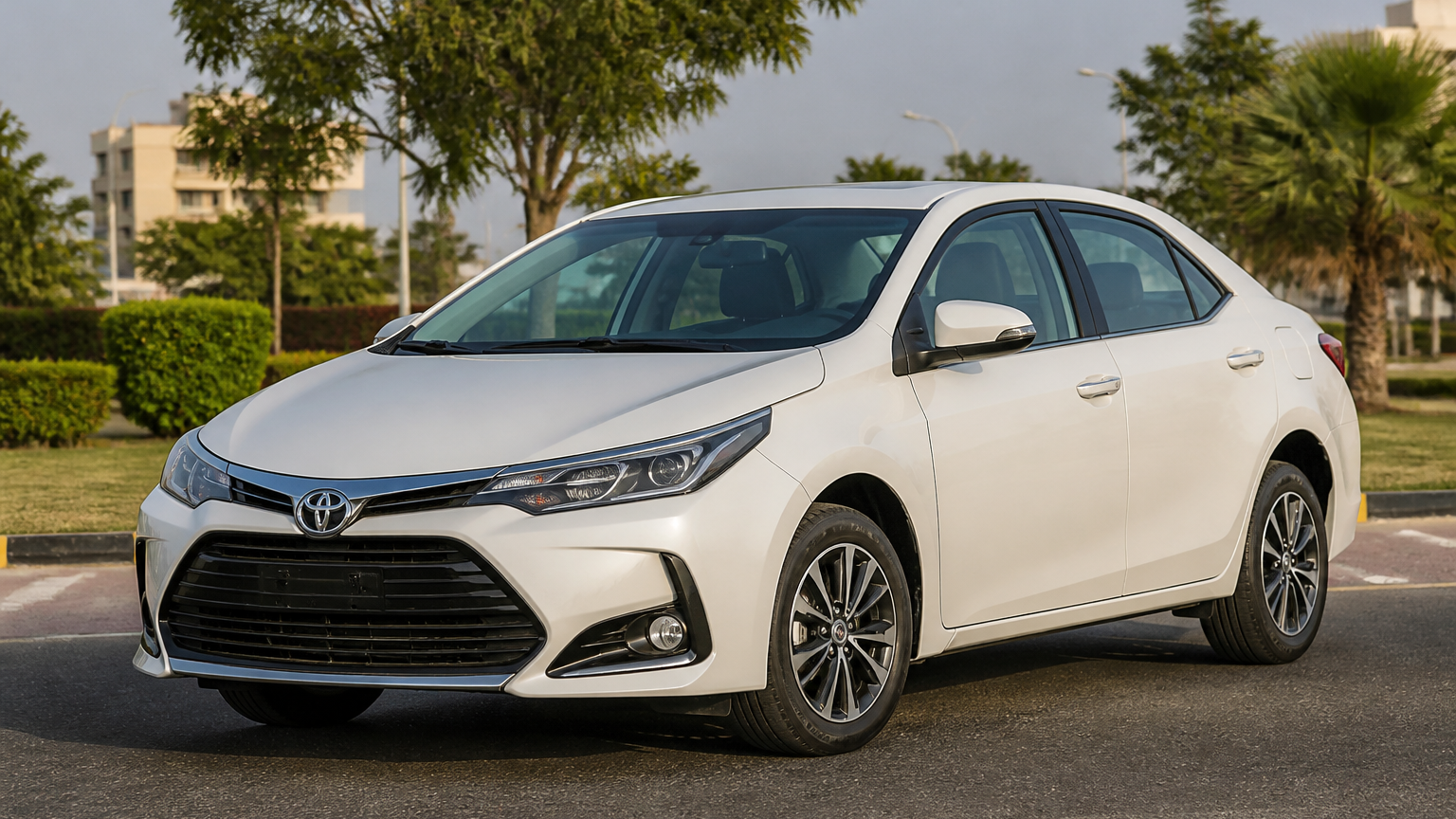
Toyota Corolla Discontinued Before Pakistan Facelift
Pakistan’s pre-facelift Toyota Corolla is reportedly discontinued, hinting at a facelift. Prices, bookings, specs and launch timing remain unconfirmed.
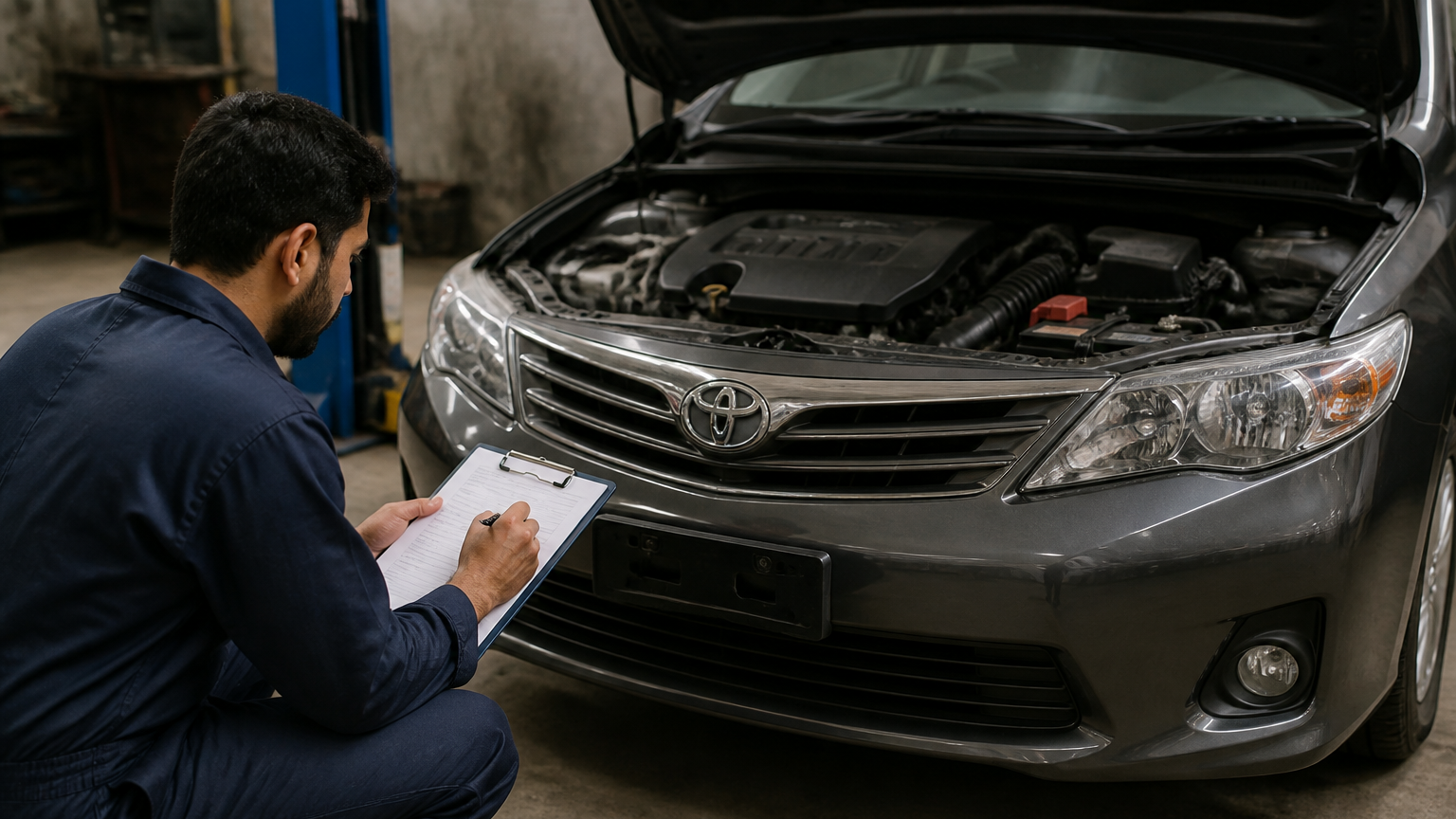
DrivePK Car Inspection Reports: Buy with Confidence
Buying a used car in Pakistan? A pre-purchase inspection can reveal hidden damage, engine issues and red flags before you pay—but it’s not enough alone.

2028 Kia Sportage: Major Design Changes Spotted
Kia’s next Sportage may get a bolder, boxier redesign, with an upright profile, sharper lines, wider grille and split headlights hinted by spy shots.