Pakistan Motorway Police Crackdown on Vehicle Overloading: Key Details and Impacts
The Inspector General of Motorway Police has launched a nationwide crackdown on vehicle overloading to enforce axle load limits and boost road safety. This move, backed by transporters, aims to cut accidents and protect highways from damage.
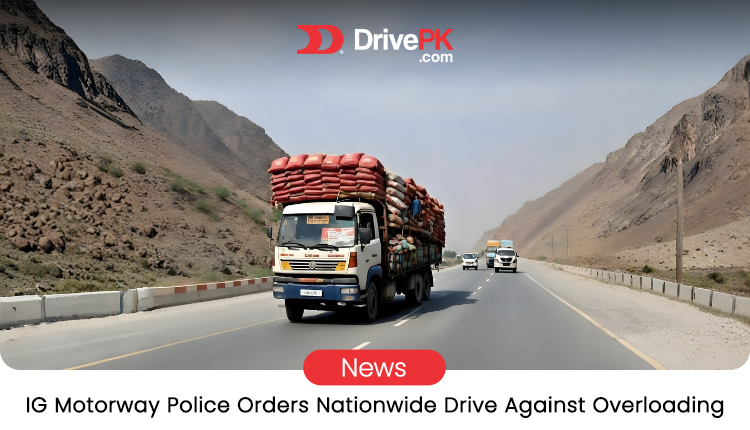
Table of Contents
- What Are the Axle Load Limits?
- The Meeting That Sparked Action
- Impacts of Overloading on Roads and Safety
- What This Means for Drivers and Transporters
- Broader Road Safety Trends in Pakistan
- Moving Forward: A Safer Transport System
Overloading trucks and heavy vehicles has been a big issue on Pakistan's roads for years. Now, things are changing. Inspector General Sultan Ahmed Chaudhry just announced a major crackdown across all motorways. This came after a key meeting in Karachi with goods transporters. They talked about sticking to axle load limits strictly. And the transporters agreed – they want fair rules for everyone.
Why does this matter? Overloaded vehicles wreck roads fast. They cause cracks and holes that make driving dangerous. In Pakistan, about 90% of commercial trucks carry more weight than allowed. That leads to huge repair bills – over Rs. 80 billion in damage each year. Roads wear out quicker, and taxpayers foot the bill for fixes.
What Are the Axle Load Limits?
Rules are clear under the National Highways Safety Ordinance 2000. A single axle can handle up to 12 tons. A tandem axle gets 22 tons. Tire pressure on the rear axles should stay at 120 psi. These limits protect bridges and pavements from breaking down too soon.
But many drivers ignore them. Two-axle trucks, which make up 70% of the fleet, often get overloaded to cut trips and save money. That boosts short-term profits but hurts everyone long-term. Extra weight means longer stopping distances. It makes trucks unstable, especially on turns or wet roads. Accidents spike because of this.
The Meeting That Sparked Action
In Karachi, Chaudhry met with the All Pakistan Goods Transport Owners Association. They raised real concerns. Heavy vehicle driving licenses are hard to get, and some challans feel unfair. The IG promised licenses would roll out soon. That should help legit drivers follow rules better.
Both sides are committed to better road safety. They even suggested controlling loads at the start – like at ports and factories. No more overloaded trucks hitting the motorways from the get-go. This uniform approach could organize the whole transport system.
Transporters backed the crackdown. They know fair play levels the field. No one gains an edge by breaking rules. And safer roads mean fewer delays from crashes or breakdowns.
Impacts of Overloading on Roads and Safety
Think about the damage. Overloaded trucks cause "fatigue cracking" in pavements. That's when the surface breaks under repeated stress. Shear deformation happens too – layers shift and create ruts. One overloaded truck can do the damage of 12 normal ones.
Safety takes a hit. Heavy loads make braking tougher. Overtaking becomes risky. Sight lines get blocked. On highways, this leads to pile-ups and fatalities. Pakistan already has high road accident rates – over 30,000 deaths a year. Many involve trucks.
Fog, rain, and poor lighting make it worse. In rural areas, bad infrastructure adds to the mix. Overloading turns small issues into big tragedies. Cutting it down could slash fatal crashes by up to 99%, according to some reports.
The environment plays a role, too. Extra weight means more fuel use and emissions. Roads last longer without constant repairs, saving resources.
What This Means for Drivers and Transporters
If you're a trucker, get ready for stricter checks. Motorway Police will enforce limits without exceptions. Fines and bans could follow violations. But it's not all bad. New licenses for heavy vehicles are coming. That opens doors for trained drivers.
For transporters, these levels of competition. No more losing business to cheaters who overload. Associations like the Goods Transport Owners want this. They see it as a step toward a regulated industry.
Road users benefit most. Smoother highways mean faster travel. Fewer accidents save lives. It's a win for everyone commuting or shipping goods.
Broader Road Safety Trends in Pakistan
This crackdown fits into bigger efforts. In 2026, Pakistan is tightening traffic rules overall. AI cameras spot violations. Higher fines deter speeders. Weather-based restrictions handle fog and rain.
Ramadan brings iftar rushes with heavy traffic. New Year celebrations see one-wheeling crackdowns. Helmet rules are stricter – over 200,000 fined already. Even UN vehicle safety standards kick in by June 2026. All cars must meet global crash protection norms.
National Road Safety Month highlights these. Experts push for better infrastructure and awareness. Technology like speed cameras helps. But enforcement is key.
Moving Forward: A Safer Transport System
Chaudhry's announcement is a solid start. Joint commitment from police and transporters shows promise. Controlling loads at sources could prevent problems early.
Challenges remain. Corruption in enforcement needs addressing. Rural roads lag behind motorways. Training more drivers is crucial.
But progress is happening. Safer roads protect infrastructure and people. Less overloading means fewer repairs, lower costs, and smoother drives. Pakistan's transport can become organized and reliable.
In the end, this crackdown isn't just about rules. It's about saving lives and building better highways. Everyone on the road plays a part. Stick to limits, and we all get there safer. For more updates, visit DrivePK.com
Tags
Share this article
About the Author

Najeeb Khan
Automotive enthusiast and writer
Comments (0)
Login Required
You need to be logged in to comment on this article.
No comments yet. Be the first to share your thoughts!
Related Articles
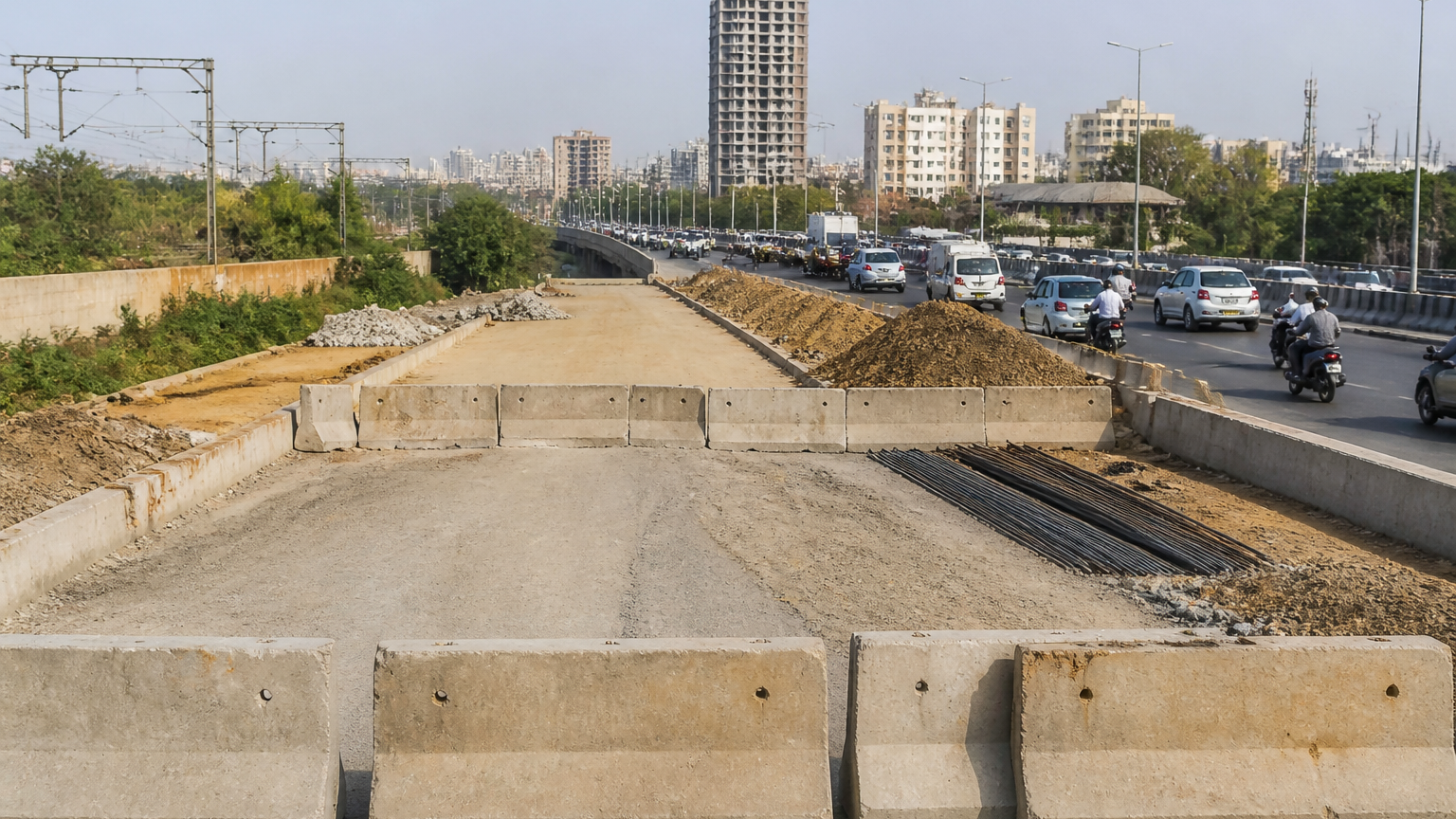
Karachi Link Road Work Halted Over KCR Land Dispute
Karachi’s Natha Khan Link Road promised faster commutes, but a land dispute between KMC and Pakistan Railways now clouds its opening.
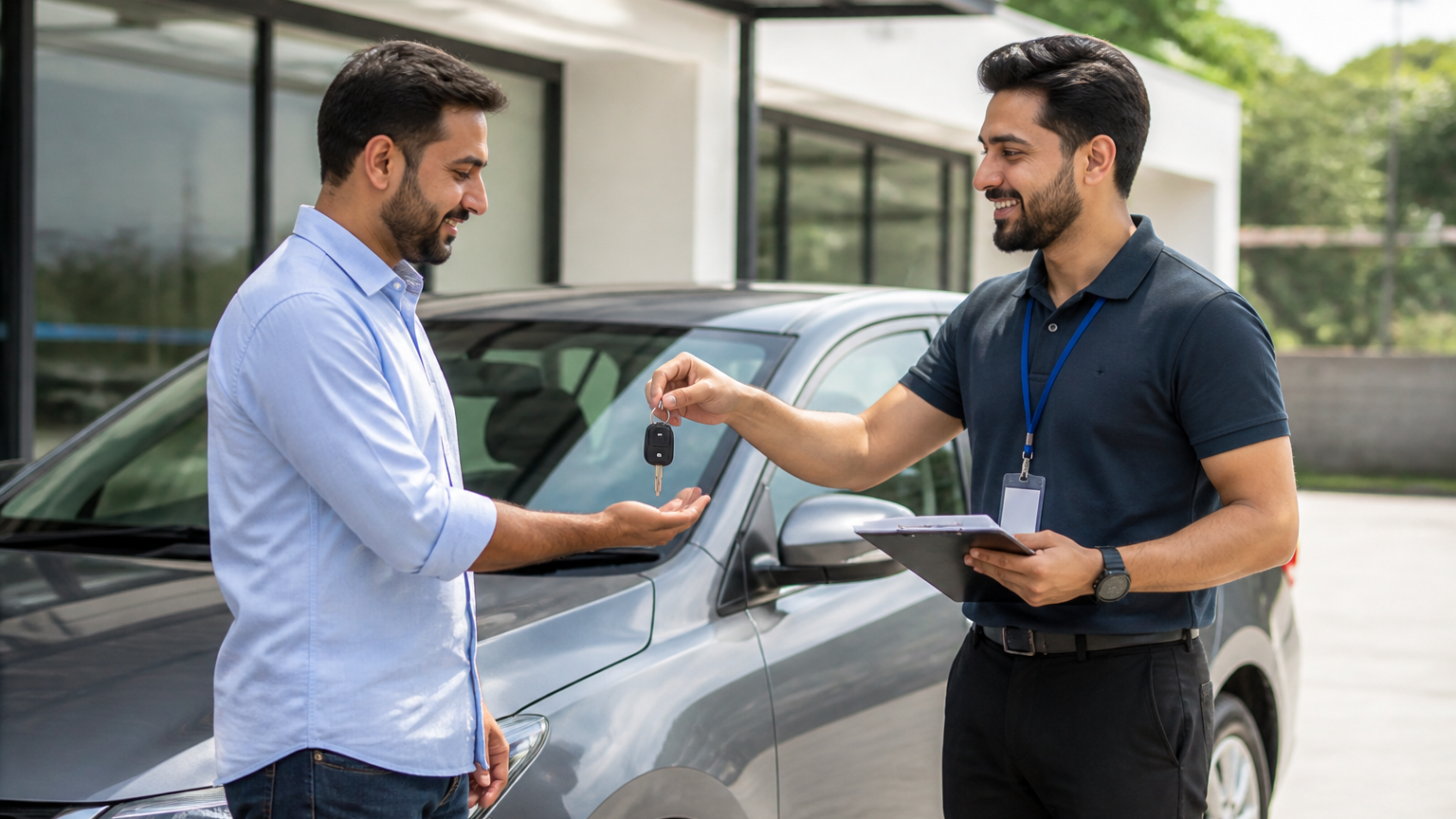
DrivePK Sell It For Me: Let Us Handle Your Car Sale
Selling your car in Pakistan is time-consuming. Before using DrivePK’s Sell It For Me, verify its process, fees, and handover rules first.
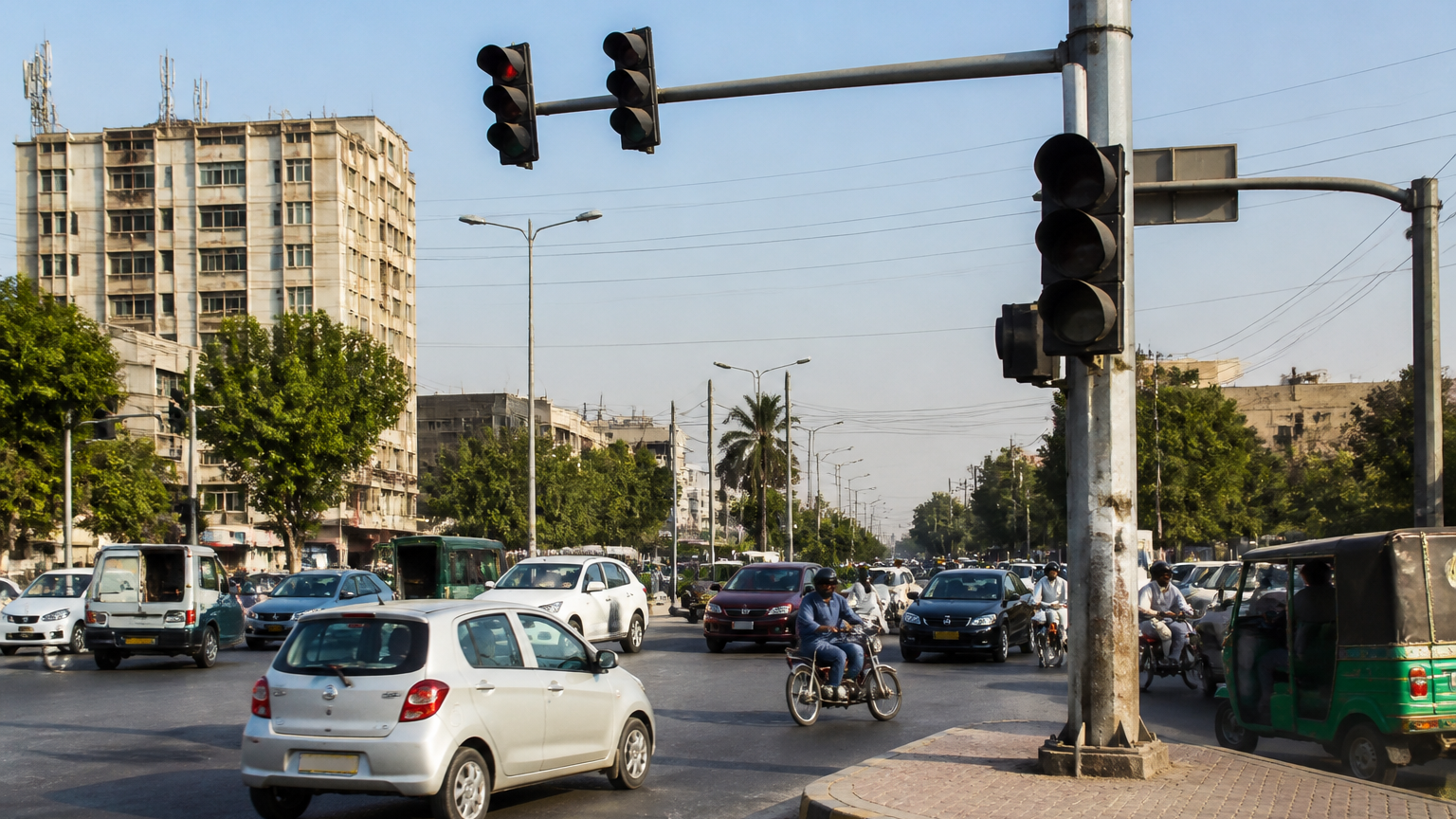
33 Karachi Traffic Signals Fail Amid Cable Theft
Karachi’s traffic chaos deepens: a report says 33 of 94 signals are down, with cable theft blamed—though the figures remain unverified.