Pakistan New Auto Policy 2026: Localisation to Cut Car Prices and Boost Local Manufacturing
Pakistan is set to roll out its new auto policy on July 1, 2026. The focus is clear: make more auto parts right here in the country to bring down vehicle prices and grow local manufacturing. The government is preparing a list of components that can be produced locally and plans to protect them for up to five years. Tax and duty changes could make cars more affordable for middle-income families, while fresh incentives may speed up electric vehicle adoption.
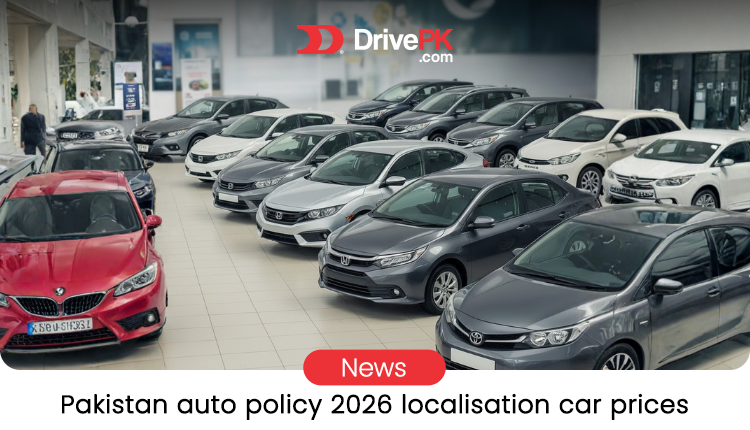
Table of Contents
- Why Localisation Matters Right Now
- Tax Changes and Relief for Middle-Income Buyers
- Electric Vehicles Get a Boost Too
- Supporting Small and Medium Manufacturers
- What the Industry Is Saying
- Potential Impact on Car Prices and the Economy
- Challenges That Lie Ahead
- What Drivers Can Expect After July 1
- A Real Chance for Change
The Ministry of Industries and Production has been working on the draft for months. Officials met with auto parts makers recently, and the message was straightforward. Localisation sits at the heart of the plan. They are now putting together a clear list of components that Pakistani factories can produce. And to give local makers a fair shot, these parts will get protection for up to five years. That means less cheap imports flooding the market while local production gets on its feet.
Why Localisation Matters Right Now
Right now, Pakistan’s auto sector still relies heavily on imported kits. That pushes up the final price of every car you see on the road. When more parts are made here, the cost drops. Raw materials and labour stay inside the country. Factories grow. Jobs increase. And families who have been waiting for an affordable new car might finally get their chance.
The policy also looks at tax and duty reforms. The government knows middle-income buyers need relief. Small changes in duties could bring the price of entry-level cars down. Prime Minister Shehbaz Sharif has already stressed that vehicles should become more cost-effective for ordinary Pakistanis. Engineering Development Board CEO Hammad Ali Mansoor echoed the same point in recent briefings.
Tax Changes and Relief for Middle-Income Buyers
Expect duty adjustments that favour local production. Lower duties on localised parts and higher ones on fully imported kits make sense. The goal is simple: encourage companies to source more from Pakistani suppliers. For buyers, this could mean a noticeable drop in showroom prices over the next couple of years.
Small cars aimed at the middle class are getting special attention. The policy wants to make sure everyday families are not left out. And there is talk of keeping overall taxes reasonable so that a decent car does not feel like a luxury item.
Electric Vehicles Get a Boost Too
The new policy does not stop at petrol and diesel cars. It opens the door wider for electric vehicles. Officials are preparing incentives for EV parts manufacturing. This fits with the bigger push toward cleaner transport.
Haroon Akhtar Khan, Special Assistant to the Prime Minister on Industries, told parts makers to start shifting toward electric vehicle technology. Small electric cars priced below Rs1 million could hit the market soon. Reduced duties on EV components and possible tax breaks on charging equipment are on the table.
Pakistan already has a National Electric Vehicle Policy framework. The new auto policy builds on it. By supporting local battery and motor production, the country can cut import bills and create new green jobs. It is a practical way to meet future demand while keeping costs in check.
Supporting Small and Medium Manufacturers
Big assemblers have dominated the scene for a long time. The new policy wants to change that. Industry stakeholders have asked the government to give real help to small and medium-sized enterprises (SMEs). These smaller players make many of the parts that go into cars.
The plan is to move the whole sector away from simple assembly toward full local production. That means investing in tooling, training workers, and building supply chains that actually work here. Five years of protection for local parts gives SMEs breathing room to scale up.
What the Industry Is Saying
Auto parts manufacturers welcomed the focus on localisation. They have been asking for this kind of support for years. Many told the ministry that without clear rules and protection, they cannot compete with cheap imports.
At the same time, they want the policy to stay practical. Over-protection can lead to poor quality or higher prices. The government seems aware of that balance. By creating a detailed list of localisable parts and sticking to a five-year window, officials hope to avoid past mistakes.
Potential Impact on Car Prices and the Economy
Lower prices will not happen overnight. But the direction is promising. Every percentage point of localisation saved on imports can shave thousands of rupees off the final car price. Over time, that adds up.
The economy stands to gain too. More local manufacturing means more taxes collected inside Pakistan instead of going abroad. Factories can hire more people. Supply chains become stronger. And the country reduces its dependence on foreign kits.
Of course, success depends on execution. The rupee needs to stay stable. Banks must keep car financing accessible. And companies have to follow through on localisation targets. Still, the policy sets a clear roadmap.
Challenges That Lie Ahead
No policy is perfect. Some assemblers worry that sudden changes could raise short-term costs. Others point out that building quality local parts takes time and investment. The government will need to keep talking with all sides to make sure the transition feels fair.
There is also the global picture. Electric vehicles are growing fast worldwide. Pakistan cannot afford to lag behind. The policy tries to address this by linking localisation with EV incentives.
What Drivers Can Expect After July 1
After the policy launches, the first visible changes will come in the form of new models with higher local content. Watch for announcements from major players about fresh localisation plans. Small EVs could appear sooner than expected. And middle-income buyers may start seeing better financing options tied to the new framework.
It is early days, but the signals are positive. The government has listened to industry voices and put localisation front and centre. For the first time in a while, the focus feels practical rather than just protective.
A Real Chance for Change
Pakistan’s auto sector has huge potential. With the right mix of local production, fair duties, and EV support, it can deliver cars that ordinary people can actually afford. The new policy, taking effect on July 1, 2026, is a solid step in that direction.
It will not solve every problem in one go. But it sets the stage for real progress. Lower prices, more jobs, cleaner options, and a stronger local industry are the promises on the table.
Keep an eye on developments after July. The coming months will show how quickly the industry can shift gears. For now, the message from Islamabad is clear: make it here, make it affordable, and make it work for Pakistan.
For more updates, visit DrivePK.com
Tags
Share this article
About the Author

Najeeb Khan
Automotive enthusiast and writer
Comments (0)
Login Required
You need to be logged in to comment on this article.
No comments yet. Be the first to share your thoughts!
Related Articles
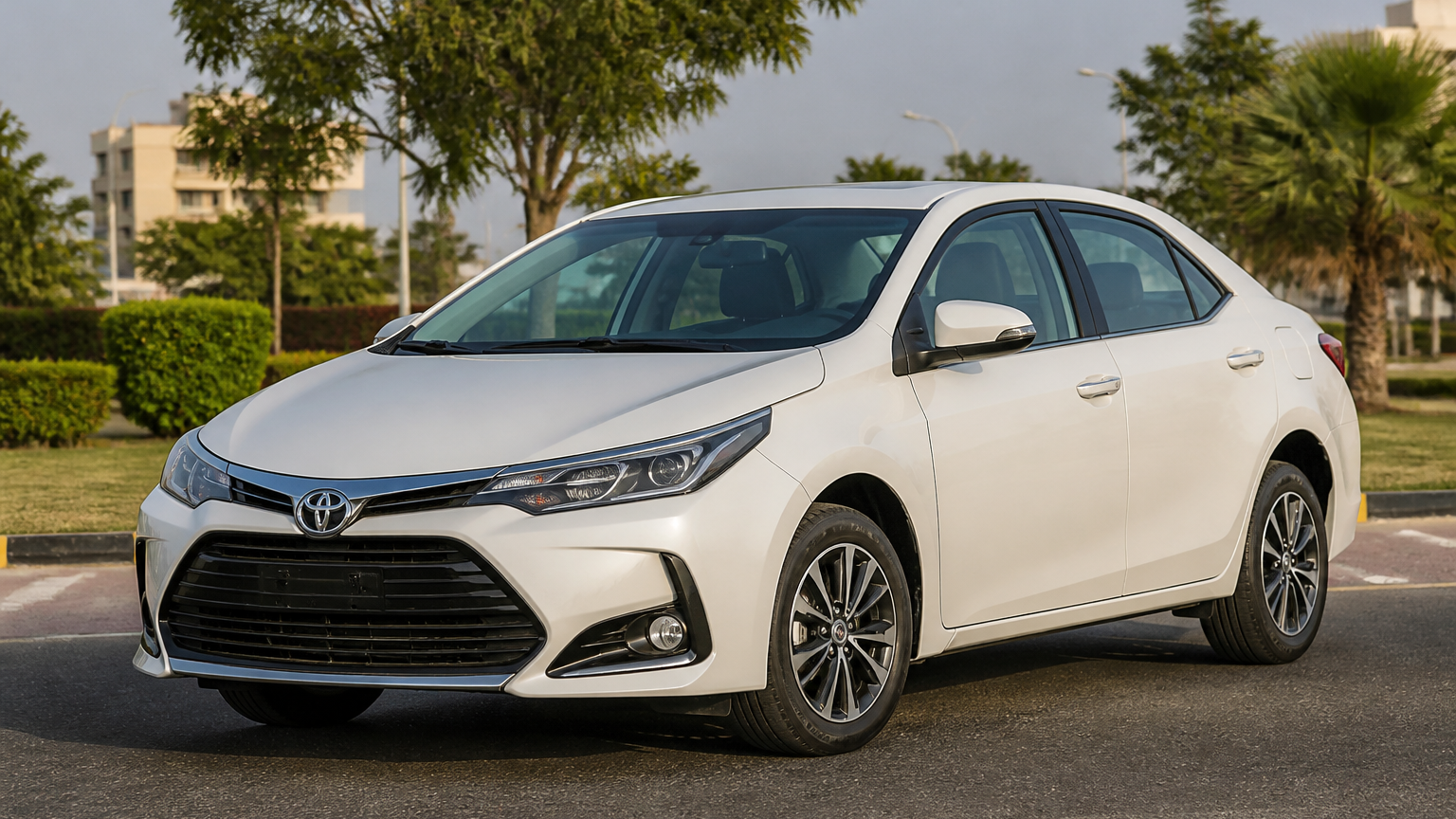
Toyota Corolla Discontinued Before Pakistan Facelift
Pakistan’s pre-facelift Toyota Corolla is reportedly discontinued, hinting at a facelift. Prices, bookings, specs and launch timing remain unconfirmed.
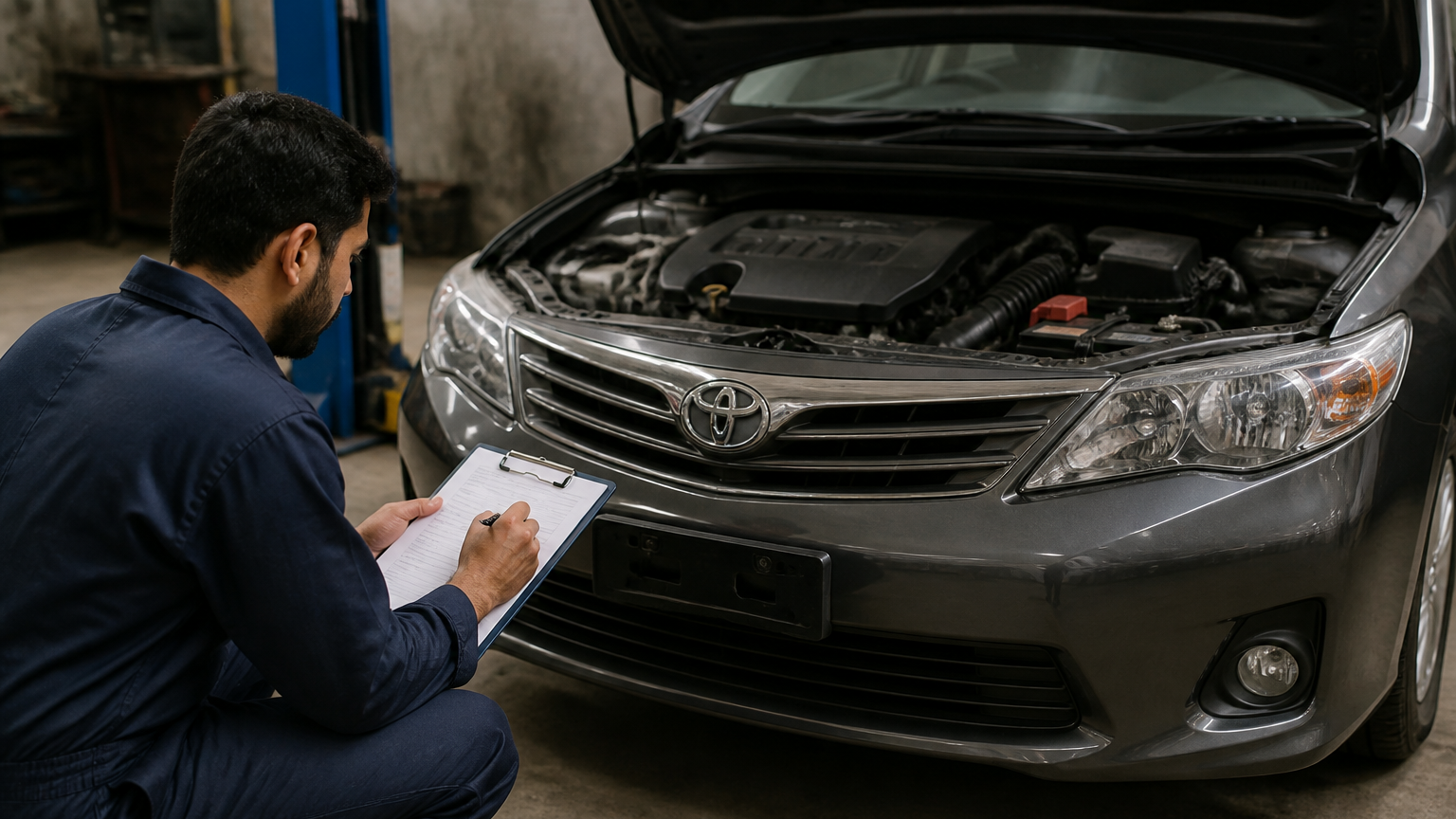
DrivePK Car Inspection Reports: Buy with Confidence
Buying a used car in Pakistan? A pre-purchase inspection can reveal hidden damage, engine issues and red flags before you pay—but it’s not enough alone.
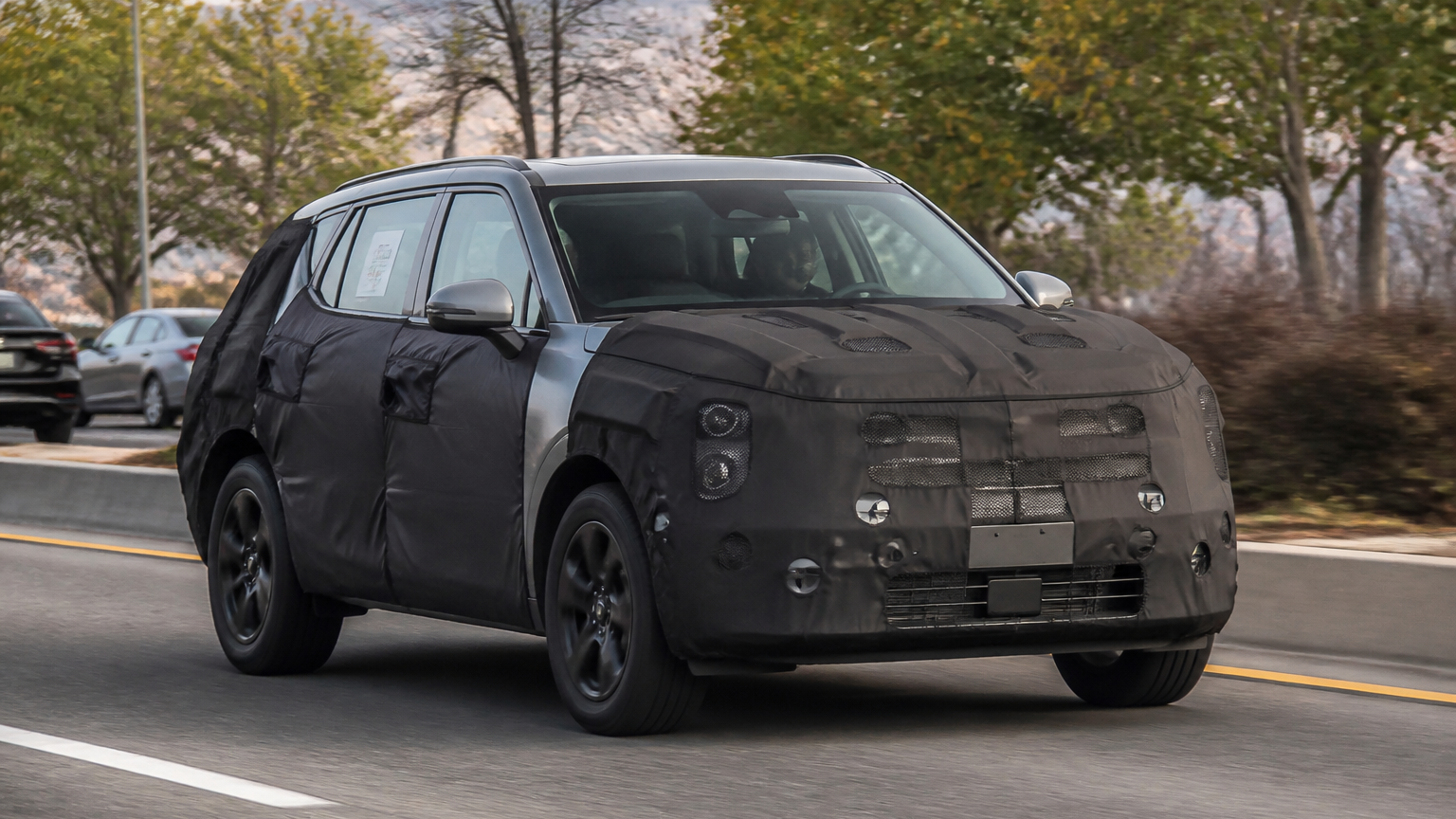
2028 Kia Sportage: Major Design Changes Spotted
Kia’s next Sportage may get a bolder, boxier redesign, with an upright profile, sharper lines, wider grille and split headlights hinted by spy shots.