Pakistan Restores Motorway Speed Limits to 120 km/h
The government has brought back the old speed limits on Pakistan’s motorways and national highways. Cars and light vehicles can now drive at 120 km/h on motorways again. Here’s what changed, why it matters, and how to stay safe.
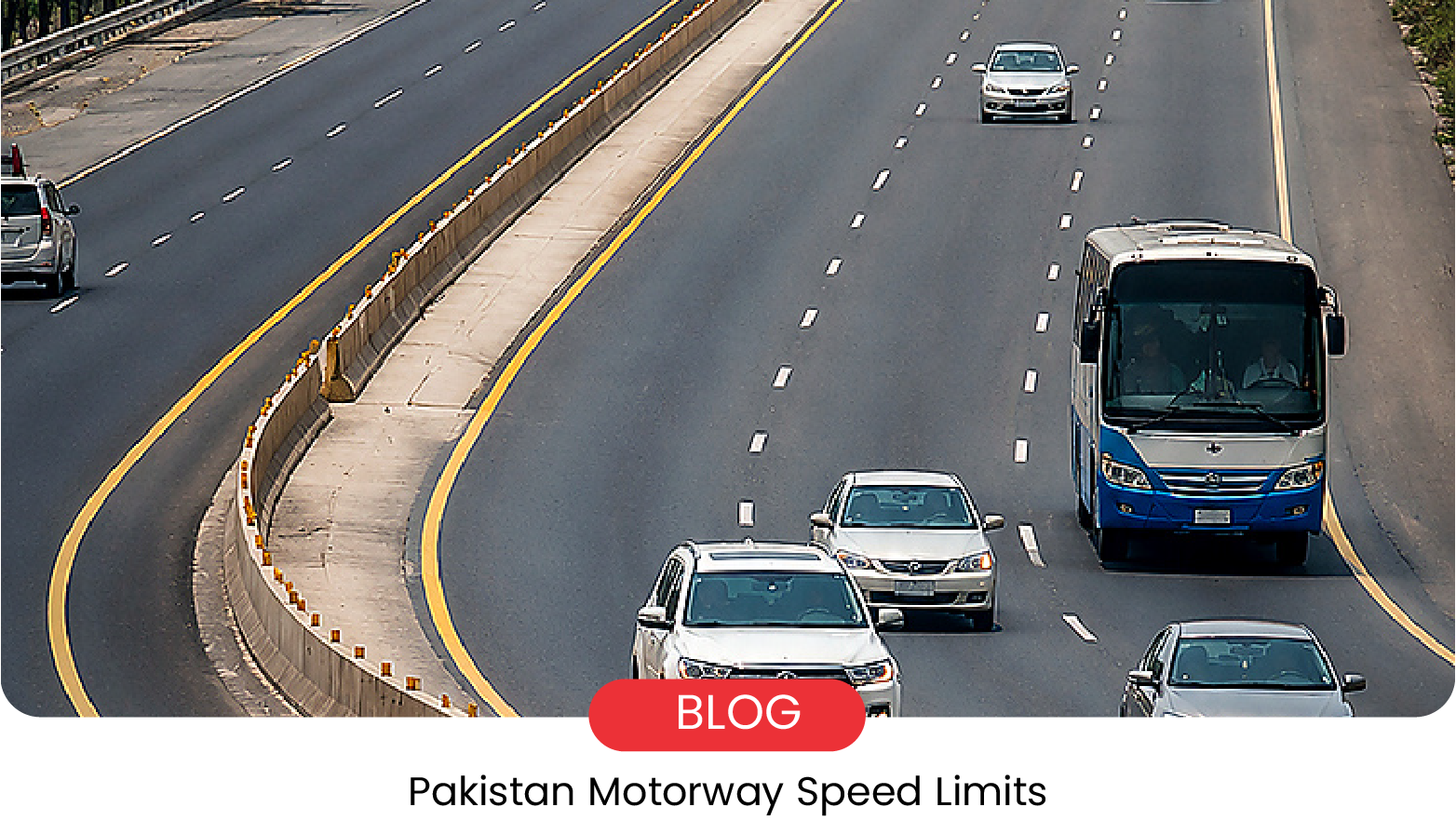
Table of Contents
- What the New (Old) Speed Limits Are
- Why the Limits Were Reduced and Now Restored
- How This Affects Everyday Drivers
- Safety First Even at Higher Speeds
- The Bigger Picture for Road Travel in Pakistan
- Tips for Smooth and Safe Journeys
- What to Watch For Next
- Conclusion
If you drive on the motorway regularly, you probably noticed the difference these past few months. The government has now restored the previous speed limits after a temporary cut earlier this year.
This change comes as a relief for many long-distance drivers. Let’s look at exactly what’s new or rather, what’s back to how it was.
What the New (Old) Speed Limits Are
According to the National Highways & Motorway Police (NHMP):
On Motorways:
- Cars and Light Transport Vehicles (LTVs): 120 km/h
- Public Service Vehicles (PSVs) and Heavy Transport Vehicles (HTVs): 110 km/h
On National Highways:
- Cars and Light Transport Vehicles: 100 km/h
- Passenger and Heavy Vehicles: 80 km/h
These match the limits before the temporary reduction in March 2026. The earlier cut brought motorway speeds down to 100 km/h for cars and 90 km/h for heavy vehicles as part of fuel-saving efforts during high oil prices.
The restoration happened quickly after the decision to withdraw the austerity measures.
Why the Limits Were Reduced and Now Restored
Back in March, rising fuel costs pushed the government to lower speeds. The idea was simple: slower driving uses less fuel and improves safety. Many appreciated the intent, but long-haul drivers and transporters faced delays. Travel times increased noticeably on routes like M-1 or M-2.
With fuel prices easing somewhat, authorities decided to reverse the change. The Motorway Police spokesperson confirmed the old limits are back with immediate effect. This helps restore normal travel flow across the country’s key road network.
How This Affects Everyday Drivers
For many people, this feels like good news.
A family trip from Lahore to Islamabad now takes less time again. Truck drivers making deliveries can meet tighter schedules without constant worry about being too fast. Business travelers and tourists benefit too.
But not everyone is purely happy. Some safety experts worry higher speeds could mean more accidents if people don’t drive carefully. Roads in Pakistan already see serious crashes, often linked to speeding, overtaking issues, or poor vehicle condition.
The authorities are clear on this point. They urge everyone to follow rules, wear seat belts, and drive responsibly.
Safety First Even at Higher Speeds
Higher limits don’t mean you should push your vehicle to the max every time. Here are some practical reminders:
- Know your vehicle: Older cars or those with heavy loads handle differently at speed. Stick to what feels safe.
- Check conditions: Rain, fog, or heavy traffic on motorways calls for lower speeds no matter what the sign says.
- Rest stops matter: Tired drivers cause accidents. Use the service areas properly.
- Seat belts save lives: This is non-negotiable at any speed.
- Keep distance: High speeds need more room to stop safely.
NHMP runs regular campaigns and uses cameras to catch violators. Fines for overspeeding remain strict, so it’s better to stay within limits.
The Bigger Picture for Road Travel in Pakistan
Pakistan’s motorways rank among the better roads in the region. They connect major cities efficiently and support trade. Yet challenges remain from enforcement consistency to road maintenance in some stretches.
Restoring these limits shows the government balancing economic needs with earlier conservation goals. It also reflects responsiveness to feedback from drivers and transporters.
Many people on social media welcomed the news. Comments often mention saved time and easier long drives. At the same time, calls for better enforcement and awareness continue.
Tips for Smooth and Safe Journeys
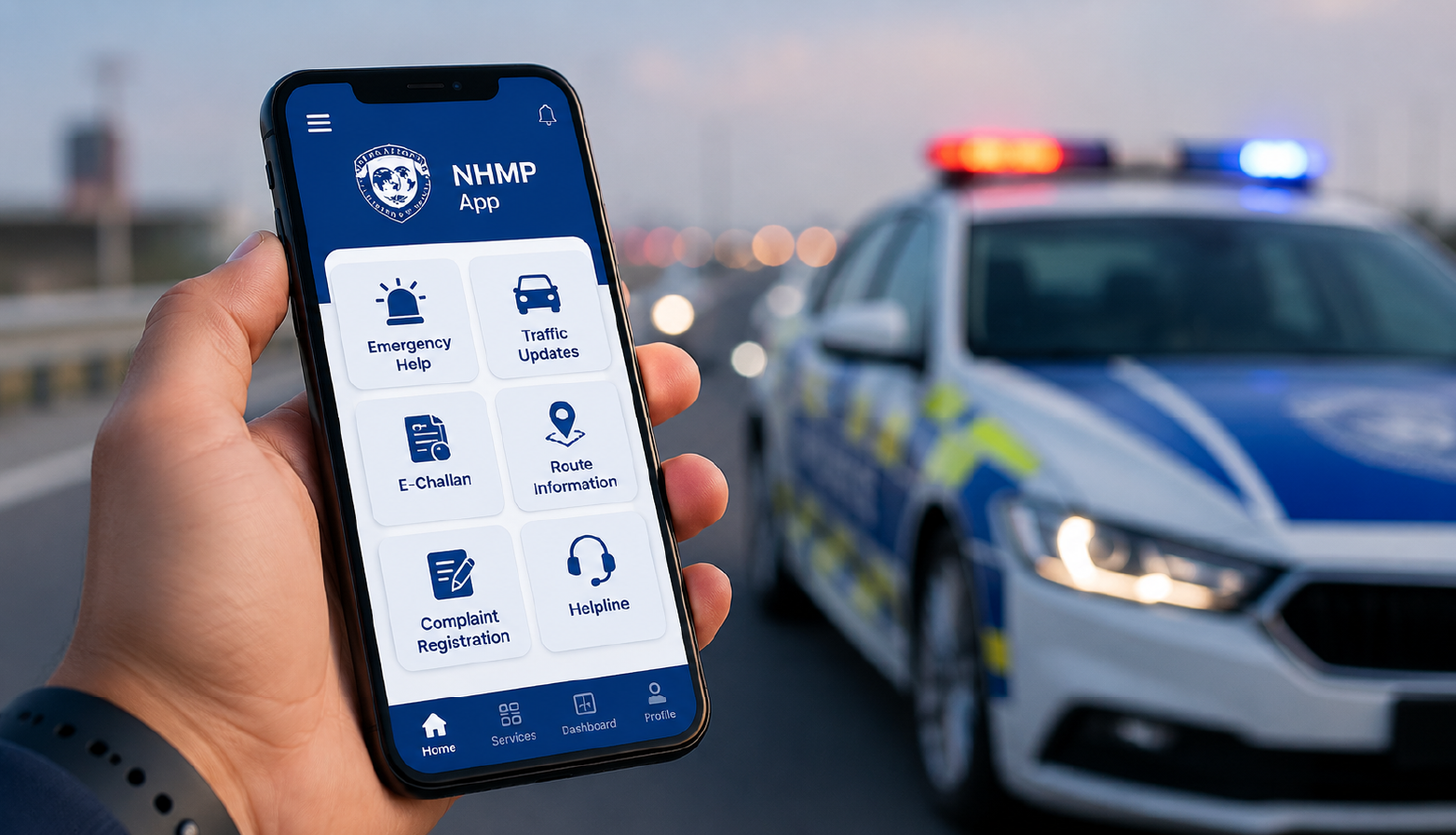
- Plan ahead: Check NHMP updates or apps for any temporary restrictions, construction, or weather alerts.
- Maintain your car: Good tires, brakes, and engine health make a big difference at highway speeds.
- Follow lane discipline: Stick to the left for slower traffic. Use the right for overtaking only.
- Avoid distractions: Phones and loud music can wait until you stop.
- Night driving caution: Reduced visibility makes it smarter to slow down even if the limit allows a higher speed.
For heavy vehicle drivers, the 110 km/h cap on motorways still requires extra care due to longer stopping distances.
What to Watch For Next
This restoration is recent, so keep an eye on official notifications. Rules can see minor adjustments based on ground feedback. The Motorway Police website and their social channels usually share clear updates.
If you travel often, downloading the NHMP app or following their alerts can help you stay informed in real time.
Conclusion
Getting back to familiar speed limits feels like a return to normal for many Pakistani drivers. It should make journeys smoother and more predictable.
Still, the real key lies in responsible driving. Faster limits give you the option, but safety always comes down to the choices each driver makes.
Have you driven on the motorway since the change? Did the lower limits affect your routine earlier? Share your experiences in the comments. Safe travels out there. For more updates, visit DrivePK.com
Tags
Share this article
About the Author

Najeeb Khan
Automotive enthusiast and writer
Comments (0)
Login Required
You need to be logged in to comment on this article.
No comments yet. Be the first to share your thoughts!
Related Articles
F1 2027 Calendar: Why Fans Are Unhappy
F1’s 2027 calendar is out, but missing details leave fan backlash unverified as race timing, travel and costs loom large—especially in Pakistan.
Jolta JE-125L Price: Rs. 329,900 in Pakistan
Jolta JE-125L is back on Pakistan’s radar at a reported Rs. 329,900—promising petrol savings, but confirm launch pricing with a dealer first.
Mohenjo Daro Express Restored After 6 Months
Pakistan Railways revives Mohenjo Daro Express after six months, restoring an affordable lifeline for Sindh commuters between Rohri and Larkana.