Pakistan's First Made-in-Pakistan Electric Vehicles Inaugurated in Lahore
Punjab's Energy Minister Faisal Ayub Khokhar and MNA Saiful Malook Khokhar kicked off Pakistan's first home-made electric and solar vehicles at Nishtar Park in Lahore. This move tackles energy issues and promises jobs for young people, with a youth expo on the way. It's a practical step toward cleaner transport.
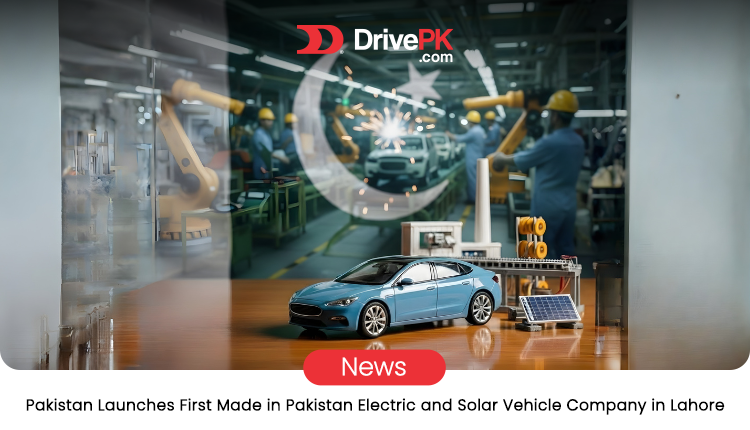
Table of Contents
- Who Made This Happen?
- Why Green Energy Matters Now
- Jobs for the Youth and a New Expo
- What This Means for Sustainable Transport
- Looking Ahead
Pakistan just got its first fully local company making electric and solar-powered bikes, cars, and buses. This happened in Lahore, and it's a real push for cleaner ways to get around. No more relying only on imported tech or fuel that costs a fortune. Instead, we're building our own solutions right here.
The event was at the SBP e Library in Nishtar Park Sports Complex. It's a spot that usually hosts sports, but this time it was about energy and the future. People gathered to see the launch, and it felt like a turning point. Energy costs are high in Pakistan, and pollution from vehicles is a daily problem in cities like Lahore. This company could change that by offering affordable, green options.
Who Made This Happen?
Punjab's Provincial Minister for Energy and Sports, Malik Faisal Ayub Khokhar, led the charge. He was there with MNA Malik Saiful Malook Khokhar. They cut the ribbon together, showing how government folks are teaming up for this.
Faisal Ayub Khokhar talked about how this fits into bigger plans for the province. He called it a key move to fight energy shortages. Pakistan faces blackouts and high bills, especially in summer. Electric vehicles run on batteries or solar, so they cut down on oil use. And since they're made locally, parts and fixes should be easier to get.
Saiful Malook Khokhar focused on jobs. He said young people in Punjab need work, and this factory will hire them. Building vehicles means roles in assembly, design, and sales. It's not just talk; it's real spots for skilled workers.
Why Green Energy Matters Now
Think about Lahore's air. Smog hits hard every winter, and vehicles are a big part of it. Electric bikes and cars don't spit out exhaust. Solar power adds another layer – charge them with the sun, which Pakistan has plenty of.
This isn't new globally, but for Pakistan, it's fresh. We've imported electric scooters before, but making them here cuts costs. No import duties, and it boosts the economy. The company plans to produce bikes first, then cars and buses. Bikes are perfect for crowded streets; they're quick and cheap to run.
Energy challenges go beyond transport. Pakistan relies on imported fuel, which drains foreign reserves. Local electric options could save money and reduce dependence. Plus, solar integration means less strain on the grid. Imagine buses running on solar panels during the day.
But challenges exist. Charging stations are few. The government needs to build more. Batteries must be reliable in our heat. Still, starting local production is a smart first step.
Jobs for the Youth and a New Expo
One highlight was the job promise. Saiful Malook Khokhar said this will open doors for young talent. Punjab has millions of young people looking for work. Factories like this train them in new skills, like battery tech or solar installation.
And there's more. Faisal Ayub Khokhar announced a provincial youth expo soon. It will showcase ideas from young inventors. Think stalls with prototypes, talks on green tech, and networking. It's a platform to connect talent with opportunities. Past expos have sparked startups; this one could focus on energy.
Youth unemployment is tough in Pakistan. Many graduate but struggle to find jobs. Initiatives like this link education to industry. The expo might include workshops on electric vehicle maintenance or solar design. It's practical, not just showy.
What This Means for Sustainable Transport
Sustainable transport isn't a fancy term; it's about moving without harming the planet. In Pakistan, buses and bikes are lifelines for daily commutes. Making them electric shifts us away from petrol and diesel.
The company is 'Made in Pakistan,' which builds pride. It shows we can innovate. Other provinces might follow. Imagine electric buses in Karachi or bikes in Islamabad. It could spread.
Costs matter. Electric vehicles are pricier upfront, but they save on fuel long-term. Government subsidies could help. The minister hinted at support, like tax breaks for buyers.
Environmentally, it's huge. Fewer emissions mean cleaner air. Health improves – fewer asthma cases from pollution. And with climate change, Pakistan faces floods and heatwaves. Green tech helps fight that.
But success depends on execution. The company needs quality control. Roads must handle new vehicles. Public awareness is key – teach people how to use and maintain them.
Looking Ahead
This launch is more than an event; it's a signal. Pakistan is serious about green energy. With leaders like Faisal Ayub Khokhar and Saiful Malook Khokhar pushing, change feels possible.
The youth expo adds excitement. It empowers the next generation. Jobs from the factory will help families. And sustainable transport could make cities livable.
We need to watch how this rolls out. If it works, it sets a model. For now, it's a solid start. Lahore's event might inspire more across the country. For more updates, visit DrivePK.com
Tags
Share this article
About the Author
Najeeb Khan
Automotive enthusiast and writer
Comments (0)
Login Required
You need to be logged in to comment on this article.
No comments yet. Be the first to share your thoughts!
Related Articles
Toyota Corolla Discontinued Before Pakistan Facelift
Pakistan’s pre-facelift Toyota Corolla is reportedly discontinued, hinting at a facelift. Prices, bookings, specs and launch timing remain unconfirmed.
DrivePK Car Inspection Reports: Buy with Confidence
Buying a used car in Pakistan? A pre-purchase inspection can reveal hidden damage, engine issues and red flags before you pay—but it’s not enough alone.
2028 Kia Sportage: Major Design Changes Spotted
Kia’s next Sportage may get a bolder, boxier redesign, with an upright profile, sharper lines, wider grille and split headlights hinted by spy shots.