Petroleum Prices in Pakistan: Expected Drop from January 16, 2026
Petroleum prices in Pakistan are set to drop from January 16, 2026. Petrol could decrease by up to Rs. 4.59 per litre, high-speed diesel by Rs. 2.70, kerosene by Rs. 1.82, and light diesel by Rs. 2.08. This follows global oil price falls due to supply changes and demand shifts. New rates may offer some relief to consumers.
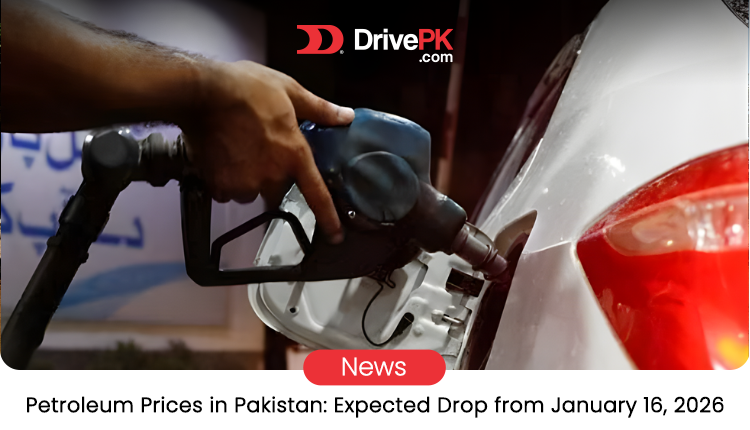
Table of Contents
- The Expected Price Changes
- What's Driving the Price Drop?
- How This Affects Everyday People
- The Government's Role in Fuel Pricing
- Looking at the Bigger Global Picture
- What to Expect Next
Fuel costs touch everything in daily life. From commuting to work to shipping goods, high prices hit hard. But good news is coming. Prices for petroleum products in Pakistan are about to go down. This starts on January 16, 2026, and lasts for two weeks. It's the second cut this month, after one on January 1. People have been waiting for this kind of break.
Think about it. When fuel is cheaper, transport costs drop. That means lower prices for food and other items at the market. Families save a bit on travel. Businesses spend less on delivery. It's not a huge change, but every rupee counts in tough times. And this drop comes at a key moment, right after the new year.
The Expected Price Changes
Let's break down the numbers. Petrol is the big one for most drivers. It may drop by Rs. 4.59 per litre. If approved, the new price will be Rs. 248.58 per litre. That's down from the current rate after the last adjustment.
High-speed diesel, used in trucks and buses, could fall by Rs. 2.70 per litre. The updated price? Rs. 254.38 per litre. Kerosene, common for cooking and lighting in rural areas, might decrease by Rs. 1.82 to Rs. 169.06 per litre. And light diesel oil, often for industry, is expected to go down by Rs. 2.08 to Rs. 144.10 per litre.
These aren't guesses. They come from oil marketing companies' calculations. The government reviews them every two weeks. The Oil and Gas Regulatory Authority (OGRA) crunches the data on global prices, taxes, and exchange rates. Then, the finance ministry decides. Approval is likely, given the trends.
But remember, these are estimates. Final figures could shift a little based on last-minute global changes. Still, the direction is clear: downward.
What's Driving the Price Drop?
Global oil prices are the main reason. They've been falling lately. Why? A mix of factors. Supply is up. OPEC+ countries, like Saudi Arabia, have eased some production cuts they made earlier. That means more oil on the market. The US is pumping a lot, too, thanks to shale fields. Even with talk of tariffs under new policies, output stays high.
Demand isn't growing as fast. Economies in Europe and Asia face slowdowns. China, a big buyer, uses less due to electric vehicles and efficiency. Geopolitical issues, like tensions in the Middle East, usually push prices up. But lately, they've stabilised without major disruptions. No big spikes from conflicts.
In Pakistan, the rupee's value against the dollar plays a role. A stable exchange rate helps keep import costs down. Plus, lower premiums on imported fuel add to the savings. It's all connected. When international crude drops to around $70-75 per barrel, we feel it here.
How This Affects Everyday People
For the average person, this means a little extra in the pocket. If you fill up a 50-litre tank with petrol, you save about Rs. 230. Not life-changing, but it adds up over time. Commuters on bikes or cars notice it first. Public transport might hold fares steady or even cut them.
Farmers benefit too. Cheaper diesel for tractors and pumps eases irrigation costs. That could lead to better crop yields without extra expense. Small businesses, like shops and eateries, pay less for generators during power cuts. In a country where loadshedding still happens, that's key.
But it's not all smooth. Inflation has been high. Even with fuel cuts, other costs like electricity and food rise. This drop helps, but it's part of a bigger picture. The government aims to keep prices stable to boost spending. When people spend more, the economy grows.
The Government's Role in Fuel Pricing
Pakistan's government sets prices every 15 days. It's a system to reflect global changes quickly. Taxes make up a big chunk—up to 30-40% on fuel. There's the petroleum levy, GST, and more. Sometimes, they adjust taxes to cushion big hikes. But now, with prices falling, they might keep taxes as is.
Earlier this month, on January 1, prices dropped more sharply. Petrol fell by over Rs. 10, diesel by Rs. 8.57. That was a new year's relief. Now, this mid-month cut builds on it. The finance minister often announces these on TV or social media. Watch for that on January 15.
Critics say the system could be better. Why not monthly? Or tie it more to local refining? Pakistan imports most fuel, so global ties are strong. Building more refineries could help in the long run.
Looking at the Bigger Global Picture
Oil markets are tricky. In 2025, prices dipped due to oversupply. 2026 might see more of the same. Analysts predict crude could average $65-70 per barrel if supply stays high. But risks exist. A cold winter boosts heating oil demand. Or new sanctions on producers like Russia or Venezuela could tighten things.
For Pakistan, energy security matters. We rely on imports from the Gulf. Diversifying to renewables like solar could reduce this dependence. But that's a slow shift. For now, these price drops are welcome.
What to Expect Next
This fortnight's cut is positive. It shows global markets calming. But prices can swing back up. Keep an eye on news from OPEC meetings or US reports. In Pakistan, the next review is January 31. If trends hold, more relief might come.
In the end, lower fuel costs ease pressure. They help families and the economy breathe a bit. It's a small win in uncertain times. Stay informed, and plan your budget around it. For more updates, visit DrivePK.com
Tags
Share this article
About the Author

Najeeb Khan
Automotive enthusiast and writer
Comments (0)
Login Required
You need to be logged in to comment on this article.
No comments yet. Be the first to share your thoughts!
Related Articles
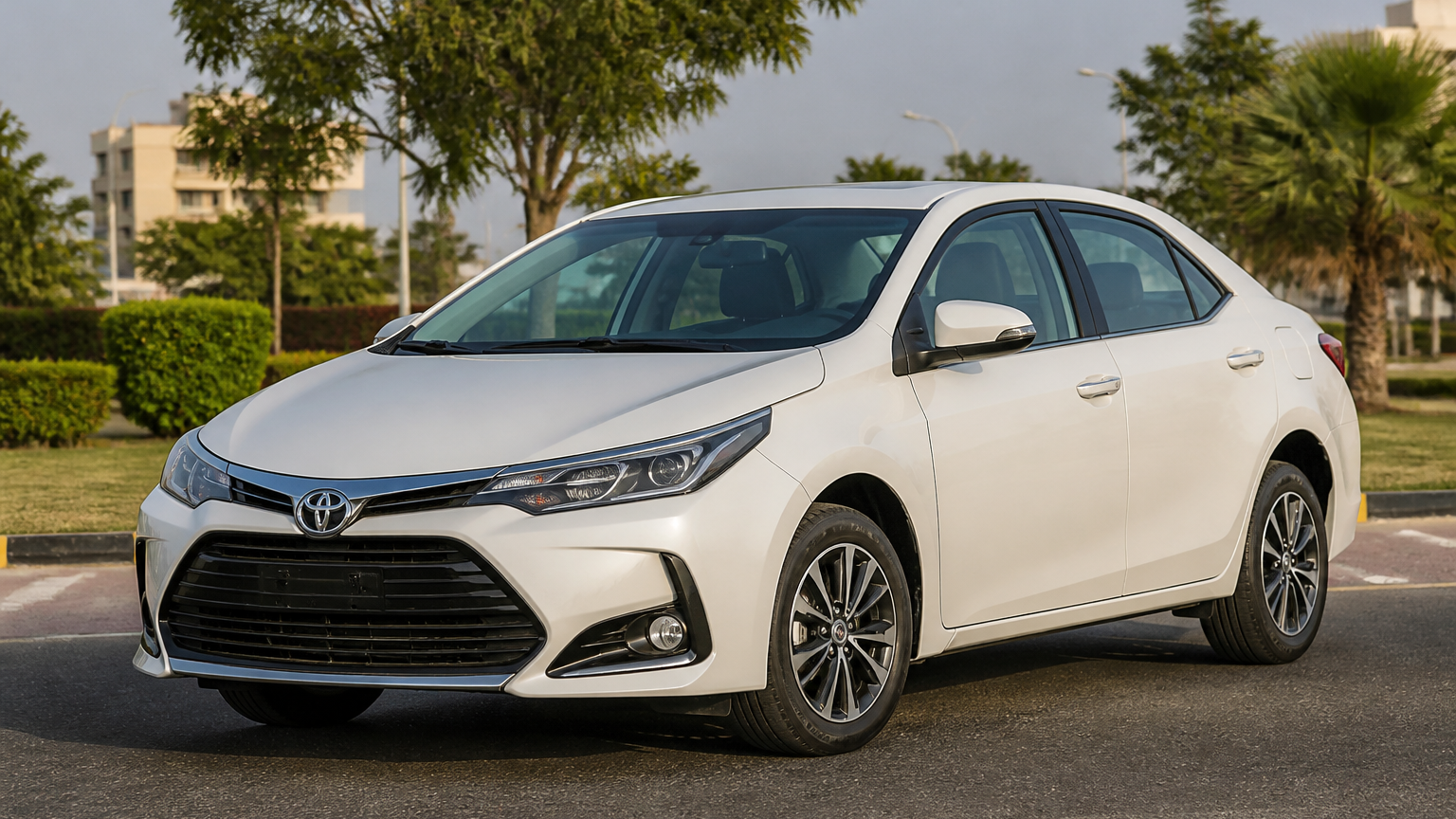
Toyota Corolla Discontinued Before Pakistan Facelift
Pakistan’s pre-facelift Toyota Corolla is reportedly discontinued, hinting at a facelift. Prices, bookings, specs and launch timing remain unconfirmed.
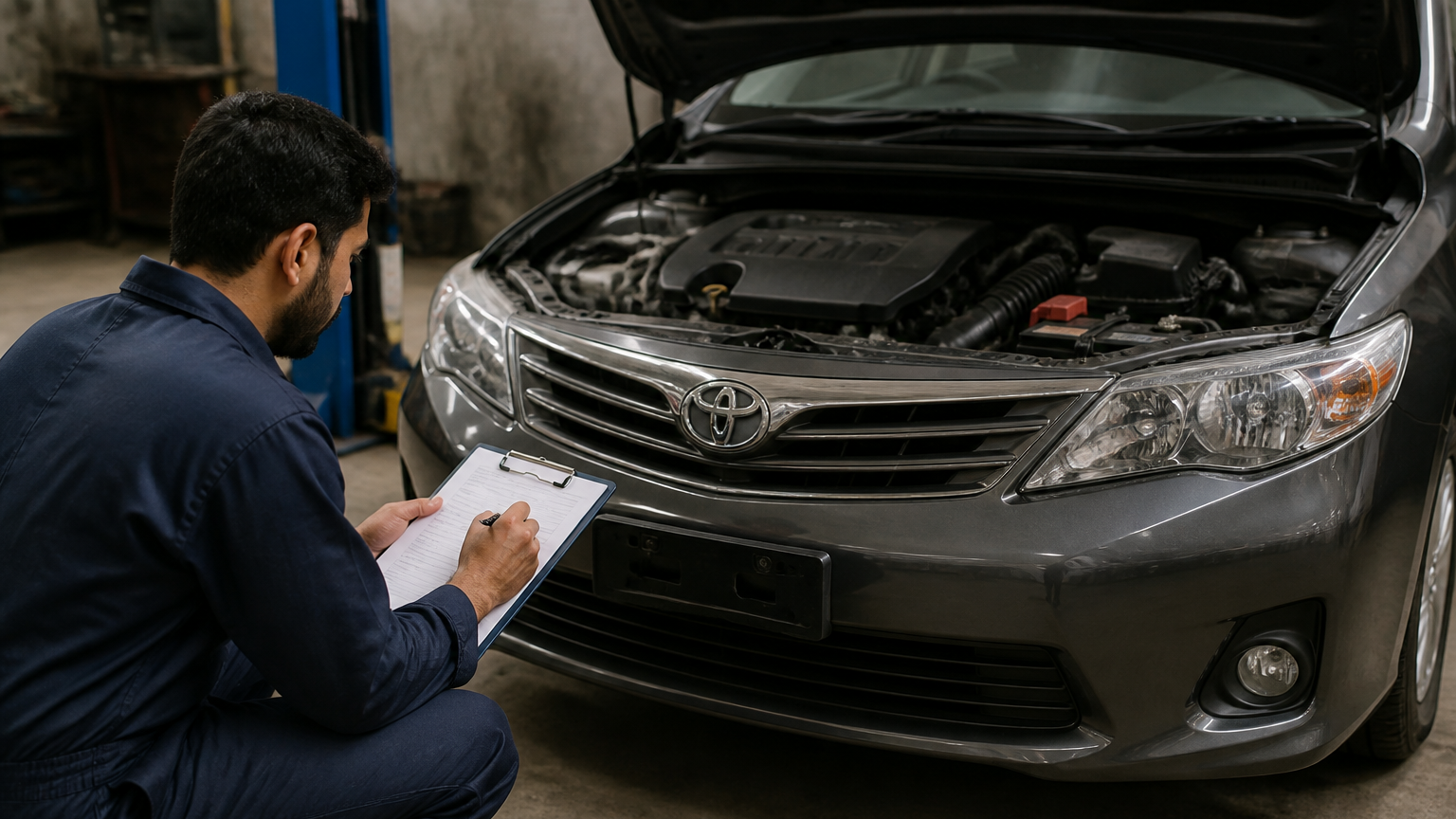
DrivePK Car Inspection Reports: Buy with Confidence
Buying a used car in Pakistan? A pre-purchase inspection can reveal hidden damage, engine issues and red flags before you pay—but it’s not enough alone.
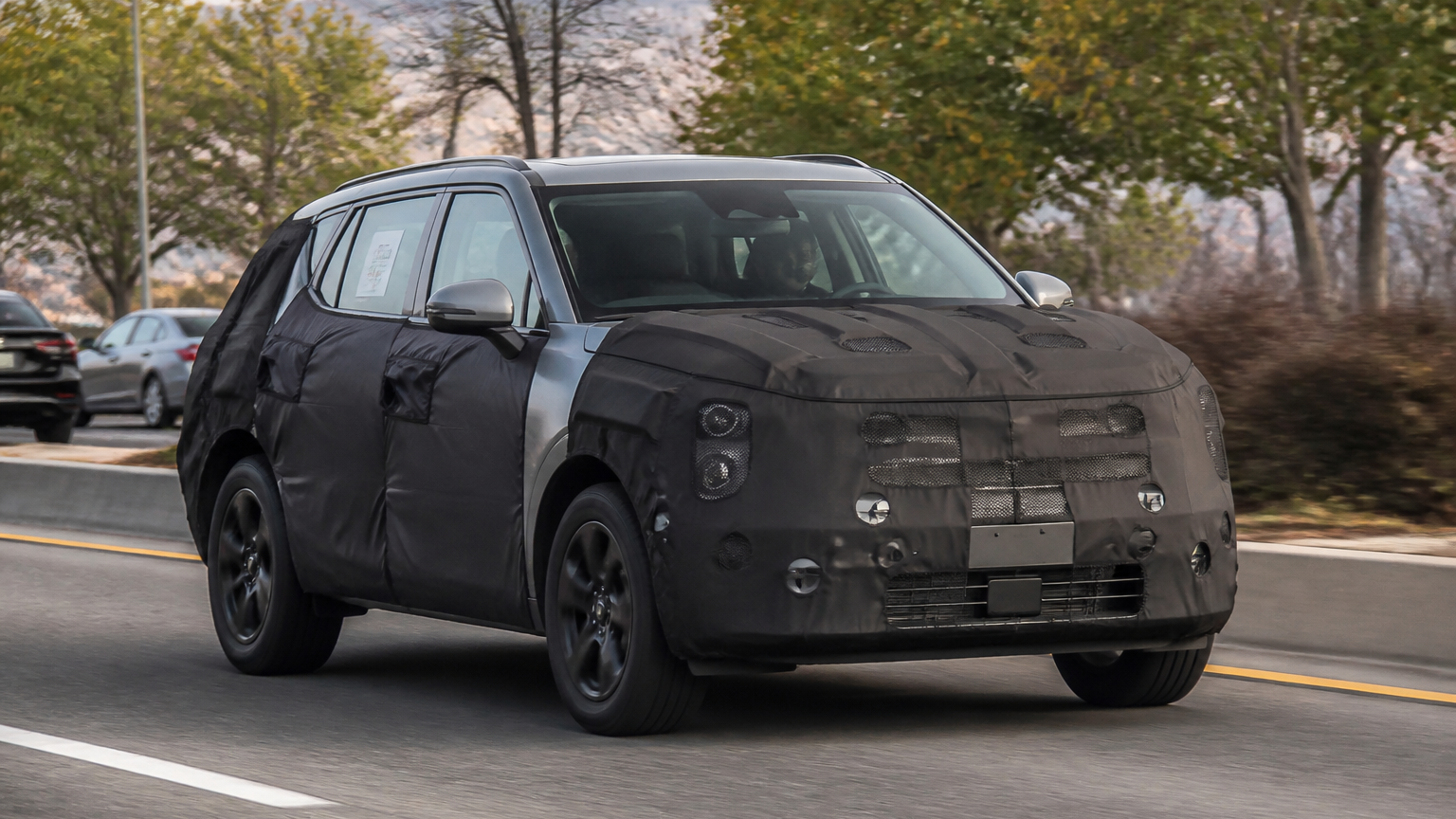
2028 Kia Sportage: Major Design Changes Spotted
Kia’s next Sportage may get a bolder, boxier redesign, with an upright profile, sharper lines, wider grille and split headlights hinted by spy shots.