Punjab Makes Vehicle E-Tagging Mandatory: Key Security Upgrades Explained
Punjab Chief Minister Maryam Nawaz has approved mandatory e-tagging for all vehicles, including bikes, to improve tracking and fight crime. The plan includes a new cybercrime unit, district online centers, expanded drones, and border lights. Officials must submit a full security strategy in seven days.
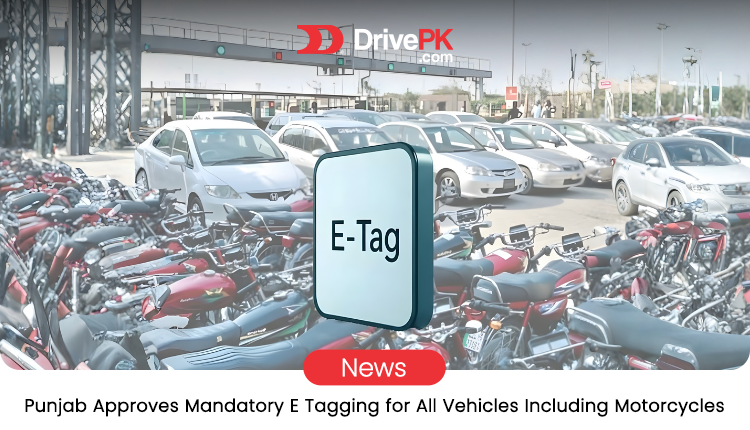
Table of Contents
- What E-Tagging Means for You
- Building a Cyber Crime Shield
- Eyes in the Sky and on the Borders
- Training and Praise for the Front Lines
- Why This Matters for Punjab
- Conclusion
Punjab just got tougher on crime. The government has greenlit electronic tagging for every vehicle on the road, from cars to motorcycles. This came out of a big meeting led by Chief Minister Maryam Nawaz. She wants a solid plan in place within a week.
What E-Tagging Means for You
E-tagging puts a digital tracker on your vehicle. It helps police spot stolen rides or track suspects in real time. No more easy getaways for criminals. Drivers in Punjab will need to get this done soon. It's like a digital ID for your car or bike. Think of it as a simple upgrade that makes roads safer for everyone.
But why now?
Crime rates and security threats are on the rise. With tensions in the region, like the Israel-Iran issues, the province is on high alert. E-tagging fits right into that. It ties into existing systems, like number plate recognition tech already in safe cities. Your plate links to databases for excise, crime records, and even the FIA. If something's off, authorities know right away.
And it's not just about catching bad guys. This could cut down on traffic jams and emissions, too. Thermal cameras can check vehicle fumes on the spot. Punjab is pushing for cleaner air alongside better law enforcement.
Building a Cyber Crime Shield
The meeting didn't stop at vehicles. They approved a new Punjab Cyber Crime Investigation Unit. This team's got a special focus on protecting women and girls online. Cyber threats are everywhere these days, harassment, scams, you name it. Having a dedicated group makes sense.
Plus, every district gets its own online crime center. That means quicker responses to digital crimes, no matter where you live. It's a big step toward making Punjab digitally secure.
Eyes in the Sky and on the Borders
Drones are getting a major boost. The plan expands surveillance with more drones watching key areas. They're even buying advanced drone defense systems to counter any threats from the air.
Borders won't be overlooked. Searchlights go up at provincial edges, and checkpoints get rooftop monitoring. Non-traditional entry points? Those get strict enforcement. No sneaking in or out without notice.
Combining operations keeps rolling without breaks. These sweeps target criminals and terrorists head-on. It's ongoing work to keep the peace.
Training and Praise for the Front Lines
The RMP Anti-Riots Force gets better gear and training. They're the ones handling crowds and tense situations. Stronger tools mean they can do their job more safely.
Maryam Nawaz gave a shoutout to religious scholars, Minister Khawaja Salman Rafique, and the Lahore Police. They've played a key role in keeping things calm. It's good to see credit where it's due.
Why This Matters for Punjab
These changes aim to make Punjab the safest spot in Pakistan. Crime-free streets, quick police response, and tech that works for people. But it won't happen overnight. Officials have seven days to map out the details.
For drivers, e-tagging might feel like an extra step. Yet it could save lives and cut crime. Similar systems work in other places, like linking plates to owners for better tracking. Punjab's catching up fast.
And with high alert in place, including Section 144 until March 7, everyone's on watch. Markets, malls, and worship sites get extra security. It's about staying ahead of threats.
Conclusion
Maryam Nawaz has made security a top priority since day one. From digital surveillance outside schools to tighter checks during Ramadan, the focus is clear. These measures build on that.
Citizens should stay alert, too. Report anything odd to the police hotline. Together, this could change how safe Punjab feels.
But questions remain. How much will e-tagging cost? When does it start? The micro plan should answer that soon.
In the end, these steps show Punjab is serious about modern security. Tech like e-tags and drones isn't just fancy, it's practical. It protects people and keeps the province moving forward. For more updates, visit DrivePK.com
Tags
Share this article
About the Author

Najeeb Khan
Automotive enthusiast and writer
Comments (0)
Login Required
You need to be logged in to comment on this article.
No comments yet. Be the first to share your thoughts!
Related Articles
Toyota Corolla Discontinued Before Pakistan Facelift
Pakistan’s pre-facelift Toyota Corolla is reportedly discontinued, hinting at a facelift. Prices, bookings, specs and launch timing remain unconfirmed.
DrivePK Car Inspection Reports: Buy with Confidence
Buying a used car in Pakistan? A pre-purchase inspection can reveal hidden damage, engine issues and red flags before you pay—but it’s not enough alone.
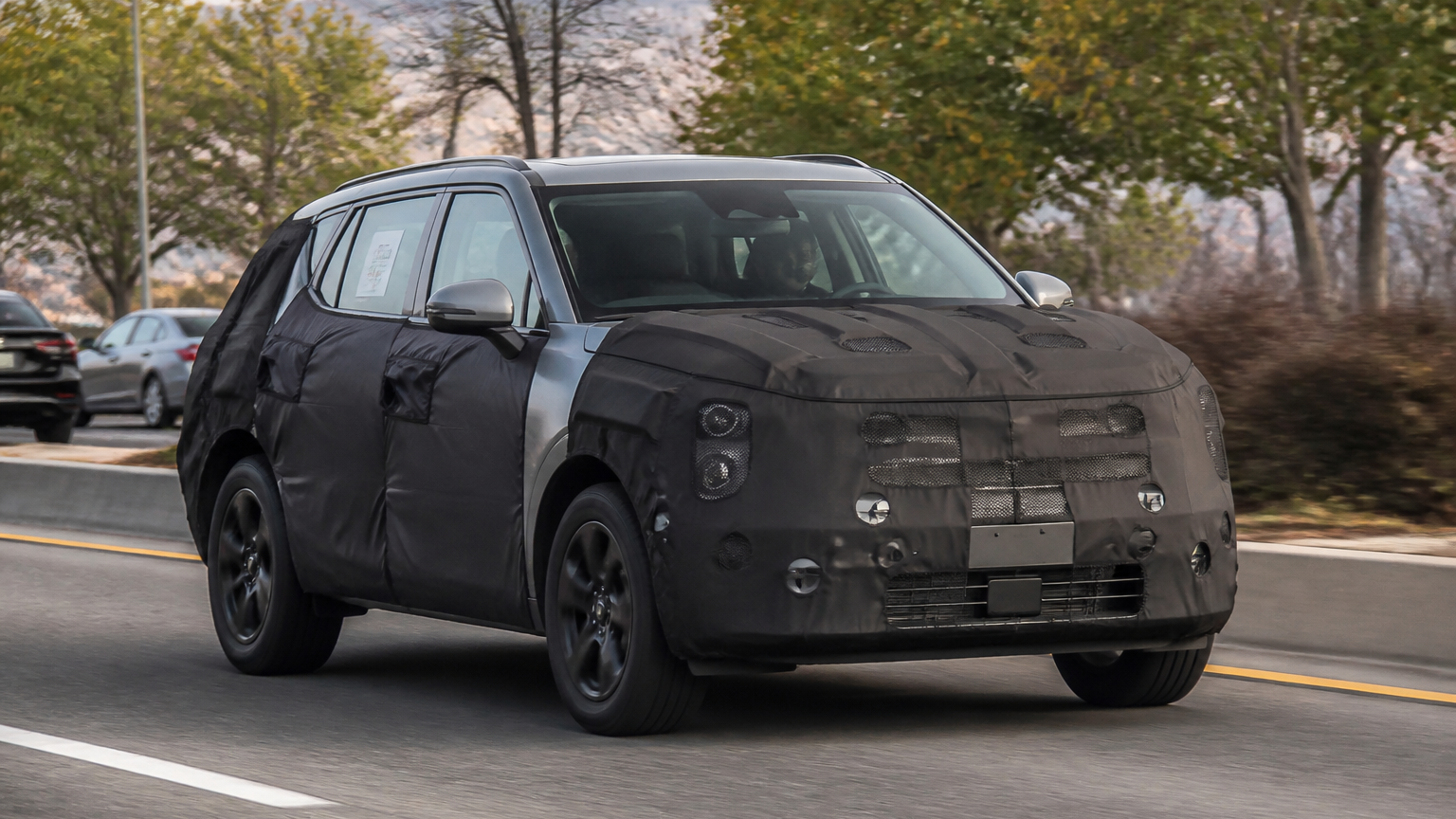
2028 Kia Sportage: Major Design Changes Spotted
Kia’s next Sportage may get a bolder, boxier redesign, with an upright profile, sharper lines, wider grille and split headlights hinted by spy shots.