Punjab CM Maryam Nawaz Launches EV Bus Expansion and Solar Shift for Greener Transport
Punjab CM Maryam Nawaz kicked off the PTC HQ and EV Command Centre, urging quick growth in electric buses. She wants solar charging, more routes, a plan for 1,500 new e-buses, carbon credits, and faster metro projects in Faisalabad and Gujranwala. Over 15.5 million riders have used the service.
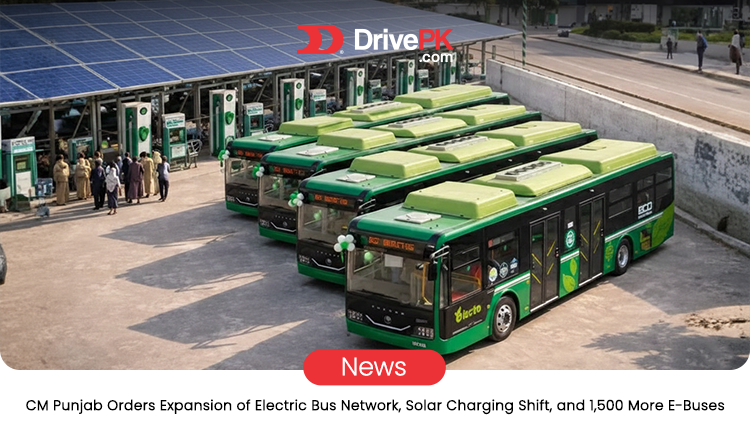
Table of Contents
- Why Electric Buses Matter in Punjab
- Shifting to Solar Power for Bus Charging
- A Roadmap for 1,500 More E-Buses
- Chasing Carbon Credits Under the Green Bus Project
- Fast-Tracking Metro Buses in Faisalabad and Gujranwala
- What This Means for Punjab's Future
Punjab is stepping up its game in public transport. Chief Minister Maryam Nawaz just opened the new headquarters for the Punjab Transport Company (PTC) and the EV Command & Control Centre. This isn't just a ribbon-cutting event. It's a signal that the province wants cleaner, faster ways for people to get around.
I remember when buses in Lahore meant crowded rides and diesel fumes. Now, with electric vehicles on the rise, things could change. Maryam Nawaz didn't stop at the inauguration. She gave clear orders to officials: speed things up. Expand the electric bus network right away. That means more buses hitting the roads sooner than planned.
Why Electric Buses Matter in Punjab
Think about the daily grind in cities like Lahore. Traffic jams stretch for miles, and air quality takes a hit from all those old vehicles. Electric buses cut down on that pollution. They run quietly and don't spew exhaust. Punjab already has some in operation, and riders love them.
The PTC shared a big number during the event: 15.5 million passengers have used the service so far. That's not a small crowd. It shows people are ready for better options. But expanding isn't easy. It needs planning, money, and the right tech.
Maryam Nawaz gets that. She told the team to add new routes. Right now, the buses cover key areas, but what about the outskirts or smaller towns? New paths could connect more neighborhoods, making it easier for workers and students to travel without a car.
Shifting to Solar Power for Bus Charging
One smart directive stands out: switch the charging stations to solar power. Punjab gets plenty of sun year-round. Why not use it? Solar panels on charging spots would mean less reliance on the grid. It saves money in the long run and keeps things green.
Imagine buses powered by the sun. No more worries about power outages delaying schedules. This move fits with global trends. Countries like China and the US are doing the same. In Punjab, it could set an example for the rest of Pakistan.
But it's not just about the environment. Solar charging could lower costs for the PTC. Cheaper operations mean fares might stay low or even drop. That helps everyday people who depend on public transport.
A Roadmap for 1,500 More E-Buses
The CM didn't leave things vague. She asked for a detailed roadmap to bring in 1,500 additional electric buses. That's a huge jump. Officials have to present this plan soon. It will cover everything from buying the buses to training drivers.
Where will these buses come from? Likely a mix of local assembly and imports. Pakistan has been building ties with EV makers. This could create jobs in manufacturing and maintenance. Think mechanics specializing in batteries instead of engines.
And safety? Electric buses have fewer moving parts, so they break down less. But the roadmap needs to address the charging infrastructure. More buses mean more stations. Punjab's cities are growing fast, so planning ahead is key.
Chasing Carbon Credits Under the Green Bus Project
Here's where it gets interesting. Maryam Nawaz instructed departments to go after carbon credits for the Green Bus Project. Carbon credits are like rewards for cutting emissions. Companies or governments earn them by going green, then sell them to others who pollute more.
For Punjab, this could bring in extra funds. The money from credits might pay for more buses or upgrades. It's a win-win. Reduce pollution and get paid for it. The project already qualifies because electric buses replace diesel ones, slashing CO2 output.
Other places have done this. Cities in India and Europe use credits to fund transport. Punjab's joining in shows forward thinking. It ties local efforts to global climate goals.
Fast-Tracking Metro Buses in Faisalabad and Gujranwala
Not everything is about electric buses. The CM pushed to hurry up the metro bus projects in Faisalabad and Gujranwala. These cities need better links, too. Metro systems mean dedicated lanes, faster trips, and fewer cars on the road.
Faisalabad is a textile hub with heavy traffic. A metro bus could ease that. Same for Gujranwala, known for its industries. Getting these done quickly will boost the economy. Workers get to jobs on time, and businesses run more smoothly.
Punjab's metro in Lahore and Rawalpindi-Islamabad set the bar. Expanding to more cities spreads the benefits. But challenges like land acquisition and funding need sorting. The CM's directive puts pressure on officials to move fast.
What This Means for Punjab's Future
All these steps add up to one thing: a greener Punjab. Electric buses, solar power, carbon credits, they're building a sustainable system. And with 15.5 million riders already, demand is there.
But success depends on execution. Officials have to follow through. Delays could frustrate people. On the flip side, if done right, it could inspire other provinces.
Commuters stand to gain the most. Cleaner air, reliable rides, maybe even lower costs. It's about making life easier in a bustling province.
And that's the real hook. This isn't just policy talk. It's a change on the ground. Watch for updates as the roadmap unfolds. Punjab's transport scene is evolving, and it's worth keeping an eye on. For more updates, visit DrivePK.com
Tags
Share this article
About the Author

Najeeb Khan
Automotive enthusiast and writer
Comments (0)
Login Required
You need to be logged in to comment on this article.
No comments yet. Be the first to share your thoughts!
Related Articles
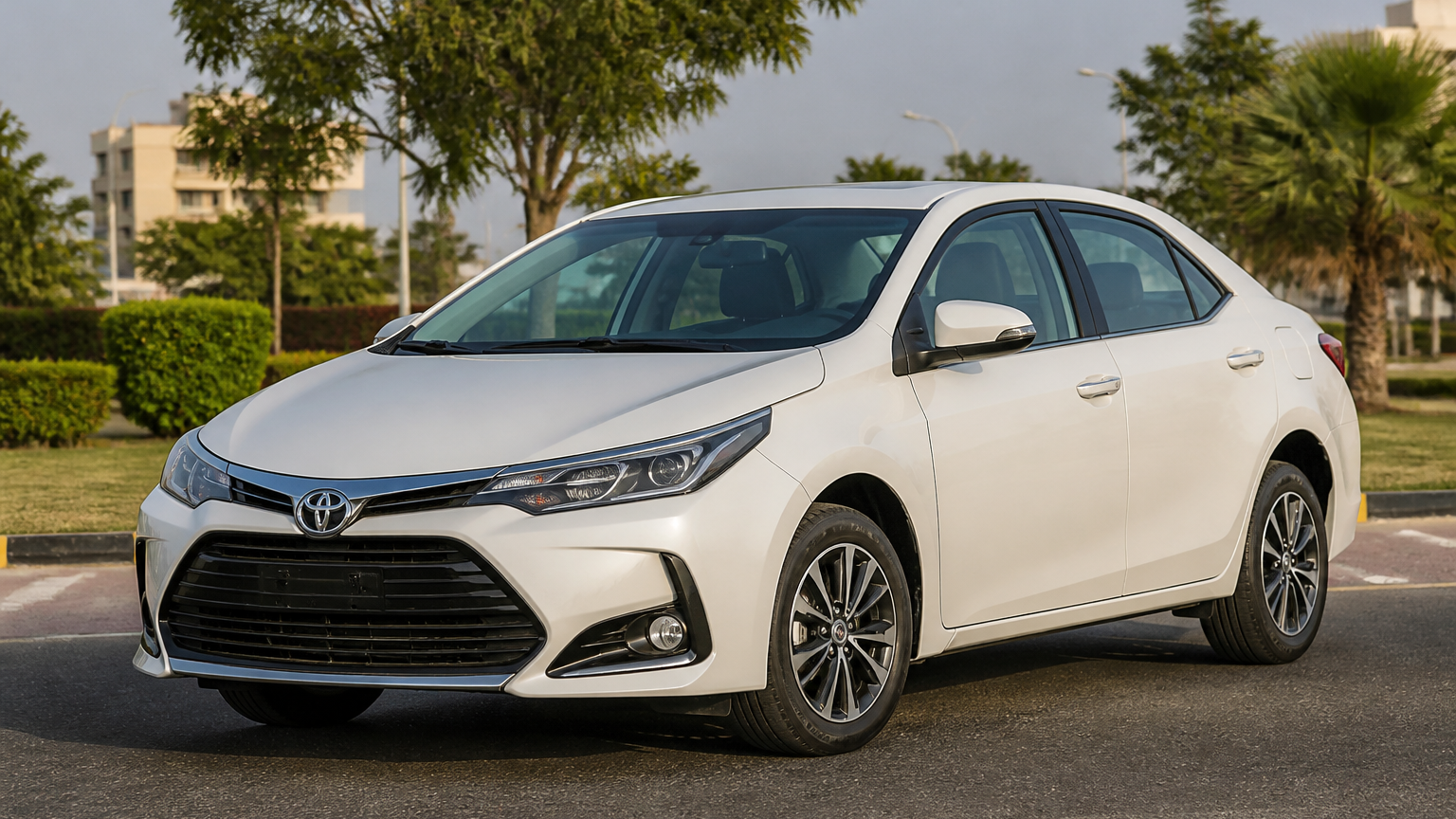
Toyota Corolla Discontinued Before Pakistan Facelift
Pakistan’s pre-facelift Toyota Corolla is reportedly discontinued, hinting at a facelift. Prices, bookings, specs and launch timing remain unconfirmed.
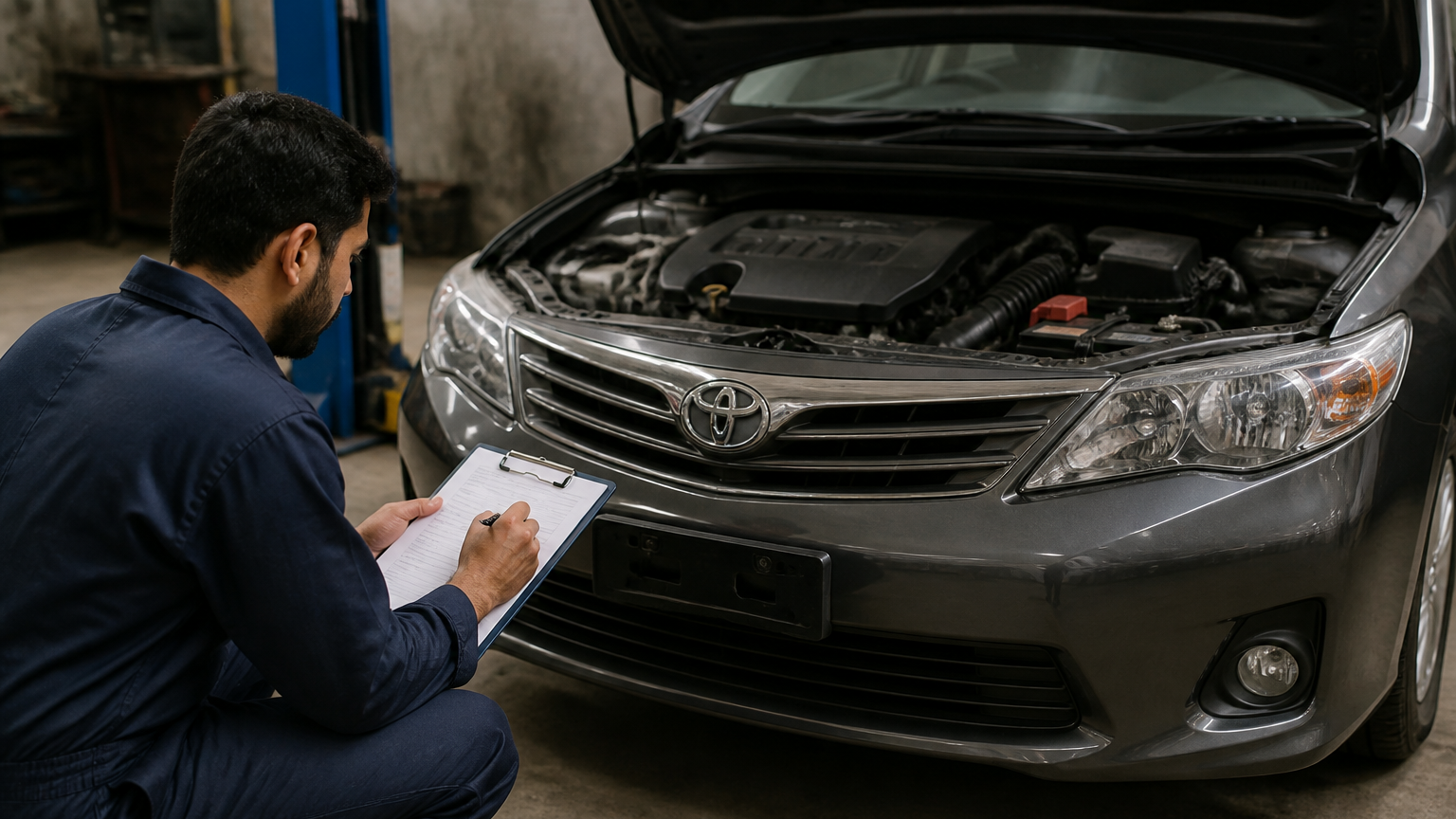
DrivePK Car Inspection Reports: Buy with Confidence
Buying a used car in Pakistan? A pre-purchase inspection can reveal hidden damage, engine issues and red flags before you pay—but it’s not enough alone.
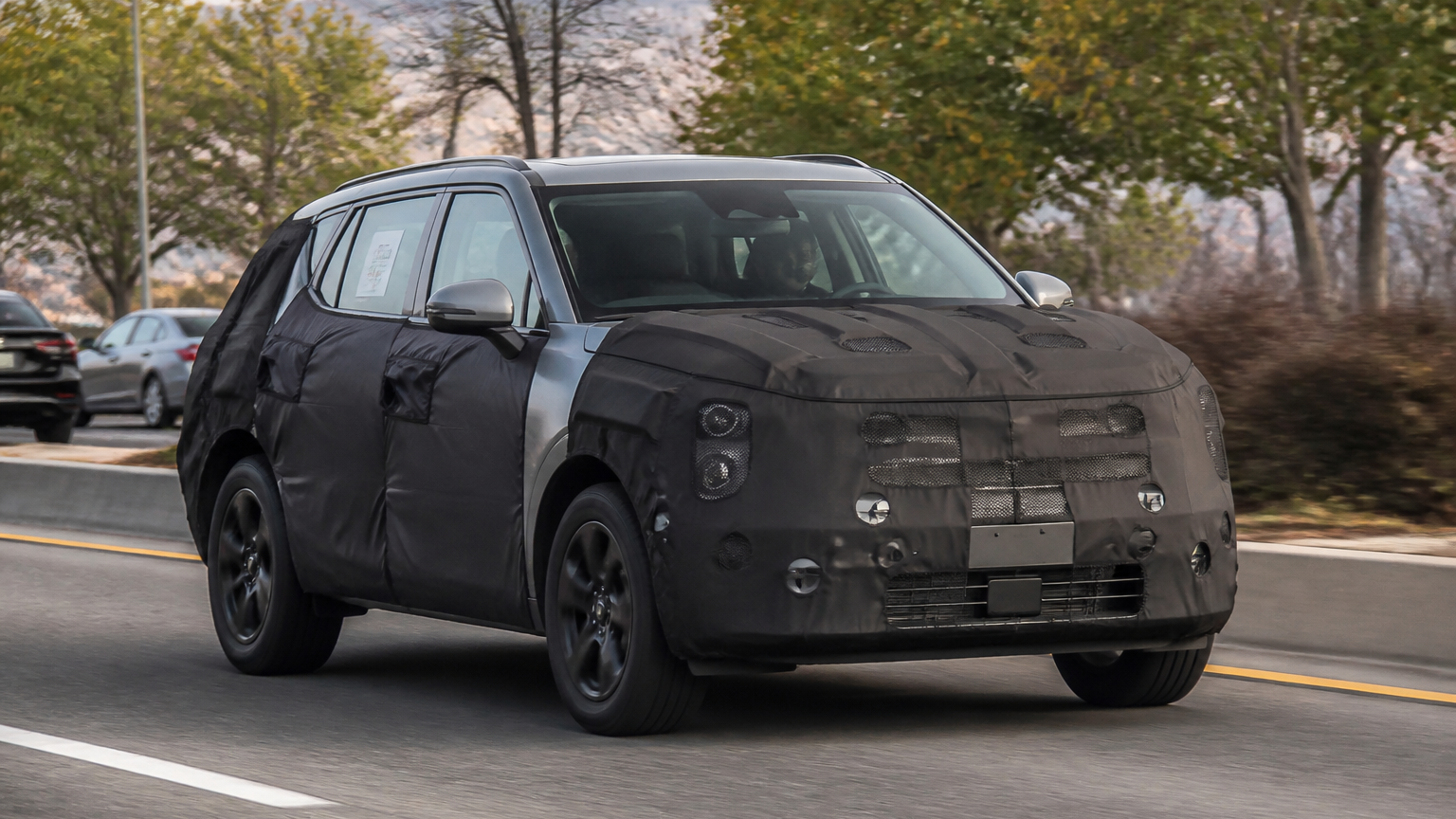
2028 Kia Sportage: Major Design Changes Spotted
Kia’s next Sportage may get a bolder, boxier redesign, with an upright profile, sharper lines, wider grille and split headlights hinted by spy shots.