Saddar Market Goes Car-Free: Karachi's Bold Move Against Traffic Chaos
Karachi's Saddar Market will soon be a car-free haven, easing traffic woes during peak hours and Ramadan. This move, along with bans on loading vehicles and stricter parking rules, aims to make the area smoother for everyone.
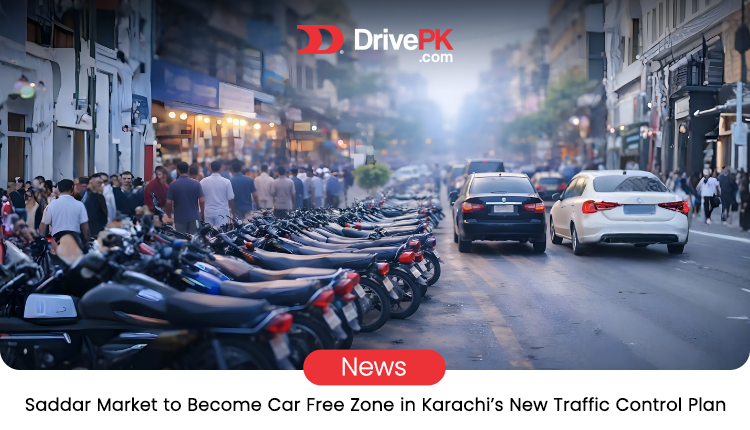
Table of Contents
- The Key Steps in the Plan
- How This Helps During Ramadan
- Challenges Ahead
- What It Means for Locals
- Looking Forward
Karachi's streets can feel like a nightmare. Cars honk endlessly, bikes weave through gaps, and pedestrians dodge everything. Saddar, right in the heart, takes the worst of it. It's a bustling spot with shops, eateries, and history, but traffic turns it into a gridlock mess.
Now, the Traffic Police want to fix that. They're turning Saddar Market into a full pedestrian zone. No cars allowed. This isn't just a quick patch; it's part of a bigger plan to handle the chaos, especially as Ramadan approaches. During the holy month, crowds swell for iftar shopping and prayers. Streets get packed tighter than ever.
Think about it. Last Ramadan, people waited hours in jams around Shahrah-e-Faisal and the Old City. Businesses suffered, and drivers fumed. This pedestrian shift could change the game by giving space back to walkers.
The Key Steps in the Plan
The decision came from a meeting led by the DIG Traffic. They didn't stop at the pedestrian zone. Here's what else they're rolling out.
First, a ban on loading and unloading vehicles in Saddar from 1 pm to 7 pm. That's prime time when trucks clog lanes. No more delivery vans blocking roads during lunch rushes or evening commutes.
Next, they're activating proper parking spots. For too long, cars have parked wherever on sidewalks and in alleys. This leads to bottlenecks. Now, expect designated areas and strict enforcement.
Illegal parking? They're coming down hard. Fines, towing—the works. And encroachments, those makeshift stalls or barriers eating up space, will get cleared out.
They're also deploying extra traffic personnel. More officers on the ground means quicker responses to snarls. Plus, they're tackling professional beggars at signals. Lifter officers with body cams will handle this, keeping things fair and recorded.
All these aim at key trouble spots: Saddar, Old City, Shahrah-e-Faisal, and beyond.
How This Helps During Ramadan
Ramadan hits Karachi hard. Families shop late for suhoor and iftar. Markets like Saddar buzz with energy, but traffic kills the vibe. Cars inch along, horns blare, and pollution spikes.
A car-free Saddar means safer walks. Shoppers can browse without fearing bumpers. It might even boost local businesses people linger longer when they're not rushed by vehicles.
But it's not just about shopping. Congestion affects ambulances, deliveries, and daily commutes. Easing it could save time and fuel. Officials hope these measures ripple out, calming other areas too.
And with extra officers, expect less chaos at signals. Beggars often slow things down, but body cams add accountability. It's a smart touch.
Challenges Ahead
No plan is perfect. Making Saddar pedestrian-only won't happen overnight. Drivers used to shortcuts might grumble. Nearby roads could see more traffic spillover.
Shop owners worry about deliveries. How do they stock shelves without afternoon unloading? The ban is strict, so they'll need to adapt, maybe early mornings or nights.
Enforcement is key. Karachi has seen plans fizzle due to lax follow-through. Will the extra personnel stick around? And encroachments they've crept back before.
Still, if done right, this could set a model. Other cities like Lahore or Islamabad might watch and learn.
What It Means for Locals
If you live in Karachi, this touches your routine. Commuters on Shahrah-e-Faisal might breathe easier. No more Saddar snarls spilling over.
Pedestrians gain the most. Walking becomes pleasant, not perilous. Families can stroll through markets without stress.
Businesses could thrive. A lively, foot-traffic zone draws crowds. Think European plazas are vibrant, car-free.
But change needs buy-in. Officials should talk to residents and explain the benefits. Maybe add benches, lights, or shade for the pedestrian area.
Looking Forward
Karachi grows fast. Population booms, cars multiply. Traffic management isn't optional—it's essential.
This Saddar plan shows proactive steps. It's not flashy, just practical. If it works, expand it. More pedestrian zones could green the city and cut emissions.
Ramadan starts soon. These changes come at a good time. Let's see if they deliver smoother streets.
In the end, it's about making Karachi livable. Less congestion means more time for what matters: family, work, rest. For more updates, visit DrivePK.com
Tags
Share this article
About the Author

Najeeb Khan
Automotive enthusiast and writer
Comments (0)
Login Required
You need to be logged in to comment on this article.
No comments yet. Be the first to share your thoughts!
Related Articles
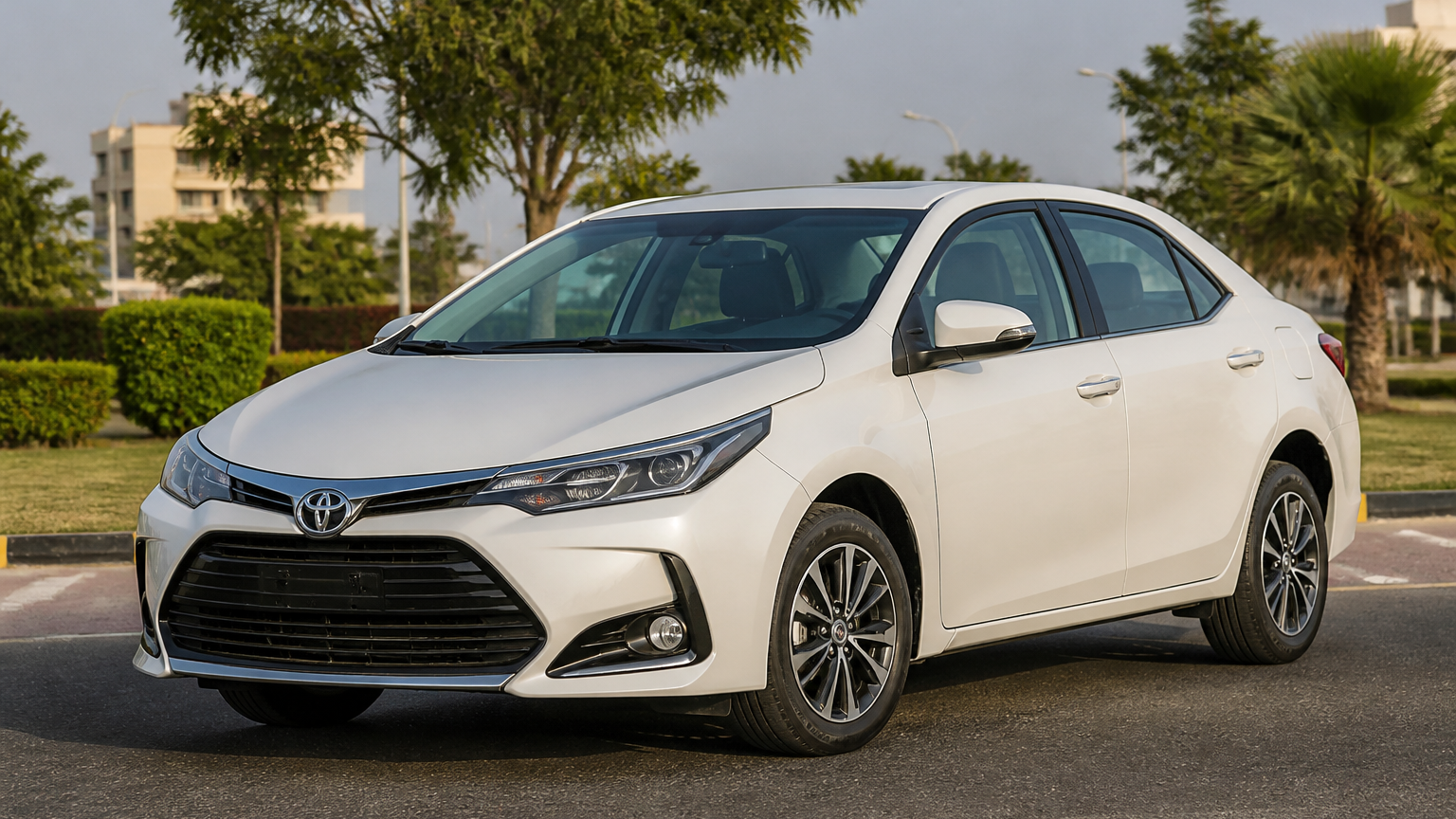
Toyota Corolla Discontinued Before Pakistan Facelift
Pakistan’s pre-facelift Toyota Corolla is reportedly discontinued, hinting at a facelift. Prices, bookings, specs and launch timing remain unconfirmed.
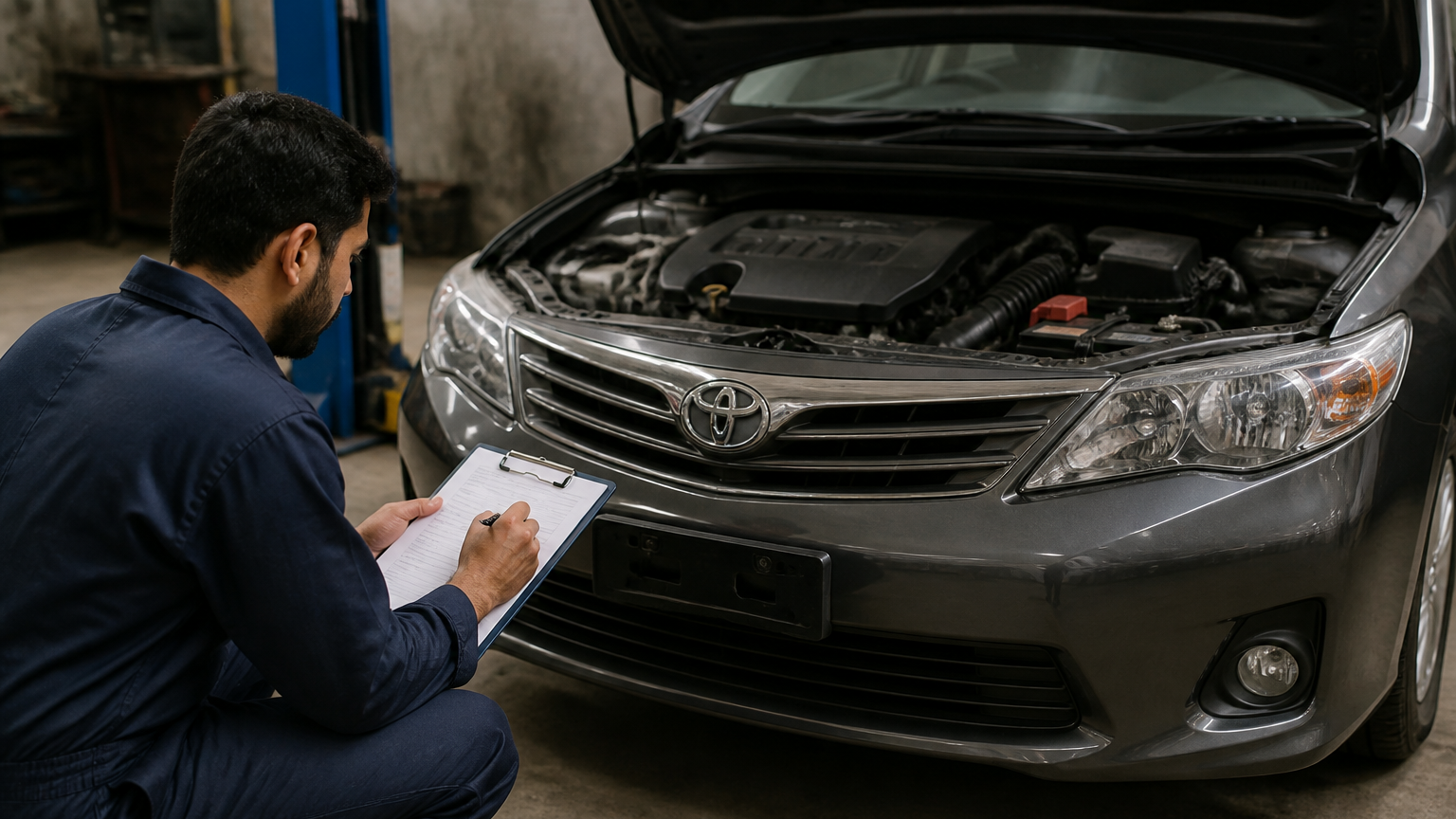
DrivePK Car Inspection Reports: Buy with Confidence
Buying a used car in Pakistan? A pre-purchase inspection can reveal hidden damage, engine issues and red flags before you pay—but it’s not enough alone.
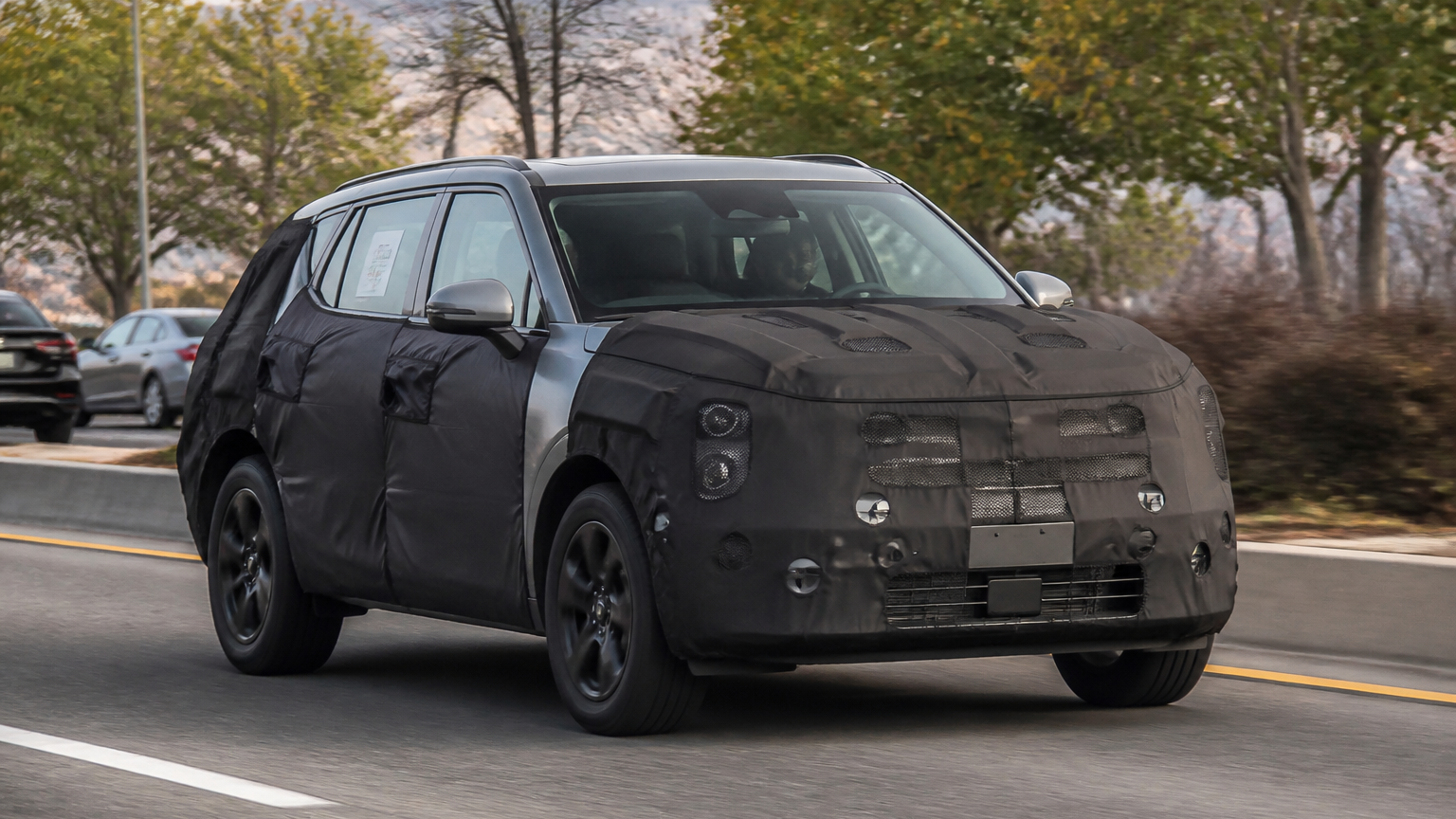
2028 Kia Sportage: Major Design Changes Spotted
Kia’s next Sportage may get a bolder, boxier redesign, with an upright profile, sharper lines, wider grille and split headlights hinted by spy shots.