Strait of Hormuz Crisis 2026: Oil Price Surge and Pakistan Fuel Hike Impacts
Rising tensions in the Strait of Hormuz after US-Israel strikes on Iran have halted oil shipments, spiking global prices. Pakistan faces an Rs8 petrol hike from March 1, 2026, amid import dependency, threatening higher inflation and transport costs.
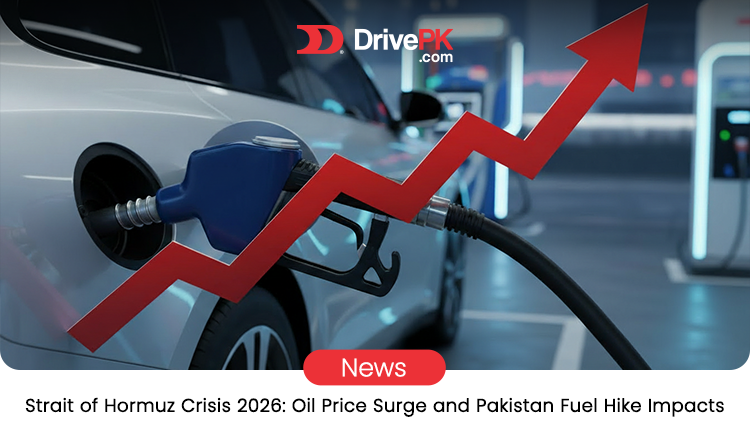
Table of Contents
- What Makes the Strait of Hormuz So Vital?
- Current Events in the 2026 Hormuz Crisis
- Global Oil Price Surge and Supply Disruptions
- Pakistan Feels the Pinch with Fuel Price Hike
- Economic Consequences for Pakistan
- Broader Implications of Middle East Tensions
- Mitigation Strategies for Pakistan
- Future Outlook Amid Geopolitical Risks
Trouble started on February 28, 2026. The US and Israel launched strikes on Iran. They hit key sites and killed Supreme Leader Ali Khamenei. Iran fired back with missiles and drones at Israel and US bases in the Gulf. Now, ships avoid the Strait of Hormuz. Iran warned them off, and attacks hit at least three tankers. One sailor died. Oil prices jumped. Brent crude rose 13% to $82 a barrel. WTI climbed 8% to $72.
This straight matters a lot. About 20% of the world's oil flows through it. That's 15-20 million barrels a day. LNG too. Disruptions push up shipping and insurance costs. Tankers stack up outside. No one wants the risk.
For countries like Pakistan, this hurts. We rely on Gulf imports. Saudi Arabia, the UAE, and Kuwait send most of our crude. A blockade means shortages or higher bills.
What Makes the Strait of Hormuz So Vital?
Picture a narrow waterway. It's 33km wide at its tightest. Iran borders one side, Oman the other. Ships squeeze through to reach the Persian Gulf. Oil from Iraq, Qatar, and others must pass here to hit global markets.
History shows risks. In 2019, drones hit Saudi fields. Prices spiked. Iran seized tankers before. Now, it's worse. Drones, missiles, and GPS jamming. Ships turn back. Over 200 anchors nearby, waiting.
Why now? The US-Israel targeted Iran's nuclear sites and leaders. Iran calls it aggression. Retaliation spreads. Strikes in Lebanon, Syria, and Iraq. Houthis add threats from Yemen. Bab el-Mandeb could close too.
This isn't new. Iran threatened shutdowns for years. But 2026 feels real. No quick fix. Talks stall. War risks grow.
Current Events in the 2026 Hormuz Crisis
Strikes began on February 28. Operation Epic Fury, they call it. Explosions in Tehran. Iran responds fast. Missiles rain on Israel. US bases hit in Gulf states.
Ships face danger. UK Maritime reports explosions near vessels. Tanker Skylight attacked. Crew evacuated by Oman. More incidents follow. Iran denies some, but warnings stick.
Shipping giants halt. Maersk, others reroute. Freight surcharges kick in. War risk premiums soar.
Markets react. Stocks drop. The dollar strengthens. Gold rises. Analysts warn of $100 oil if prolonged. European gas futures up 20%.
Iran says no full closure yet. But an effective halt. VHF transmissions warn ships away. Greece advises avoidance.
Global Oil Price Surge and Supply Disruptions
Oil jumped Sunday evening. Brent hit $82, up from $73. Reasons clear. Supply fears. Strait carries 13 million barrels daily.
If closed weeks, 1970s-style shock. Prices to $100-120. LNG prices could match 2022 highs.
Asia hurts most. China and Japan depend on Gulf oil. Japan imports 90%. Yen pressure follows.
OPEC boosts output. Eight members add crude. But can't fill the gap fast.
Reserves help in the short term. Saudi prepositions stock. US SPR ready. Long-term? Chaos.
Inflation risks. Higher energy costs hit everything. Food, transport up.
Pakistan Feels the Pinch with Fuel Price Hike
Pakistan announced hikes on March 1. Petrol up Rs8 to Rs266.17 per litre. Diesel Rs5.16 to Rs280.86. Ministry blames global rises.
We import 70-80% crude through Hormuz. From Saudi Arabia, UAE. LNG too.
This adds to the woes. The energy bill was $12.7 billion last year. Higher prices widen the deficit. PKR weakens.
Transport fares rise. Food costs too. Inflation surges.
Industry suffers. Textiles need cheap energy. Outages if supplies drop. Jobs at risk.
Remittances threatened. Gulf workers send $2-3 billion monthly. Instability there hits us.
Economic Consequences for Pakistan
Stagflation looms. Growth slows, prices rise. IMF targets slip.
Balance of payments stress. More borrowing?
Rural areas hit hard. Diesel for farming up. Food production costs climb.
Urban commuters pay more. Rickshaws and bikes use petrol.
Broader: Power sector. Furnace oil imports disrupted. Blackouts return?
Experts warn. Closure is a black swan event. Shifts to African crude are expensive.
Broader Implications of Middle East Tensions
The world economy shakes. Stocks tumble. S&P futures down 1.6%.
Inflation back? Central banks pause cuts.
Geopolitics widen. Hezbollah strikes. Red Sea rethink.
Environment? More fuel use if shortages.
For Pakistan, energy security is exposed. Proximity advantage turns vulnerability.
Mitigation Strategies for Pakistan
Build reserves. Current stocks thin. Aim for months' supply.
Diversify. Pipelines to Fujairah help, but are limited. Central Asian oil?
Renewables push. Solar and wind cut imports.
Efficiency. Better transport, industry use.
Diplomacy. Neutral stance aids.
Future Outlook Amid Geopolitical Risks
Conflict could last weeks. Trump says four. But escalation is possible.
Oil to $100 if sustained. Pakistan needs plans.
Safer routes cost more. Long-term, rethink energy.
This crisis shows fragility. Pakistan must adapt. For more updates, visit DrivePK.com
Tags
Share this article
About the Author

Najeeb Khan
Automotive enthusiast and writer
Comments (0)
Login Required
You need to be logged in to comment on this article.
No comments yet. Be the first to share your thoughts!
Related Articles
Karachi Link Road Work Halted Over KCR Land Dispute
Karachi’s Natha Khan Link Road promised faster commutes, but a land dispute between KMC and Pakistan Railways now clouds its opening.

DrivePK Sell It For Me: Let Us Handle Your Car Sale
Selling your car in Pakistan is time-consuming. Before using DrivePK’s Sell It For Me, verify its process, fees, and handover rules first.
33 Karachi Traffic Signals Fail Amid Cable Theft
Karachi’s traffic chaos deepens: a report says 33 of 94 signals are down, with cable theft blamed—though the figures remain unverified.