TDCP Reverses Lahore Sightseeing Bus Fare Increase 2026 . Old Rates Back After Fuel Drop
The Tourism Development Corporation of Punjab has reversed the recent fare hike on its Lahore sightseeing bus service after fuel prices dropped. Previous ticket rates are back in place for city tours, Wagah Border, and Hiran Minar routes. This quick decision brings relief to tourists and supports easier travel across Lahore’s historic spots.
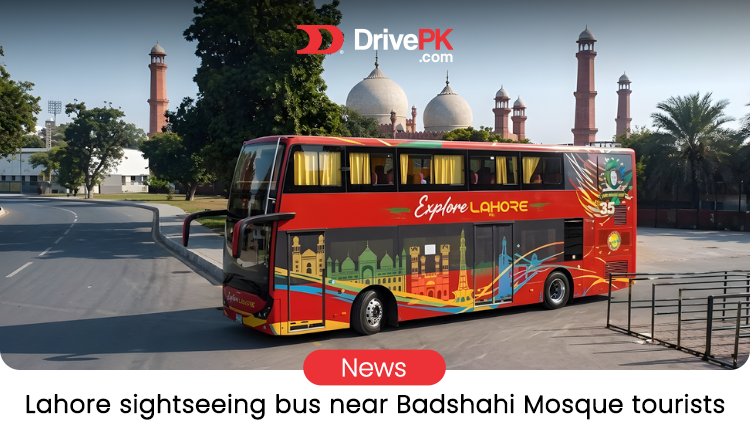
Table of Contents
- Why the fares changed in the first place
- What the TDCP sightseeing bus actually offers
- How this helps tourism in Punjab
- What tourists should know now
- Bigger picture for Lahore and beyond
- Tips to make the most of your ride
- Final word on this welcome change
The Tourism Development Corporation of Punjab just made things easier for anyone heading to Lahore. They pulled back the recent fare increase on their popular sightseeing bus service. This happened after petroleum prices came down. The decision restores the old ticket rates, and it aims to keep tourism strong without extra costs for visitors.
The move came quickly. The Managing Director approved it, and all departments got orders to switch back to the previous fares right away. No more waiting or confusion for tourists who have already planned their trips. It shows how the authorities listen when fuel costs shift and public feedback rolls in.
Why the fares changed in the first place
A few days ago, TDCP raised prices on the double-decker bus tours because fuel got more expensive. The Lahore city tour jumped from Rs 800 to Rs 1,200. The Wagah Border tour went from Rs 1,000 to Rs 1,500. And the Hiran Minar trip rose from Rs 1,200 to Rs 1,800. Operators said higher diesel prices made it hard to run the routes without adjusting costs.
But then fuel prices dropped. The corporation saw the chance to ease the burden on families, students, and out-of-town visitors. They acted fast. Now the old rates are back, and the buses keep rolling through Lahore’s streets just like before.
What the TDCP sightseeing bus actually offers
This double-decker service stands out in Lahore. It lets you sit upstairs, feel the breeze, and watch the city unfold below. The buses depart from locations such as Gaddafi Stadium and other central points. They cover key routes without the hassle of driving yourself or hunting for taxis.
The main city tour takes you past Lahore Fort, Badshahi Mosque, Minar-e-Pakistan, and the bustling Food Street. You get time to hop off, explore, and hop back on. The Wagah Border run lines up perfectly with the evening flag-lowering ceremony that the patriotic show draws crowds from across Pakistan and beyond. Then there’s the Hiran Minar route, which heads out toward Sheikhupura for a quieter, greener escape with the famous deer tower and gardens.
These aren’t just rides. They connect you to Lahore’s Mughal history, colonial buildings, and lively markets. And at the restored fares, more people can afford them. A family of four saves a decent amount compared to the higher rates. Students and budget travellers benefit too.
How this helps tourism in Punjab
Lower fares mean more foot traffic at Lahore’s landmarks. Tourism feeds local shops, eateries, and guides. When visitors spend less on transport, they have extra rupees for street food at Anarkali Bazaar or souvenirs near the Walled City. It keeps the cycle going.
Punjab already pushes hard to grow its visitor numbers. Events, better roads, and clean public spaces play a part. This fare rollback fits right in. It sends a clear message: Lahore stays accessible. You don’t need deep pockets to see the city’s best spots.
Plenty of people book these buses because they’re simple and safe. The open top gives great views, especially in cooler months. Families love it because kids stay entertained without constant traffic stress. Solo travellers use it to meet others and learn quick facts from the onboard guides.
What tourists should know now
If you plan a trip soon, check the updated fares before you go. City tour costs Rs 800 again. Wagah Border at Rs 1,000. Hiran Minar at Rs 1,200. Timings usually run from morning into evening, seven days a week, but confirm with TDCP directly because weather or special events can shift things.
Book your seat early on busy weekends. The double-decker fills up fast when the weather turns nice. Bring water, wear comfortable shoes for the stops, and maybe a hat for the upper deck. The buses stop long enough at major spots like Greater Iqbal Park or Food Street so you can grab photos or a quick meal.
Parents often say the service works well with kids because it cuts down on walking between distant sites. Older visitors appreciate the seated ride and the chance to rest between walks around the fort or mosque.
Bigger picture for Lahore and beyond
This reversal isn’t a one-off fix. The corporation hints at more steps like this in the coming months. They want steady growth in tourism without sudden price shocks. Fuel costs can swing, but quick responses like this build trust.
Lahore draws people for its food, history, and energy. The bus service ties it all together in one easy loop. When fares stay reasonable, more locals and visitors join in. That means fuller bazaars, busier hotels, and stronger word-of-mouth about Punjab’s welcome.
Other cities watch moves like this. If it works here, similar services in Rawalpindi or Multan might follow the lead. For now, Lahore gets the spotlight. The double-decker buses remain a smart, affordable way to explore.
Tips to make the most of your ride
Start early if you pick the full city tour. Traffic in Lahore moves in waves, so morning slots dodge the worst jams. Pair the bus with a walking tour inside the Walled City if you have extra time. The contrast between the open bus views and the narrow lanes feels special.
Check the TDCP website or call their office for the latest schedule. They update routes when new attractions open, like recent additions near the Army Museum or expanded stops at Lahore Safari Zoo. Keep an eye out for combo tickets that bundle the bus with entry to certain parks or shows.
And remember the small things. The upper deck offers the best photos, but sit downstairs if the sun feels too strong. Guides share quick stories about each site, so listen up; it adds context that guidebooks often miss.
Final word on this welcome change
The TDCP did the right thing by reversing the hike. It puts tourists first and keeps Lahore’s sightseeing bus as the go-to option for seeing the city. With fuel prices down and fares back where they belong, more people can enjoy what makes Lahore special without worrying about extra costs.
If you have a trip coming up, this is your green light. Hop on, look around, and soak in the history and hustle. Punjab’s tourism push continues, and moves like this show they mean it. The buses are running. The fares are fair again. Lahore waits. For more updates, visit DrivePK.com
Tags
Share this article
About the Author

Najeeb Khan
Automotive enthusiast and writer
Comments (0)
Login Required
You need to be logged in to comment on this article.
No comments yet. Be the first to share your thoughts!
Related Articles
Toyota Corolla Discontinued Before Pakistan Facelift
Pakistan’s pre-facelift Toyota Corolla is reportedly discontinued, hinting at a facelift. Prices, bookings, specs and launch timing remain unconfirmed.
DrivePK Car Inspection Reports: Buy with Confidence
Buying a used car in Pakistan? A pre-purchase inspection can reveal hidden damage, engine issues and red flags before you pay—but it’s not enough alone.
2028 Kia Sportage: Major Design Changes Spotted
Kia’s next Sportage may get a bolder, boxier redesign, with an upright profile, sharper lines, wider grille and split headlights hinted by spy shots.