Tesla's 2025 European Sales Drop: BYD Gains Ground in EV Market
Tesla's European sales dropped nearly 27% in 2025 to 238,656 units, losing market share to 1.8%. Meanwhile, BYD's sales exploded by 268% to 187,657 units, boosted by affordable hybrids. Hybrids dominated Europe's market at 34.5%, outpacing pure EVs.
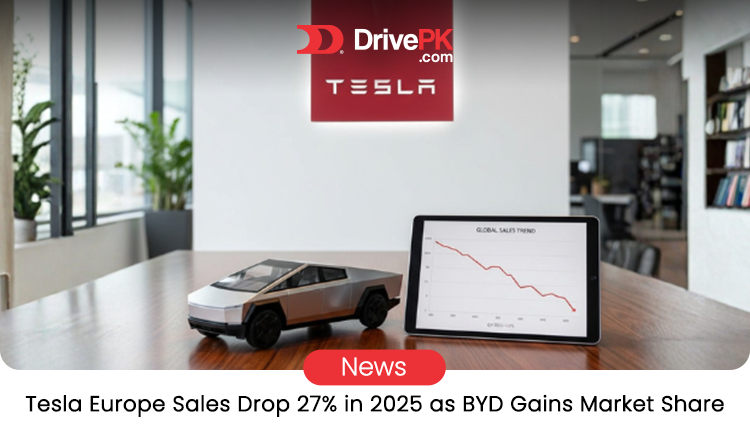
Table of Contents
- Tesla's Sales Hit a Wall
- BYD's Big Leap Forward
- Hybrids Take the Lead in Europe
- Challenges Weighing on Tesla
- What Gives BYD the Edge?
- Looking Ahead: EV Battles in Europe
Electric vehicles promised to change how we drive. But in 2025, things got rough for Tesla in Europe. Sales dropped hard. And a Chinese rival, BYD, stepped up big time. This shift shows how the auto world is evolving fast. Competition is heating up. Consumers are picky. Let's break it down.
Tesla's Sales Hit a Wall
Tesla sold 238,656 vehicles in the EU, the European Free Trade Association, and the UK last year. That's down from 326,525 in 2024. A drop of almost 27%. Ouch. Their market share shrank to just 1.8%. Not long ago, Tesla owned the EV space. Now, it's slipping.
Why the slide? More choices for buyers. Other brands offer EVs at better prices. Tesla sticks to pure electric models. But people want options. And Tesla's prices aren't as competitive anymore. In December, sales picked up a bit. But the year was still down overall.
Think about it. Tesla built its name on innovation. The Model 3 and Model Y were hits. Yet in Europe, demand cooled. Tariffs on imports didn't help rivals much. But Tesla faces homegrown issues too.
BYD's Big Leap Forward
Contrast that with BYD. This Chinese company sold 187,657 units in Europe in 2025. Up from... well, a lot less. That's a 268.7% jump. Their market share hit 1.4%. Close to Tesla's. And they're gaining fast.
BYD's secret? Affordable cars. They make both EVs and hybrids. Hybrids mix gas and electric. Easier for folks wary of full EVs. In Europe, hybrids grabbed 34.5% of the market. Pure battery EVs? Only 17.4%. BYD rides that wave.
Models like the Atto 3 and Seal draw crowds. Cheap to buy. Good range. And reliable. Even with tariffs on Chinese EVs, BYD pushes through. They're building factories in Europe, too. Smart move to dodge duties.
BYD started as a battery maker. Now, it's a full auto giant. In China, they outsell Tesla. Europe is next. Their growth isn't luck. It's a strategy.
Hybrids Take the Lead in Europe
Europe's auto market tells a story. Hybrids ruled in 2025. Why? Range anxiety. Charging spots aren't everywhere yet. Gas stations are. Hybrids ease the switch. You get electric perks without full commitment.
Battery EVs like Tesla's need plugs. And time. In cities, that's fine. But on long trips? Not always. Europe pushes green goals. By 2035, no new gas cars. But right now, hybrids bridge the gap.
Data shows it. Hybrid sales boomed. EVs grew more slowly. Tesla bets all on electric. BYD offers both. That flexibility wins buyers. And governments subsidize hybrids in some spots.
But EVs aren't dead. Tech improves. Batteries last longer. Prices drop. Still, 2025 favored the middle ground.
Challenges Weighing on Tesla
Tesla's woes go beyond numbers. CEO Elon Musk stirs debate. His tweets and views turn off some buyers. In Europe, where the green image matters, that hurts.
Autonomous driving skepticism plays in. Tesla's Full Self-Driving tech promises much. But accidents and probes raise doubts. People question if it's ready.
Competition intensifies. Volkswagen, BMW, and others launch EVs. Cheaper. With local appeal. Tesla's U.S. focus sometimes misses European tastes.
Supply chains snag, too. Chip shortages linger. Battery costs fluctuate. Tesla cut prices to boost sales. But margins suffer.
Yet Tesla innovates. Cybertruck buzz. Robotaxi plans. If they deliver, recovery could come.
What Gives BYD the Edge?
BYD thrives on value. Their cars cost less. But quality holds up. Vertical integration helps. They make their own batteries. Cuts costs.
In China, BYD dominates. Exports grow. Europe likes its hybrids. Affordable entry to green driving.
Despite tariffs up to 38% on Chinese EVs, BYD sells. They adapt. Local production starts soon. In Hungary and Turkey.
BYD invests in tech. Blade batteries are safe. Long-lasting. And they expand fast. Partnerships with dealers. Marketing that clicks.
But risks exist. Trade wars. Quality perceptions. Chinese brands fight stigma. Still, momentum is theirs.
Looking Ahead: EV Battles in Europe
2025 marked a pivot. Tesla leads but stumbles. BYD closes in. Europe wants zero emissions. But the path is bumpy.
Tesla needs hits. New models. Better PR. Fix autonomy trust. Expand charging networks.
BYD aims higher. More factories. Broader lineup. If tariffs rise, they pivot.
Consumers win. More choices. Lower prices. Greener options.
The EV race is on. Tesla started it. But others catch up. 2026 could flip scripts again. Watch this space.
And that's the state of things. Change comes quickly in autos. Stay tuned. For more updates, visit DrivePK.com
Tags
Share this article
About the Author

Najeeb Khan
Automotive enthusiast and writer
Comments (0)
Login Required
You need to be logged in to comment on this article.
No comments yet. Be the first to share your thoughts!
Related Articles
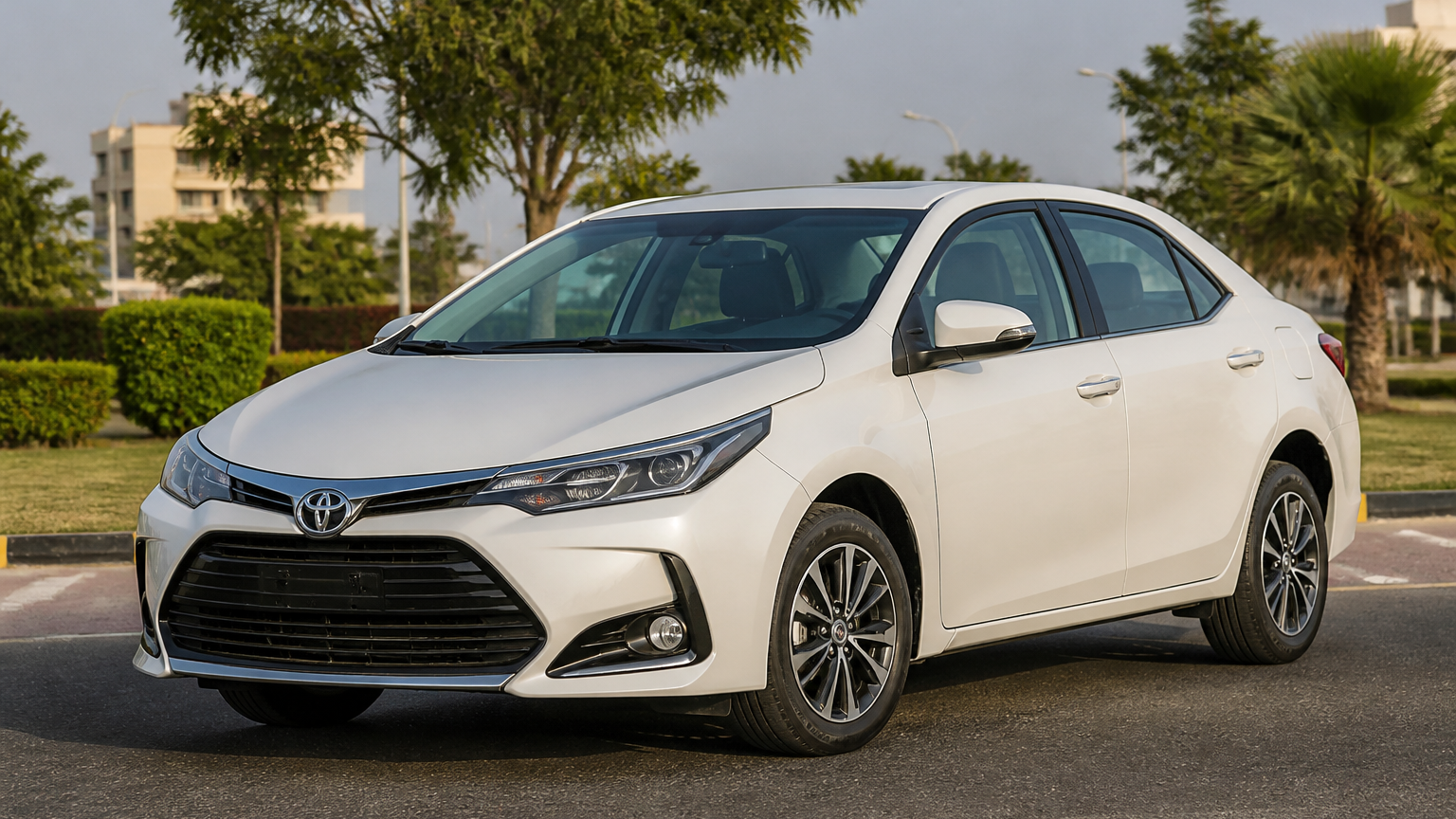
Toyota Corolla Discontinued Before Pakistan Facelift
Pakistan’s pre-facelift Toyota Corolla is reportedly discontinued, hinting at a facelift. Prices, bookings, specs and launch timing remain unconfirmed.
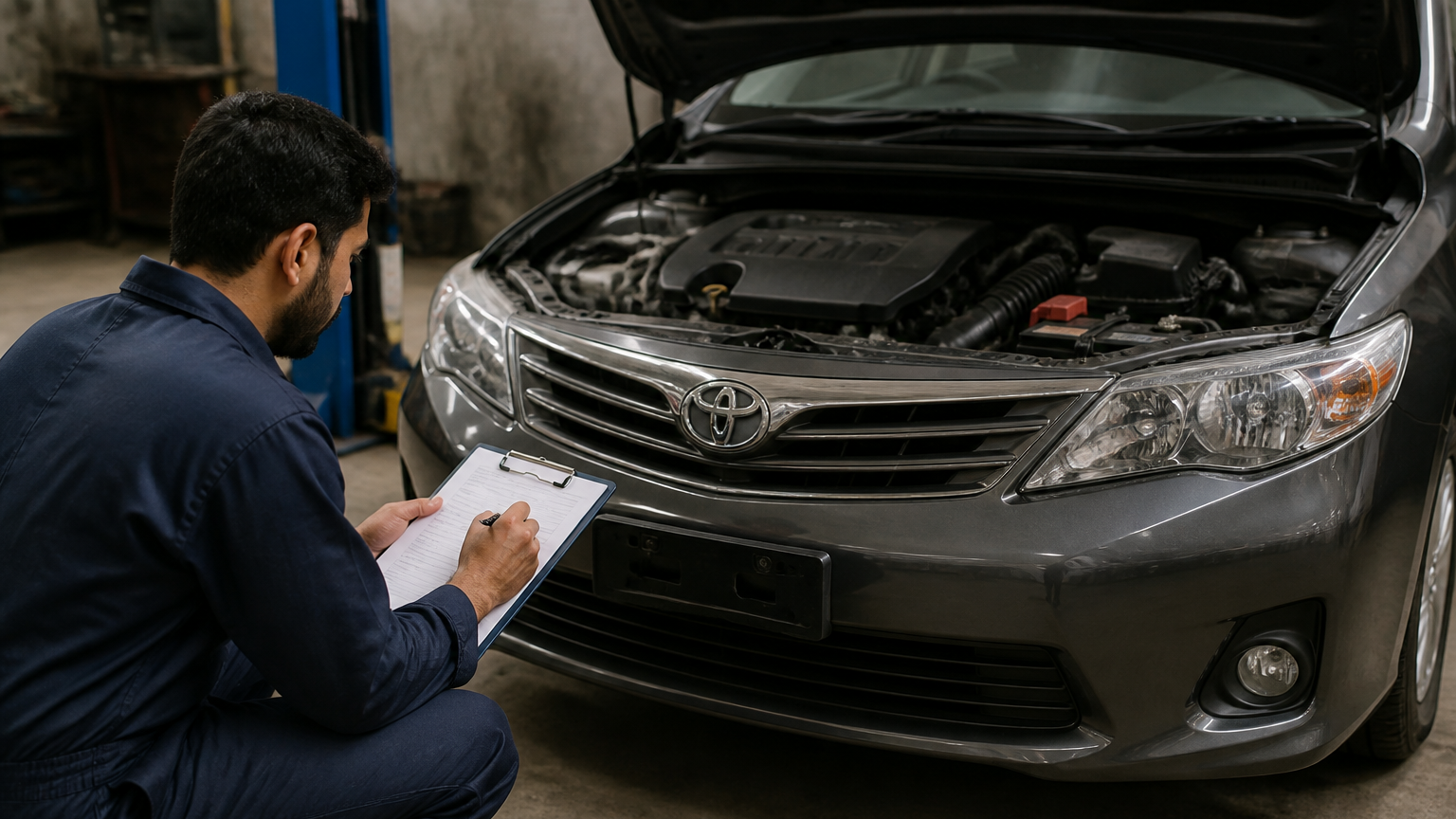
DrivePK Car Inspection Reports: Buy with Confidence
Buying a used car in Pakistan? A pre-purchase inspection can reveal hidden damage, engine issues and red flags before you pay—but it’s not enough alone.
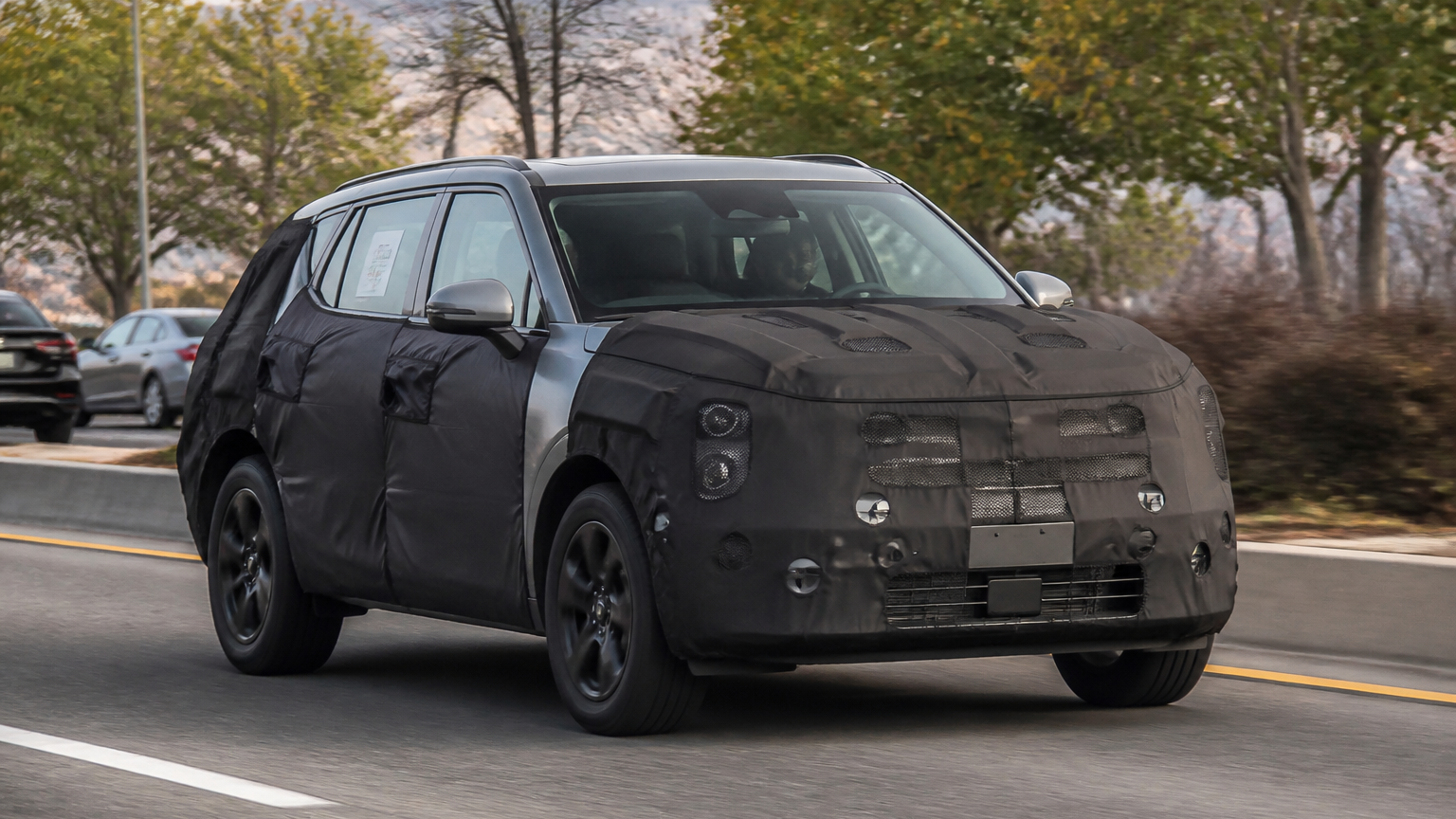
2028 Kia Sportage: Major Design Changes Spotted
Kia’s next Sportage may get a bolder, boxier redesign, with an upright profile, sharper lines, wider grille and split headlights hinted by spy shots.